
Andy Kaufman

5.2K posts

Andy Kaufman banner
Andy Kaufman

Andy Kaufman

@Andy_Kaufman

The world beats a path to people who deliver. Join me here and on the People and Projects Podcast for practical insights on leadership & project management.

Chicago Katılım Mayıs 2008
950 Takip Edilen1.1K Takipçiler
Andy Kaufman
Andy Kaufman@Andy_Kaufman·
BEYOND THE FAILURE STATISTICS We have all seen the headlines and the varying survey results. One report says 65% of projects fail, another says 50%, and another claims the number is even higher. To me, the exact percentage doesn't actually matter as much as the reality we all face: far too many projects still struggle to cross the finish line with the value they promised. We have tried different tools. Methodologies. Certifications. While we would never say it this way, in practice, many of us operate as if getting the Gantt chart right or the status report perfect will somehow guarantee success. But as it turns out, those were just the visible artifacts of the work. The real work has always been about value realization. And you only realize that through people. If you feel like you are doing everything "by the book" but the results are still struggling, I want to invite you to look at the human and strategic side of the equation. Most project failures are not caused by using the wrong software. In my experience, they are usually caused by a lack of alignment, shifting priorities, or a fundamental misunderstanding of the "why." In our workshops, we help people move beyond simple task tracking so they can more confidently lead. That means leading teams. Stakeholders. Bosses. Sponsors. Customers. Ourselves! There is a reason we call our show the People and Projects Podcast. It is at that specific intersection where we actually drive impact. 👉👉 To what degree would you say the people leading projects in your organization are truly viewed as leaders?
Andy Kaufman tweet media
English
0
0
0
2
adriane schwager
adriane schwager@aschwags3·
This quarter, I’ve closed multiple $1M+ without a slide deck. I’m using a single AI tool. Today, I want to share it, free. After signing, a prospect asked me how we created the site. They were so wow-ed they wanted it for their own clients. Here’s what floored them: it took a single designer 5 minutes to prompt and launch. The AI chains together 6 key parts of our sales process, turning a 18-page deck into a single, personalized website. When they asked, I gave them this template and workflow. Now I want to share it for free: Follow me + comment “GA” and I’ll DM it.
English
1.2K
31
479
84.1K
Andy Kaufman
Andy Kaufman@Andy_Kaufman·
THE VIBE CHECK I have seen a lot of status reports and dashboard templates over the years. Some are nearly works of art, tracking milestones, budget burn, and resource allocation with clinical precision. In many ways, that was our traditional version of value realization. We believed that if the dashboard showed Green, the project was healthy. But we have all seen "watermelon projects." The ones that are deep red on the inside but painted green on the outside. Even when the status is technically accurate on several dimensions, the team is often quietly red-lining toward burnout. The data says the project is fine, but the people are struggling. I want to suggest that a project's real health needs to include the "vibe." I know, I know. There is likely a more corporate word for it, but it is really about the collective sentiment, engagement, and alignment of the people doing the work. What if you did vibe checks more often? Just like the term value realization, a vibe can feel subjective. It is based on different people's perceptions. But I am finding a growing number of leaders who are seeking to investigate how to measure these less-measurable aspects of team health. One of my clients uses the equivalent of a corporate mood ring. Team members can log in and briefly express how they are feeling that day. The collective sentiment then shows up as a specific color for the whole group to see. Whether you think that is brilliant or a bit much, I want to invite you to start prioritizing the human pulse of your project as much as the data pulse. A project that hits its deadline but destroys the team in the process hasn't actually realized its full value. 👉👉 How have you seen teams or companies successfully check the "vibe" of their people?
Andy Kaufman tweet media
English
0
0
0
5
Logan Gott
Logan Gott@LoganTGott·
Everyone is using Claude right now. Very few founders are using it to drive real pipeline from LinkedIn. So I built a free resource with the exact Claude prompts I use to build full LinkedIn funnels… the same system behind the multiple clients we’ve generated over 6-figs for. Most people are using AI to write posts. Almost nobody is using it to build the actual infrastructure that turns LinkedIn into a lead machine. I’m sure I could sell these prompts in the future but for now they’re yours: Comment "Funnel" and I'll send it over. (You need to be following so I can DM it to you.)
English
956
54
548
52.5K
Andy Kaufman
Andy Kaufman@Andy_Kaufman·
WHAT DRIVES HOPELESSNESS IS FEELING LIKE THERE’S NOTHING YOU CAN DO Hopelessness can show up on projects. - Depending on others when you don't have authority over them - Unwise project decisions made upstream without consulting you - Assignments that aren't challenging (and none on the horizon) I've heard it show up in the vocabulary people use: “I can’t do anything about it.” “It’s out of my control.” “Why bother?” It sounds like frustration. But it could also be the early stages of hopelessness. Once that sets in, performance, creativity, and engagement all start to drop. Jen Fisher joined me in episode 501 to talk about hope. I highly recommend you check out the discussion and her book. Jen's a "hope dealer". And her insights can help you do the same. 👉👉 What are examples of where you've seen hopelessness creep into a team?
Andy Kaufman tweet media
English
0
0
0
6
Andy Kaufman
Andy Kaufman@Andy_Kaufman·
"If you must make an assumption about intentions, make only one: their intentions are better than you think." Peter Boghossian I once had a boss who was known for saying, "Assume innocence." I found it ironic because there were times it sure didn't feel like they were following their own advice. 🤷 "Assume innocence" is fine advice. It's similar to assuming "positive intent." But I prefer what Peter Boghossian told me in episode 284 about intentions. This may not always be true, but it can be a good starting point for a challenging conversation: assume their intentions are better than you think. Maybe not innocent. Maybe not even positive. But better than you think. Peter is the author of a book entitled "How to Have Impossible Conversations." Chances are, whether it's today or sometime in the near future, you're going to face a challenging discussion. His book has some excellent, practical insights. 👉👉 What are your thoughts about "assuming innocence" versus assuming "intentions are better than you think?"
Andy Kaufman tweet media
English
0
0
0
12
Cameron England
Cameron England@iamcamengland·
Every business owner should be using AI to supercharge their business. Sadly, 99% still don’t know how to do it… So I put together 2 detailed docs: • An Audit that tells you exactly which tasks you can automate in your business • How to install Claude into your business in 48 hours You can use these to save 10+ hours a week & increase your profit margins. Like this and comment “Docs” & I’ll DM you both of them. *Must Follow Me to Receive DM”
Cameron England tweet media
English
158
19
174
20.6K
Andy Kaufman
Andy Kaufman@Andy_Kaufman·
I LOVE IT WHEN A BOOK ACTUALLY CHANGES MY HABITS Especially one that I don't think most of my podcast listeners would pick up without knowing more about it. Dr. John La Puma's book, The Indoor Epidemic, launches today. The premise is simple: we spend a massive amount of time indoors. And it is not helping us. Finding more time to be outside isn't easy when you have back-to-back meetings and demanding deadlines. But his book offers simple little tweaks, some of which have really been sticking for me. Dr. La Puma shared this analogy with me while recording episode 508 of the podcast: Just as too much sugar burns out your physical metabolism, too many pixels burn out your brain. If you feel overwhelmed all the time, it might be because you are consuming more digital stimulation than your system was designed to handle. He calls it digital obesity. The antidote? Analog wellness. As leaders and project managers, our clarity is our greatest asset. This book offers a roadmap for moving from digital obesity to analog health. It has personally helped me rethink how I approach my always on schedule. Our discussion won't go live until late April, but I wanted to let you know about the book here on launch day. It's available on all major book seller websites. I recommend you add it to your reading list. 👉👉 In your experience, what are some benefits to getting more outside time?
English
0
0
0
20
Andy Kaufman
Andy Kaufman@Andy_Kaufman·
WHAT I'M LEARNING WITH AGENTS We’ve been doing deep dives into agents and automation at my company. I continue to be blown away by how much time we can save with certain processes. But the recent Deloitte Tech Trends 2026 report offers an insight I’ve personally needed to be reminded of. They are projecting that 40% of agentic projects will fail by 2027. The problem isn’t the tech. It’s that we’re tempted to automate broken processes instead of redesigning them. I’ve seen that reflex on our team if we're not careful. So here’s what we're learning: ✅ Outcome over Tool: Instead of "What can AI do?" (pretty much summarizes 2024 and 2025 for us), keep focus on "What business problem must we solve?" Lead with the outcome, not the tool. That, by the way, is good project management thinking anyway, right? ✅ Orchestration over Pure Automation: We are experimenting with what Deloitte refers to as "human-agent" teams. Some "take over my screen" agents are painstakingly slow. We’re finding that the magic lies in figuring out where a human should take action and where the agent should take over. ✅ Velocity over Study: We’ve stopped over-analyzing and started doing. In a world where the AI "knowledge half-life" is measured in months, a small pilot today is worth more than a year-long research project. Curious if you have any questions or insights on this. Let’s keep learning together!
Andy Kaufman tweet media
English
0
0
0
14
Andy Kaufman
Andy Kaufman@Andy_Kaufman·
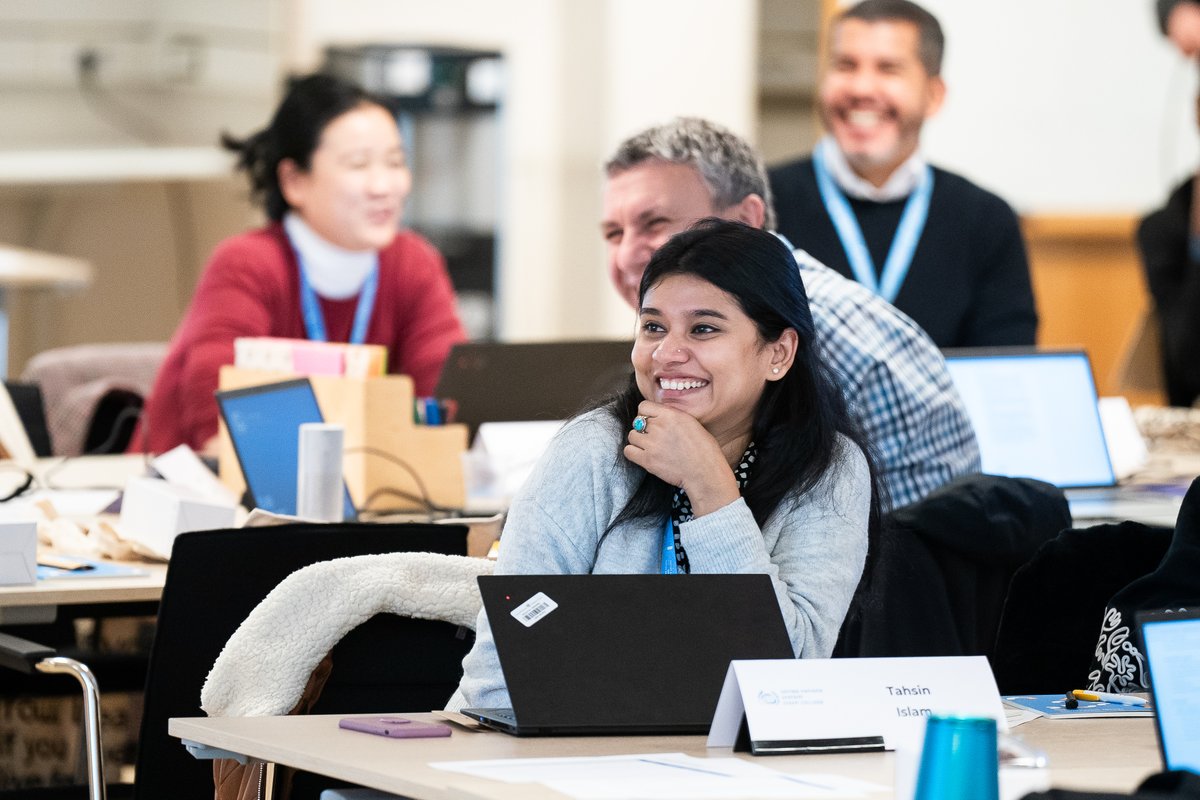
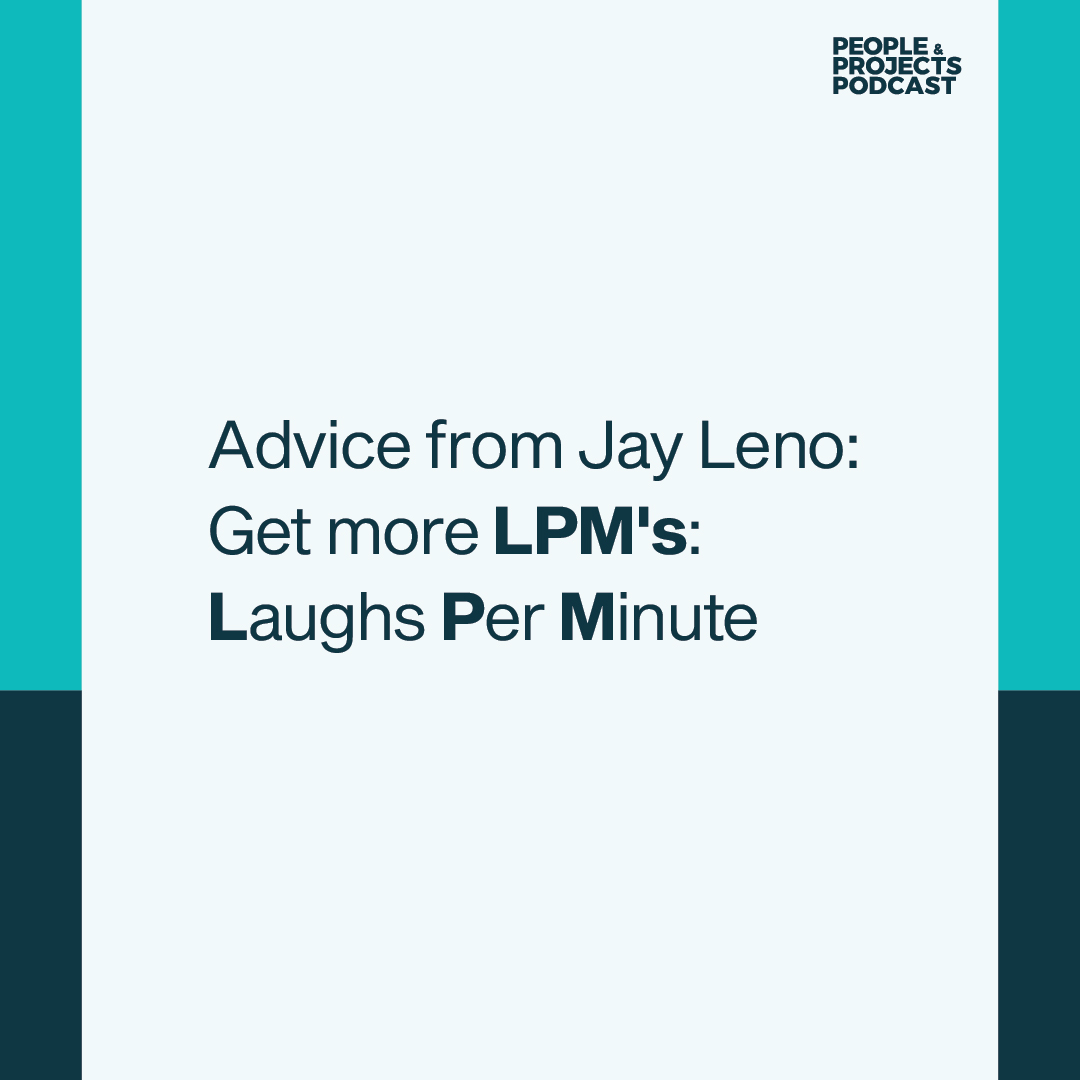
Advice from Jay Leno: Get more LPM's: Laughs Per Minute Comedian Adam Christing joined me in episode 487. In his new book, he mentioned Jay Leno's advice to him: Get more Laughs Per Minute. Most of us aren't stand-up comedians. But Adam's advice for us is a different LPM: Get more Laughs Per Meeting. It's not about getting chuckles. It is about what laughter unlocks. In our discussion, Adam explains how humor helps people learn, remember, and trust. When people laugh together, tension drops and attention goes up. That is not entertainment. That is leadership. Of course, it matters what type of meetings you're talking about! But as you go through the weeks ahead, consider trying to increase your “laughs per meeting” just a little. Even a smile or shared moment can change the energy.
Andy Kaufman tweet media
English
0
0
0
18
Andy Kaufman
Andy Kaufman@Andy_Kaufman·
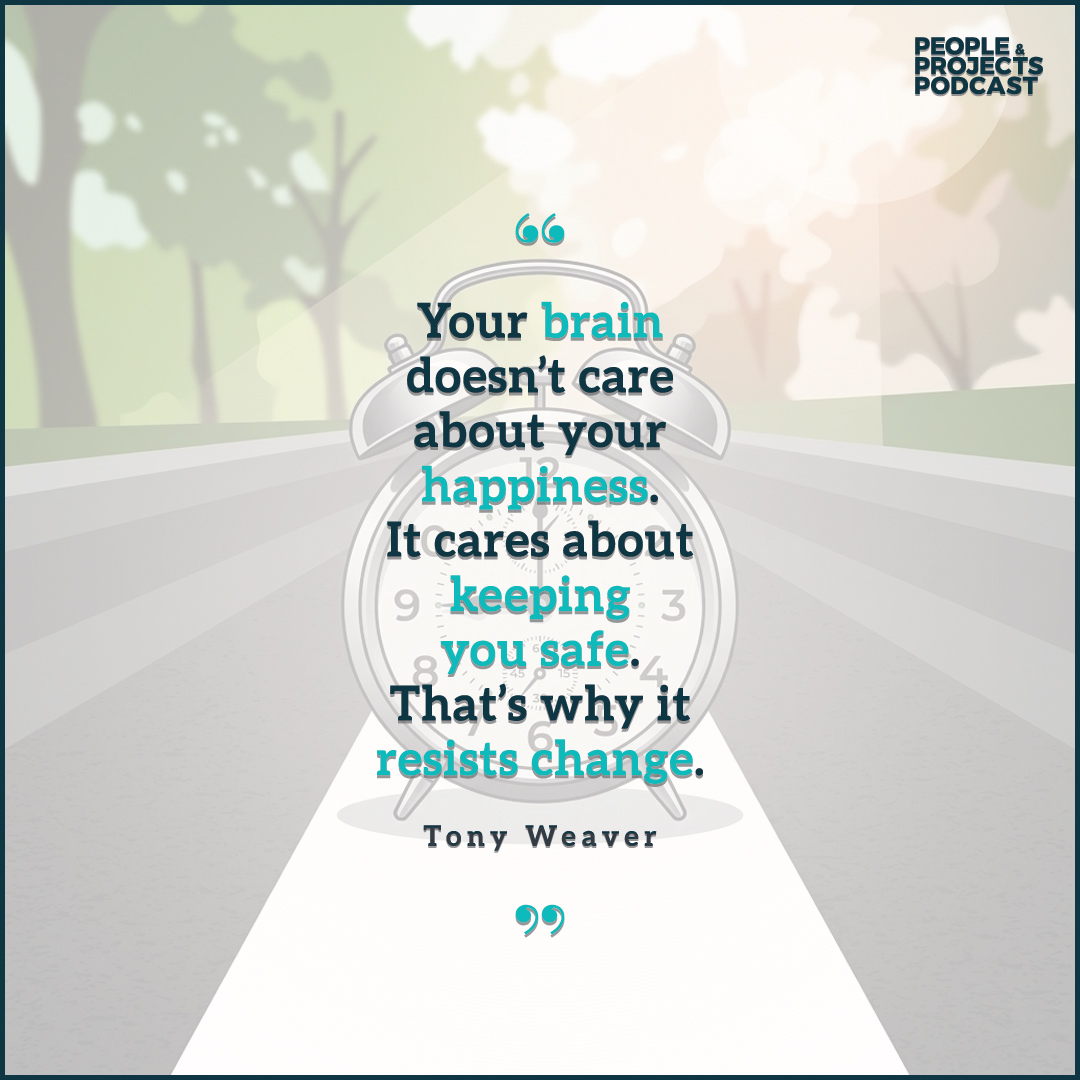
Why do people resist new processes even when the old ones are clearly broken? Why do we stay in roles, habits, or patterns that we know aren't serving us? BTW, when I say people, I'm including myself if I'm not careful! I can think of a friend who is getting a nice promotion, a new opportunity, and even then, it feels a bit unsettling to them. In episode 480, Tony Weaver told me: "Your brain isn't trying to make you happy. It's trying to keep you alive." And to your brain, "unfamiliar" and "unsafe" can feel like the same thing. Awareness of this matters a lot to leaders of projects and teams (and, as Tony shares in the interview, in our personal lives). When your team pushes back on a change initiative, they're not necessarily being difficult. They're being human. Their brains are doing exactly what brains do. The question may not simply be "Why won't they just get on board?" It might just be: What would help their brains feel safe enough to move forward? 👉👉 What's an example of a reasonably good change that you've seen someone resist?
Andy Kaufman tweet media
English
0
0
0
11
Andy Kaufman
Andy Kaufman@Andy_Kaufman·
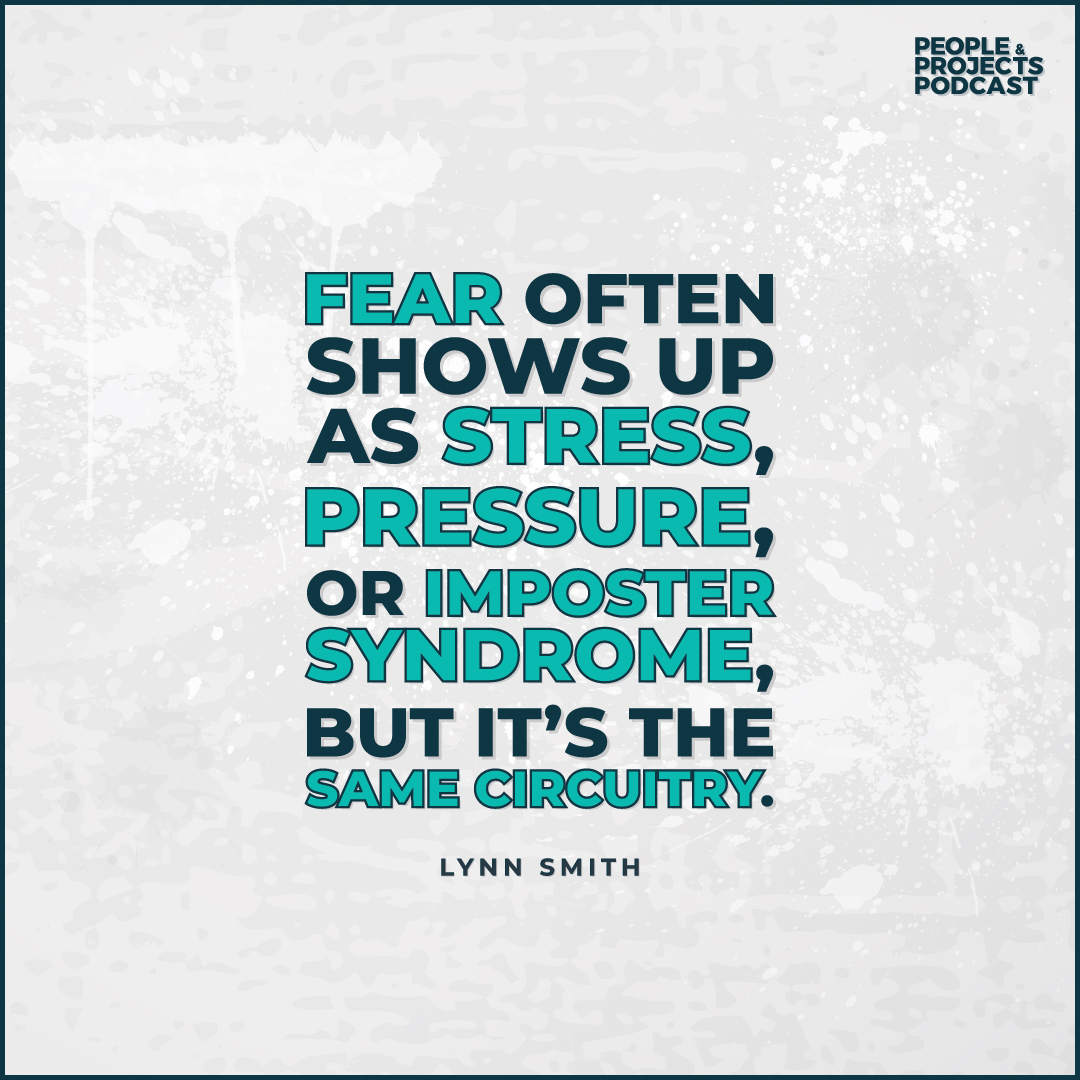
We don't usually call it fear. We may say we're "stressed about the deadline." Or "feeling the pressure" before a big presentation. Or quietly wondering if we're actually qualified to be in the room. Lynn Smith is a national television news anchor and author of the children's book Just Keep Going. Here's what she told me in episode 491: It's all the same circuitry. We may dress it up differently. But it's the same signal. ----- Why have a children's book covered on the People and Projects Podcast? First, it's a good book! I'd recommend it as a gift to any child. But second, I'm betting the adult will find lessons that apply directly to them as they read it to the child. Check out episode 491 to learn more. 👉👉 What's a lesson about fear that could apply as much to kids as it does to us?
Andy Kaufman tweet media
English
0
0
0
11
Andy Kaufman
Andy Kaufman@Andy_Kaufman·
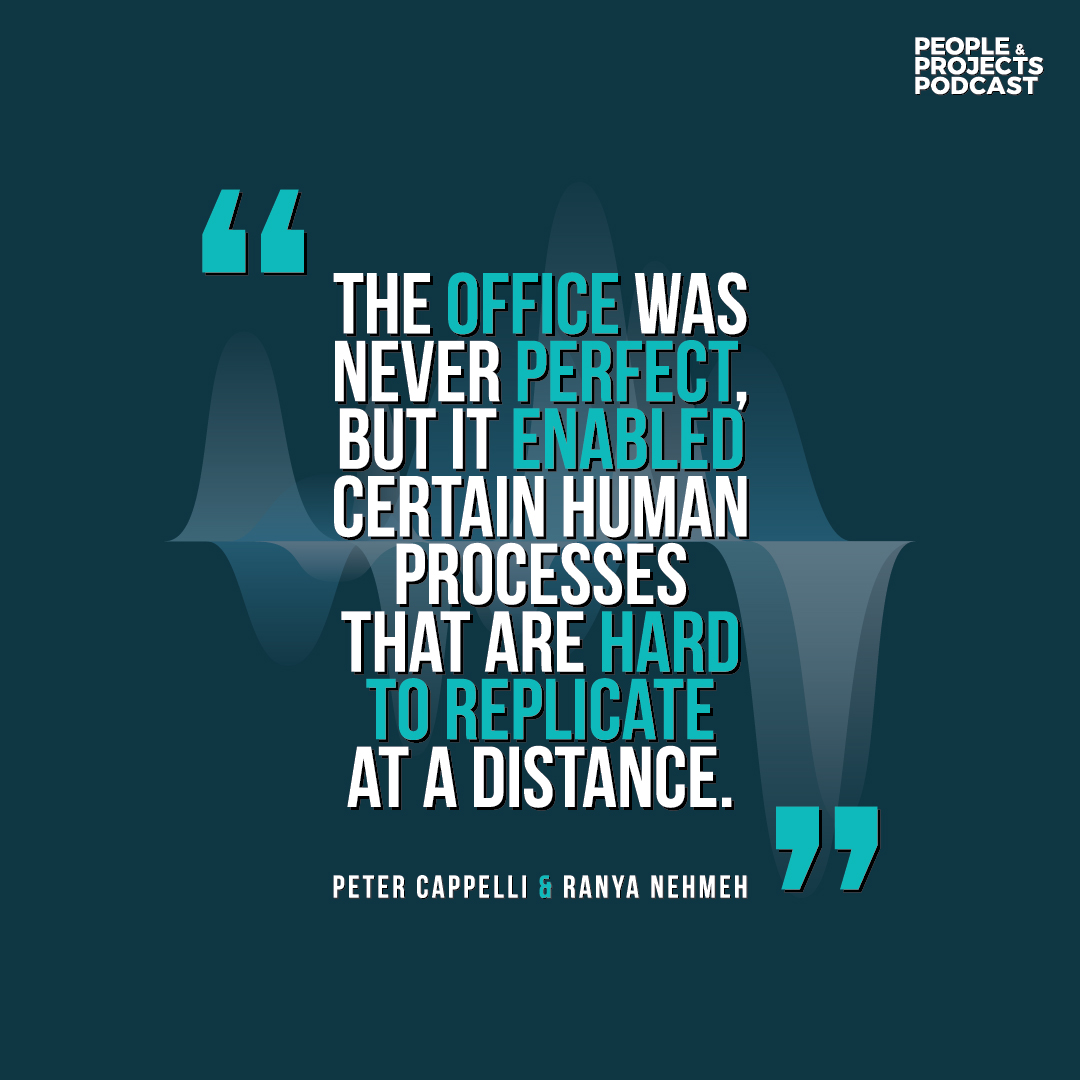
Nobody is arguing that the office was paradise. I never missed the commutes, interruptions, or the conference rooms that were somehow always too cold or too hot. And yet.... Some stuff got done in the office that we're still trying to recreate years after COVID sent most of us home. Examples? Hallway conversations that turned into something. The lunch or coffee that helped mend a strained stakeholder relationship. Or those moments when you tell by reading the room that something was off with your team. Peter Cappelli and Ranya Nehmeh joined me in episode 492 to dig into what the research actually says about work, the workplace, and what leaders need to understand right now. To them, the question was never "office vs. remote." Rather, it's more about which human processes matter most to your team. And are you being intentional about protecting them, wherever work happens? Peter and Ranya put together an argument for being at the office. 👉👉 What's something you've found hardest to replicate at a distance?
Andy Kaufman tweet media
English
0
0
0
15
Andy Kaufman
Andy Kaufman@Andy_Kaufman·
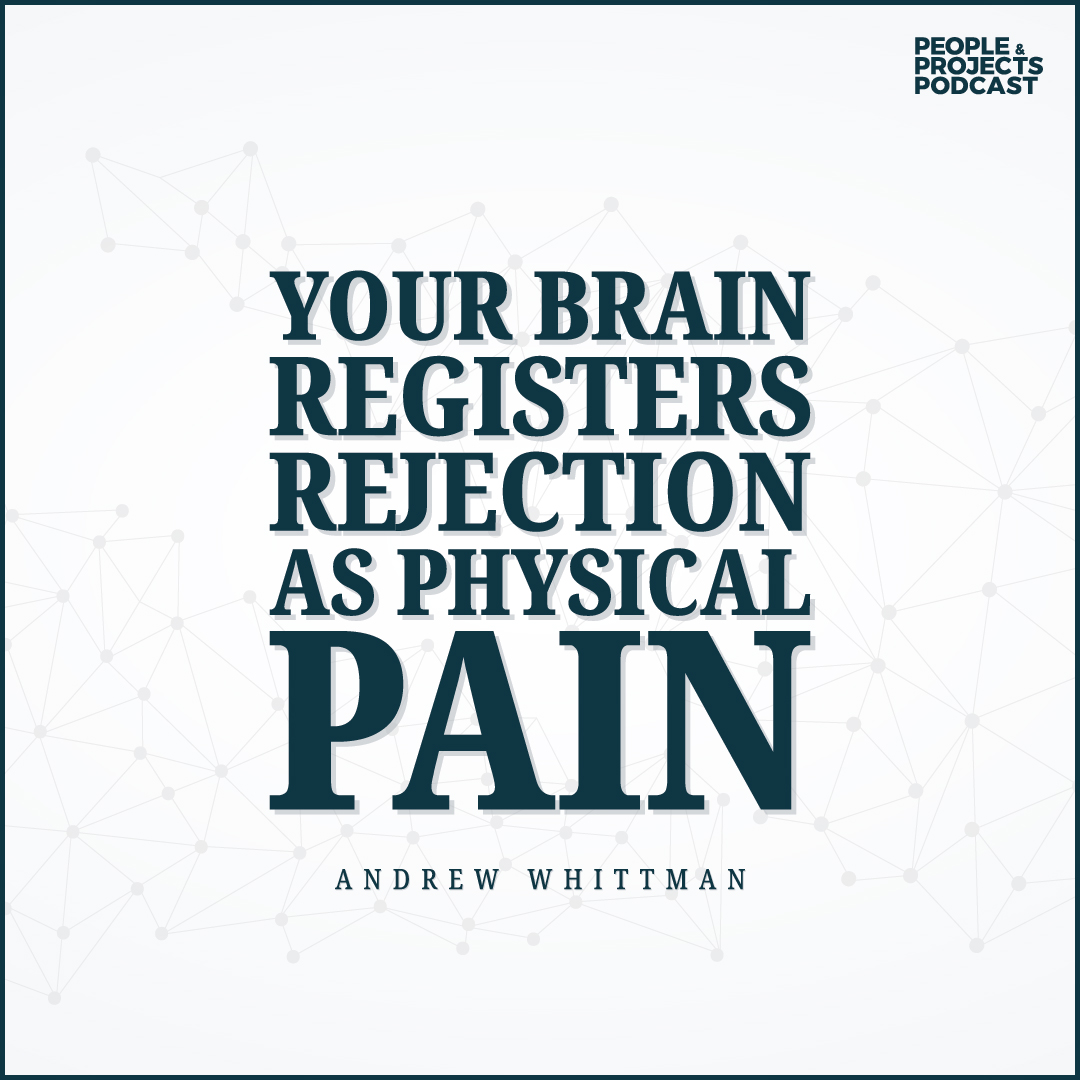
YOUR BRAIN REGISTERS REJECTION AS PHYSICAL PAIN This is why we lose our poise in high-stakes meetings. If a stakeholder pushes back on our idea, we don't just hear feedback. We feel an attack. Andrew Wittman argued in episode 494 that 70% of adults lack a healthy self-esteem. We look to others to validate us. One secret to staying calm under pressure? Identity. Know who you are. Their feedback or opinions can be data to consider. But they don't define who you are. Easier said than done, for sure. But increasingly powerful as you develop it.
Andy Kaufman tweet media
English
0
0
0
40
Andy Kaufman
Andy Kaufman@Andy_Kaufman·
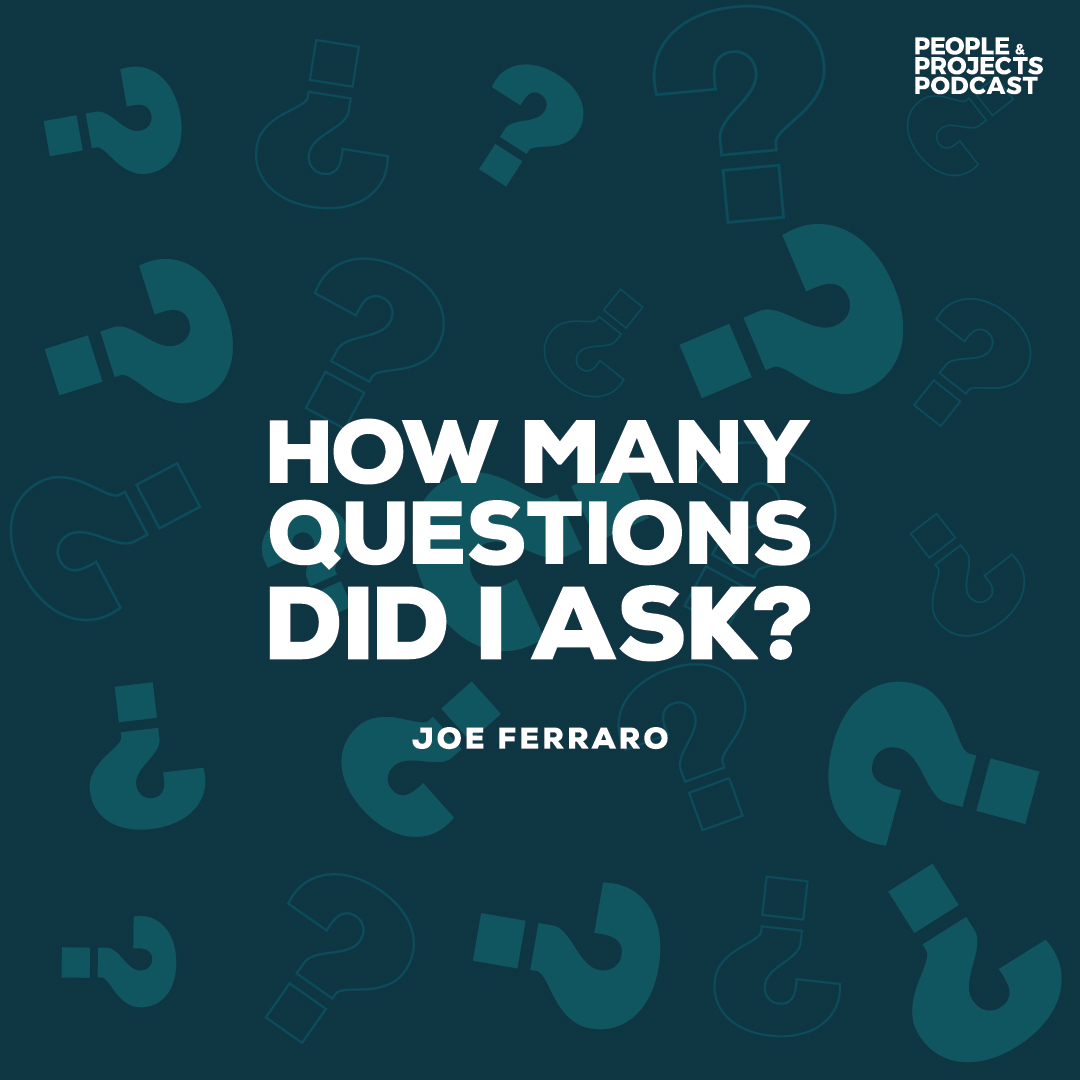
ASK THIS QUESTION AT THE END OF THE DAY Joe Ferraro is the most influential voice in my life on how to have great conversations. Clearly, part of being a good conversationalist requires being a good listener. Most of us think we're good listeners! Here's what Joe told me in episode 498: "You know what's a great barometer to know how well you're listening? Ask yourself on a daily basis, 'How many questions did I ask?'" Of course, you won't likely know the precise number. But some of the best leaders I know are masterful at asking questions. Not in an annoying, quasi-interrogating way. But genuine questions out of true curiosity. Consider going out of your way to ask an extra question today. 👉👉 What are some benefits of being a good conversationalist?
Andy Kaufman tweet media
English
0
0
0
13
Andy Kaufman
Andy Kaufman@Andy_Kaufman·
A family friend is a high school senior. She recently told me she had been nominated as "Most Likely To Brighten Your Day." I love that! And, if you knew her, you'd likely agree it's a worthy nomination. It made me think about people I've worked with over the years. The people who brighten your day on a tough project are rarely the loudest or the most senior. Sometimes they just sincerely smile and say Good Morning. Some that come to mind are the ones who bring calm when things are going sideways. Often, they are the ones who just help keep work feeling human as more of it gets automated. For those of us leading teams and projects, this is a quiet leadership skill that compounds. You don't need a nomination. But you might need more consistency in how you show up. Question for you: Who in your orbit brightens the room? Consider tagging them here. And think of other ways to recognize them, just like our family friend was by her peers.
English
0
0
0
40
Andy Kaufman
Andy Kaufman@Andy_Kaufman·
Most of us were not trained to become bosses. We just kind of became them. I was promoted into management because I was reasonably good at my job and not a jerk. No training. No roadmap. Just expectations. That’s just one reason why my conversation with Joel Hilchey in episode 488 resonated so much. His core idea is simple (and generous): Bad bosses usually are not bad people. They are good people who picked up bad ideas. One helpful reframe from the discussion: Leadership is not about being perfect. It is about being intentional. Or "less terrible". 👉👉 Anyone else put into a management role without training?
Andy Kaufman tweet media
English
0
0
0
24
Andy Kaufman
Andy Kaufman@Andy_Kaufman·
MOST LEADERS ARE REACTING. VERY FEW ARE RESPONDING. There is a distinct difference. Reacting is emotional and automatic. Responding is intentional. Andrew Wittman shared a formula with me in episode 494: E + R = O. Event + Response = Outcome. You cannot control the event. You cannot control the traffic, the client, or the weather. You can only control the "R." Your response is the only variable that changes the outcome. 👉👉 How have you learned to put a gap between what's happening and your response?
Andy Kaufman tweet media
English
0
0
0
82
Andy Kaufman
Andy Kaufman@Andy_Kaufman·
@Mike_Scully_ Reminds me of the old phrase... Back in the Gold Rush days, you either dug for gold or sold picks and shovels.
English
0
0
0
266
Mike Scully
Mike Scully@Mike_Scully_·
Everyone's talking about Claude Code, Cowork, OpenClaw. But almost nobody is talking about how to actually make money with them. Let me put you on game. I've made $1M+ selling simple digital services online. Here are 7 ways to turn these AI tools into real cash: 1/ First understand what's happening. Businesses are drowning in work they know AI could help with but they have no idea where to start. They don't need another tool. They need someone to do it for them. That's where you come in. 2/ AI-Powered Landing Pages & Funnels Claude Code can now build full web pages from a prompt. But businesses don't want to learn Claude Code. They want a page that converts. Learn the tool. Package it as a service. Charge $1,500–$3,000 per page. I started doing this with basic no-code tools and hit $10k/month in 90 days. With AI the delivery is 5x faster. 3/ Automation Builds Every business has 10+ manual workflows they repeat daily. Client onboarding. Lead follow-up. Invoice chasing. Reporting. Use n8n, Zapier, or Make to automate them. Claude helps you map the logic and write the steps. Charge $2k–$5k per build. Retainer for maintenance. 4/ AI Content Systems Businesses know they need to post. Most don't. Build them a system: AI drafts the content, you edit and schedule, they approve. Charge $2k–$4k/month as a retainer. You can manage 5+ clients once the system is dialled in. That's $10k–$20k/month from one service. 5/ Internal Tool Builds This is the sleeper. Small businesses need simple tools, calculators, dashboards, client portals, intake forms. Claude Code can build these in hours. Businesses would pay agencies $10k+ for the same thing. Charge $3k–$7k. Deliver in days. Margins are insane. 6/ Email & Sales Sequence Writing AI is incredible at drafting email sequences when you give it the right context. Learn how to brief it properly, ICP, offer, objections, tone and you can produce an entire 7-email sequence in an afternoon. Charge $1k–$3k per sequence. Stack 4–5 clients and that's a full income. 7/ Course & Knowledge Base Creation Coaches, consultants, and experts have years of knowledge stuck in their head. Use AI to help them structure it into modules, write lesson outlines, and build resource docs. Charge $3k–$10k to productise someone's expertise. They'll love you for it. 8/ 7. AI Training & Implementation This is the one nobody's doing yet. Walk into a business and teach their team how to use Claude, ChatGPT, and automation tools in their actual workflows. Charge for the training upfront. Then charge a monthly retainer for ongoing support. You become their AI department without them needing to hire one. 9/ The playbook hasn't changed: → Pick one of these services → Package it as an outcome, not a skill → Build proof fast — even if that means doing the first one free → Sell it through content, DMs, and cold outreach → Stack clients. Build retainers. Scale with systems. This is the same model that took me from climbing telephone poles to $1M+ online. The only thing that's changed is the tools got 10x more powerful. 10/ Most people will read this and think "that's interesting" and do nothing. A few people will actually pick one, start this week, and have their first paying client within 30 days. That's how it works. Every time. If you want the full system, how to choose your offer, get clients, and scale, I put it all into a free course. Comment "AI" and I'll send it over.
English
196
42
413
34.3K
Andy Kaufman retweetledi
Himanshu Kumar
Himanshu Kumar@codewithimanshu·
I made $7K in 3 days by setting up Clawdbot (OpenClaw) for non-technical users. You can also do this, in simple steps. You only need, ChatGPT + 1 laptop + 2 hour/day to make $2,000/day. I’ve prepared the exact step-by-step guide. Normally priced at $499, but it’s free for 24 hours. To get it: 1. Comment "OpenClaw", I will send you in DM. 2. Like and Retweet this post. You Must Follow me @codewithimanshu, so i can DM you.
Himanshu Kumar tweet media
English
637
327
617
64.5K