

Anthony_Dedo
166 posts


he pulled out his gun on his teacher for marking him absent
English
Anthony_Dedo retweetledi

🚨Elon Musk préfère perdre 120 MILLIONS € plutôt que de censurer X : “C’est la bonne décision morale” »
🚨 L’UE lui balance une amende de 120 MILLIONS D’EUROS…
Elon Musk répond cash : « La liberté d’expression passe avant tout, même si ça nous coûte cher. C’est la bonne décision morale. »
Moment historique : X refuse de plier devant la censure européenne.
Pas d’argent, pas de pression gouvernementale… juste la vérité et la liberté.
C’est pour ça qu’on est sur X. 💪
👉 Tu soutiens Elon sur ce coup ?
Dis-moi en commentaire :
Liberté d’expression ou censure ? 🔥
🔁 Partage si tu en as marre de la censure !
#ElonMusk #X #LibertéDExpression #FreeSpeech
Français
@linaayokg @MakoLeMaki @AMekroun Laisse les ils sont détraqués, il faut que ça leur arrive pour qu’ils comprennent, et encore
Français

Il loue sa maison sur Airbnb
À son retour, il n’en croyait pas ses yeux 😳
Français
Anthony_Dedo retweetledi

Anthony_Dedo retweetledi

Avez-vous déjà vu des chrétiens des juifs des catholiques détruire un cimetière musulman ? Non c'est toujours les mêmes mêmes qui font de tels actes immondes.. l'islam n'est pas compatible avec notre société
Français
@mectx @DokPepper As-tu déjà essayé l’FSD ? Regarde simplement des vidéos et tu comprendras que ce n’est pas simplement un « gadget » ! 🥹
Français

@DokPepper Autant je suis un convaincu de la VE, autant ces conneries de FSD/xpilot (Xpeng je suis future client) Je trouve ca tellement gadget, ceux qui pour moi ont le meilleur système c'est renault bizarrement, un maintient dans la voie vraiment efficace, un cruise control au poil.
Français

Je suis frustré de voir toutes ces vidéos de FSD en marche aux Pays-Bas !
Mettez ça en France, bordel.
Français
Anthony_Dedo retweetledi
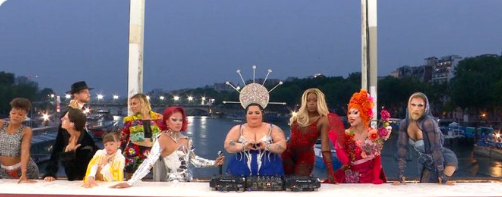
President Trump isn't mocking God - THIS IS MOCKING GOD!!!!
English
@Marielaclef80 @BastionMediaFR T’es un peu dans le déni là frérot
Français

@BastionMediaFR Stop vos fake news de merde !!!!!!!! Vous voulez encore faire parler en mal de 🇩🇿 à Bein non le pape est là bas et a un super accueil du peuple des autorités 🇩🇿❤️❤️❤️❤️❤️🤲
Français

🔴🇩🇿 𝗔𝗟𝗘𝗥𝗧𝗘 𝗜𝗡𝗙𝗢 — Deux kamikazes se sont fait exploser devant un commissariat à Blida, en Algérie.
Selon des informations, ils souhaitaient se rendre à Alger, où se trouve actuellement le pape. x.com/daaydream1/sta…
Français
Anthony_Dedo retweetledi

South Africa won’t allow Starlink to be licensed, even though I was BORN THERE, simply because I am not Black!
We were offered many times the opportunity to bribe our way to a license by pretending that a Black guy runs Starlink SA, but I have refused to do so on principle.
Racism should not be rewarded no matter to which race it is applied.
Shame on the racist politicians in South Africa. They should be shown no respect whatsoever anywhere in the world and shunned for being unashamedly RACISTS!
DogeDesigner@cb_doge
Why Elon Musk is RIGHT to fight South Africa’s racist rules blocking Starlink? Imagine this: Long ago, South Africa had very unfair laws called apartheid. They treated Black people badly and kept them from good jobs and money. When those bad laws ended, the country made new rules (called B-BBEE) to help Black people get a fair share of business. The idea was good – like a big helping hand. But now? For companies like Starlink to sell fast internet, they MUST give away 30% of their business to Black partners. Just because of skin color. Elon Musk was born in South Africa. He left as a teen to chase big dreams. Today, his company SpaceX wants to bring Starlink – super fast satellite internet – to South Africa. But the rules say no unless they give up part of the company. Elon said it right: “Starlink is not allowed because I’m not Black.” SpaceX promised to spend about $30 million (that’s 500 million rand!) to give FREE high-speed internet to 5,000 rural schools. That helps over 2.4 MILLION kids every year learn better, get jobs later, and have a brighter future. Real help for the people who need it most! Starlink already works in about 24 other African countries. Villages there now have internet for school, doctors, and business. South Africa’s villages are missing out because of these racist rules. Elon isn’t asking for special favors. He just wants fair play so Starlink can connect everyone fast. Internet = education, jobs, hope. Why hold back millions of kids over rules that pick by race and color?
English
Anthony_Dedo retweetledi

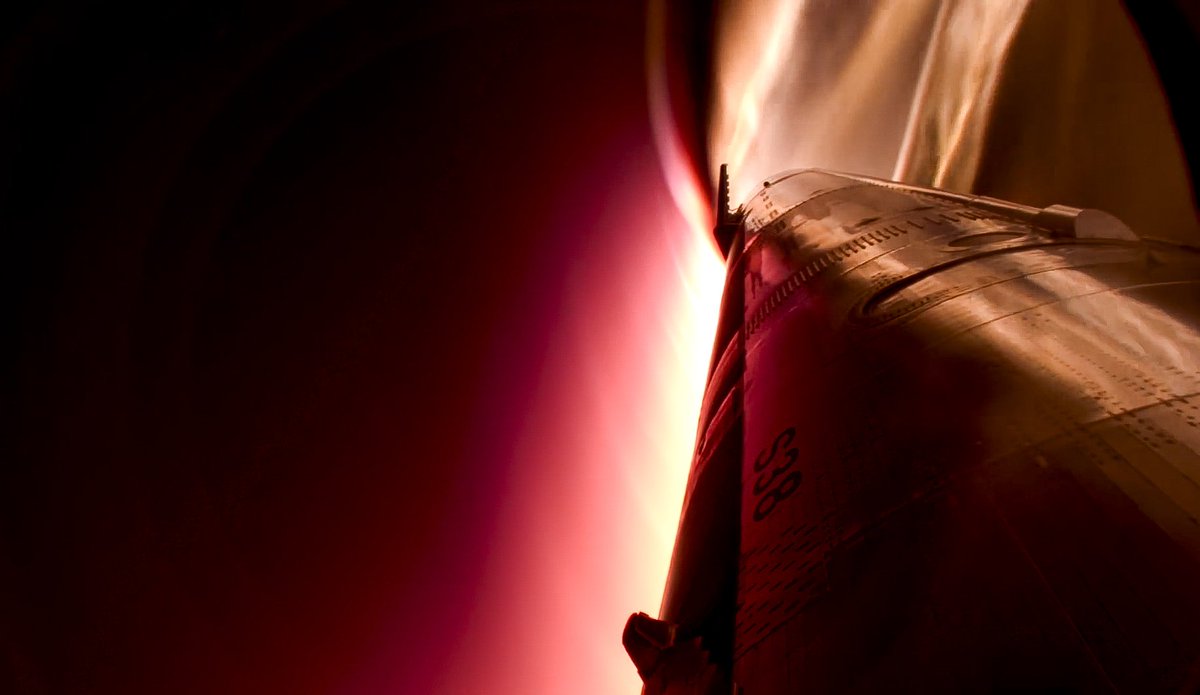
NASA: "We expect a 6-minute blackout during re-entry due to plasma."
SpaceX: "Watch this in 4K."
English
Anthony_Dedo retweetledi

Anthony_Dedo retweetledi

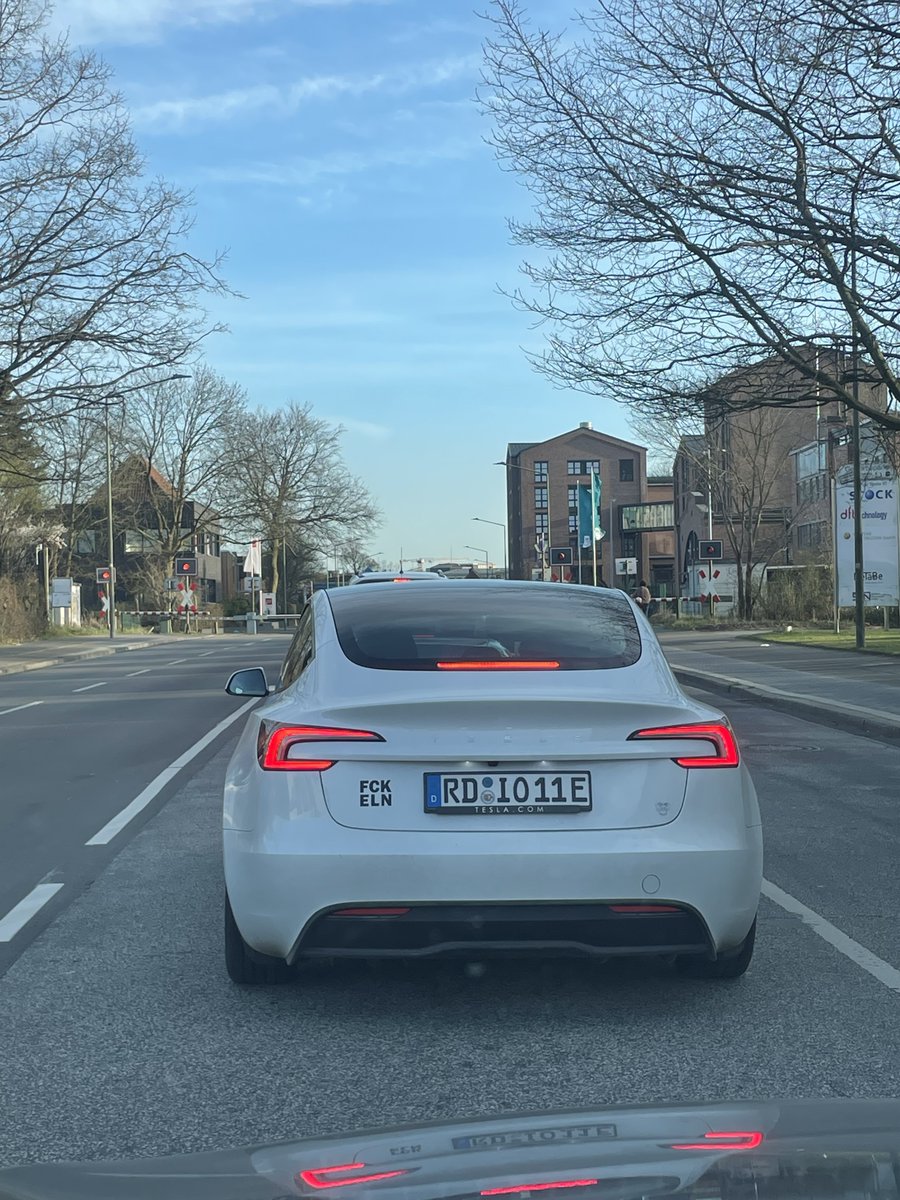
I honestly find it hilarious here in Germany how many people have stickers like this on their Teslas
"I bought this before Elon went crazy"
Elon was always crazy, that is why you are driving his car in Germany, even though everyone told him it would not work, and he never gave up.
I saw someone who had "F Elon" on his new Model Y. So you hate Elon so much, but you know his cars are the best cars to buy in Germany? That to me is crazy.
So if everyone is crazy, and these people all call Elon crazy... Maybe it is not Elon that is the problem or the crazy one?
Germans are not thankful enough for Elon 💔
English
FSD 14.3 release notes @Tesla_AI
Tesla AI@Tesla_AI
New release of FSD Supervised now starting to roll out This update brings 20% faster reaction time to further increase safety, among many other improvements Full release notes below Full Self-Driving (Supervised) v14.3 includes - Upgraded the Reinforcement Learning (RL) stage of training the FSD neural network, resulting in improvements in a wide variety of driving scenarios. - Upgraded the neural network vision encoder, improving understanding in rare and low-visibility scenarios, strengthening 3D geometry understanding, and expanding traffic sign understanding. - Rewrote the AI compiler and runtime from the ground up with MLIR, resulting in 20% faster reaction time and improving model iteration speed. - Mitigated unnecessary lane biasing and minor tailgating behaviors. - Increased decisiveness of parking spot selection and maneuvering. - Improved parking location pin prediction, now shown on a map with a (P) icon. - Enhanced response to emergency vehicles, school buses, right-of-way violators, and other rare vehicles. - Improved handling of small animals by focusing RL training on harder examples and adding rewards for better proactive safety. - Improved traffic light handling at complex intersections with compound lights, curved roads, and yellow light stopping – driven by training on hard RL examples sourced from the Tesla fleet. - Improved handling for rare and unusual objects extending, hanging, or leaning into the vehicle path by sourcing infrequent events from the fleet. - Improved handling of temporary system degradations by maintaining control and automatically recovering without driver intervention, reducing unnecessary disengagements. Upcoming Improvements - Expand reasoning to all behaviors beyond destination handling. - Add pothole avoidance. - Improve driver monitoring system sensitivity with better eye gaze tracking, eye wear handling, and higher accuracy in variable lighting conditions.
English
Anthony_Dedo retweetledi

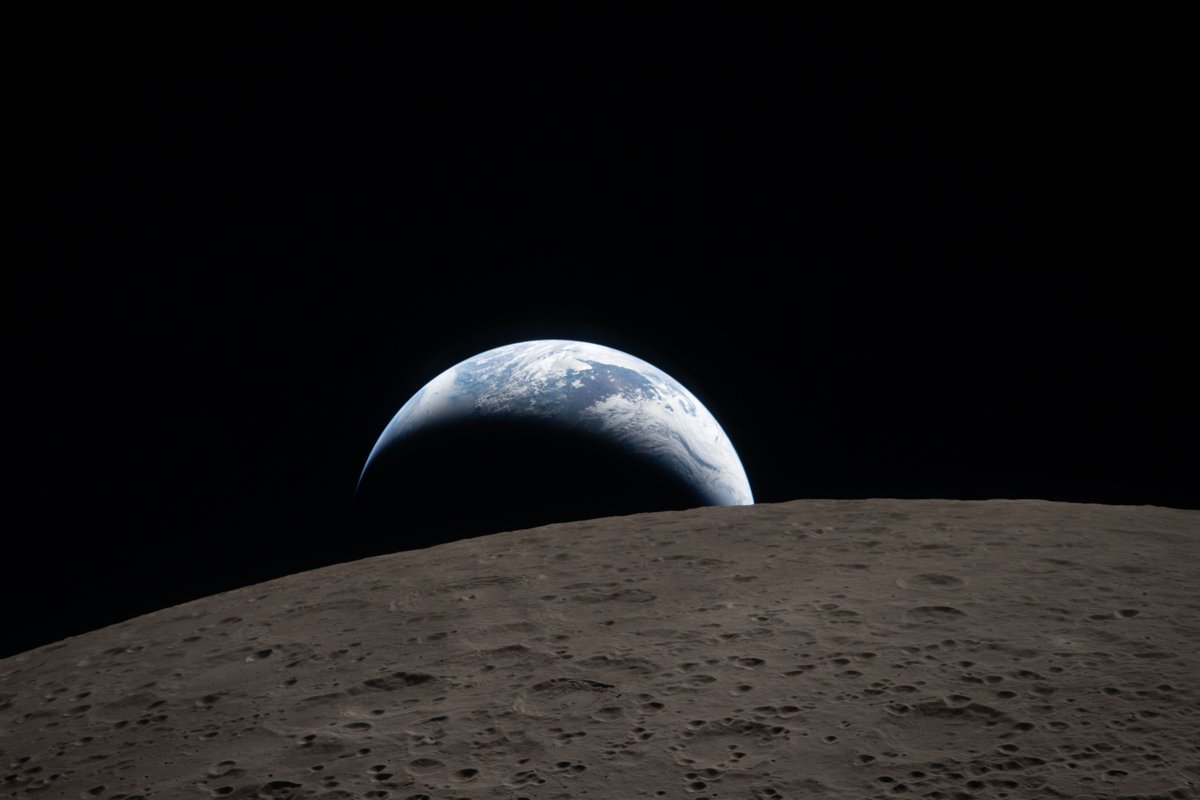
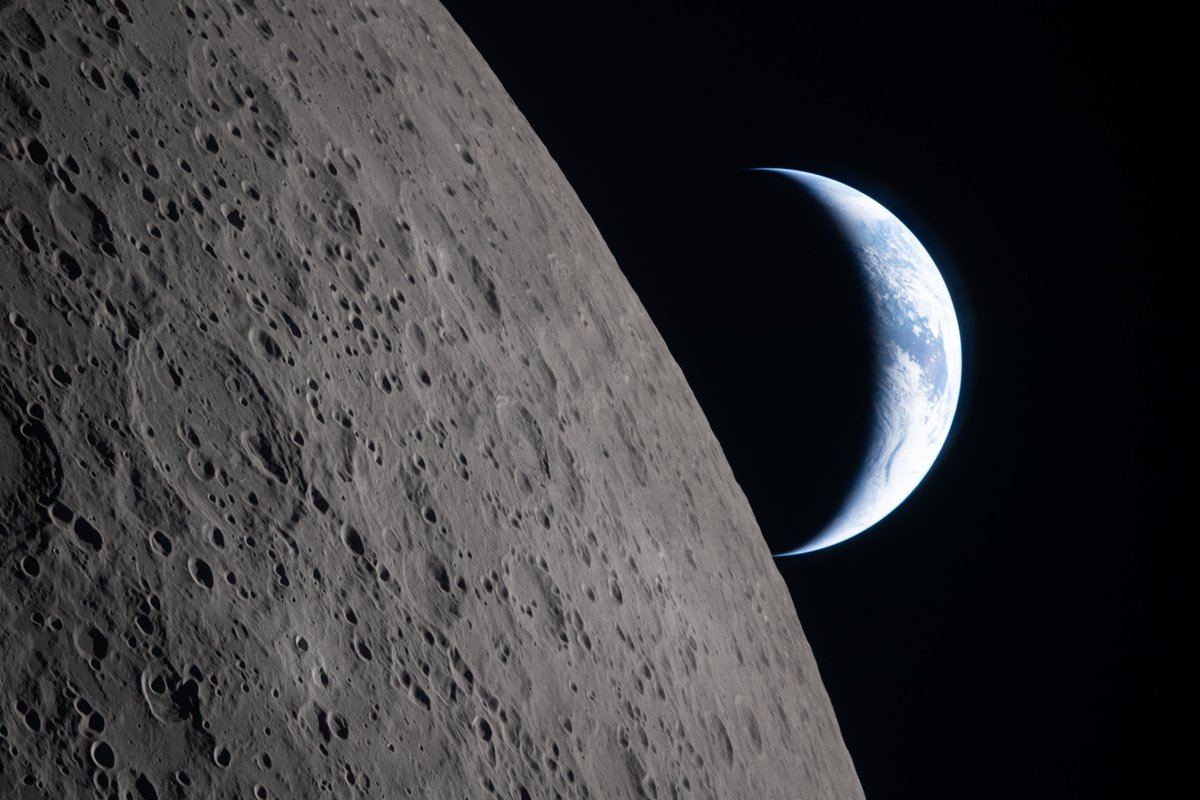
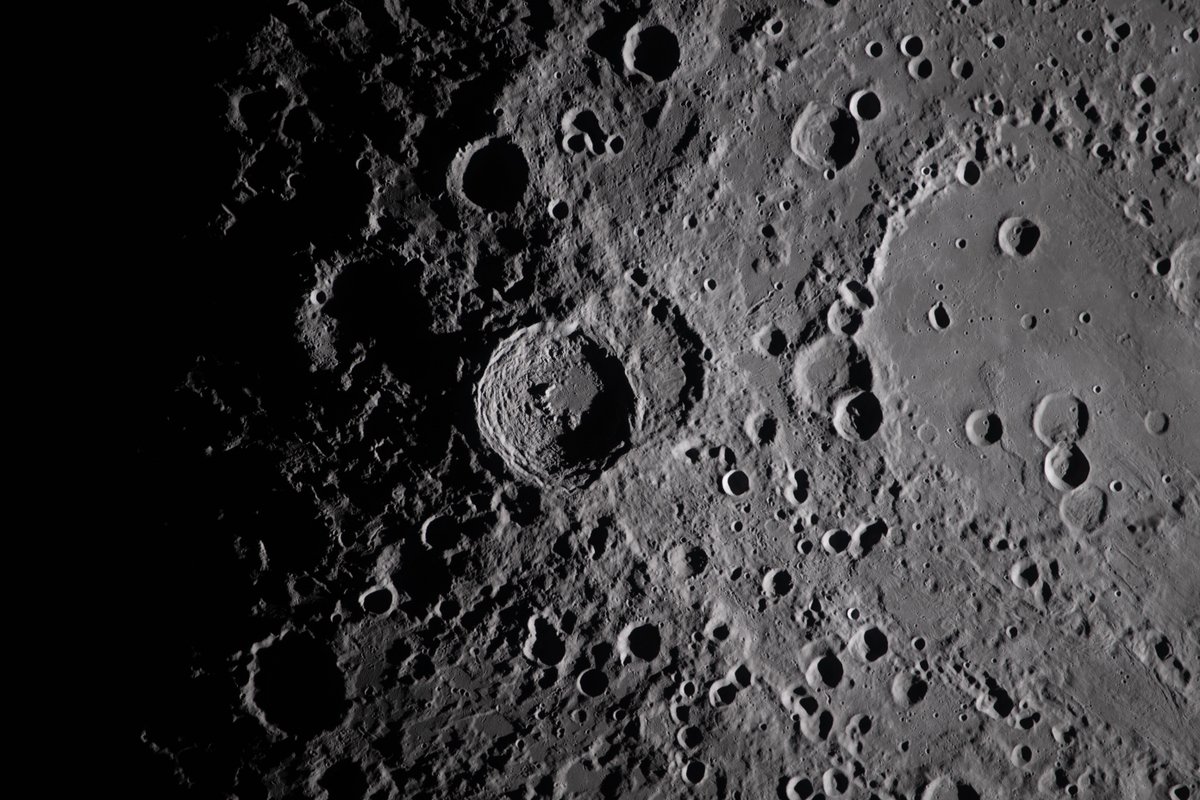
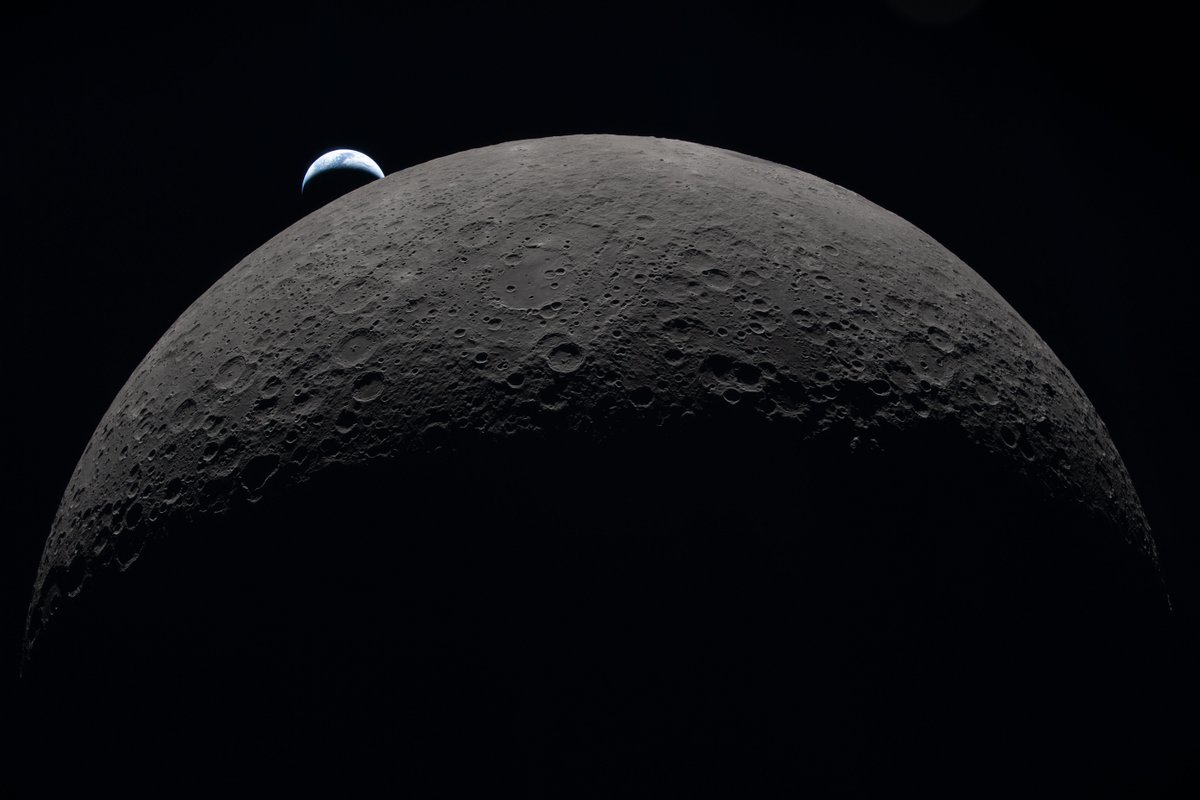
Hello, Moon. It’s great to be back.
Here’s a taste of what the Artemis II astronauts photographed during their flight around the Moon. Check out more photos from the mission: nasa.gov/artemis-ii-mul…
English

@TrumpFrance Après Trump, ton compte deviendra quoi, abruti ?
Français

🔴 URGENT - La Maison Blanche décrète le couvre-feu, ce qui signifie que le président Trump ne devrait pas apparaître publiquement pour le reste de la journée.
Toute autre rumeur n'est pas confirmée.
Français
Anthony_Dedo retweetledi


Anthony_Dedo retweetledi

Anthony_Dedo retweetledi
Anthony_Dedo retweetledi
Anthony_Dedo retweetledi
Obama was the worst thing to ever happen to America …. RT if you agree
English