

Mel Tan, Ph.D.
674 posts

Mel Tan, Ph.D.
@anthrobuzz
Anthropologist| Research Manager| Reader
Netherlands Katılım Nisan 2009
609 Takip Edilen92 Takipçiler
Join me every Thursday!
Slow Read Book Club: Chapter 1 - On the Experience of Moral Confusion, Debt the First 5,000 Years by David Graeber open.substack.com/pub/frontalobe…
Chapter 1 Online Meet-Up:
When: January 23, 2024 (Tuesday)
Time: 930 - 2030 (CEST Zoner)
Register: Link Below
English
We're starting 2024 with a new book!
Slow Read Book Club: Afterword, Debt the Last 5,000 Years by David Graeber open.substack.com/pub/frontalobe…
English
My Tech Stack: Reading The Atlas of AI by Kate Crawford
Can we ultimately refuse participation in AI systems? open.substack.com/pub/frontalobe…

English
A tiny Mesoamerican Republic against Spain! #Tlaxcallan is a rebellious place everyone needs to know. Plus a #Teotihuacan quiet revolution?!
Slow Read Book Club: Chapter 8 (Part 6) The Dawn of Everything by David Graeber and David Wengrow open.substack.com/pub/frontalobe…
English
Slow Read Book Club: I never thought I would have the problem of tackling too much archaeological data like in Chinese pre-history! The #Shimao pyramid is something else! open.substack.com/pub/frontalobe…
English
Amazing 2022 archaeological find in Sayburç Tepe in #Anatolia and what it means for #Neolithic #egalitarian societies.
open.substack.com/pub/frontalobe…
#Archaeology #Turkey #Patriarchy
English
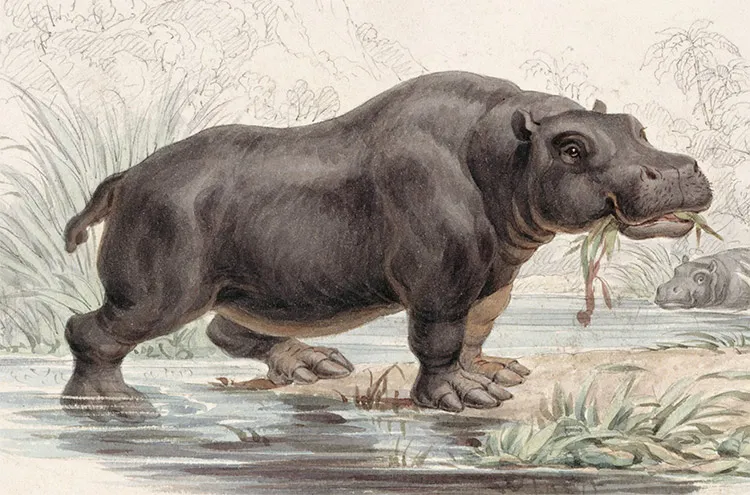
Did you know that there were hippos in the Thames and Sahara was a green belt 130,000 y.a.? I did not. But our Neolithic ancestors were busy advancing multiple agricultural strategies! Read more in Chapter 7 of #TheDawnOfEverything
frontalobe.substack.com/p/slow-read-bo…
English
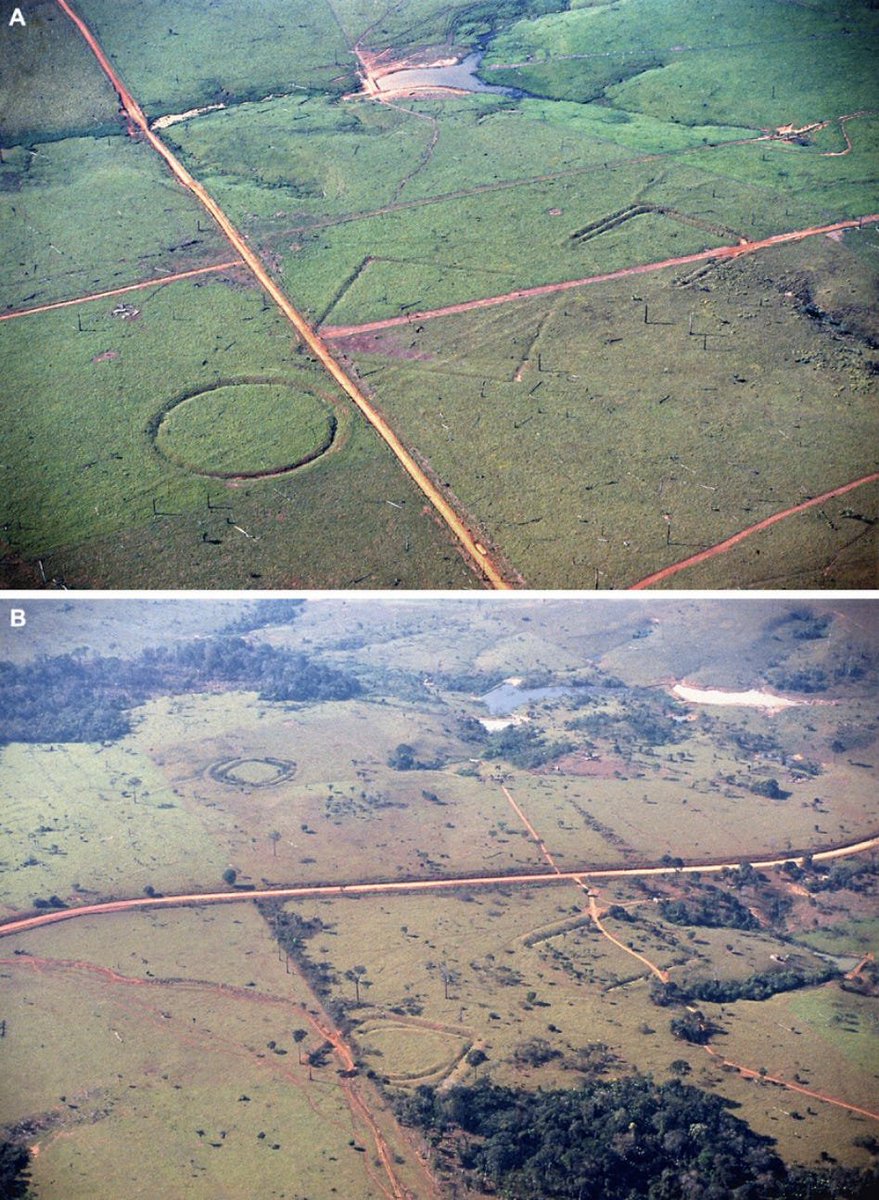
I was blown away about #Neolithic #Amazonia farming as early as 2,050 BC and designing networked #urban jungle settlements! Read more as I tackle, Chapter 7 of #TheDawnofEverything
open.substack.com/pub/frontalobe…
English
Will #DavidGraeber and #DavidWengrow succeed in finding alternatives to centralised forms of government? Catch up on #TheDawnofEverything frontalobe.substack.com/p/slow-read-bo…
English
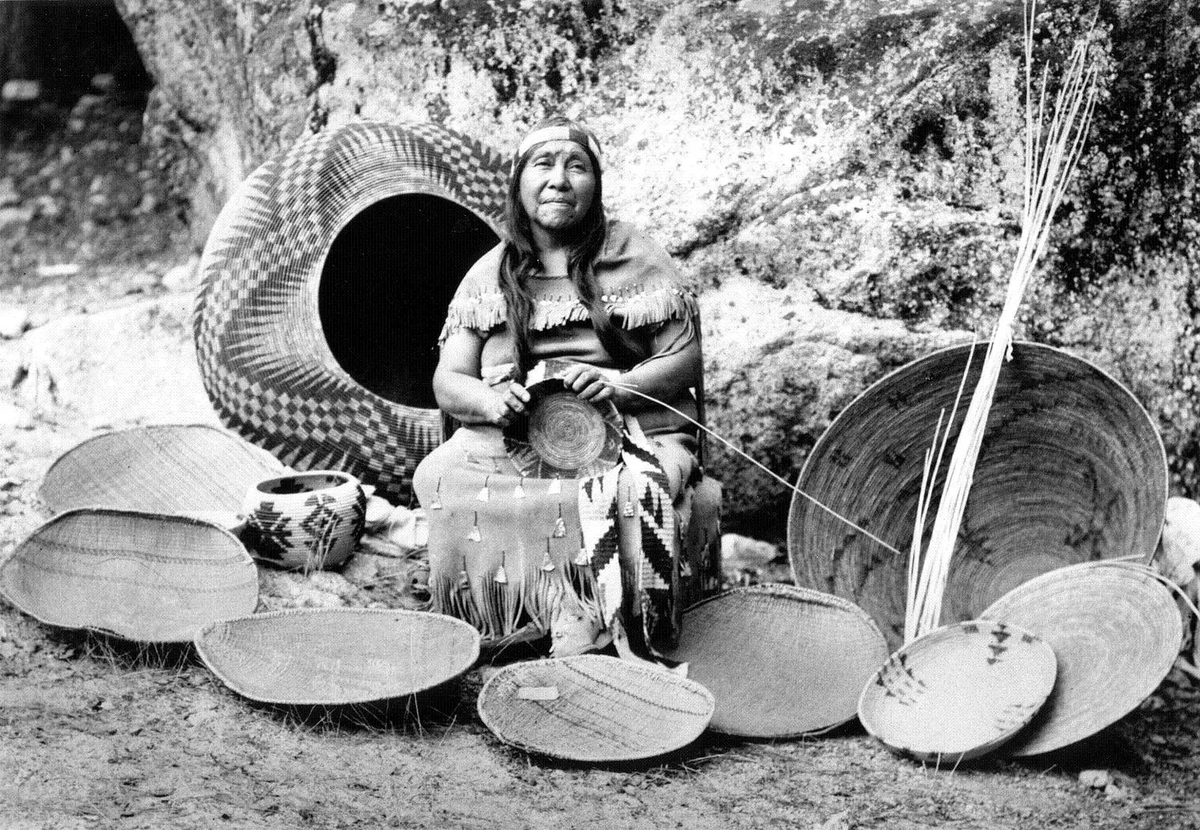
Meet Lucy Parker Telles (1885-1955), a Yosemite Indian, who wove fine basketry used for processing acorn, their staple food. Read more about how this technology contributed to anti-slavery on the West Coast.
frontalobe.substack.com/p/slow-read-bo…
English
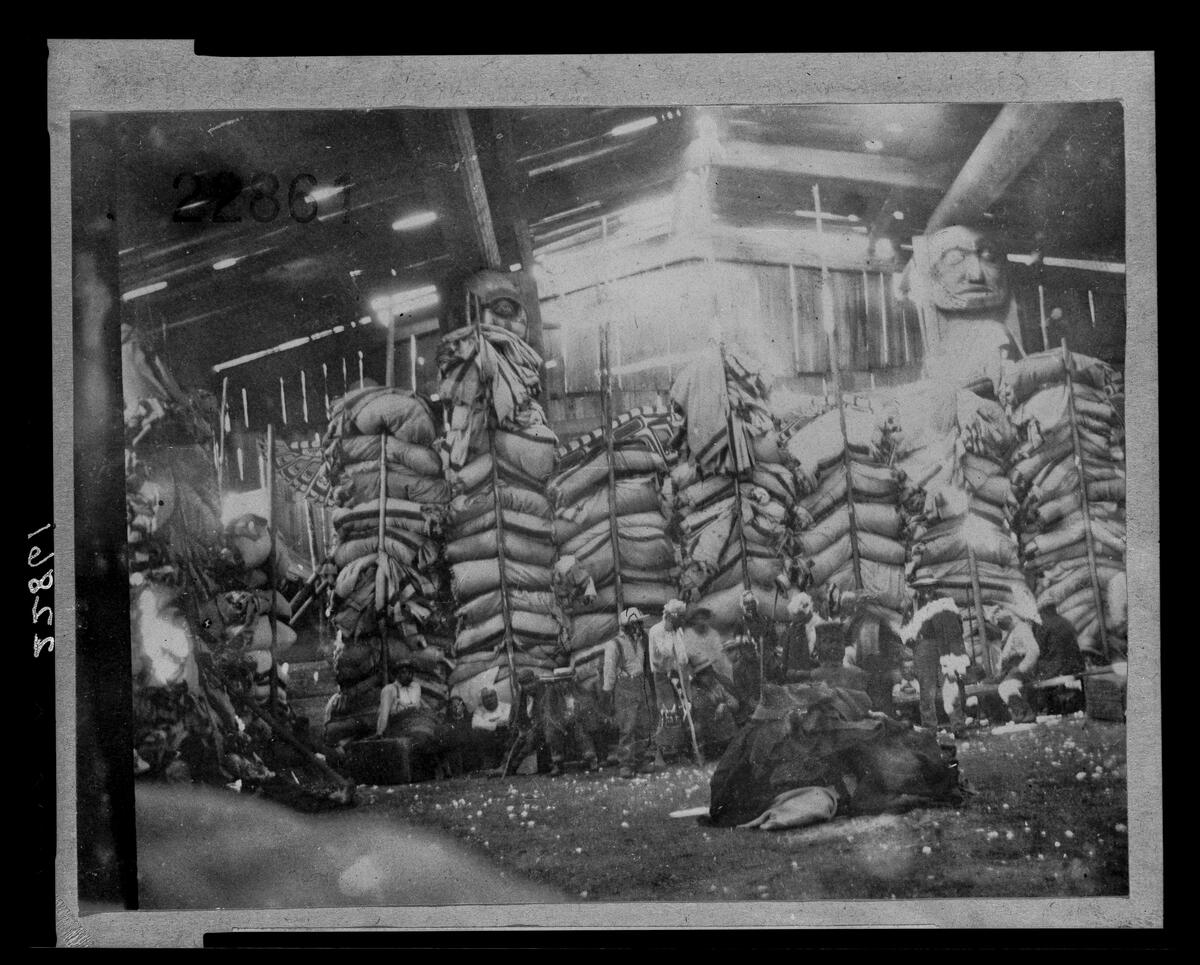
Potlatch among the Kwakiutl. Blankets are ready to be destroyed and distributed. From the digital collection of the American Musem of Natural History
English
How salmon and acorns led to slavery among the Northwest Coast and Californian First Nations. Out now! Slow Read Book Club: Chapter 5 Part 2, #TheDawnOfEverything by #DavidGraeber and #DavidWengrow open.substack.com/pub/frontalobe…
English
It's amazing how 3,000 - 9,000 people hauled about 239,000 cubic meters of soil to build Mound A in Poverty Point in about 90 days using only baskets?! Pretty wild for the #Paleolithic period!
#TheDawnofEverything #DavidWengrow open.substack.com/pub/frontalobe…
English
So I'm five hours behind schedule. When you don't make a draft early, just cut, and stop. Read all about cultural differences and the rise of violence, Chapter 5, Part 1 #TheDawnOfEverything from #DavidGraeber and #DavidWengrow. open.substack.com/pub/frontalobe…
English
@santiagoroel Agree! Web2 convenience and ease but web3 in the background. The problem is the biz model of web3 is anti thesis to web2. Mainstream adoption requires understanding the tech stack and obscure language but people just want better UX and something that works!
English

In 2018 we blamed the lack of infrastructure as the main roadblock to onboarding mainstream users to crypto.
Since then, the industry has made considerable progress on that front. So why haven’t we seen more adoption?
I think the cardinal sin of crypto has been that most interest has been tied to speculation: the financialization of “X”
Speculation is not bad, per se, but it does influence the user’s mentality to have a different set of expectations relative to Web2. A subset of users equate the value of Web3 services to the price of the token - which is inherently volatile in this early stage. That wasn’t the case in Web2.
Users always have a motive but they didn’t create an email account, social media profile, and used other internet services with that financial expectation in mind. Some realized along the way they could monetize (see influencers) but the vast majority of users don’t have this as top of mind.
The monetization model of Web3 is different than Web2 where most services are free to use and subsidized by owners who monetize by selling ads.
Most Web3 services are incentivizing users thru airdrops or some other reward mechanism. This may seem artificial growth but it’s an essential component for decentralization. Web3 protocols give users part ownership in the protocol through work tokens. The effectiveness of many these programs (ie retention of users) is questionable but it’s a structural issue. Philosophically, shared ownership is the main distinction between Web3 and Web2 where contributors (not just owners) are equitably compensated for their contributions.
Ultimately, crypto platforms and services are a departure from Web2 monetization models. The user is also an owner but that introduces a new mental overhead leaving a subset of users too fixated on price.
That’s not to say this will impede Web3 from reaching mainstream. In spite of all the experimentation and perhaps lack of mainstream adoption, my hypothesis still is that Web3 platforms stand to create greater utility/consumer preference to convince users to switch to this new model.
But you could argue this new model introduces noise and leaves some users disappointed given the volatility in price of tokens, which leads to churn.
I’m optimistic the underlying value proposition of crypto will resonate with consumers and builders. Given the choice of using a Web2 vs a Web3 platform, creators should prefer the one where they are compensated more equitably. Better content attracts more users, and the growth flywheel is set in motion.
Games are another promising area but much less developed today. Web3 games that are at feature parity with Web2 games like WoW and COD will take a lot of time to build. Is it possible? Yes, and my bet is that talented builders will continue to enter the space. Smart people prefer to build in open source communities vs closed ones. That’s another fundamental thesis of why Web3 will thrive.
So what’s the point of this rant? I’ve been thinking of the catalysts that take us mainstream - the “email moment” of crypto. Maybe I’m naive and it’s already here: stablecoins. But adoption - at least in terms of # of users - is not where I think it should be to classify it as mainstream.
Infrastructure is not to blame this time. So what is it? Clunky front ends? Regulatory uncertainty? Too much financialization?
I think easier onboarding (on-ramps) and key/wallet UI/UX (account abstraction) may take us to the promise land where users start using crypto applications without realizing it or having to change and learn new behavior (Web2 flow with Web3 on the backend).
Maybe we’re still too early and more infrastructure is needed. We won’t know if that’s the case until a spike in demand tests the capability of these protocols.
In short, it’s tough to pinpoint why we haven’t reached mainstream and when we’ll get there. We’re not there yet but I think we’re not far. It’s always darkest before dawn 🌅
English
@drjessmaddox The work of Sam Ladner on Mixed Methods: A Short Guide to Applied Mixed Methods Research is compact and combines how-to's and reflection when you mess up! This is an example of a workshop format we're having at EPIC this September 19 using this book: 2023.epicpeople.org/learning-netwo…
English
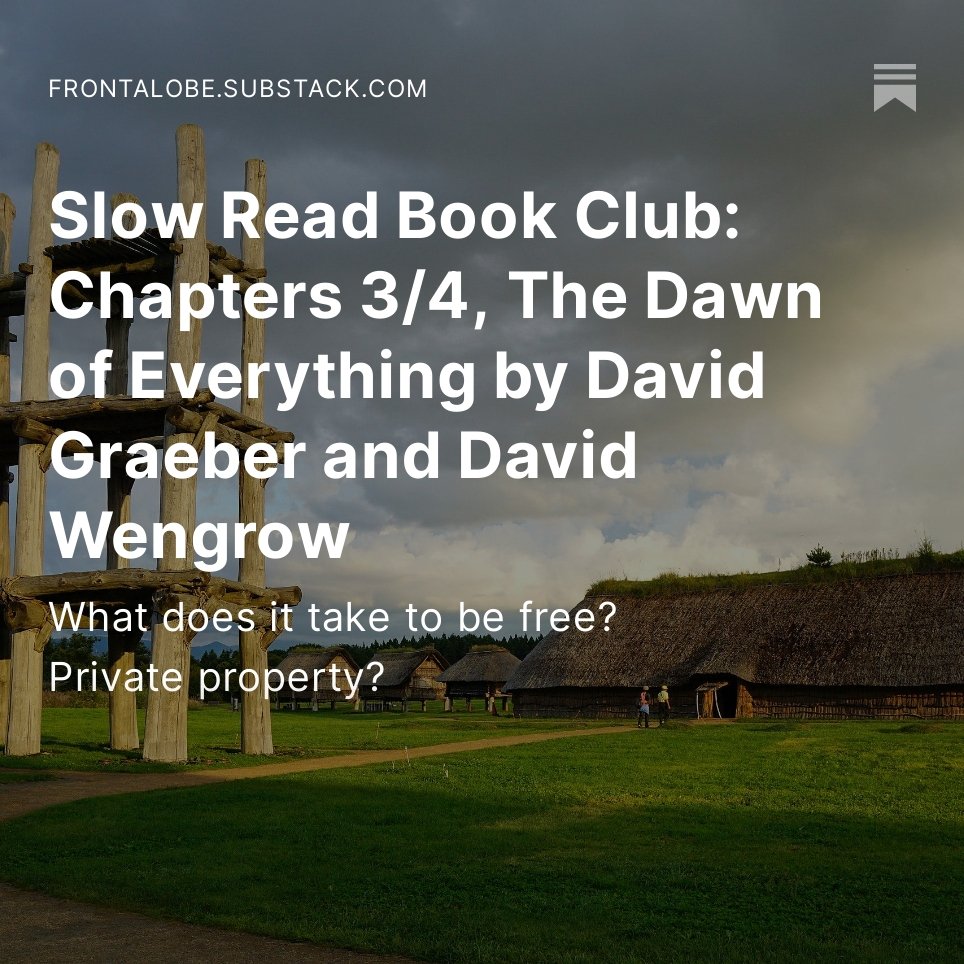
How did ancient man build monuments without central control? The discussion dives deep into the ancient political culture! Chapter 4 of #DavidGraeber and #DavidWengrow #TheDawnOfEverything is out now.
frontalobe.substack.com/p/slow-read-bo…
English
Read Chapter 3 of Graeber and Wengrow's #TheDawnOfEverything accompanied by episode 5 of Netflix's #AncientApocalypse. (Gobleki Tepe in HD!) How can you reinterpret Graham Hancock's perspective? open.substack.com/pub/frontalobe…
English