Jack Hirsh@JR_HIRSHey
After a buzzy, nearly two-month pre-seeding on global tours, Titleist is pulling back the cover on its latest metalwoods.
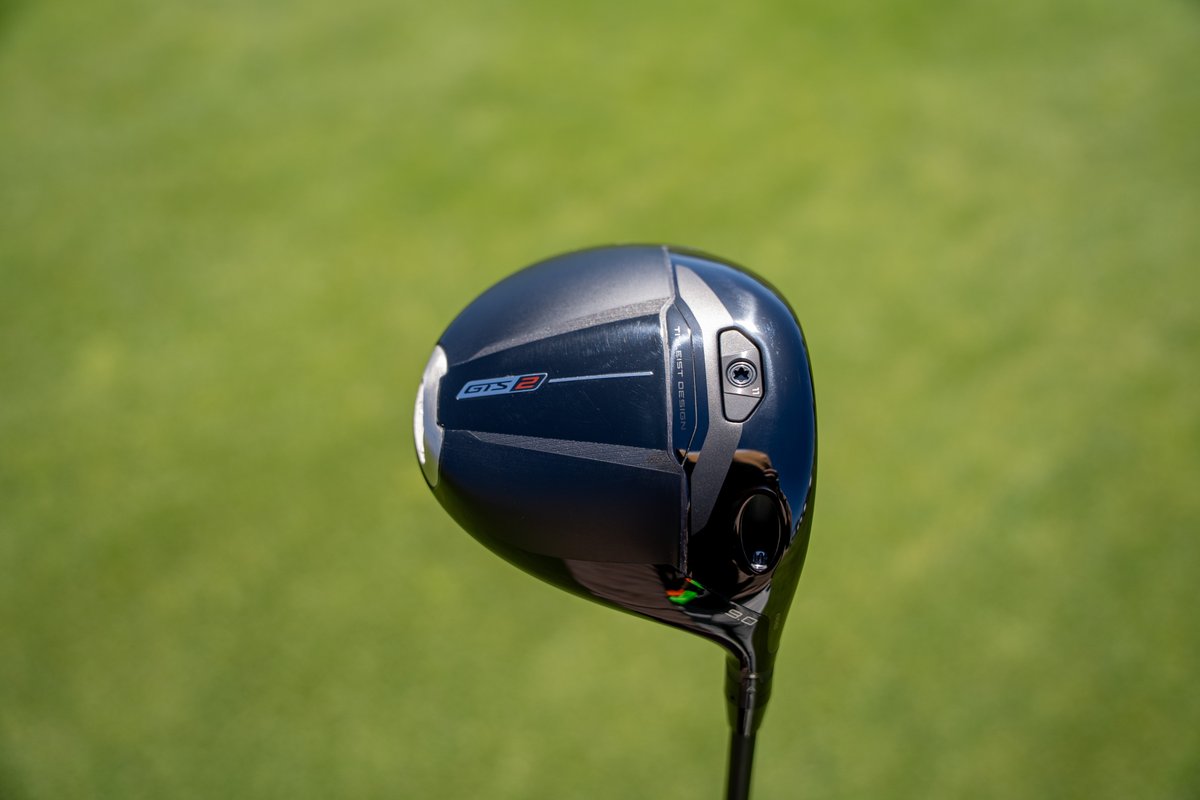
The new GTS2, 3 and 4 drivers along with GTS2 and 3 metalwoods are the most adjustable club line ever from Titleist, thanks to increased use of Titleist's Proprietary Matrix Polymer construction.
Building on the "Generational Technology" name from the previous generation of GT metalwoods, the "S" in GTS adds "Speed" and "Stability" to the mix.
Splitting it up
Titleist's GT drivers introduced the company's Proprietary Matrix Polymer for the crown of the driver. For GTS, Titleist leveraged the material to make up 60 percent of the driver's surface, dramatically removing weight from the middle of the head.
Despite taking up 60 percent of the surface area, the PMP material takes up just 13 percent of the driver's mass, allowing designers to re-allocate that mass to the front and back of the head.
Syncing up speed
To add the "speed" component of GTS, Luttrell and the metalwoods team took aim at aerodynamics and the face of the driver.
All three driver heads have new aerodynamic shapes to help reduce drag and get the club to move faster through the air. On GTS2 and GTS3, the tail end of the club is raised to keep airflow closer to the crown.
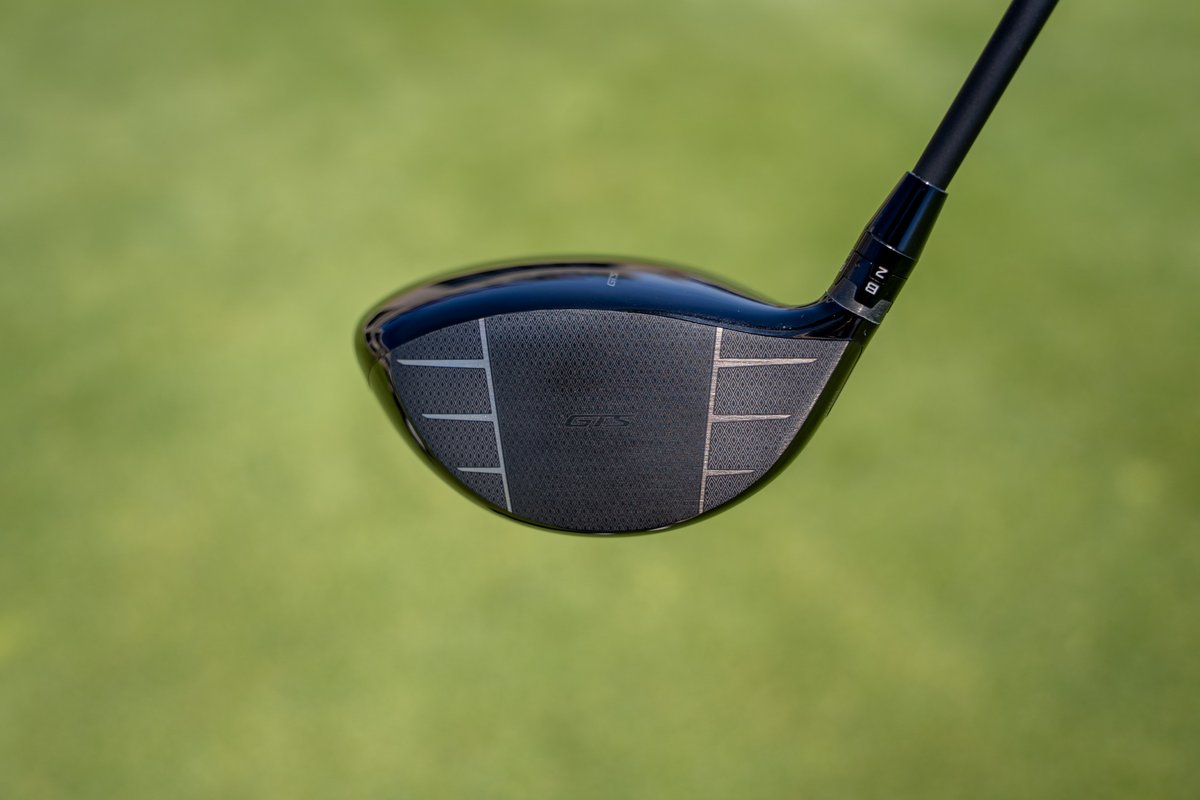
When it comes to the face, Titleist has morphed the Speed Ring of the previous generation into the new Speed Sync Face construction.
With Speed Sync, the top of the speed ring has been removed, allowing the top of the face to flex more. This is important because as driver faces have gotten taller, players have responded by hitting the ball higher up on the face.
More adjustable (and fittable) than ever
With the ability to precisely control CG positions in each head, Titleist has created a CG spectrum in which none of the drivers overlap. Each driver now has the ability to move CG forward and aft for the first time.
With the heavyweight in the rear, the GTS2 is the most stable and highest launching driver in the lineup, as in years past. While moving the heavyweight to the forward position moves up the CG position, increasing speed and lowering spin, it doesn't meet the CG position of the GTS3 with its heavyweight in the rear position.
GTS4 has also become a much more useful fitting tool, having been increased in size to 460 cc. Now players can still get the low spin and forward CG performance from the "4" model, but they don't have trade forgiveness. Luttrell said the new "4" is just as forgiving as the GT3.
Brighter face = better strike
The GTS fairway wood line also benefits from an increased use of composite material in the crown that wraps around the sides of the clubhead.
There are two distinct shapes, with the GTS2 being a choice for players who like shallower-faced fairway woods like the last generation's GT1 fairway wood, which proved popular on the PGA Tour. The GTS3 is both more compact and has a deeper face.
But the most striking difference is the new high-polish silver faces on the fairway woods, which are designed to promote the player covering the ball more effectively. The silver face appears to show more loft to most players.
Price, Specs and Availability
Titleist's new GTS drivers and fairway woods are available for pre-order starting May 13 and will arrive at retail locations on June 11.
Each driver will cost $699 with one of Titleist's featured shafts (Project X Titan Black, Mitsubishi Tensei 1K White, Blue or Red w/ Rip Technology) or $899 with one of their premium featured shafts (Graphite Design Tour AD DI, Tour AD VF, Tour AD FI).
GTS fairway woods cost $399 with the featured shafts and $599 with the premium feature shafts.