apas

40.7K posts

apas banner
apas

apas

@apas

ƒ’(tech), finance, global macro. Own the finish line. קֹהֶלֶת

London, UK Katılım Haziran 2008
1K Takip Edilen3.1K Takipçiler
apas
apas@apas·
@IronChevsky Valentini and Giacosa are on a category of their own. Truly remarkable.
English
0
0
1
32
Gary “Iron” Chevsky
Gary “Iron” Chevsky@IronChevsky·
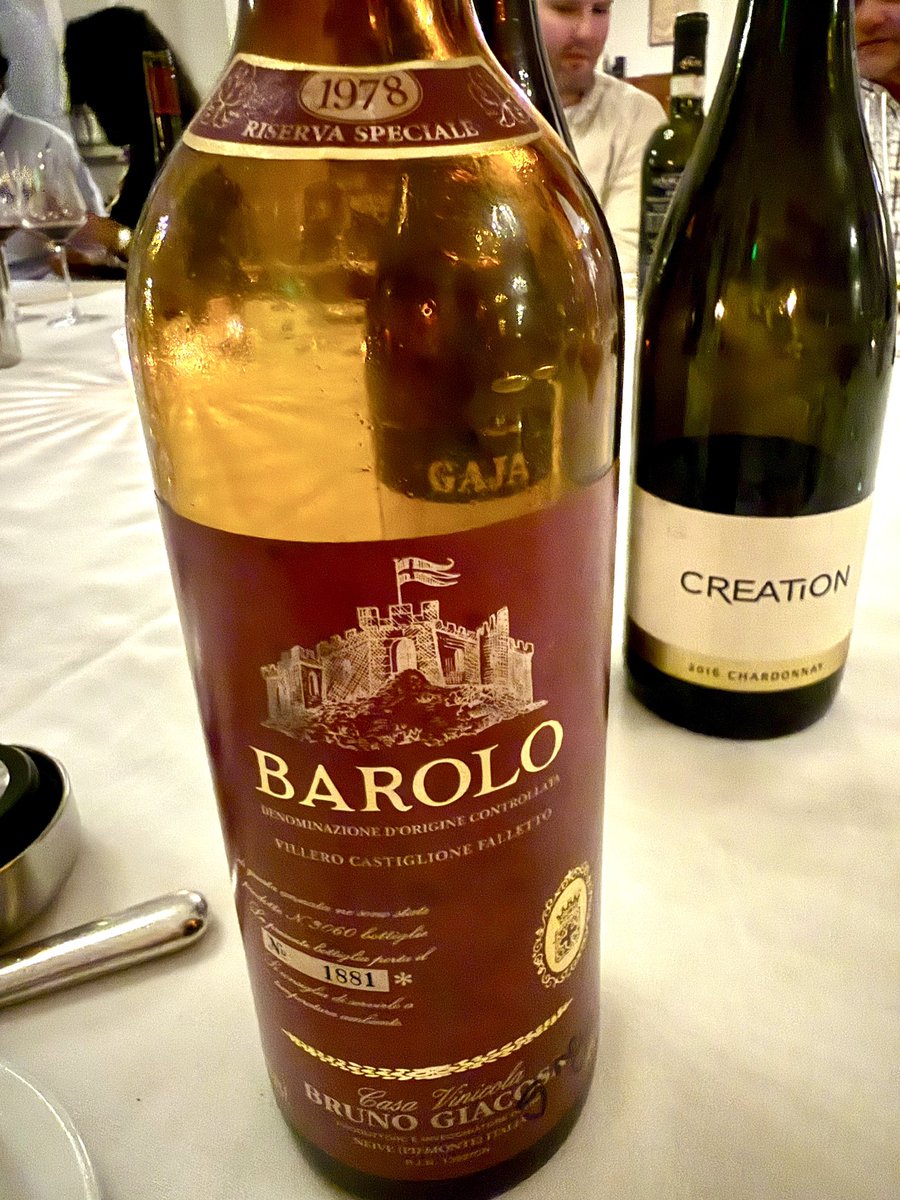
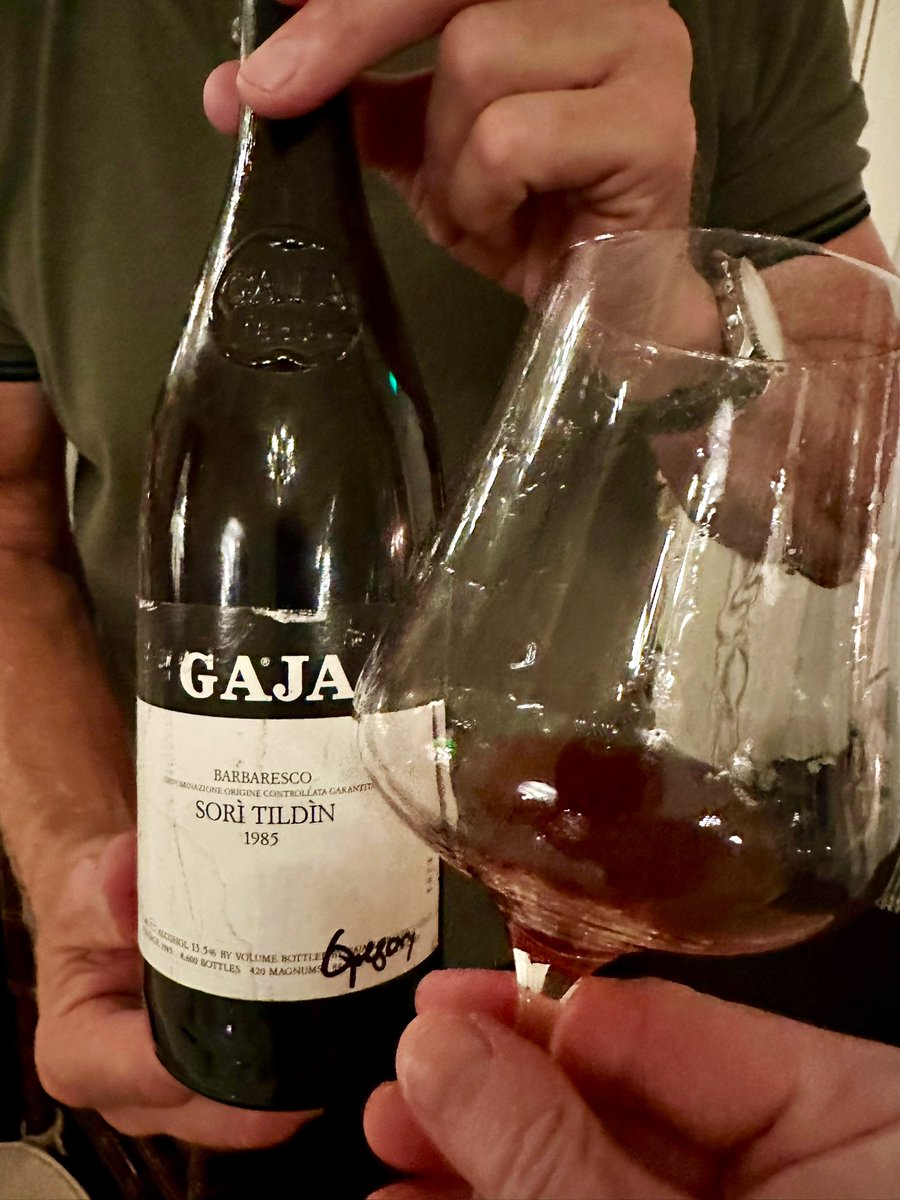
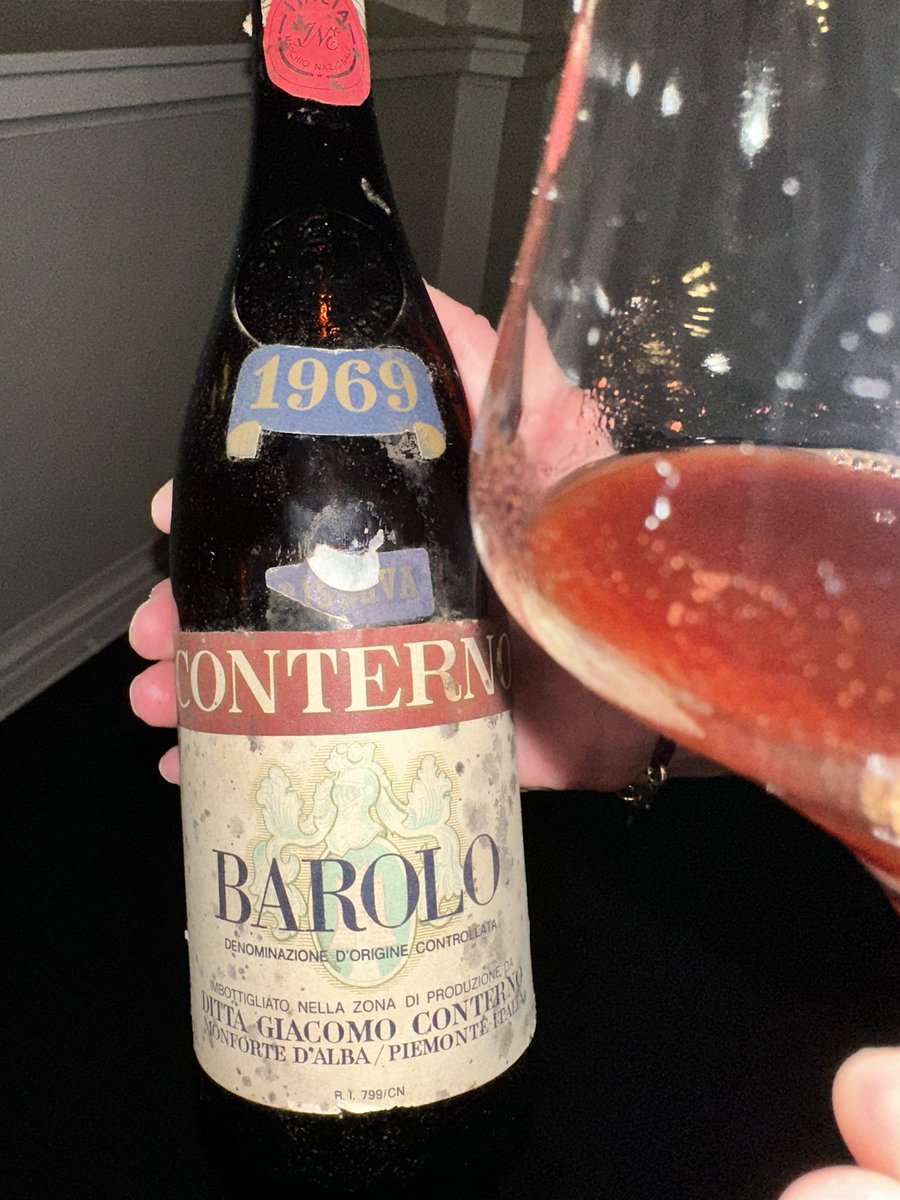
There’s something deeply emotional about great wines at full maturity — when structure has fully resolved into silk, when everything turns seamless, suave, almost other-worldly… even if the flavors themselves are fragile and fleeting. This wasn’t just an “old wines” dinner — it was a study in how structure resolves. The best wines didn’t show more flavor — they showed less friction. Many great regions can achieve this — Burgundy, Bordeaux, Rhône, Rioja, even Aglianico — but on this night, Nebbiolo stood out, with Rioja (my favorite Spanish region) not far behind. Quick highlights for me: Giacosa Barolo Villero 1978, Conterno Barolo 1969, Flaccianello 2006, and Viña Monty Gran Reserva 1970 — all showing that rare combination of completeness, texture, and effortless balance. Dinner at the French Club, SF. Classic setting, excellent food, serious bottles. Theme: 2016 and older, non-France / non-USA. Piedmont led. Giacosa Barolo Villero 1978 (red label) — from a great Nebbiolo vintage and a structured Castiglione Falletto cru. Wine of the night — fully resolved, perfectly balanced. Conterno Barolo 1969 — traditional Serralunga (likely early Francia sourcing). Darker, firmer, more powerful. Giacosa Barbaresco Rabajà 2001 — benchmark site and vintage; still structured but precise. Giacosa Barolo Le Rocche 2004 (magnum) — classic year, but still very young in magnum. Gaja Barbaresco & Sorì Tildìn 1985 — excellent, more polished, slightly less pure. Cavallotto 2010 — good but not ready. Marchesi di Barolo 61/67 — powerful but less refined. Central Italy showed range. Flaccianello 2006 (Fontodi) — from Panzano’s Conca d’Oro. 2006 a strong vintage; initially structured, but with air turned silky and complete. A reminder Sangiovese can age when done right. Paolo Bea Pagliaro 2010 — benchmark Umbrian producer. Still young, long arc, already showing depth and identity. Sassicaia 2014 — classic, balanced, but didn’t stand out here. Ornellaia 2003 — rich, hot vintage, a bit heavy. Dal Forno Valpolicella 2000 — powerful yet pure, dark and cocoa-driven. Whites were excellent and intellectually engaging. Valentini 2016, LdH Blanco 2012, Keller 2014, Dönnhoff 2011, Schmitt-Wagner 2001 — all serious wines. But in the end, the reds still ruled. Sparkling: Ca’ del Bosco Annamaria Clementi 2015 — rich, impressive, more power than precision. Other highlights: Creation Chardonnay 2016 (Hemel-en-Aarde) — cool-climate, ocean-influenced, precise and textured. A real eye-opener. Emidio Pepe 2003 — good, but didn’t justify the hype on this night. Rioja showed beautifully — and differently: Viña Monty Gran Reserva 1970 (Montecillo) — silky, harmonious, fully resolved. Bordón Gran Reserva Especial 1970 — fresher, more energetic, less charming but very alive. Tons more on the table I didn’t even get to.
Gary “Iron” Chevsky tweet mediaGary “Iron” Chevsky tweet mediaGary “Iron” Chevsky tweet mediaGary “Iron” Chevsky tweet media
English
5
2
27
706
apas
apas@apas·
@Manners15 The Clos des Lambrays has been simply spectacular. Complex, layered, and an immensely long finish.
English
1
0
2
94
Manners
Manners@Manners15·
Not really wine influencer wines.
Manners tweet mediaManners tweet media
English
4
0
26
2.1K
apas retweetledi
laurence
laurence@functi0nZer0·
Claude, repair the LNG facilities before market open, make no mistakes
English
116
1.8K
24.1K
630.6K
apas retweetledi
soli
soli@solisolsoli·
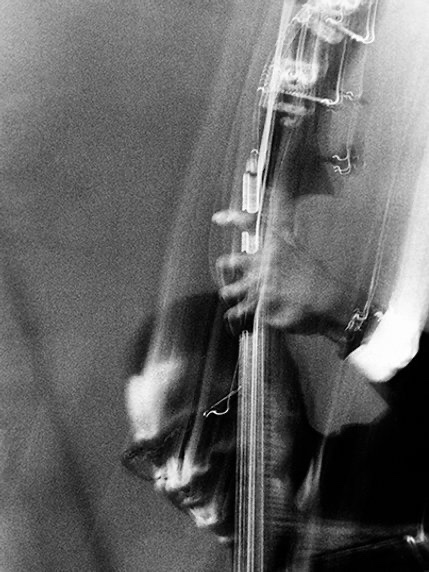
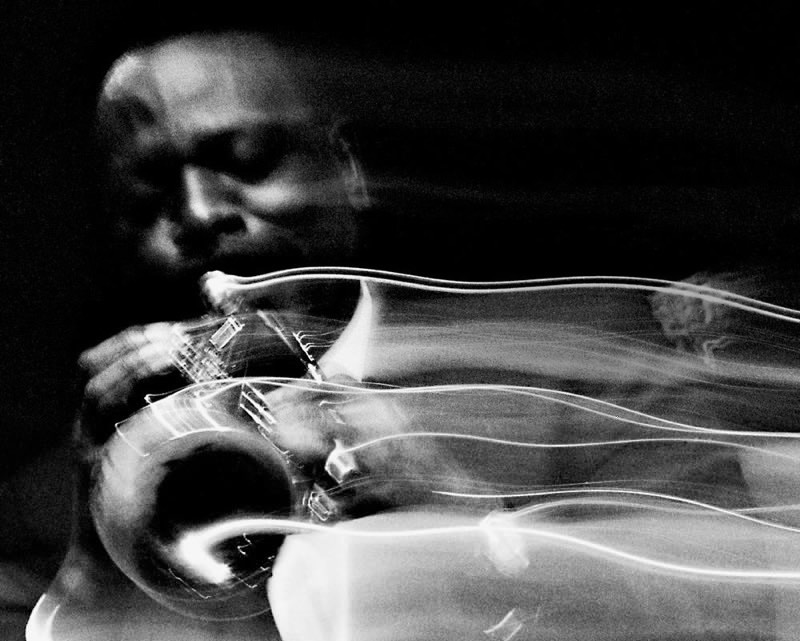
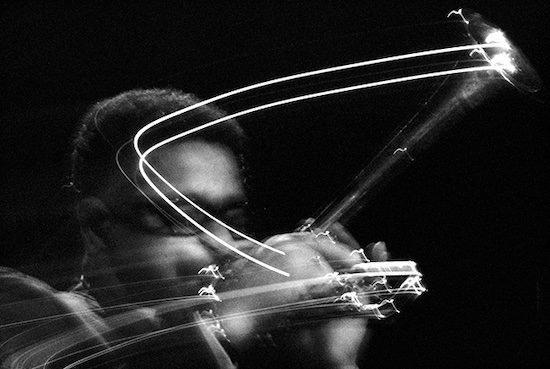
The speed of jazz music, 50s-60s, by Francine Winham
soli tweet mediasoli tweet mediasoli tweet mediasoli tweet media
English
12
2.5K
12.1K
195.5K
Josh Wolfe
Josh Wolfe@wolfejosh·
His answer of most important body of water 2,000 yrs ago: Mediterranean 200yrs ago: Atlantic 20 yrs ago: Pacific Now: Indian Ocean 20 yrs from now: Mediterranean* *mideast trade, IMEC, natural gas, more
English
8
2
52
15.7K
Josh Wolfe
Josh Wolfe@wolfejosh·
1/ A sage Asian geopolitical billionaire friend gives me thought-provoking socratic puzzles to solve One of my favorites is this: What is the MOST important body of water at each time: 1. 2,000 years ago? 2. 200 years ago? 3. 20 years ago? 4. Today? 5. 20 years from now?
English
42
18
319
153.2K
apas
apas@apas·
Kalanick’s commitment to “excellence of process” builds on Cage’s rule seven: The only rule is work. The people who do all of it all of the time eventually catch on to things. You can fool the fans--but not the players.
English
0
0
1
178
Jeff Weinstein
Jeff Weinstein@jeff_weinstein·
there's 2012 SoLoMo energy out there right now in techland
English
5
2
41
4.6K
apas retweetledi
John Vining
John Vining@__vining·
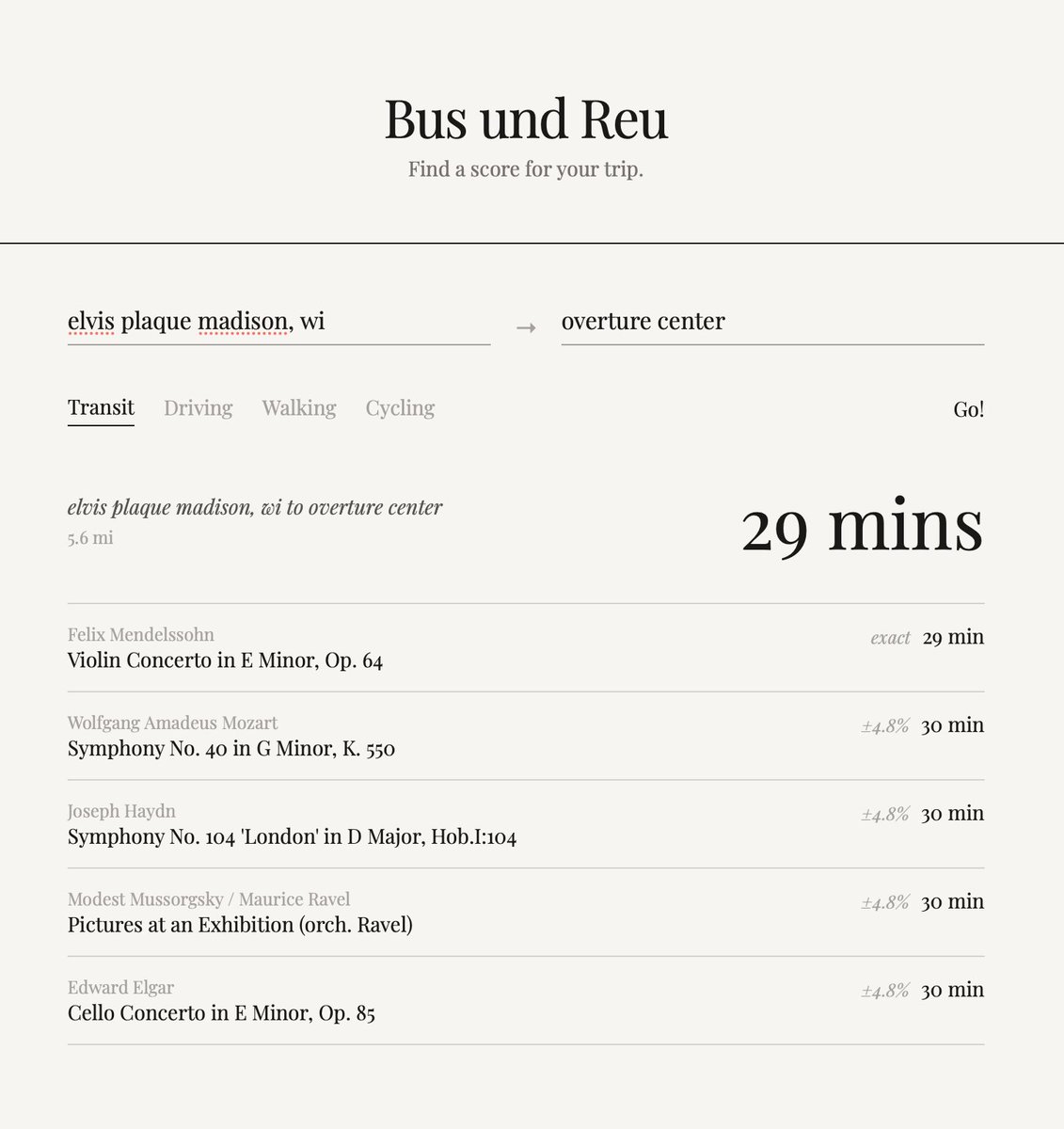
Introducing a new, stupid website to find a piece of classical music whose duration most closely matches that of your next trip. busundreu.com
John Vining tweet media
English
59
1.6K
12.6K
450.9K
apas retweetledi
Peter McCrory
Peter McCrory@PeterMcCrory·
This is an extremely important point and touches on some of the most important questions to tackle: What new work may emerge? And how fast? And how do we support those contending with disruption during the transition?
Brendan McCord 🏛️ x 🤖@Brendan_McCord

Mockup of how would @AnthropicAI's new labor automation chart would've looked 200 years ago. For our ancestors, the outer ring would be almost unrecognizable. "Computer & math" was nonsensical. Medicine and law were tiny and barely professionalized. The first photo was just about to be taken, so it would have been unfathomable to have a single blockbuster gross more than the entire gross national product of that period. "Office & admin" barely existed as a concept; counting-houses employ a tiny literate class. Agriculture alone consumed maybe 70-80% of the labor force in the US. There was a thick band of artisanal trades that don't map onto any single modern category: coopering, blacksmithing, weaving, tanning, milling. Clergy was a major professional category and Maritime labor was its own significant sector.

English
85
167
2.1K
1.1M
apas
apas@apas·
I amar prestar aen. Han matho ne nen. Han mathon ned cae. A han noston ned gwilith.
CY
0
0
0
130