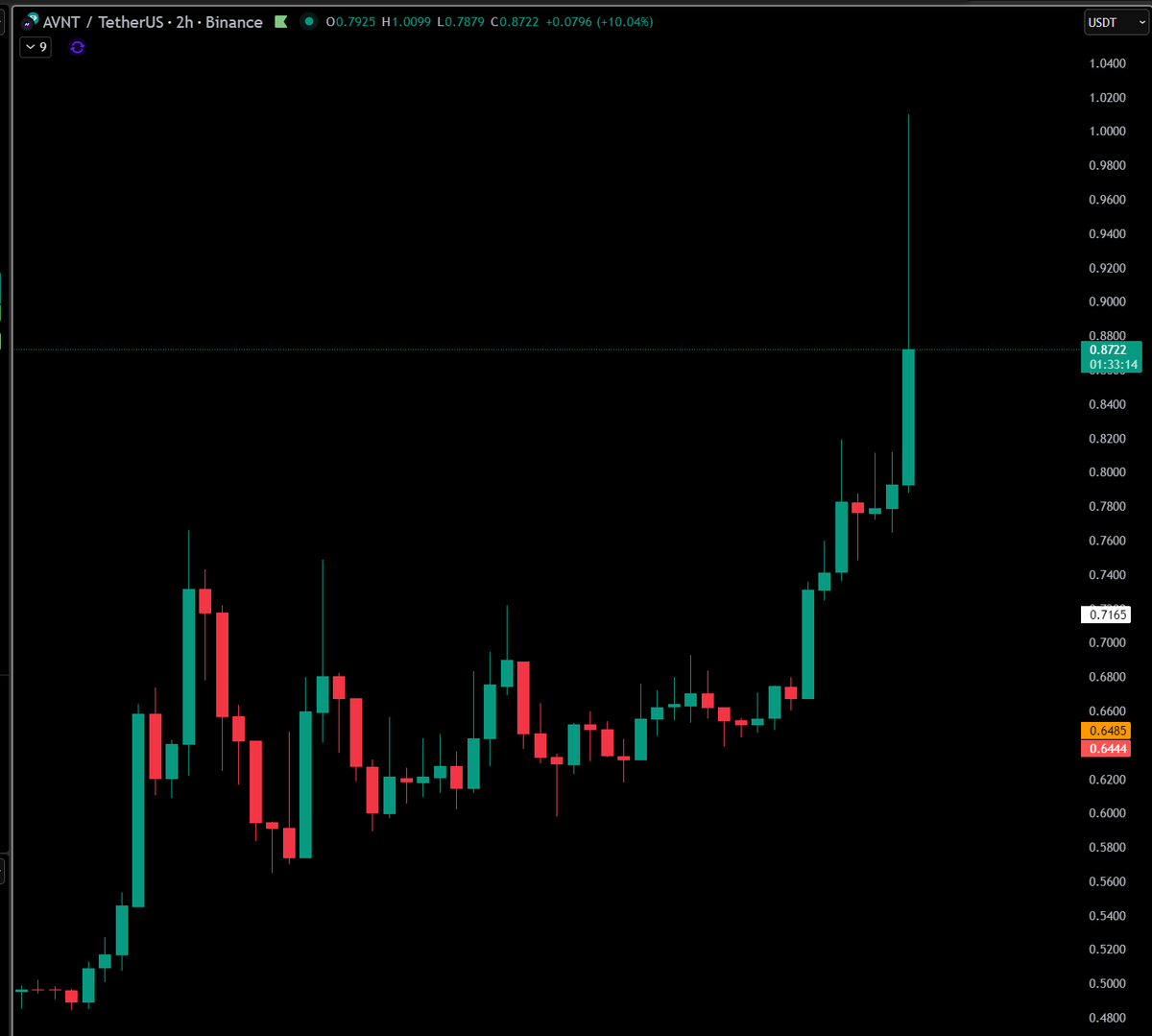
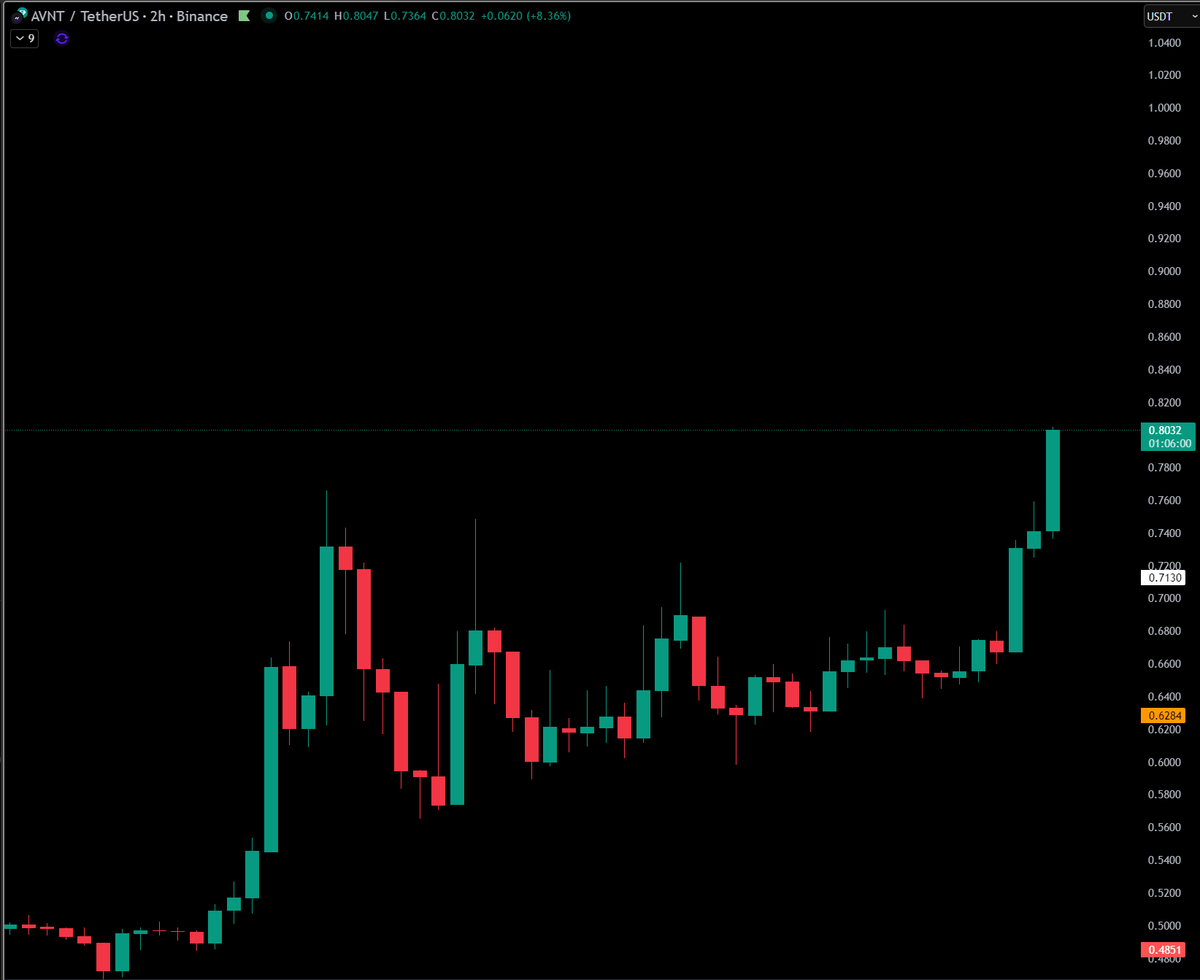
I just claimed Bitcoin Block #264,803 on @NATdotfun! 🟧
The new era of digital substance is here.
nat.fun/?refId=dfc3e06…
English
Commander A
4.4K posts

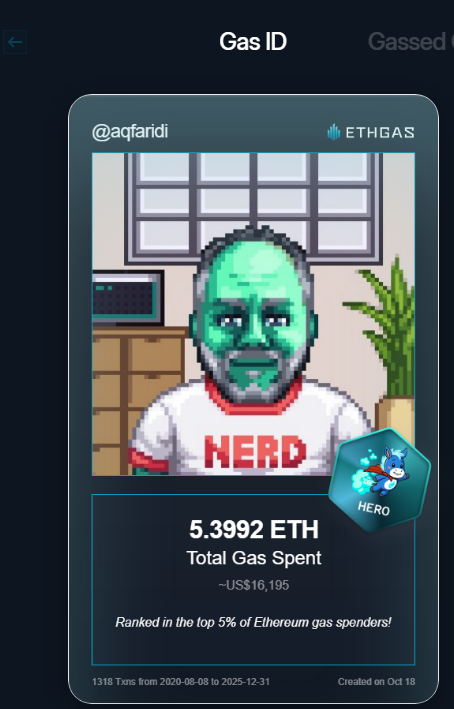
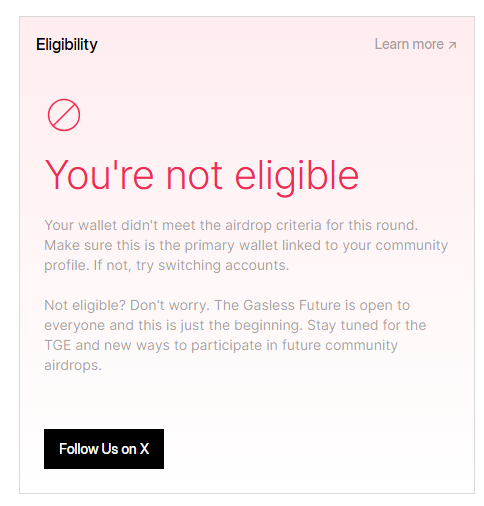
Just unlocked my Gas ID via ETHGas 🪪 I'm a Hero Jack with 5.3992 ETH spent on gas since Beacon Chain - now fueling my climb to the Gasless Future and earned 3500 Beans already. Reveal yours at ethgas.com/community/gas-…


Given strong initial interest, the pre-allocation cap for Cascade’s Liquidity Strategy (CLS) will be raised to $2M on Tuesday, Jan 6th at 12pm ET. This is the next opportunity for eligible users to earn Cascade rewards ahead of trading going live.


Given strong initial interest, the pre-allocation cap for Cascade’s Liquidity Strategy (CLS) will be raised to $2M on Tuesday, Jan 6th at 12pm ET. This is the next opportunity for eligible users to earn Cascade rewards ahead of trading going live.



Privacy matters – Difference between TEE, ZK, MPC and FHE Everyone is talking about Privacy on-chain these days, and a lot of cryptographic terms are discussed. As co-inventor of ZK STARKs (post-quantum secure ZK systems) I’ll explain these technologies, what they’re good for, and their limitations. This is a long explanation, so today we'll start with TEE: TEE stands for Trusted Execution Environment. I think of TEE as an attempt to solve the problems of Privacy and Integrity, but they have a serious Trust problem. Let's dive in 🤿 TEE - what is it exactly? - A TEE is like a computer that’s hidden inside an enclave (a place that no one can look into). - You send it information using a public key system, meaning everyone can send it encrypted data - Then, it can decrypt that data, process it with integrity, encrypt it back, sign it for integrity, and send it back to you (in encrypted form). In theory, it’s a bit like having a direct encrypted line to God, or to some trustworthy machine, and you ask it what to compute, and it does that without leaking any information, hence, you get privacy. The problem: This holds only in theory. Why? The mentioned enclave is a physical chip that sits inside a computer. Whoever is in possession of that computer and running it can mess around with the TEE and get it to leak information it's not supposed to. So the privacy you’re guaranteed by the brochures isn’t as tight as you’d think. The bigger problem: (aka the problem that implies you should never trust a TEE for running a truly decentralized blockchain) For a certain amount of $ someone (think Lazarus group) can extract the keys that a TEE uses to (a) decrypt your messages and (b) sign on the integrity of the computation it performs. Once the bad guys have this key, they can sign on *any* payload and also read your messages. It’s unlikely they’ll do this from afar to the TEE on your smartphone or laptop, which is why you can use it for your own wallet and for small sums. But, and this is the important part, you cannot have a consensus system relying on TEE for trust. So: TEEs can be used on end-user devices for securing small amounts of money, and they are OK as security theater, when there’s a central operator that you rely on (but in this case the system is better off acknowledging there’s a central party running it, and that it's not decentralized). TEEs cannot serve truly decentralized blockchains. Next time: ZK The END