ARABIQA 🇵🇸

1.1K posts

ARABIQA 🇵🇸 banner
ARABIQA 🇵🇸

ARABIQA 🇵🇸

@arabiqa

Arabiqa is an account dedicated to Arab history and civilization. | Posting a lot on continuity between pre-Islamic and Islamic Arab history.

Katılım Temmuz 2021
65 Takip Edilen2.9K Takipçiler
Sabitlenmiş Tweet
ARABIQA 🇵🇸
ARABIQA 🇵🇸@arabiqa·
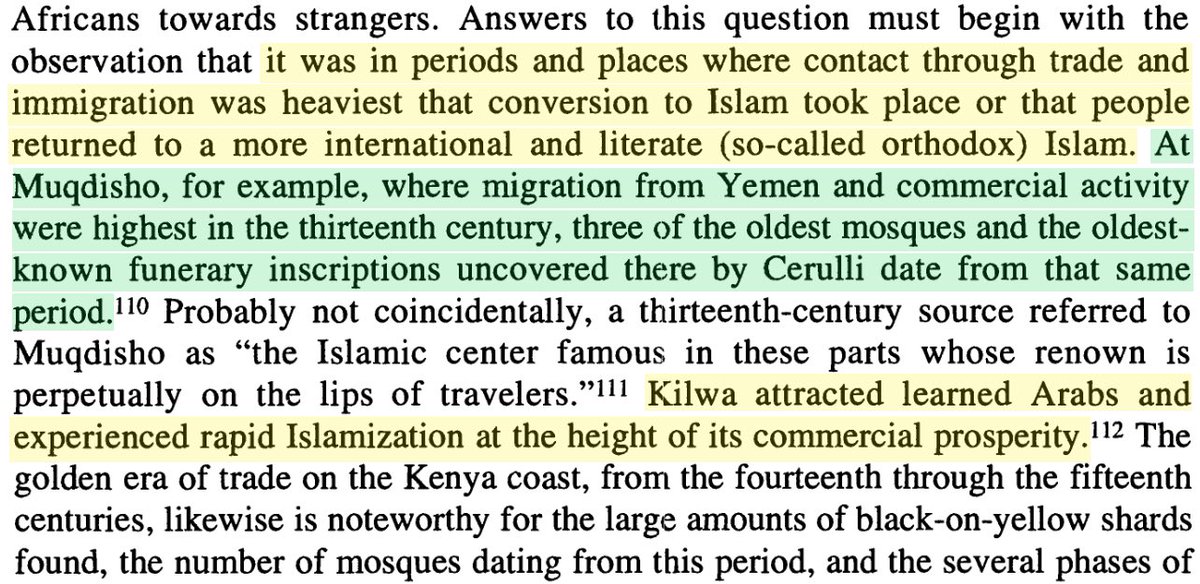
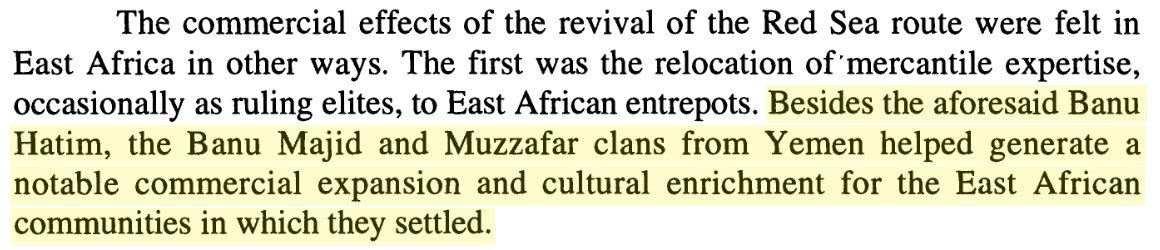
Kilwa is one example: with the guidance of a Yemeni merchant tribe, the Muzzafar, it became a major trading hub of the Swahili coast. The city attracted learned Arabs and experienced rapid Islamization at the height of its commercial prosperity, thanks to these migrations.
ARABIQA 🇵🇸 tweet mediaARABIQA 🇵🇸 tweet mediaARABIQA 🇵🇸 tweet media
ARABIQA 🇵🇸@arabiqa

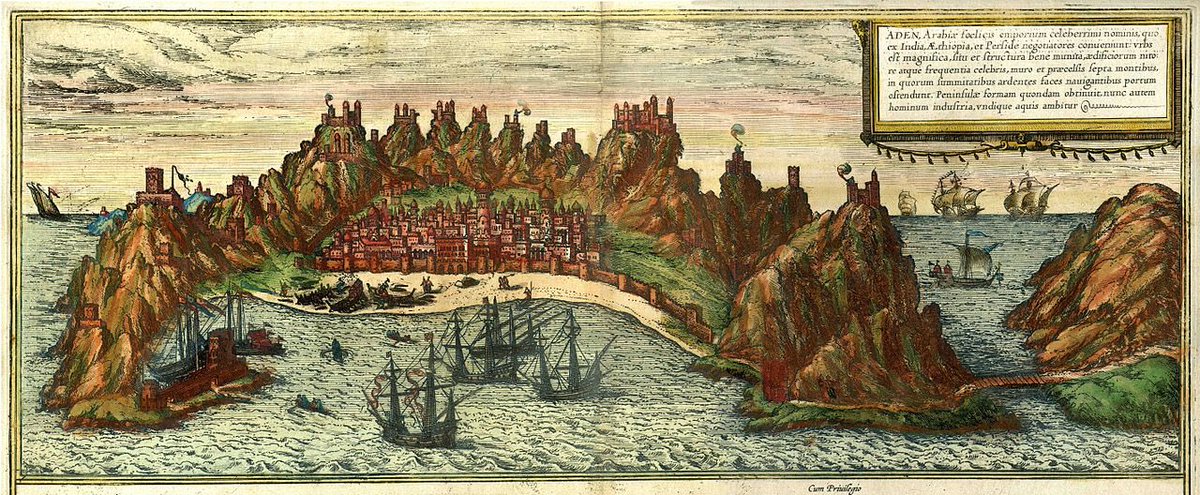
In the late Middle Ages, Aden was largely in control of the East African markets: influence from Yemen was important on the Swahili coast and the African Horn. In fact, thanks to the migration of Yemeni clans, East Africa experienced significant commercial and cultural growth.

English
1
6
30
3.4K
Arabs in Pictures
Arabs in Pictures@ArabsinPictures·
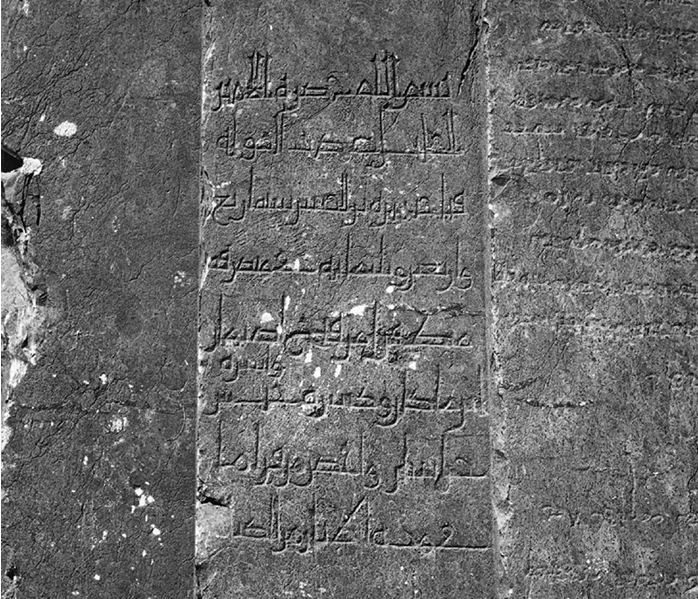
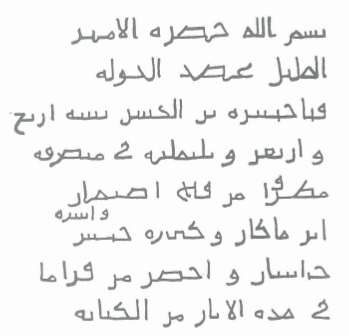
The Buyids (Persian dynasty) dominated the Abbasid Caliphate for nearly a century before the coming of the Saljuks. Adud al-Dawla was one of their emirs, left us an Arabic inscription at the Persepolis (ceremonial capital of the Achaemenid Empire). The inscription records that after defeating Samanid backed Ibn Makan in Isfahan, Adul al-Dawla travelled to Persepolis in 344 AH/956 CE. There, he did some medieval archaeology. He viewed the ruins and had the ancient (Sasanian/Achaemenid) inscriptions read and translated for him.
Arabs in Pictures tweet mediaArabs in Pictures tweet media
English
15
37
350
24.3K
ARABIQA 🇵🇸
ARABIQA 🇵🇸@arabiqa·
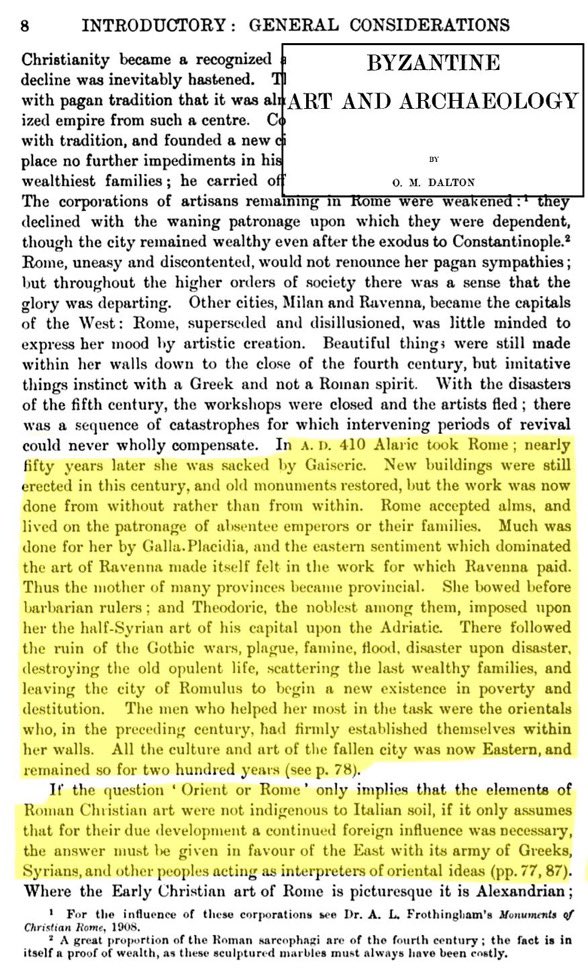
@BaytAlHikmah1 The impact of Semitic peoples of the Levant on Byzantium is often underestimated. Even before the Byzantines, Rome had an obsession with the East and was largely influenced by the artistic traditions of Syria.
English
0
0
1
67
ARABIQA 🇵🇸 retweetledi
IbnHikmah
IbnHikmah@BaytAlHikmah1·
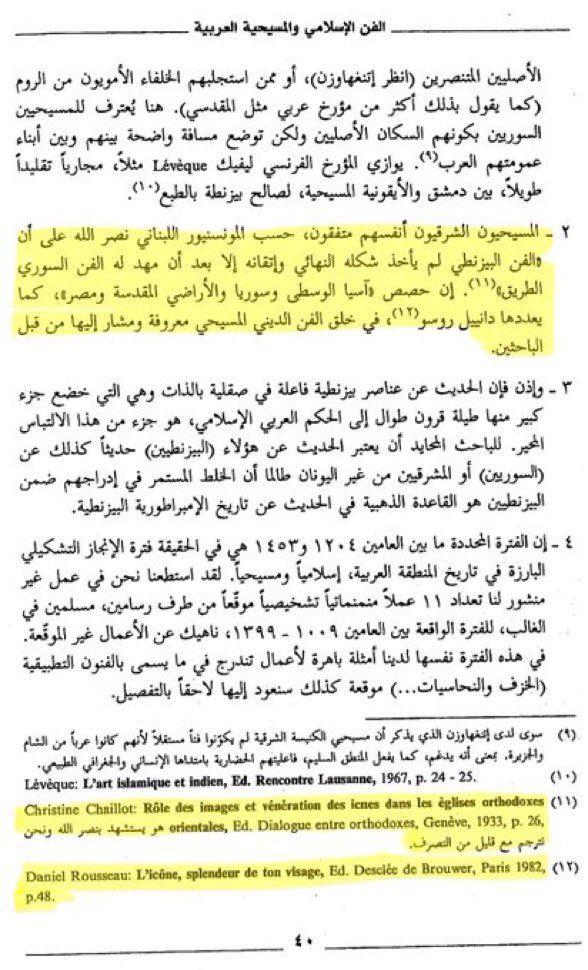
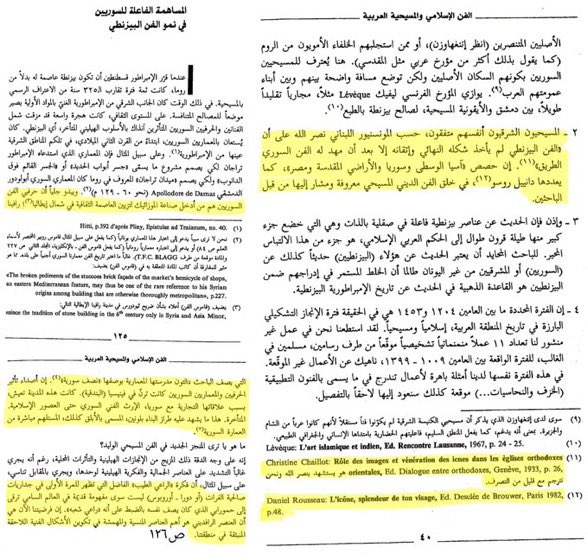
Early Christian paintings first appeared in Dura-Europos, an Arab-Aramaic city, whose urban style influenced Byzantium. Artists there, like Hisham, had Semitic names, and Syrian art, alongside Egyptian, shaped the final form of Byzantine painting and architecture.
IbnHikmah tweet mediaIbnHikmah tweet mediaIbnHikmah tweet mediaIbnHikmah tweet media
IbnHikmah@BaytAlHikmah1

Baroque architecture began in the Hellenistic East (Anatolia and Alexandria), then moved to the Roman West with Apollodorus of Damascus. Among its distinctive elements: the arched lintels, which appeared for the first time in the Severan Forum at Leptis Magna (Libya) and were..+

English
2
3
35
1.7K
ARABIQA 🇵🇸 retweetledi
IbnHikmah
IbnHikmah@BaytAlHikmah1·
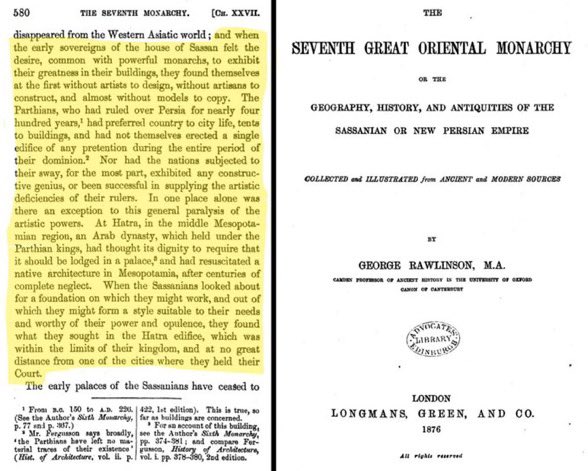
The Sasanians drew inspiration for their arts and architecture from the Arab Kingdom of Al-Hira in Iraq, as they found an artistic void after the Parthian rule, while the people of Al-Hira provided them with sophisticated architectural models, including the four iwans that were
IbnHikmah tweet mediaIbnHikmah tweet mediaIbnHikmah tweet mediaIbnHikmah tweet media
IbnHikmah@BaytAlHikmah1

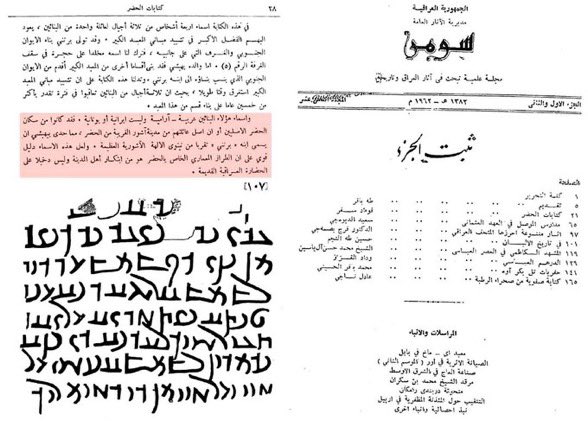
Arab states established in Iran • Emirate of Bani Dalf al-Ajl in Iraq al-Ajam (capital: Karaj) • Emirate of the Alawites in Tabaristan (capital: Amol) • Emirate of the Muzaffarids in Fars (capital: Shiraz)

English
10
5
24
1.2K
ARABIQA 🇵🇸
ARABIQA 🇵🇸@arabiqa·
Source: Randall L. Pouwels. Eastern Africa and the Indian Ocean to 1800: Reviewing Relations in Historical Perspective (The International Journal of African Historical Studies, Vol. 35, No. 2/3 (2002), p. 385-425).
English
0
0
2
217
ARABIQA 🇵🇸
ARABIQA 🇵🇸@arabiqa·
These Arab clans provided a stimulus that raised levels of literacy, scholarship, and religious devotion, and helped to reshape basic ideas concerning cultural identity, descent, inheritance, and land use.
English
1
0
2
218
ARABIQA 🇵🇸
ARABIQA 🇵🇸@arabiqa·
Kilwa is one example: with the guidance of a Yemeni merchant tribe, the Muzzafar, it became a major trading hub of the Swahili coast. The city attracted learned Arabs and experienced rapid Islamization at the height of its commercial prosperity, thanks to these migrations.
ARABIQA 🇵🇸 tweet mediaARABIQA 🇵🇸 tweet mediaARABIQA 🇵🇸 tweet media
ARABIQA 🇵🇸@arabiqa

In the late Middle Ages, Aden was largely in control of the East African markets: influence from Yemen was important on the Swahili coast and the African Horn. In fact, thanks to the migration of Yemeni clans, East Africa experienced significant commercial and cultural growth.

English
1
6
30
3.4K
ARABIQA 🇵🇸
ARABIQA 🇵🇸@arabiqa·
Source: Randall L. Pouwels. Eastern Africa and the Indian Ocean to 1800: Reviewing Relations in Historical Perspective (The International Journal of African Historical Studies, Vol. 35, No. 2/3 (2002), p. 385-425).
English
1
0
4
382
ARABIQA 🇵🇸
ARABIQA 🇵🇸@arabiqa·
In the late Middle Ages, Aden was largely in control of the East African markets: influence from Yemen was important on the Swahili coast and the African Horn. In fact, thanks to the migration of Yemeni clans, East Africa experienced significant commercial and cultural growth.
ARABIQA 🇵🇸 tweet mediaARABIQA 🇵🇸 tweet mediaARABIQA 🇵🇸 tweet media
English
3
6
33
4.9K
ARABIQA 🇵🇸 retweetledi
ARABIQA 🇵🇸
ARABIQA 🇵🇸@arabiqa·
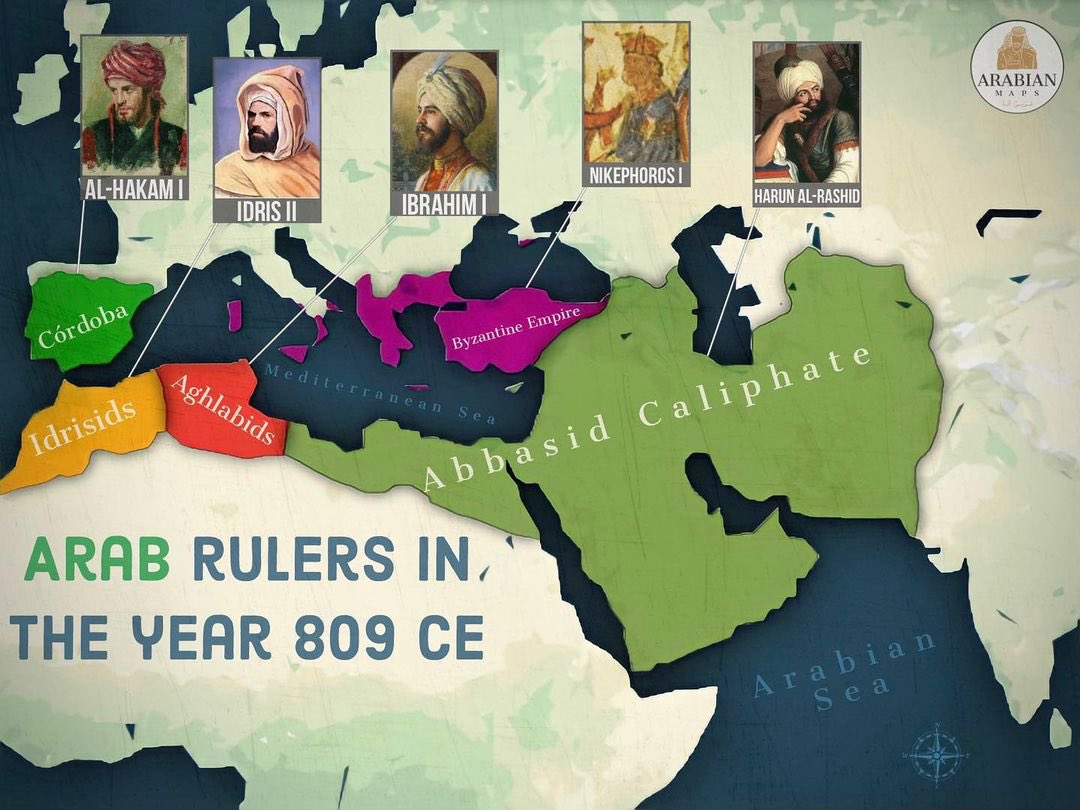
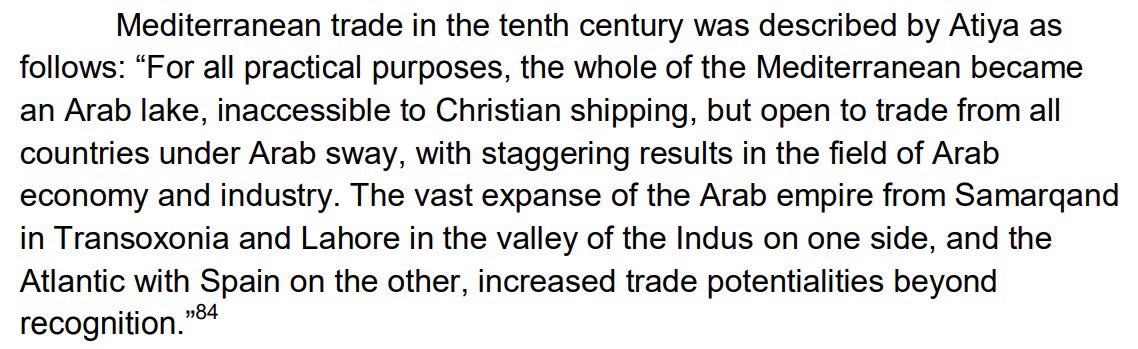
"For all practical purposes, the whole of the Mediterranean became an Arab lake, inaccessible to Christian shipping, but open to trade from all countries under Arab sway, with staggering results in the field of Arab economy and industry." — Aziz S. Atiya
ARABIQA 🇵🇸 tweet mediaARABIQA 🇵🇸 tweet media
English
3
11
57
5.5K
ARABIQA 🇵🇸
ARABIQA 🇵🇸@arabiqa·
Source: Ray Jureidini, Said Fares Hassan, Abdul Jaleel P.K.M. Migration and Islamic Ethics. Chapter: Arab Immigrants Under Hindu Kings in Malabar. p. 200-202.
English
0
0
1
196
ARABIQA 🇵🇸
ARABIQA 🇵🇸@arabiqa·
Malabari Muslims, both descendants of Arab traders and local converts, benefited from a political context that was in their favor. Aden was one of the most important ports in the Indian Ocean, hence these contacts between them and the Rasulid administration.
ARABIQA 🇵🇸 tweet media
English
1
0
2
273
ARABIQA 🇵🇸
ARABIQA 🇵🇸@arabiqa·
Court ledgers from the Rasulid court show that in 1290, the khaṭībs of Malabar’s mosques received stipends from the Rasulids of Yemen. A letter was also sent in 1393 by Calicut’s Muslims to Sultan Al-Ashraf II, requesting his permission to recite his name in the friday khuṭba.
ARABIQA 🇵🇸 tweet mediaARABIQA 🇵🇸 tweet media
ARABIQA 🇵🇸@arabiqa

An interesting fact about the spread of Islam in the Indian subcontinent is that it was shaped by the rivalry between two Muslim Indias: one of Turkic and Hanafi influence, the other of Arab and Shafi’i influence. In this context, Yemen played a significant role.

English
6
3
33
1.6K