Sabitlenmiş Tweet

I present to you Michelle Yeoh and Sandra Oh dancing to Whitney Houston at the Castro Theater. San Francisco is still that girl, and your faves could never.
English
Alex Rafter
1.7K posts

@arafter
Gay penguin enthusiast (correctly interpreted both). Communicating at @tryramp. Opinions mine, not yours



There are two non-negotiables in accounting: the books must be correct, and they must be ready on time. For decades, companies have satisfied those constraints through an extraordinary amount of manual effort. Highly trained professionals code transactions, re-approve familiar expenses, reconcile mismatches after the fact, and compress all of it into the ritual of month-end close. It works. But it is fundamentally retrospective. Today, @tryramp is introducing an Accounting Agent designed around a different premise: what if bookkeeping happened as the business operated, rather than after it? The agent captures, codes, reviews, validates, accrues, and reconciles spend continuously. It learns directly from the people who understand the nuances best, the accounting team itself, and applies that context in real time. At @perplexity_ai, where velocity is part of the company’s identity, this has allowed their team to stop choosing between speed and accuracy. The majority of transactions are now coded automatically while remaining audit-ready, enabling close to start on day one instead of day thirty. What’s been most striking is how the system learns the subtle, company-specific logic that historically lived only in human judgment. As Jim Romano, CFO at @statesidevodka, described it, the agent is already identifying patterns like when spend belongs in samples rather than travel and entertainment — the kinds of decisions that typically require institutional memory. As he put it, the goal is simple: finance teams should focus on exceptions, not the easy stuff. We’re also seeing the second-order effects emerge quickly. Teams report spending dramatically less time reviewing transactions and substantially more time on planning, analysis, and growth. As one CFO told us, “What used to take hours of manual review now happens automatically. I’m spending nearly all of my time thinking about where the business should go, not retracing where it’s already been.” There is a broader shift underway in accounting. The central question is moving from “what parts of close can be automated?” to “should close even be a discrete event at all?” One belief that increasingly guides our work at Ramp is that information latency inside companies is an invisible tax. When financial truth lags behind operational reality, organizations make slower and often worse decisions. As transaction data becomes inherently digital and systems become capable of learning institutional context, continuous close stops being aspirational and starts becoming inevitable. One thing that surprised us while building this: accounting isn’t constrained by a lack of rules — it’s constrained by how many of those rules are unwritten. Much of financial operations lives in patterns that experienced teams simply know. Seeing software begin to absorb and apply that tacit knowledge has been one of the clearest signals that accounting is entering a new phase. Accounting has always been the record for business reality. Our goal is to help it become something closer to real-time truth. Proud of the team, and grateful to the customers building this alongside us.


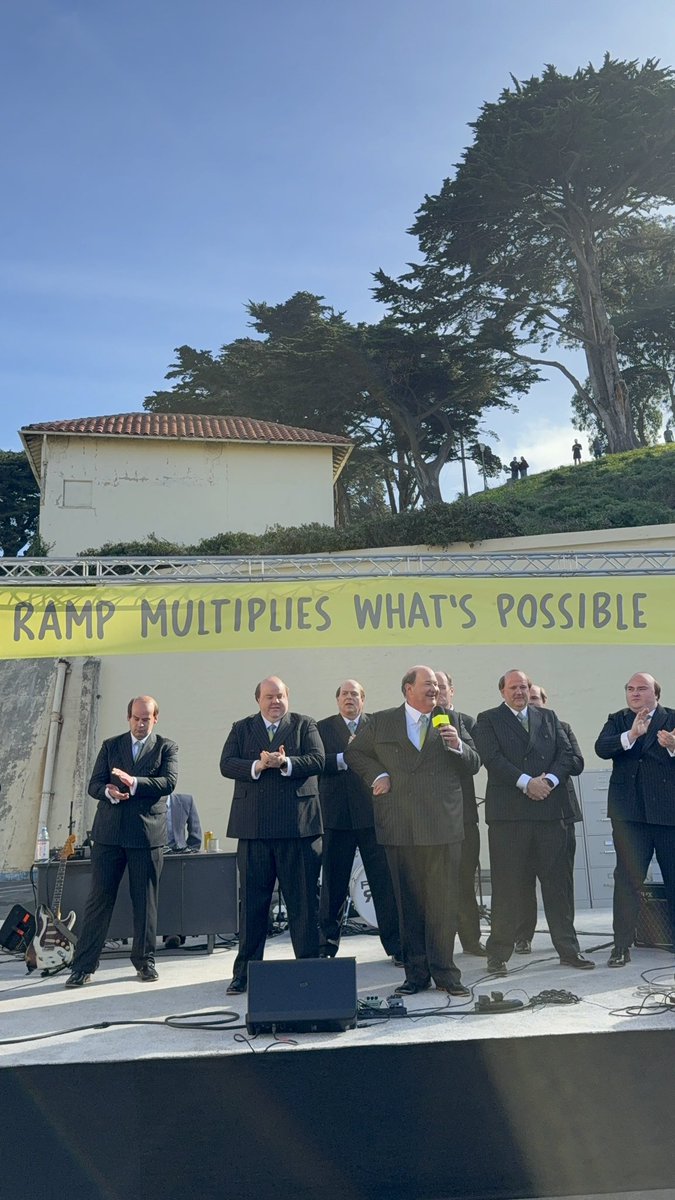
This is actually happening. 1,000+ people are coming to a tailgate. 2,000+ custom bald caps have shipped. It’s a family affair. Entirely Brians. Come join us next week in SF — you might even win two Super Bowl tickets, courtesy of @tryramp.



Today, we’re launching Ramp Sheets, the AI spreadsheet editor built to 10x finance teams, operators, and founders. Ramp Sheets plans, executes, and formats automatically. It’s already being used to model budgets, forecast revenue, and reconcile financial statements.
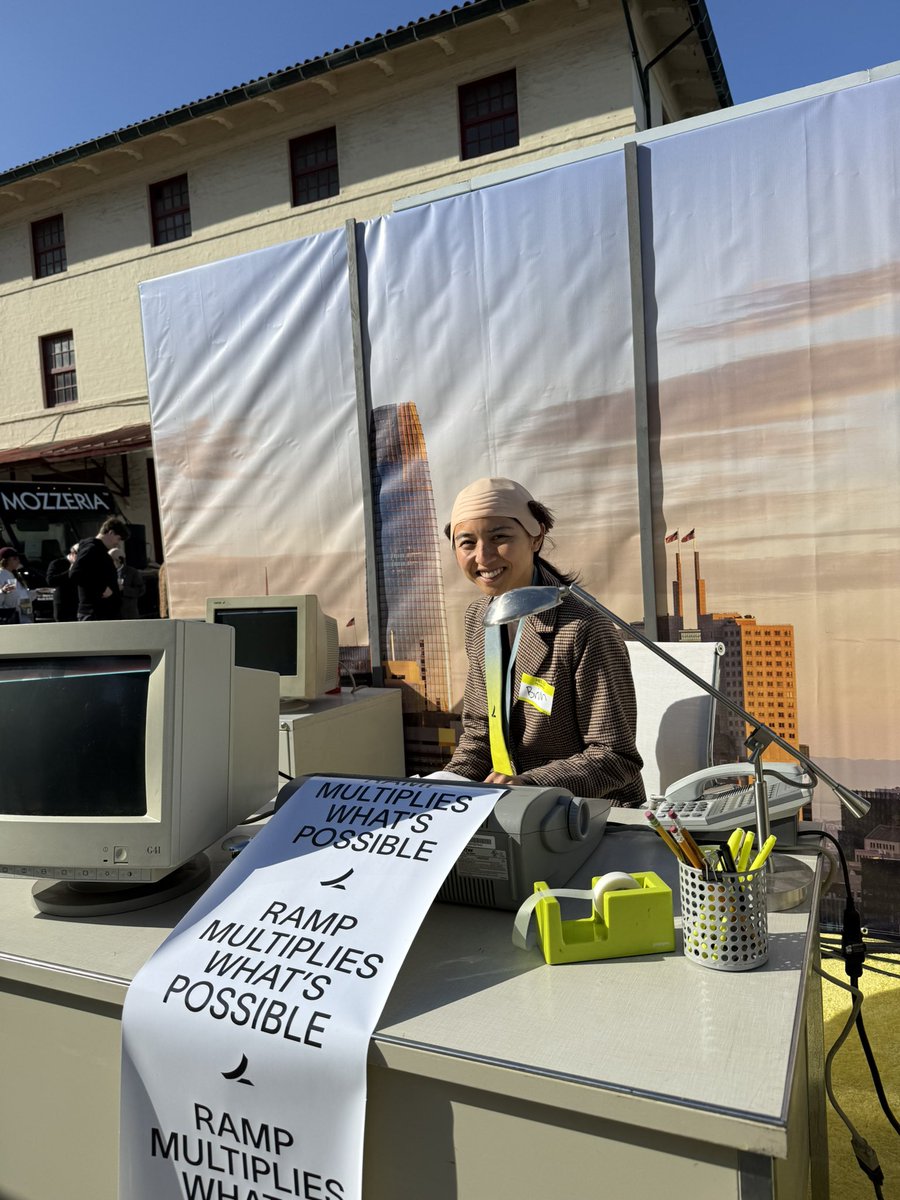
Slack to skyline in 8 hours. Getting big doesn’t mean getting slow.

Today, Ramp raised another $300M at a $32B valuation. In the past year our revenue has doubled to over $1B, growing 10x faster than the median public SaaS. We all know money talks — we're teaching it to think. Getting big no longer means getting slow.



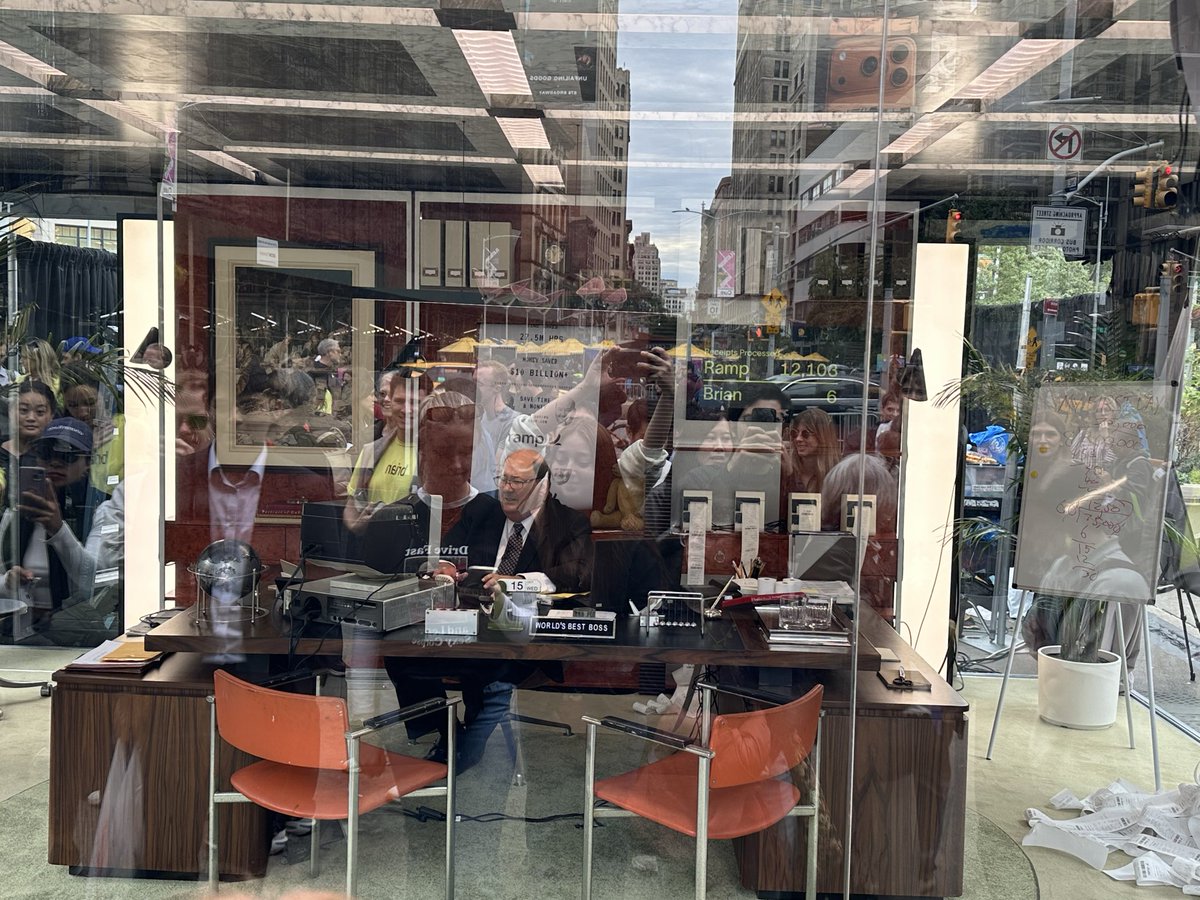
Brian's First Day As CFO - Live From NYC x.com/i/broadcasts/1…