
Amphibian and Reptile Conservancy

3K posts

Amphibian and Reptile Conservancy banner
Amphibian and Reptile Conservancy

Amphibian and Reptile Conservancy

@arcprotects

ARC identifies and conserves the highest priority places for amphibians and reptiles in the US.

Global Katılım Kasım 2011
2K Takip Edilen6.4K Takipçiler
Sabitlenmiş Tweet
Amphibian and Reptile Conservancy
We’ve gone as dormant as a brumating gopher tortoise (like hibernation), and our X account is no longer active. Please keep up with us by subscribing to our e-newsletter, The ARC'ives: tinyurl.com/subscribeARC. Thanks for connecting with us here over the years! 📷: Ron Grunwald
Amphibian and Reptile Conservancy tweet media
English
0
4
18
949
Amphibian and Reptile Conservancy
Male greater earless lizards never skip leg day or cardio. Found in the Southwest, these lizards use pushups and head-bobbing to flex their dominance and attract mates. They’ve also been observed running on just their back two feet! 📸: © Martin Horowitz
Amphibian and Reptile Conservancy tweet media
English
0
8
34
1.1K
Amphibian and Reptile Conservancy
How are snapping turtles great photographers? They know how to capture a moment- among other things! This species can capture a subject off guard and is the only species with a body part for luring prey - their tongue, which looks deceptively like a worm. 📸: Sam Stukel / USFWS
Amphibian and Reptile Conservancy tweet media
English
0
0
10
292
Amphibian and Reptile Conservancy
This toad is boreal, for real. Named “boreal” for the northern regions in which it occurs, the boreal toad can be found in the Western US and Canada from Colorado northward. It prefers high-elevation habitats with shallow bodies of water. 📸: © k_wheeler, CC-BY-NC
Amphibian and Reptile Conservancy tweet media
English
0
2
17
637
Amphibian and Reptile Conservancy
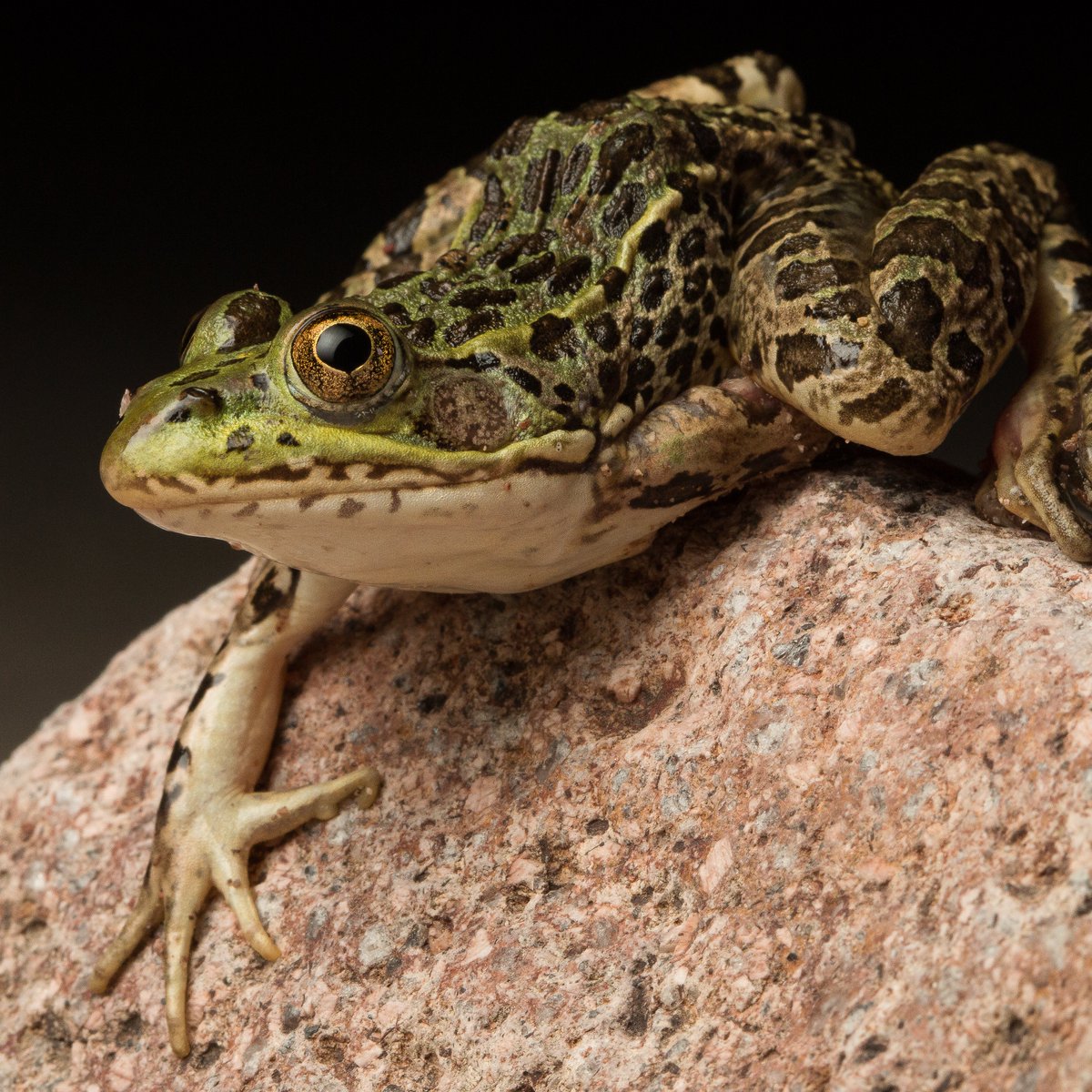
Everything is better in twos! In Arizona, our two Cochise PARCAs (Priority Amphibian and Reptile Conservation Areas), Cochise East and West, each contain incredible reptile and amphibian diversity. 📸: 1. Chiricahua leopard frog, © Spencer Riffle 2. Wetland, © Maya Morales
Amphibian and Reptile Conservancy tweet mediaAmphibian and Reptile Conservancy tweet media
English
0
2
26
465
Amphibian and Reptile Conservancy
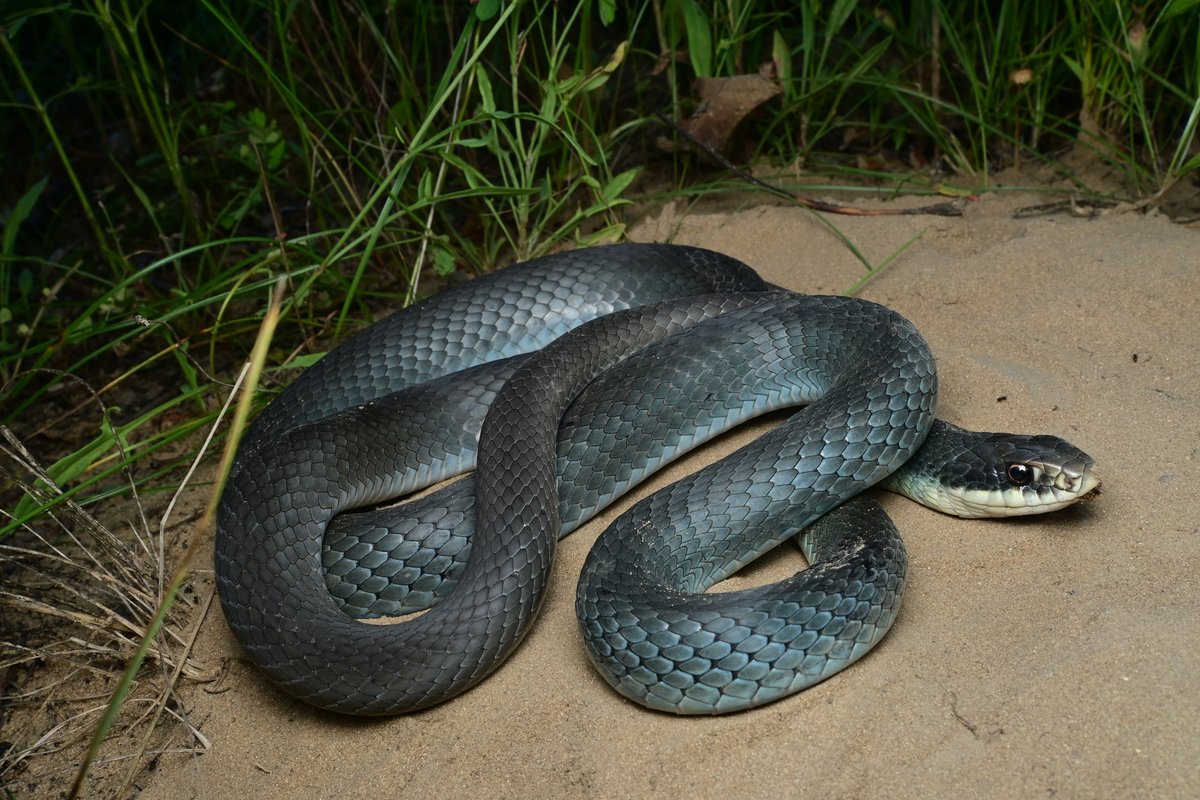
Happy Hanukkah! It’s the last day of the eight days of Hanukkah, and we are celebrating with a blue racer, a subspecies of eastern racer. Blue, along with white and sometimes silver, is commonly associated with Hanukkah in modern US culture. 📸: © geomamba, CC-BY-NC
Amphibian and Reptile Conservancy tweet media
English
0
0
7
246
Amphibian and Reptile Conservancy
3…2…1… Happy Newt Year! That’s what we think broken-striped newts said last night when the ball dropped. DYK that all newts are salamanders, but not all salamanders are newts? Maybe that's some new newt knowledge for the new year. #HappyNewYear 📷: Rob Van Epps, CC-BY-NC
Amphibian and Reptile Conservancy tweet media
English
0
5
63
2.2K
Amphibian and Reptile Conservancy
Wishing a happy Kwanzaa to all who shell-ebrate! This painted turtle is getting into the spirit, sporting red, black and green - the official colors of Kwanzaa. 📸: Western painted turtle, © Courtney Celley / USFWS
Amphibian and Reptile Conservancy tweet media
English
0
4
17
446
Amphibian and Reptile Conservancy
Wishing you a holly jolly Christmas from all of us at ARC! We don’t know if there’ll be snow where you are, but we hope you have a cup of cheer. 📸: Eastern tiger salamander, © Bob Hamilton
Amphibian and Reptile Conservancy tweet media
English
0
0
16
301
Amphibian and Reptile Conservancy
Do you think the person who named Ensatina salamanders thought the name had a nice ring to it? This genus (group) is thought to consist of only one species. This species complex has subspecies whose ranges form a ring around the central valley of California. 📸: © Sara Viernum
Amphibian and Reptile Conservancy tweet media
English
0
2
33
510
Amphibian and Reptile Conservancy
Winter Solstice is famously the shortest day of the year, making it the perfect day to share a species with short horns. The greater short-horned lizard ranges throughout much of western North America, extending from Montana to New Mexico and south into Mexico. 📸:© Grace Laskey
Amphibian and Reptile Conservancy tweet media
English
0
3
18
431
Amphibian and Reptile Conservancy
Hey cutie, scutie on over here, we want to tell you about the eastern river cooter! One key identifying feature of this species is a c-shaped marking that can be found on one of their scutes - the bony scales that make up a turtle’s shell. 📸: © jcat, CC-BY-NC
Amphibian and Reptile Conservancy tweet media
English
1
1
14
307
Amphibian and Reptile Conservancy
We worked with our partners to restore several wetlands in the Gila and Bootheel PARCAs of New Mexico and Cochise PARCAs of Arizona in 2024- home to Threatened Chiricahua leopard frogs, northern Mexican gartersnakes, and narrow-headed gartersnakes. 📸: © Jeff Servoss / USFWS
Amphibian and Reptile Conservancy tweet media
English
0
5
30
546
Amphibian and Reptile Conservancy
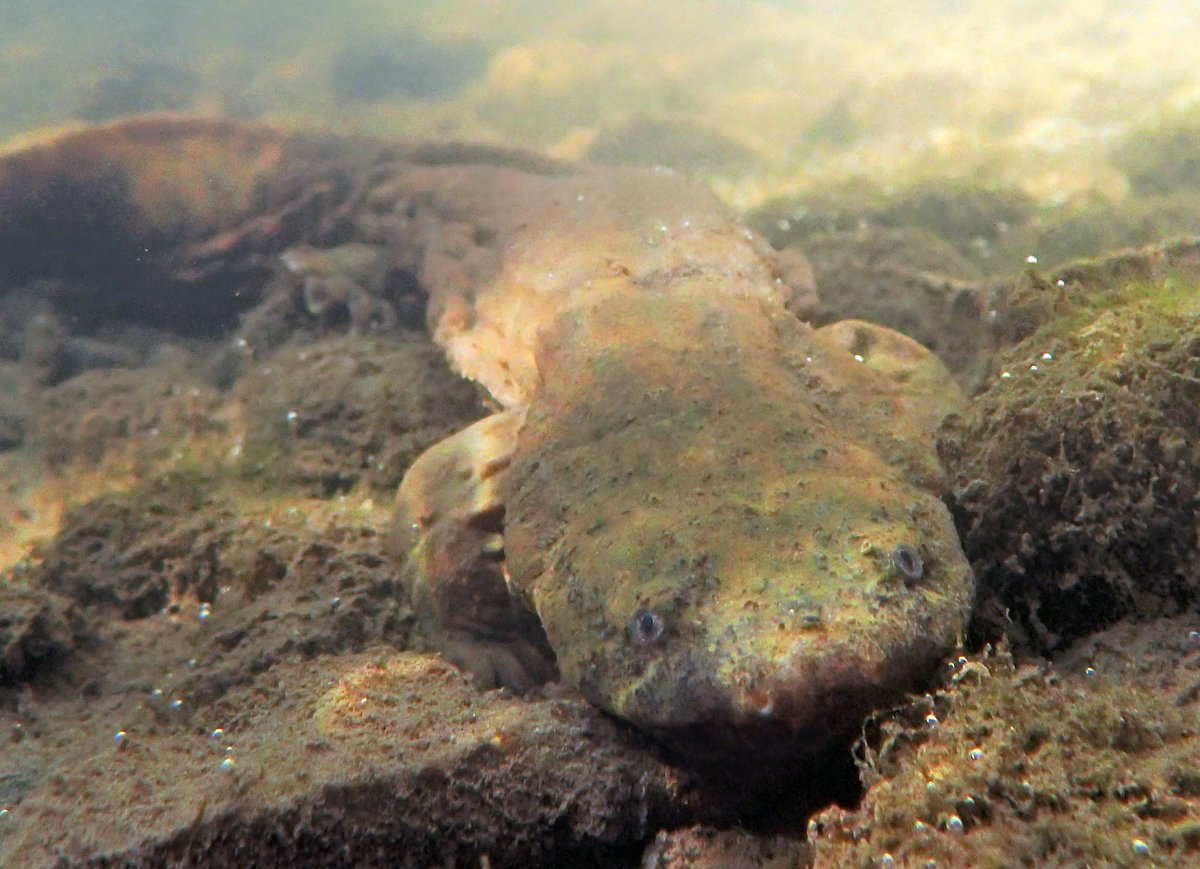
Oh, hell(bender) yeah! In an announcement by the US Fish and Wildlife Service, the eastern hellbender was proposed to be listed as Endangered throughout its entire range - an important designation, especially in light of recent habitat destruction by Hurricane Helene. 📸: © USFWS
Amphibian and Reptile Conservancy tweet media
English
0
10
38
771
Amphibian and Reptile Conservancy
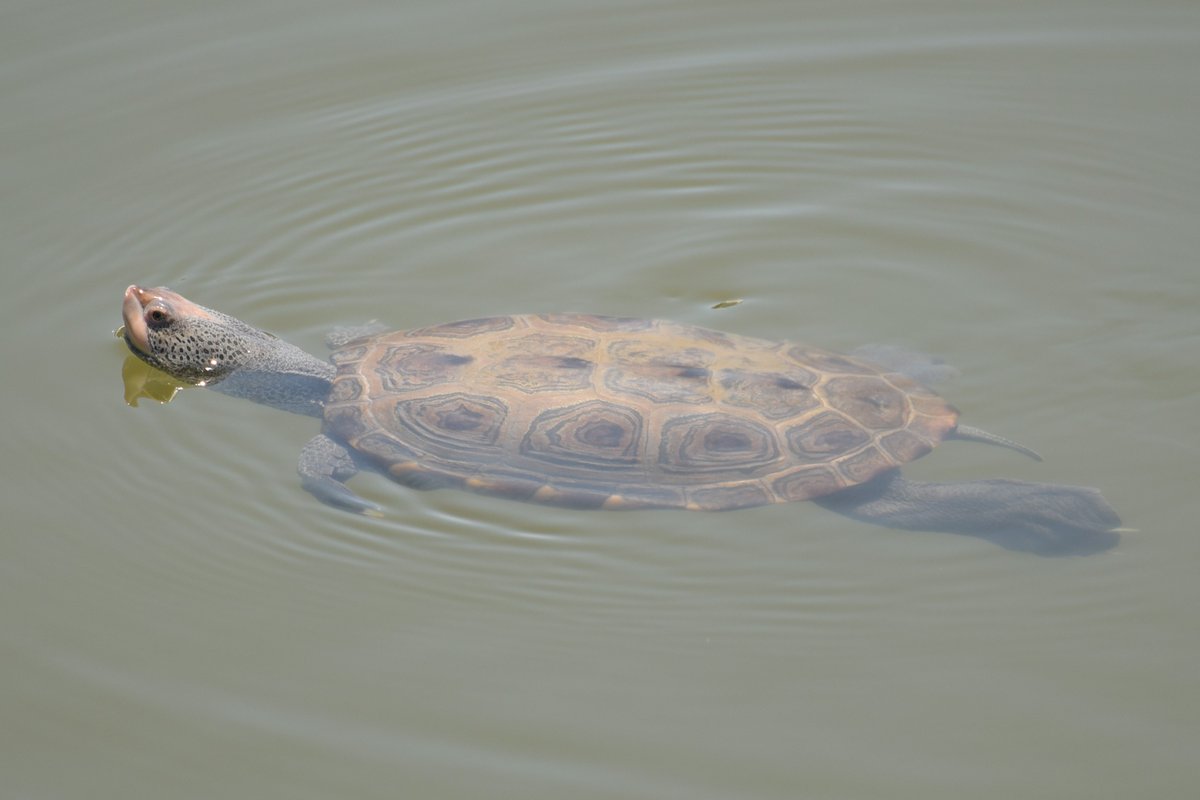
"We're beautiful, like diamonds in the sky” - Rhianna, “Diamonds” Northern diamondback terrapins are commonly found in estuary habitats on the Gulf of Mexico and Atlantic Ocean where rivers flow into the sea and freshwater mixes with saltwater. 📸: © Kevin Hutcheson
Amphibian and Reptile Conservancy tweet media
English
0
0
6
174
Amphibian and Reptile Conservancy
The eastern ribbon snake is a species of garter snake that ranges throughout the eastern US, generally in states east of the Mississippi river. This species has a reputation of being a blue ribbon-worthy swimmer and can be found near bodies of water. 📸: © Rob Hamilton
Amphibian and Reptile Conservancy tweet media
English
1
2
16
622
Amphibian and Reptile Conservancy
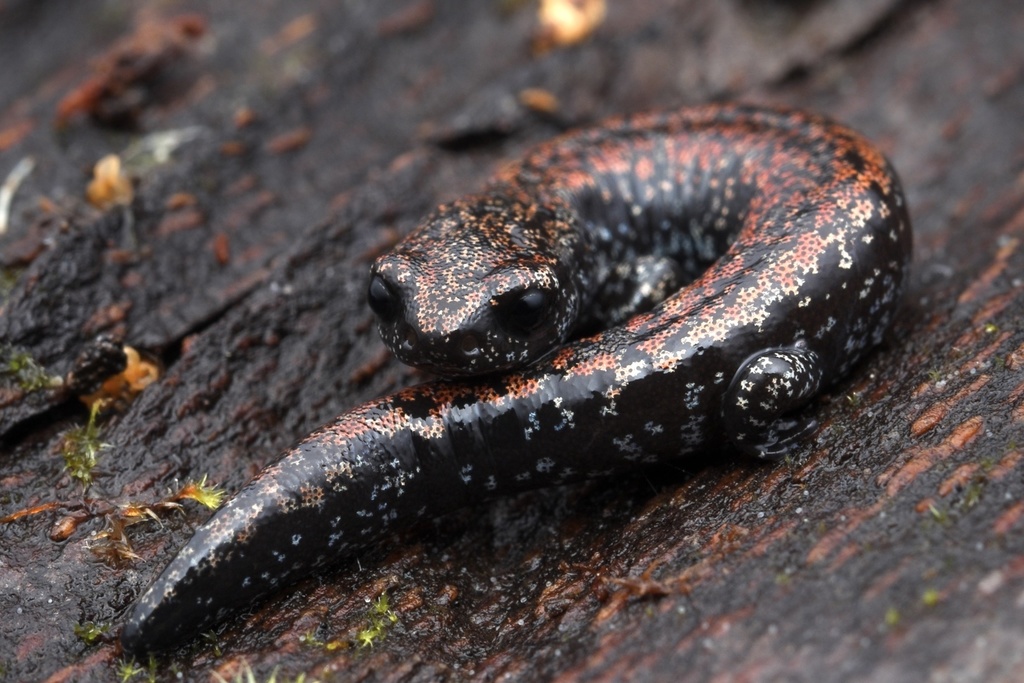
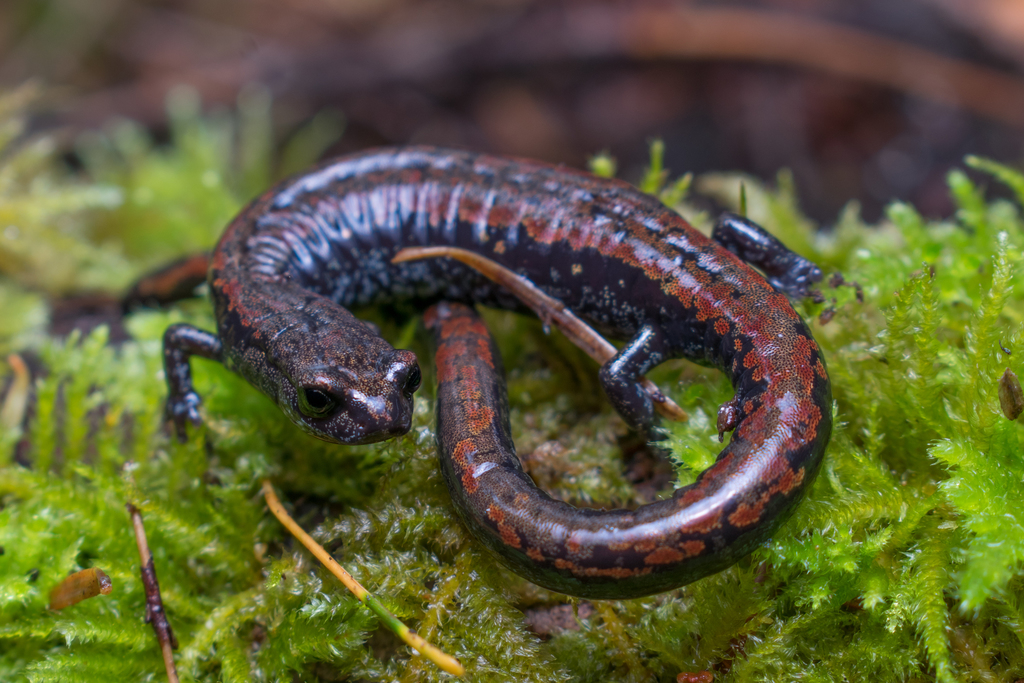
This is an Oregon slender salamander. It prefers forest habitat with plenty of moisture and decaying wood. Much of its life history is still a mystery, but we know this sensitive species can be found on the west slopes of Oregon's Cascade Range. 📸: © Connor Dooley, CC-BY-NC
Amphibian and Reptile Conservancy tweet mediaAmphibian and Reptile Conservancy tweet media
English
0
5
31
587
Amphibian and Reptile Conservancy
We are st-oak-ed for Giving TOADsday! The oak toad is one of the cutest ambassadors we could choose for this day of giving. Will you do your part by contributing to give back to amphibians and reptiles? Please donate: ARCProtects.org/gt4donate 📷: James Lyon / USFWS
Amphibian and Reptile Conservancy tweet media
English
0
2
17
278
chris🐸
chris🐸@probably_a_frog·
@arcprotects omg 😵 do you know what species of frog/toad this is?
English
1
0
1
40
Amphibian and Reptile Conservancy
POV: That nosy family member asks when you’re getting a real job, but you’re busy inhaling Thanksgiving dinner. Amphibians and reptiles have real jobs in the form of ecosystem services, which are natural events that directly or indirectly benefit humans. 📸: © Eitan Grunwald
Amphibian and Reptile Conservancy tweet media
English
3
11
41
1.2K
Amphibian and Reptile Conservancy
Anything but plain, the Kansas glossy snake can be found in semi-arid grasslands throughout Colorado, Kansas, Oklahoma, and Texas. Like others in the glossy snake genus (group), this snake has exceptionally smooth scales, making its skin shiny. 📸: © Miles Ward, CC-BY-NC
Amphibian and Reptile Conservancy tweet media
English
0
1
11
227