

ariya
80 posts

@CUComm3200 Deleting likes on Instagram doesn't do much to stop its competitiveness -- there'll always be other metrics to compare each other with.
vox.com/the-goods/2019…
English
@CUComm3200 Baym's mention of television fandoms developing their skills and their talents can be applied to all fandoms now, and it's really cool to see how fans can use their creativity to influence a common interest
theguardian.com/artanddesign/2…
English
@CUComm3200 It's ironic that influencers rely on their audience for brands to sponsor them, but their sponsored posts are usually the least liked. I find that I trust products less the more influencers endorse them.
medium.com/crobox/under-t…
English
@CUComm3200 Banet-Weiser discusses popular feminism and how “visual representation becomes the beginning and the end of political action.” It’s ironic that the feminist t-shirts mentioned are often made by exploited offshore female garment workers.
theguardian.com/global-develop…
English
@CUComm3200 this infodemic has not only facilitated disinformation to spread among various platforms, but has also created breeding grounds for xenophobia and racism online and in person. nytimes.com/2020/03/23/us/…
English
@CUComm3200 Another way Instagram shadow bans certain topics or people is by banning specific hashtags, which could be detrimental for people and businesses that use those hashtags to grow their audience. socialinsider.io/blog/instagram…
English
@CUComm3200 Jackson's New York Times piece highlights all the good that has come from Twitter, especially hashtag activism disrupting the role of gatekeepers setting the agenda. However, it is still easy to curate a feed and stay in personal filter bubbles.
English
@CUComm3200 Papacharissi's piece brings up an important point that "online activity cannot be confused with impact." Although technology has enabled people a space to voice opinions and discourse, underlying aspects of it (ie algorithms) are actually a huge threat to democracy.
English
@CUComm3200 Foer's article reveals how engineers have become some of the most influential people in society. It reminds me of the concept of necropolitics -- the power to determine who dies and the scary extents to the influence of algorithms.
academic.oup.com/ips/article/9/…
English
@CUComm3200 While the Washington Post piece discussed the growing income inequality and the effects it has on the poor, it's important to note factors like race and gender that can exacerbate the alienation for some.
English
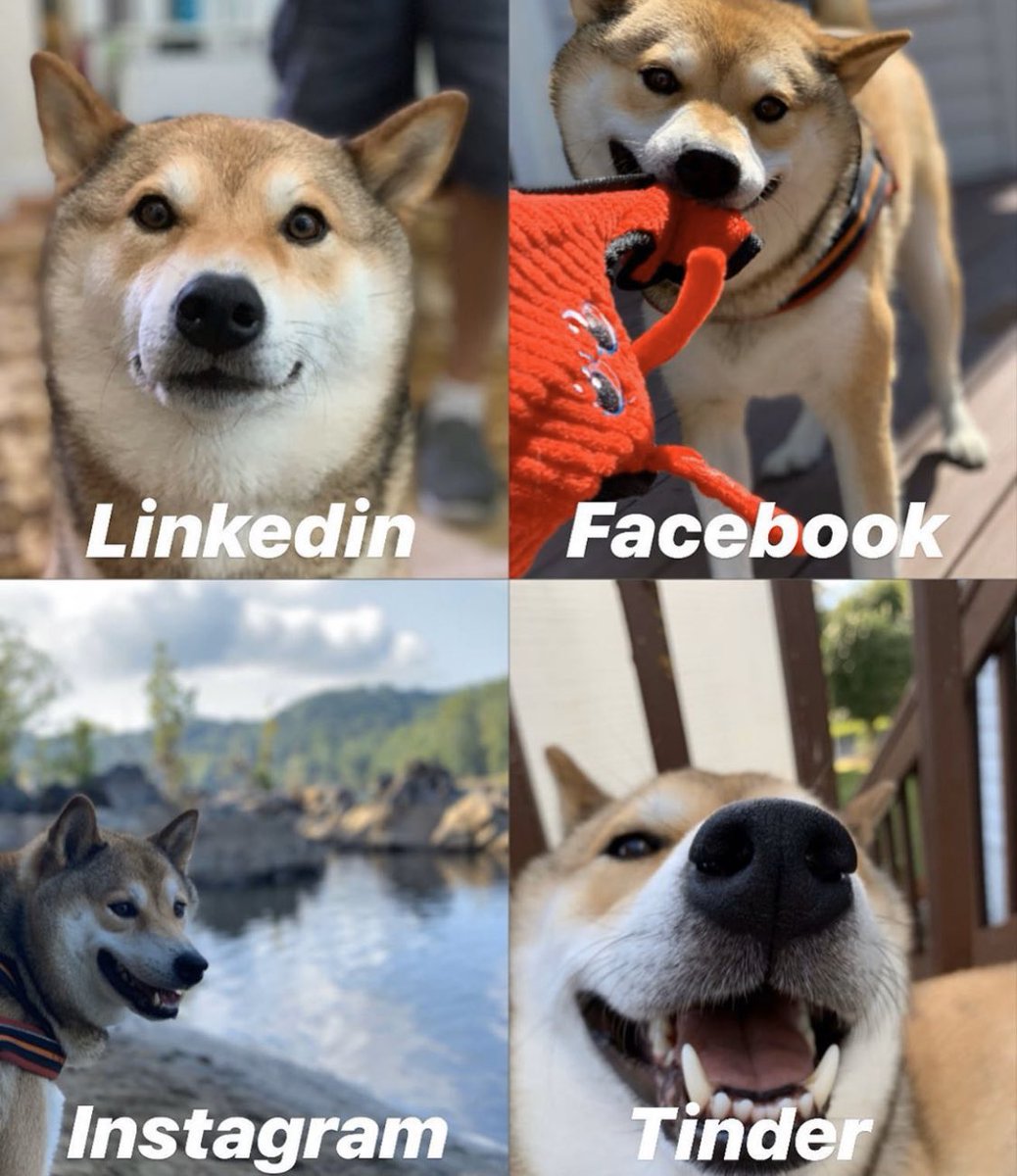
@CUComm3200 The #dollypartonchallenge alludes to the different images people cultivate depending on the perceived surveillance of the platform they’re on as mentioned in Duffy and Chan’s paper. This is my dog’s.
English
@CUComm3200 It's kind of ironic that platforms like Twitter play a huge role in creating online communities for marginalized groups, yet they're powered by algorithms that have the ability to further the marginalization of these groups. vox.com/recode/2019/8/…
English