
Sabitlenmiş Tweet
Arti
55.2K posts


Arti
@artisdiary
I'm a curious explorer. Inward, upward and onward. https://t.co/qZ4oWZllYW https://t.co/xfQmTFeeYN
India Katılım Kasım 2010
2K Takip Edilen7.6K Takipçiler
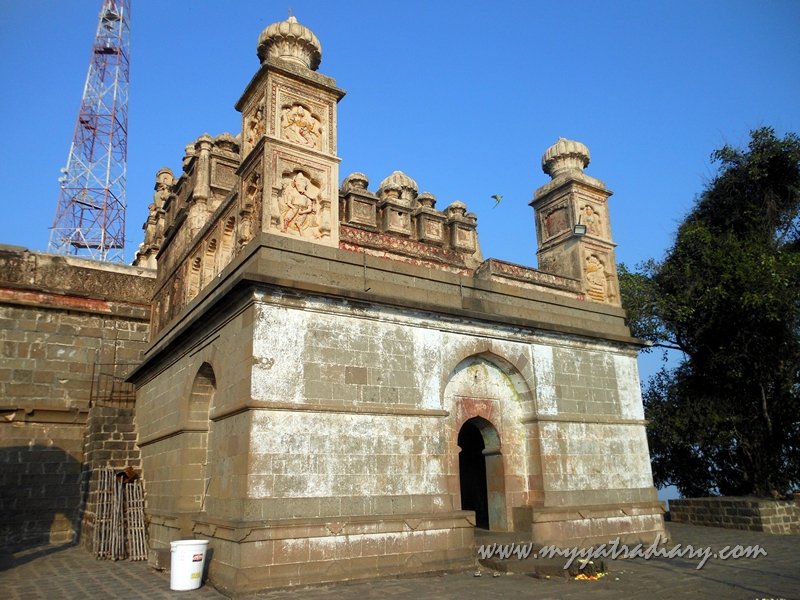
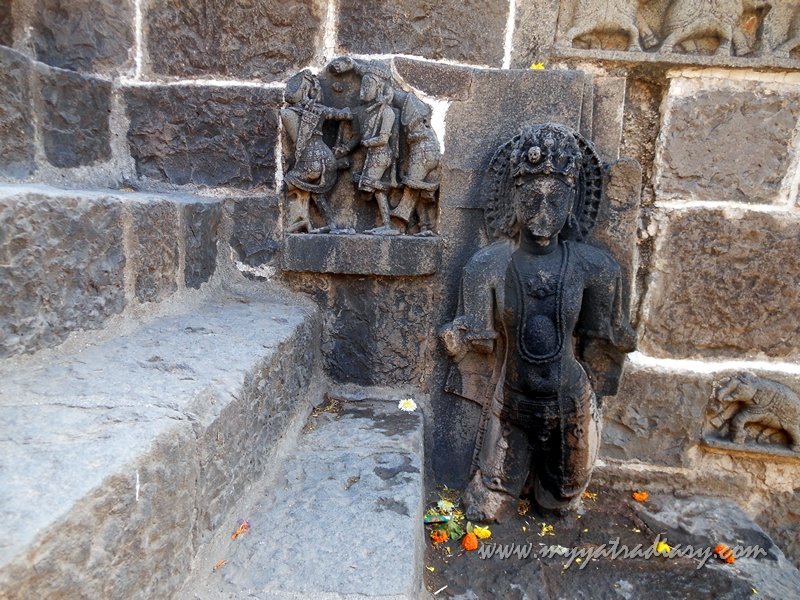
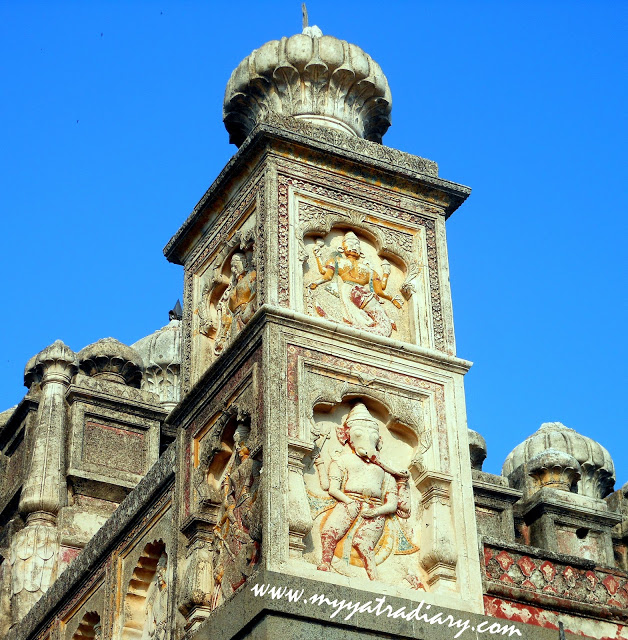
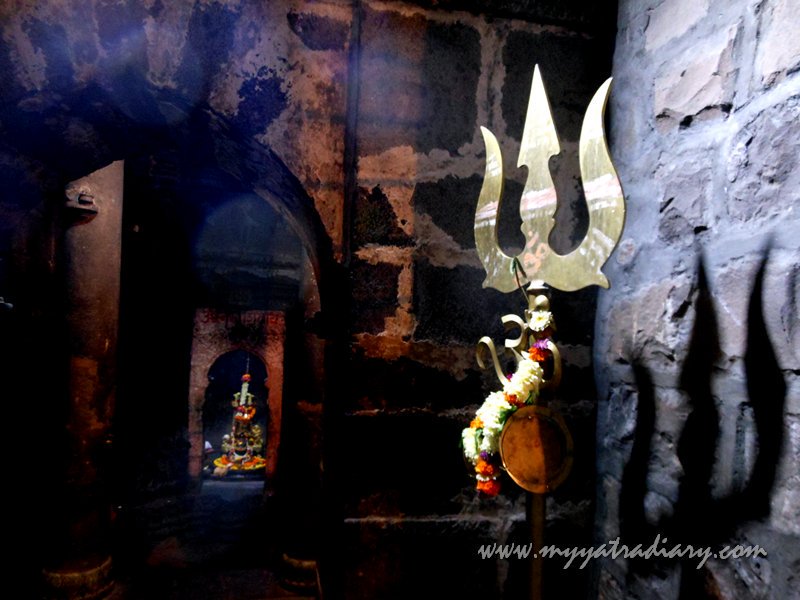

Here it is.🙌💫
The teaser of our first episode is finally here. We are extremely proud to associate with @hathyogi31 on this.
1st episode loading soon. #staytuned 🙌😊
#katha #bharat #fyptwitter
#explore
English
Arti retweetledi
Ladies and Gentlemen 👏
On the occasion of my birthday, I am presenting you "VIBE GURUKUL", your online platform for learning Indic scriptures, culture and values. After months of hard work, with the collaboration of @vibeindian (a registered firm), we have decided to provide you the following things in the starting phase of this platform -
1. In depth knowledge on some particular topic in the form of courses.
The course will focus on praising Sanatan Hindu Sanskriti among all age groups.
2. All courses will be in video tutorials format.
3. Stories of Ramayan, Mahabharat, rishis, temples and great minds of Bharat will also be included in the courses
4. All courses will be available at very nominal prices.
5. Two full featured blogging websites, covering topics such as Philosophy, Indic culture, history, yoga, spirituality, politics, geopolitics, science etc.
6. We will arrange online as well as offline sanskar classes, yoga classes, offline Bhajan, kirtan to promote bhartiya sanskriti among youngsters
7. Our taglines is "गौरवं भारतस्य" (Gauravaṃ Bhāratasya)
Meaning: "Pride in India", and we pledge to add some pride to India with our every work.
STAY TUNED FOR THE LAUNCH OF OUR 1ST COURSE.
Seeking for your blessings 🙏
English
Arti retweetledi
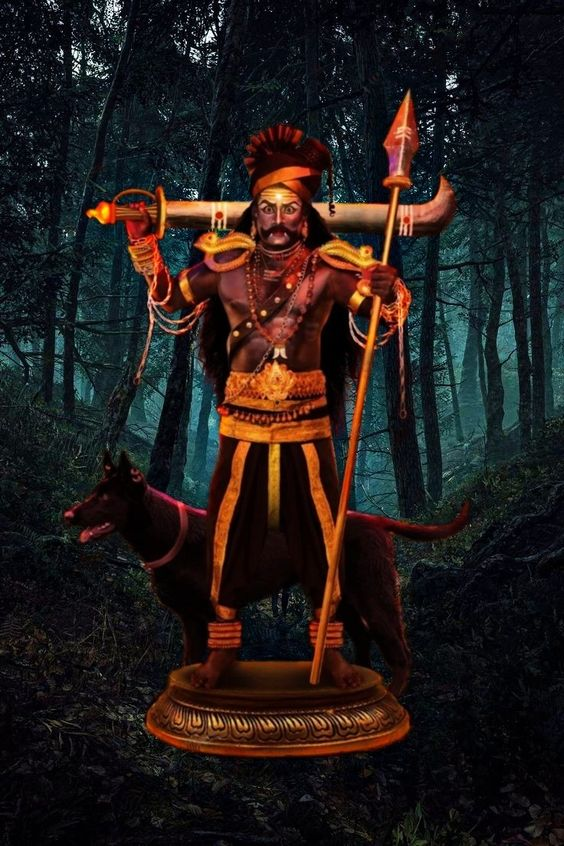
|| What is time as per Hindu concept, Why it is named Kaal? What is pralaya? How the Hindu time concept is way too superior to the West ||
“Time is an illusion and it is a relative concept”, said Albert Einstein (later it was practically proved), in 1905.
Traces of the same concepts can be found in HINDU’s scriptures which were written more than 5000 years ago, way before Einstein.
According to the Bhagavad Geeta 11.32:
कालोऽस्मि लोकक्षयकृत्प्रवृद्धो
लोकान्समाहर्तुमिह प्रवृत्तः।
ऋतेऽपि त्वां न भविष्यन्ति सर्वे
येऽवस्थिताः प्रत्यनीकेषु योधाः।।
I (Shree Krishna) am mighty Time, the source of destruction that comes forth to annihilate the worlds. Even without your participation, the warriors arrayed in the opposing army shall cease to exist.
In Hinduism, the term for time is "Kaal," which encompasses both the concept of time and death. Within this belief system, time takes on a personified form as the deity Yama, who is the god of death. Yama, as the god of death, determines the duration of a person's life on Earth, creating a close association between death and time. An individual's journey on Earth commences at birth and concludes at death.
According to Hinduism, time is considered boundless, yet its origin is associated with one of the 36 fundamental principles of creation (one of 36 tattvas or principles of creation) recognized in Saivism. This concept of time persists as long as we remain connected to the physical realm. It serves as a creative manifestation of MAYA, the material world, which is a fundamental and integral concept in Hinduism.
The Hindu system of time measurement is attributed to the sage Ganita, referenced in both the Manusmriti and the Mahabharata. This ancient sage calculated the duration of each cycle of creation in terms of human years. The cosmic time is organized into units known as "Kalpas," each representing a day and night in the temporal and spatial framework of Brahma. A Kalpa is considered equivalent to 8.64 billion years, as described in the Vishnu Purana. (Different Puranas state a slightly different measurement of time).
To further structure the Kalpa, it is divided into 1000 "maha yugas." Each maha yuga is then subdivided into four distinct epochs, known as "yugas." These yugas are named as follows:
1. Krita Yuga or Satyuga- 17,28,000 Years
2. Treta Yuga- 12,96,000 Years
3. Dvapara Yuga- 8,64,000 Years
4. Kali Yuga- 4,32,000
Importantly, the duration of each of these yugas varies, creating a cyclical pattern that shapes the passage of time according to Hindu cosmology.
The initial epoch in the sequence, known as Krita or Sat Yuga, encompasses the lengthiest period, spanning 1.728 million years. In contrast, the final and present epoch, referred to as Kali Yuga, has a significantly shorter duration of only 432,000 years. The lifespan of Brahma, which is equivalent to 100 Brahma years, is termed Maha Kalpa or Parardha, amounting to an astonishing 311.04 trillion human years.
In the realm of gods, a single day corresponds to an entire year on Earth, a fascinating ratio of time. This divine day is further divided into distinct periods: the day is called "uttarayana," and the night is referred to as "dakshinayana." Both uttarayana and dakshinayana last for precisely 180 days each, creating a balanced and cyclical pattern within the divine timescale.
In Hindu tradition, there exists an additional temporal division known as "Manvantara." This period signifies the rule of a specific "Manu," the progenitor of humanity, over the Earth. The term "Man" originates from the Sanskrit word "Manu." According to this tradition, at the onset of each Manvantara, a new Manu emerges to give rise to a fresh lineage of human beings.
Each Manvantara encompasses approximately 71 "mahayugas," translating to roughly 308 million years. Within each Manvantara, in addition to the Manu, seven seers or "Saptrishis" as well as one "Indra" make their appearance. This intricate arrangement signifies the cyclical nature of cosmic time and the recurring emergence of influential figures, ensuring the continuity of life and order within the cosmic framework.
Now, before going further you need to understand that like West, we don’t consider time as a linear concept, we consider it as a cyclic concept as mentioned in Rig veda 10.190.3-
सूरय्याचन्द्रमसौ धाता यथा पूर्वमकल्पयत् I
दिवं च पृथ्वीं च अंतरिक्षमथो स्वः II
"The Ordainer created the sun and moon like those of previous cycles. He formed in order universe and Earth, the regions of the air, and light."
Moving forward, Each time cycle has three components:
1. Srishti
2. Sthithi
3. Laya
"Srishti" represents the concept of creation, "Sthiti" signifies the phase of continuation, and "Laya" denotes the process of dissolution. Each cycle of time initiates with the act of creation, endures for a specific duration, and ultimately dissolves into nonexistence. Following a brief interval, the cycle recommences once more. These three fundamental aspects of time are governed by the Divine Trinity—Brahma, Vishnu, and Siva. Thus, Hence, It is Time itself that kick-starts the creation of the material world and it is Time that destroys the material world, maybe that's why time is named as Kaal.
Interestingly, a similar principle is advocated by the contemporary scientific paradigm through the concepts of the "big bang" and the "big crunch." These scientific ideas align with the ancient understanding, suggesting that Time acts as the catalyst for the inception and culmination of the material universe.
Other concepts that are mentioned in our scriptures related to time-
1. Space-time-
पूर्ण कुम्भोदिः काल आहितस्तं वै पश्यामो बहुदा नु सन्तः । [AtharvaVeda 19.53.3]
"A full pot has been placed in Time and it is that which we see manifoldly."
Also, in the Dakshinamurty stotram composed by Adi Shankara he states:
बीजस्याऽन्तरिवाङ्कुरो जगदिदं प्राङ्गनिर्विकल्पं पुनः
मायाकल्पितदेशकालकलना वैचित्र्यचित्रीकृतम् ।
"This World is Like a Sprout of a Seed Within which transforms what is a Changeless state Before, appears Again as Space and Time, and endless Varieties of Pictures over it; all due to the Creation of Maya."
2. Time relativity and the twin paradox are exemplified by the renowned tale of Kakudami and his daughter Revati. As they dwell in Brahma Loka for a mere 20 minutes, an astonishing passage of millions of years unfolds on Earth. This story vividly illustrates the concept of time dilation, wherein the perception of time can markedly differ based on the observer's frame of reference. It parallels the modern physics notion of the twin paradox, where one twin undergoing high-speed travel experiences a significantly shorter time span compared to the stationary twin on Earth, leading to a remarkable age difference between them. The Kakudami-Revati narrative serves as an intriguing precursor, offering an early glimpse into the principles of time relativity.
1 paramanu= 60,750th of a sec
1 truţi = 29.6296 microsec
1 nimesha= 88.889 milliseconds (a blink of an eyelid
18 nimesha= 1 kaashthaa
30 kaashthaa=1 Kaal
2 Paksha= 1 Month
12 Months = 1 Year (this period is equal to a single day + a Single night of Devas, which Means a Whole day for Devas)
Then there are six seasons in one year, such that each season lasts for two months.
1 Satya Yuga : 17,28,000 years of a human
1 Treta Yuga : 12,96,000 years of human
1 Dvapara Yuga : 8,64,000 years of human
1 Kali Yuga : 4,32,000 years of human
1 MahaYuga= 1 cycle of above four Yugas= 43,20,000 years.
12,000 Deva years (divine Years) = 1 Mahayuga (which is one yuga of Devas. For Devas, there is no distinction of Satya, Treta, etc in yugas)
71 Mahayugas = 1 Manvantara which is equal to 30,67,20,000 Human Years.
1000 Mahayugas= 1 Kalpa Which is equal to 4,32,00,00,000 Human Years and it is equal to one day of Brahma.
100 Brahma years= 1 Maha Kalpa
After this Mahapralaya happens. But, there is something called pralaya as well, which is of 4 types:
Nitya Pralaya: It represents the state of eternal rest, akin to sleep, and can be extended to signify Death.
Naimittika Pralaya: It occurs at the culmination of a single day in Brahma's existence, leading to the dissolution of the three worlds: Bhuh, Bhuvaha, and Suvaha.
Maha Pralaya: It also known as the great deluge, emerges at the conclusion of a Brahma's age, spanning 100 Brahmic Years.
Aatyantika Pralaya: It marks the ultimate liberation or attainment of Moksha by a Jiva (individual soul), after which the Jivan is forever free from the clutches of Karma and the binding shackles of Samsara (cycle of birth and death). The time span for this kind of Pralaya varies, dependent on the practice of different Yogas or Prapatti.

English
Arti retweetledi

Arti retweetledi

Arti retweetledi

We Sanatani women are not scared of any Zoo Bear
Har Har Mahadev 🔥
English

@artisdiary @know_ur_dharma @hathyogi31 It was for me... I guess... But anyways now it's too late...
English
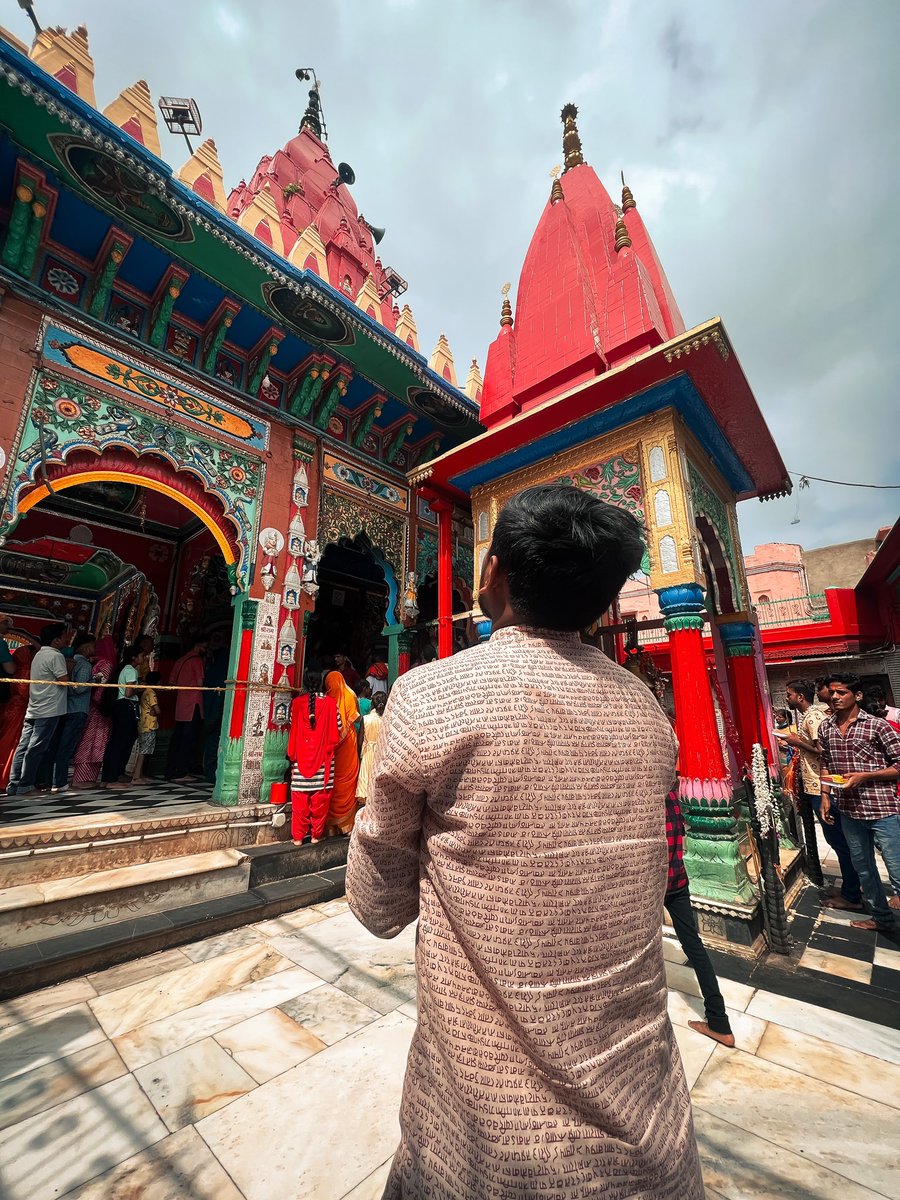
What a lovely warm welcome by @know_ur_dharma (thanks for the yummmmy chilly potatoes 🥰) @hathyogi31 and @findingtemples in the land of Mahadev, Kashi. ❤️
Looking forward to all that the Mahakumbh of Temples Itcx has in store in the next 4 days. Stay tuned! 💫

English
English

English
@Sumita327 @know_ur_dharma @hathyogi31 @findingtemples Thanks dear ❤️❤️❤️ wish all members of the fam who aren't attending were here as well 🫶💫
English

@artisdiary @know_ur_dharma @hathyogi31 @findingtemples Awesome! Enjoy, all of you dear ones. 😍❤️🤗Har Har Mahadev! 🙏❤️🕉
English
Filipino

Deeply honored to be invited to the World's Biggest Temples Convention& Expo in Kashi where I'm privileged of working with Temples all across the globe towards empowering their ecosystem.
Thank you @findingtemples @GireshKulkarni @TempleConnect_ for this wonderful opportunity ☘️

English
Arti retweetledi

Arti retweetledi

When the tiger forgets there is a glass window and comes sneaky towards the man!!😳😳
English
Arti retweetledi
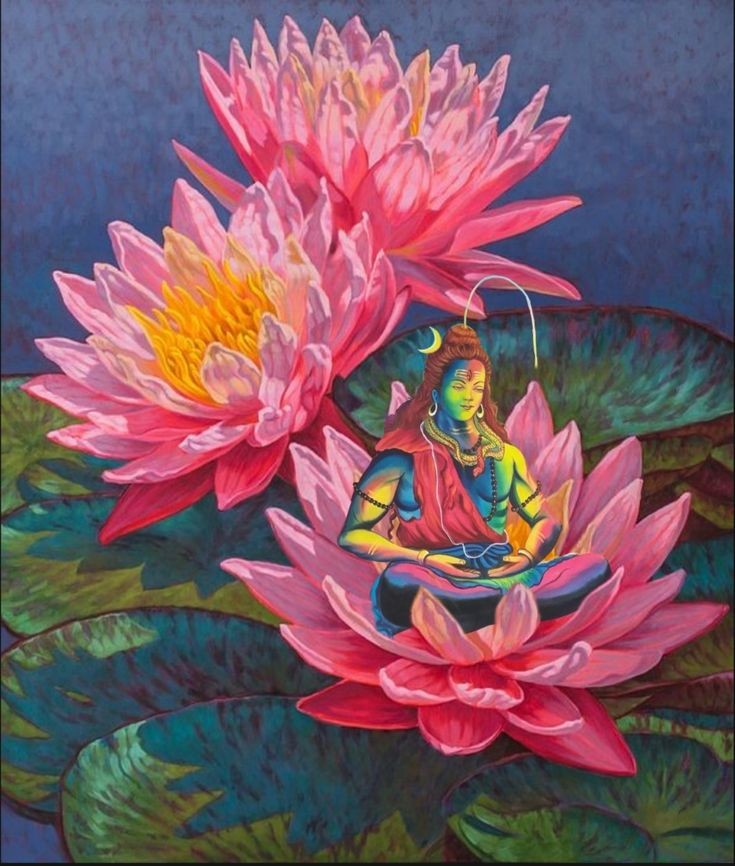
The lotus flower depict the level of faith the devotee has within himself. In our chaotic human life (represented by the dirty roots of the lotus) full of troubles and difficulties, we want to be free from pain and suffering.
#Team_Saffron 🚩
English