Ala retweetledi

Ala
10.3K posts


Siap merayakan Project Hail Mary!

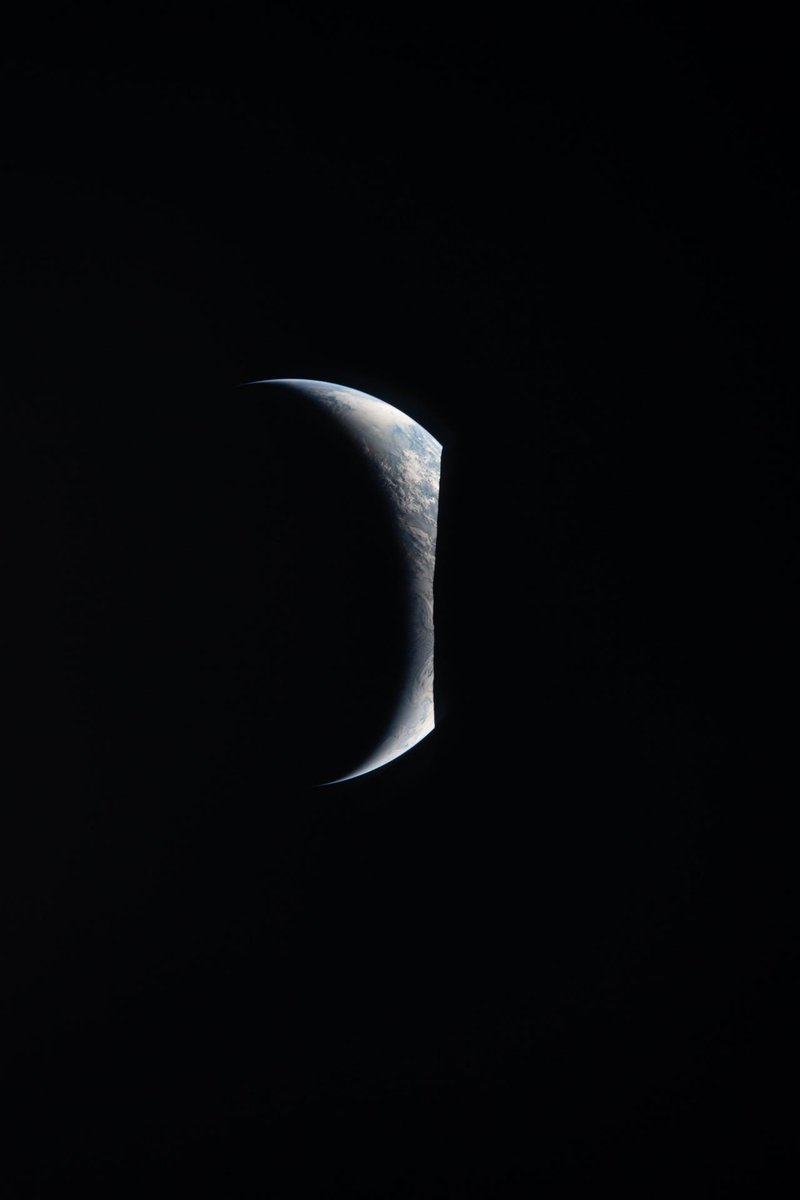


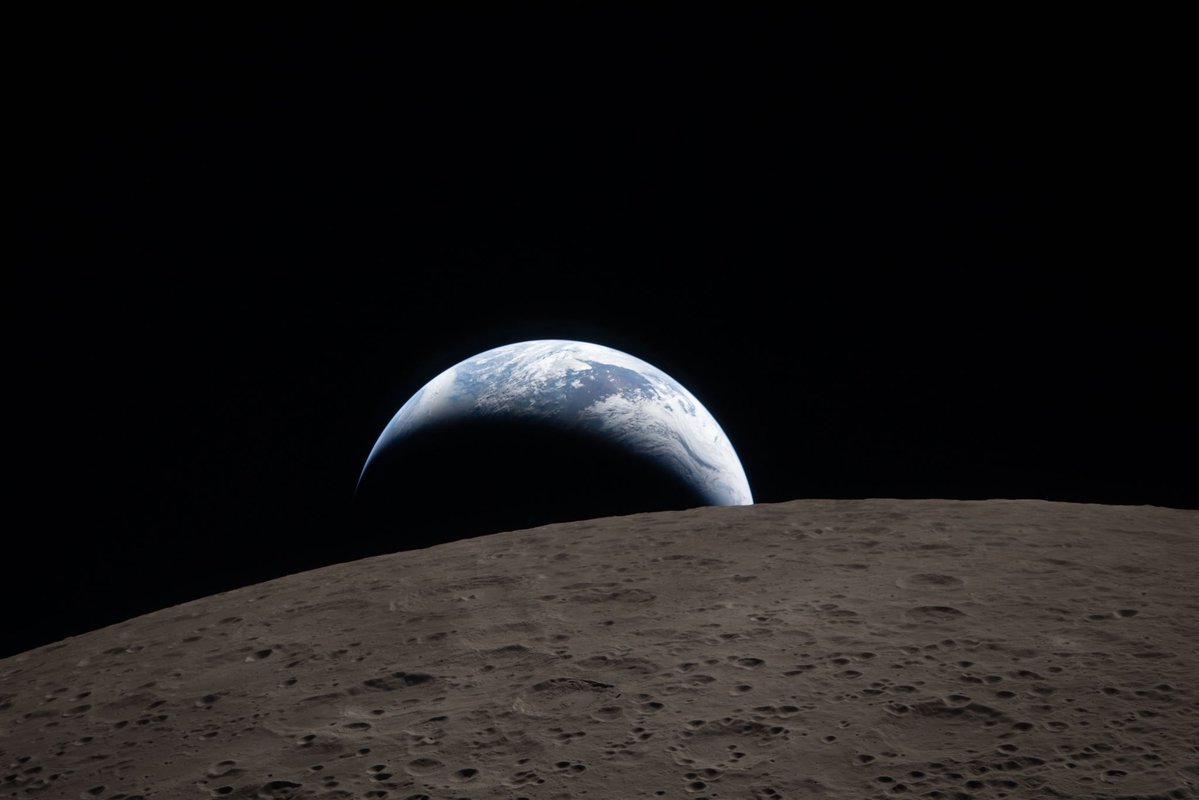
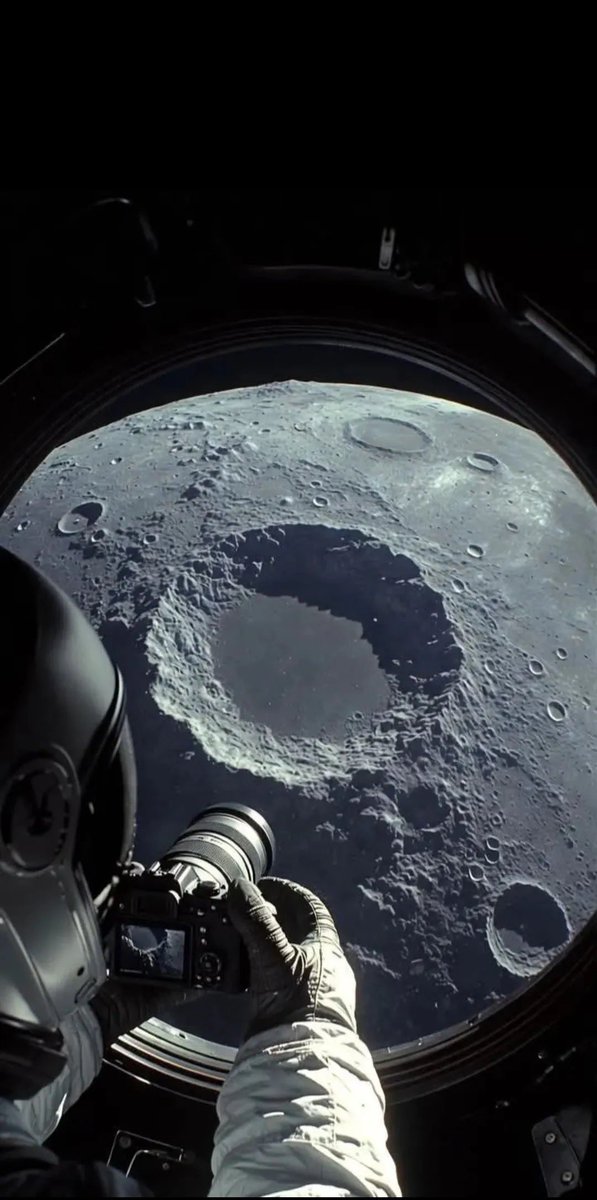
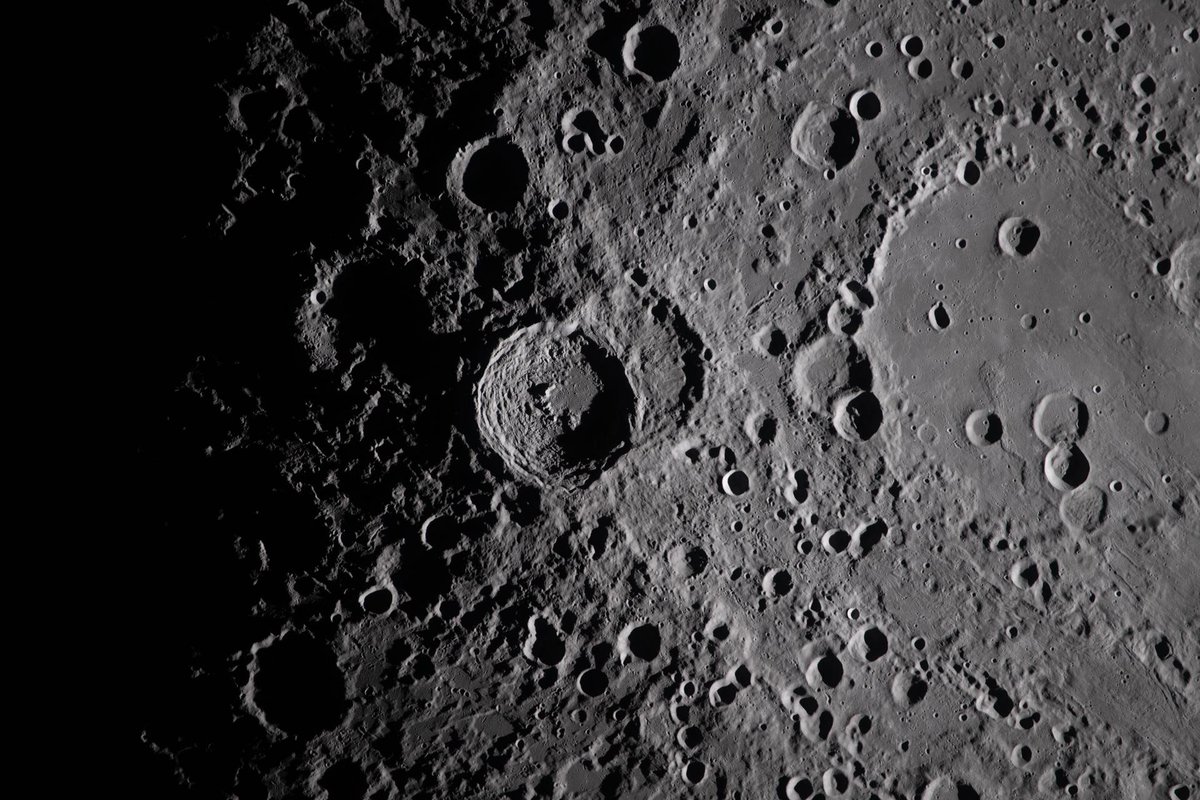
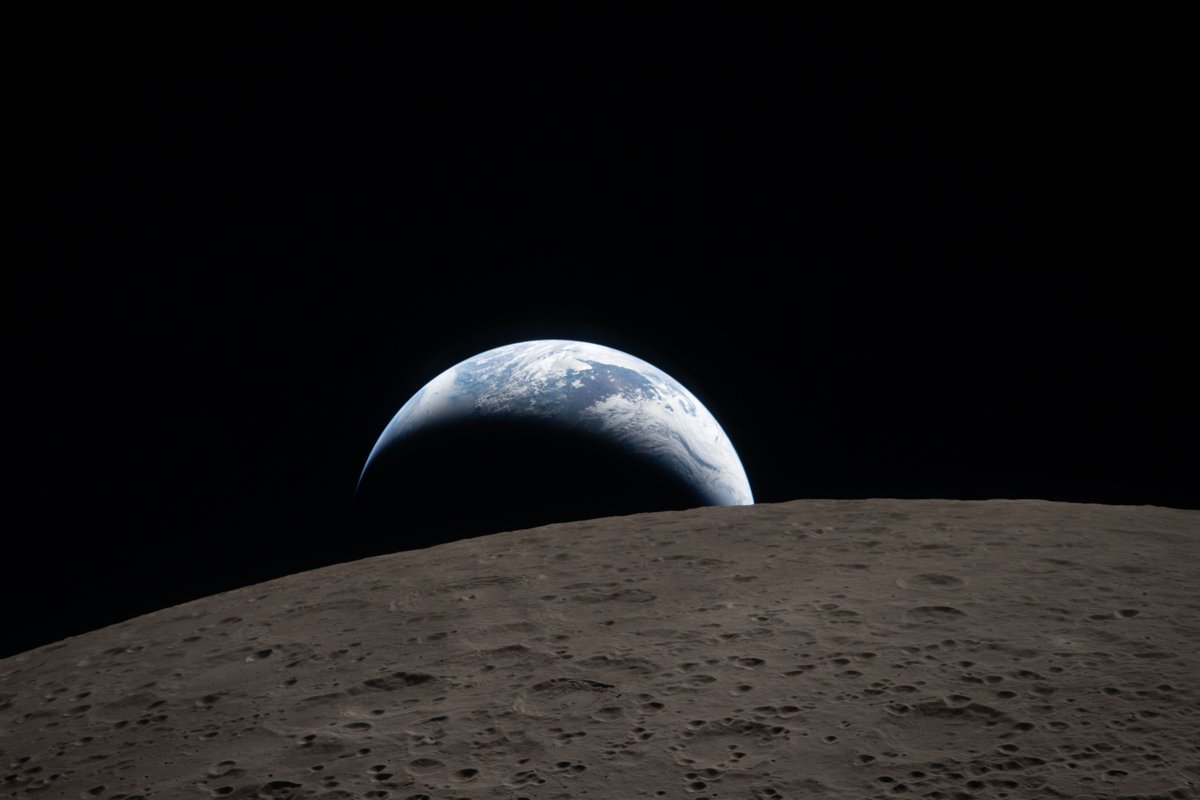
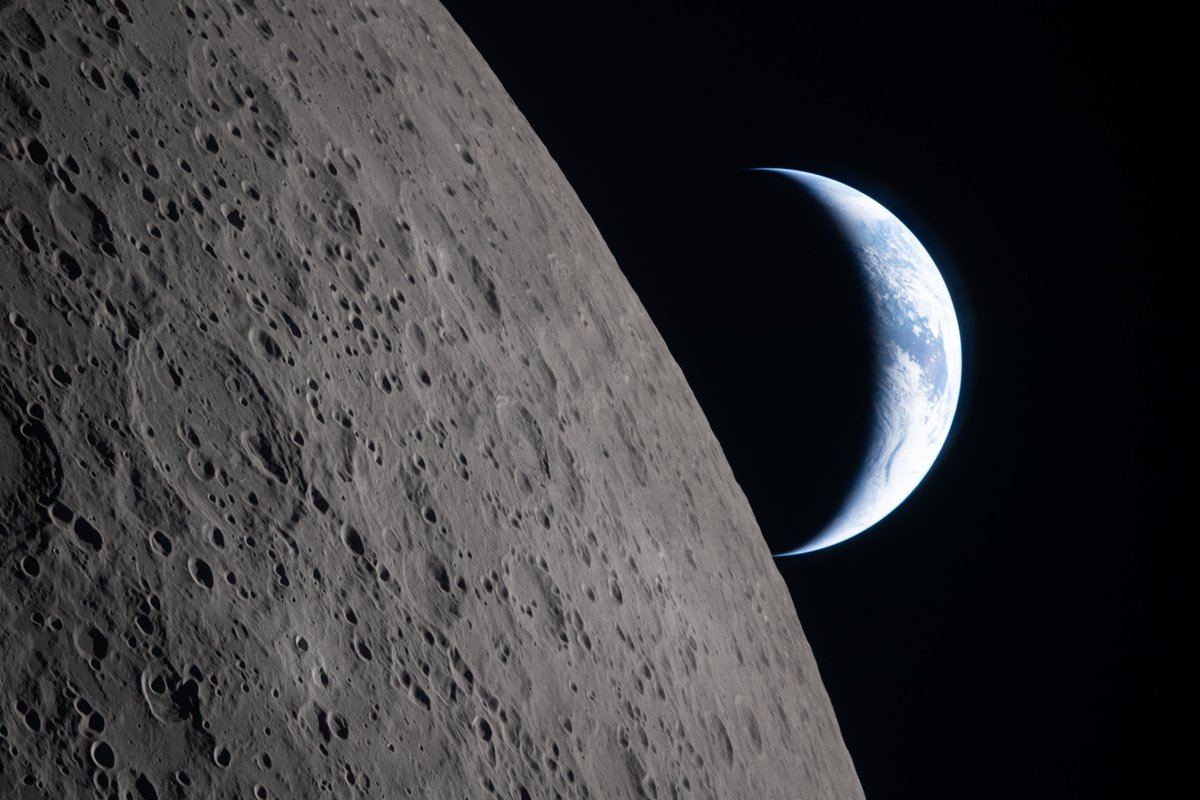
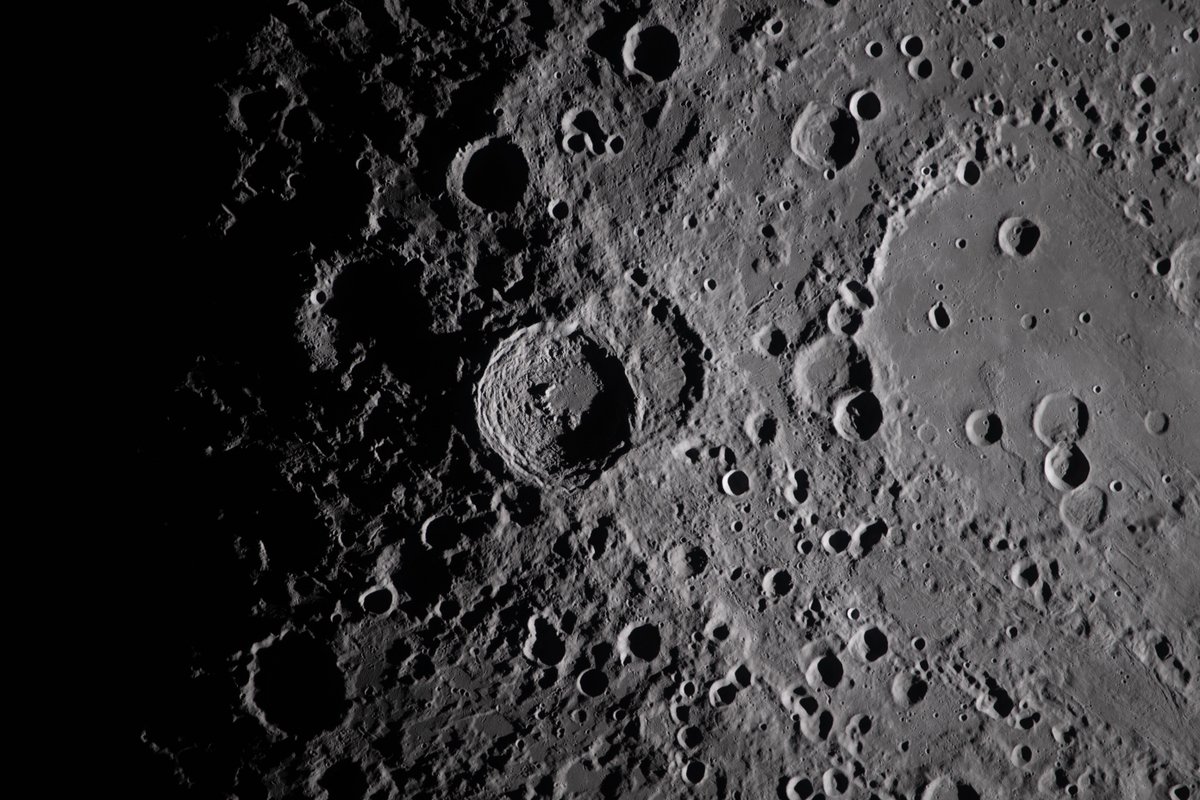
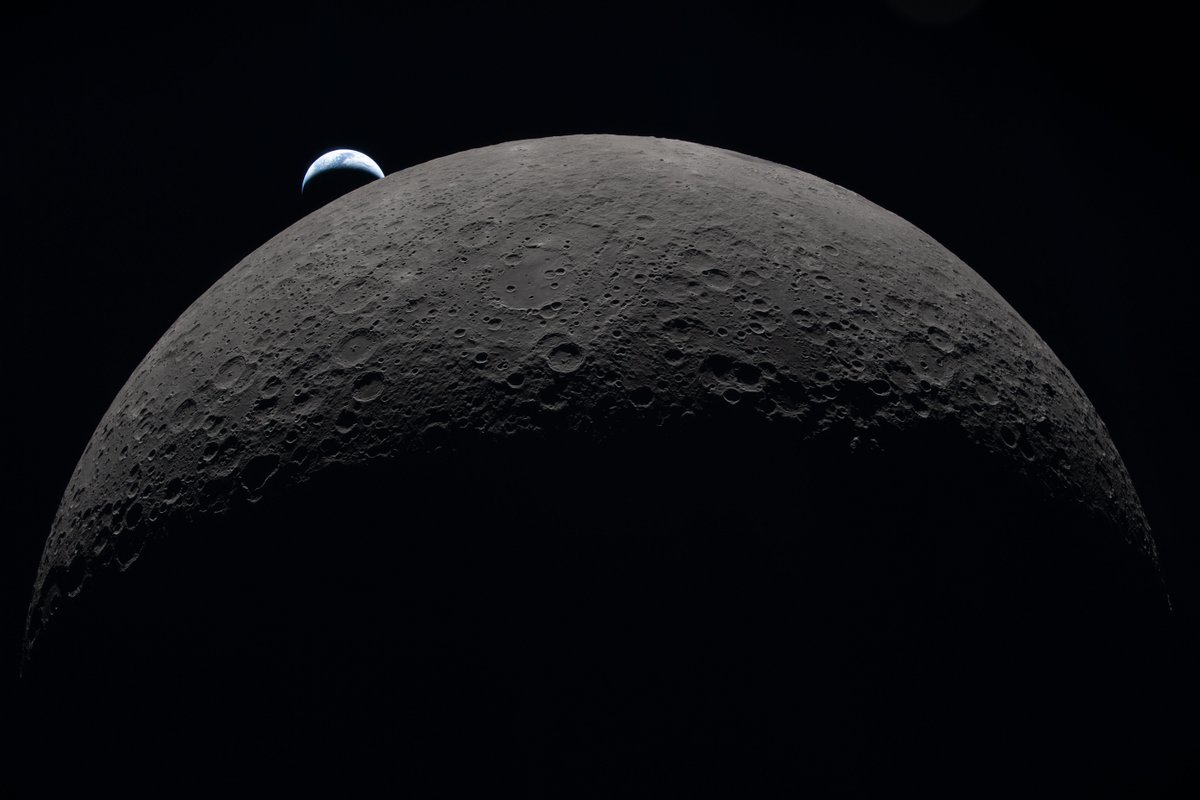
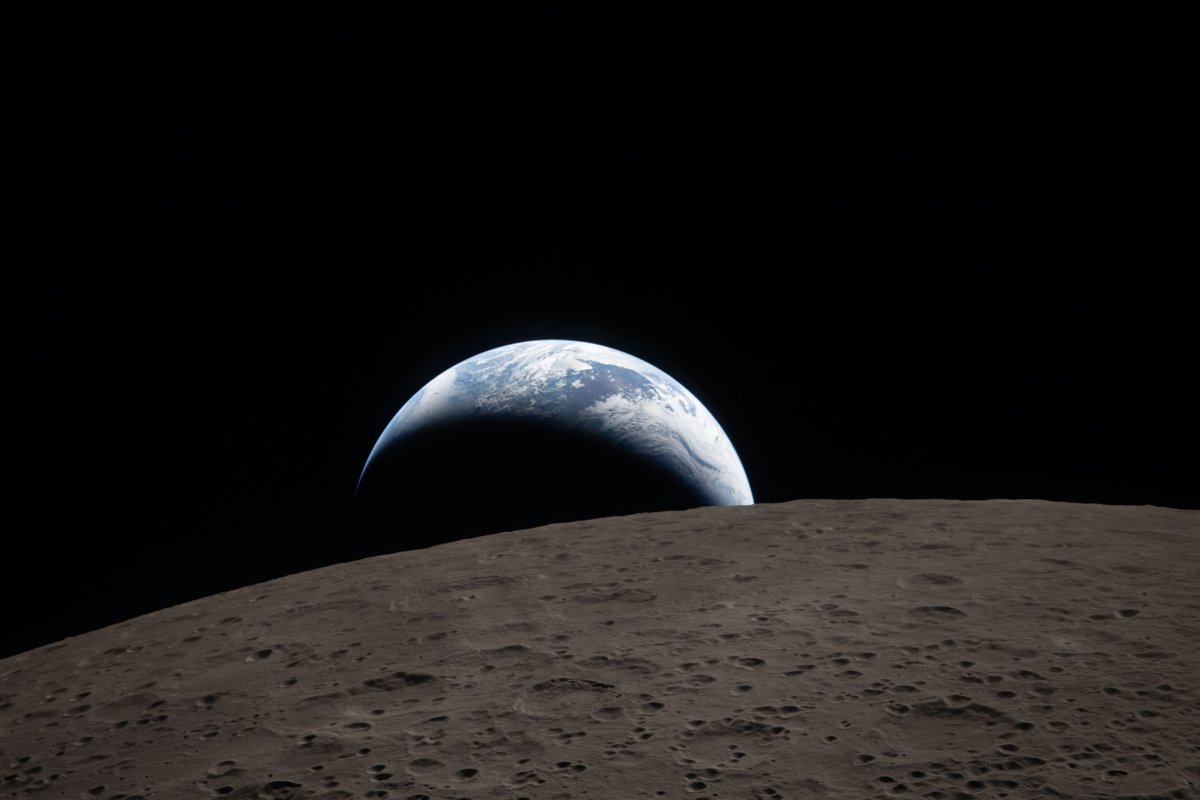
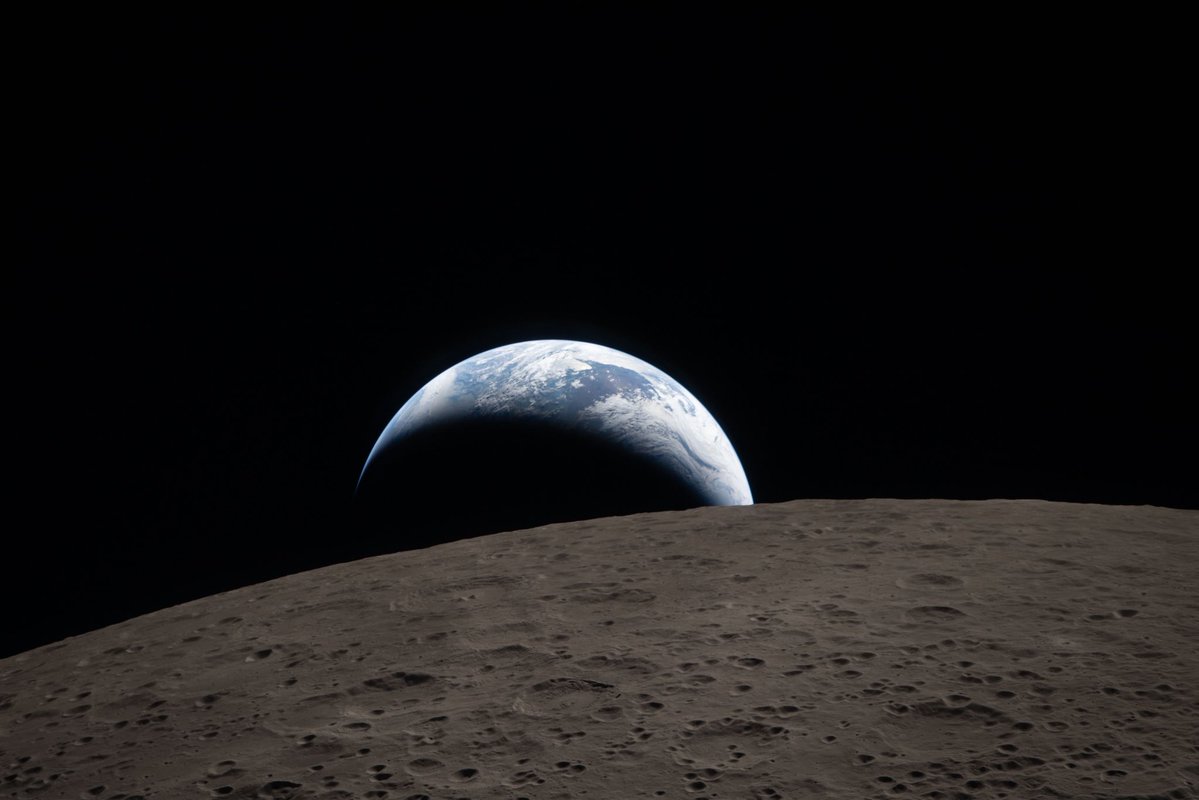
POV: You're flying by the Moon. This visualization is designed to show you what exactly the Artemis II astronauts will see outside their window during their lunar flyby. Here, the seven-hour visualization is compressed into 28 seconds. ⬇ (1/4)

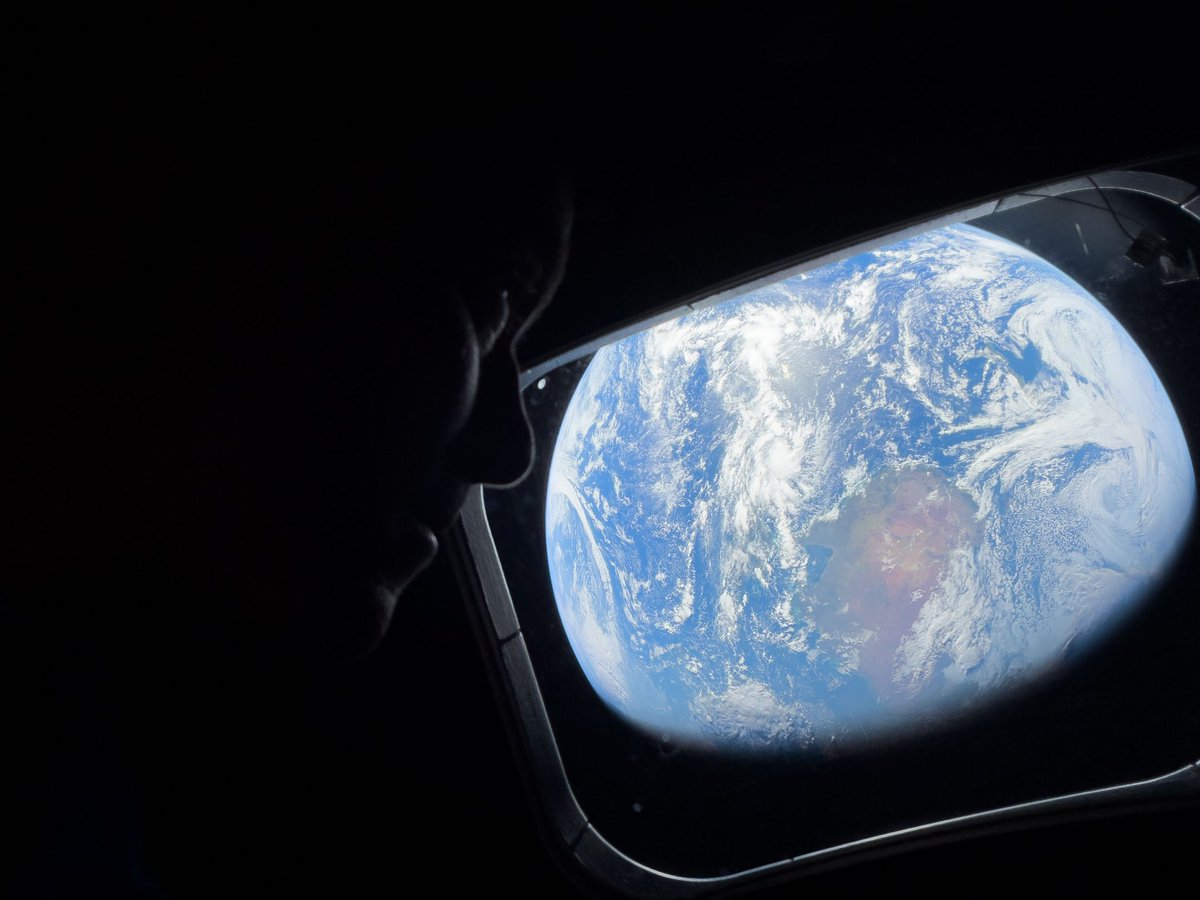
🚨: Christina Koch has officially become the only woman to orbit the Moon!










@AryHHAry Bagaimana dgn tujuan saat kembali? Bumi jg mengorbit matahari sehingga titiknya sdh bergeser dibanding titik saat berangkat


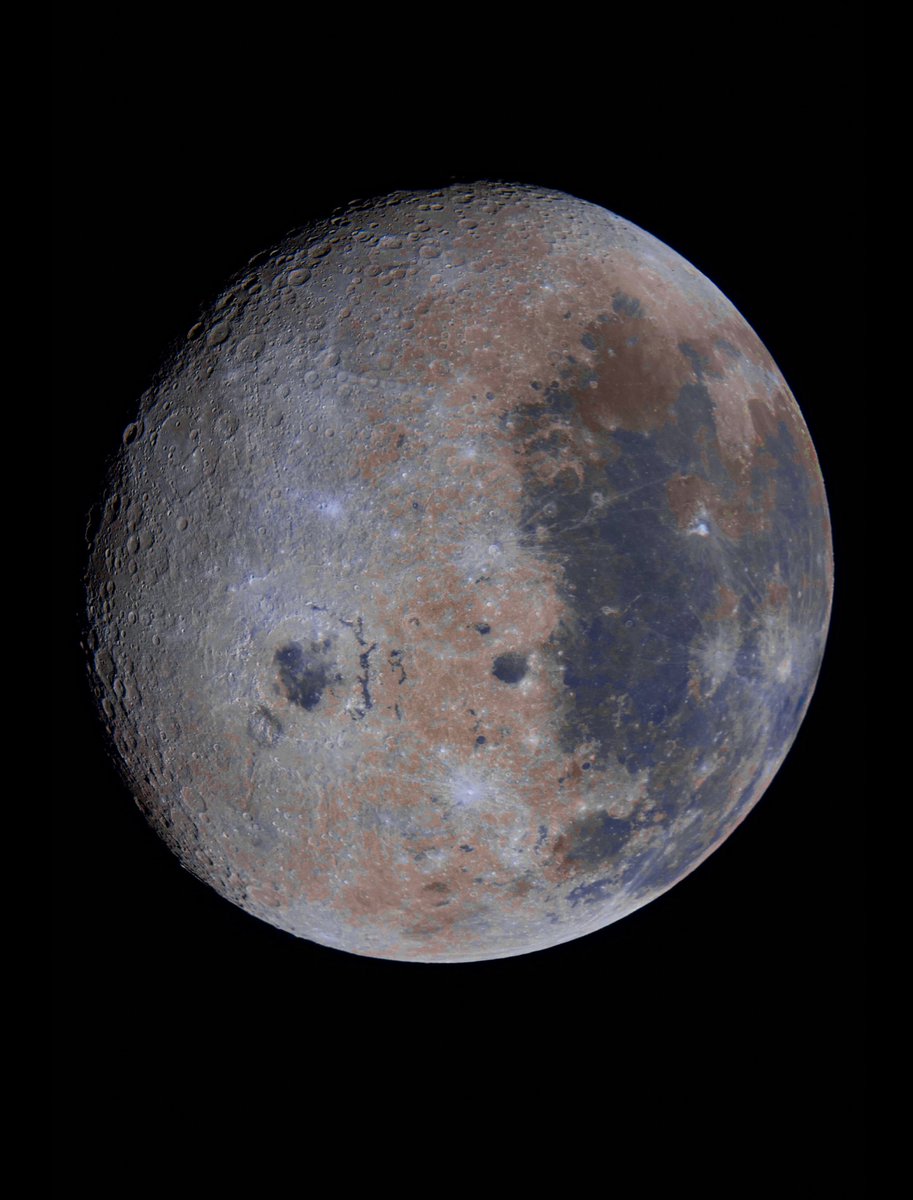
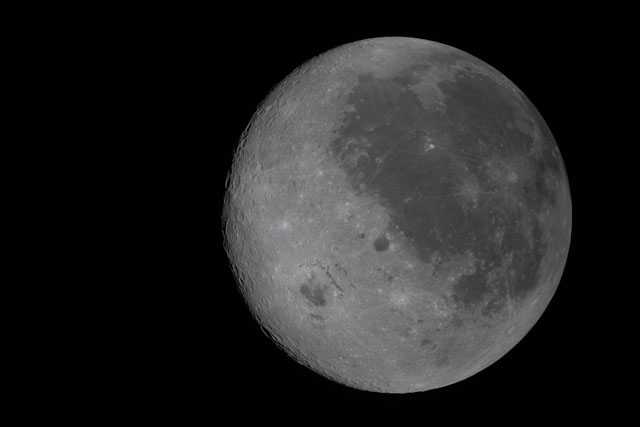
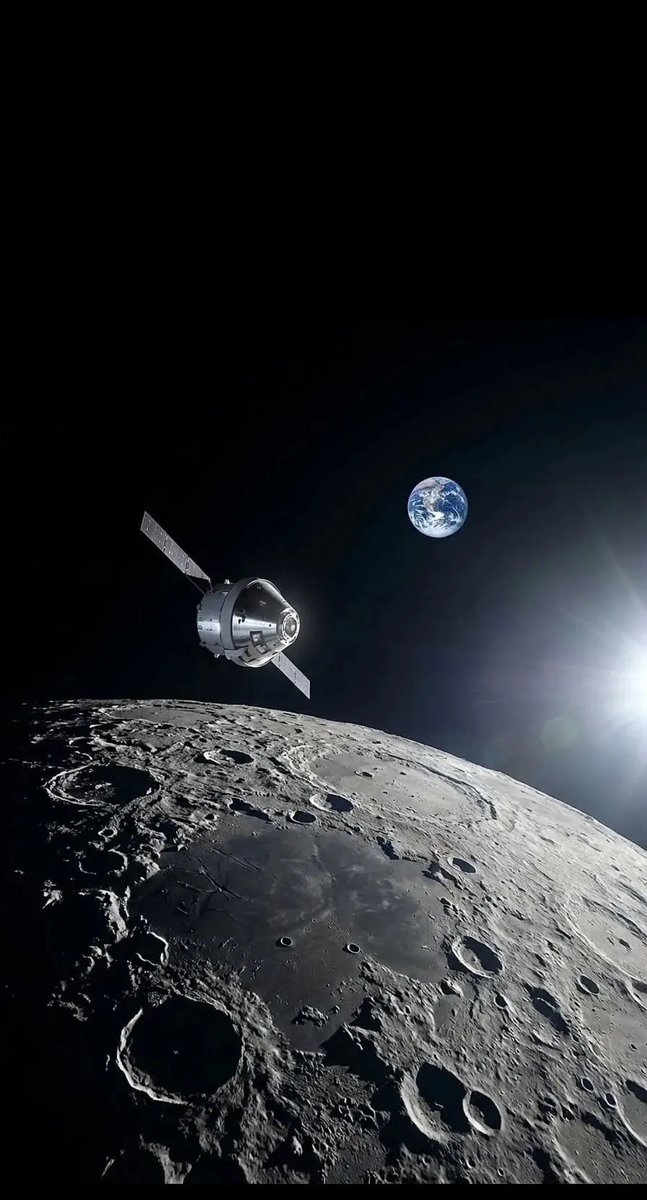
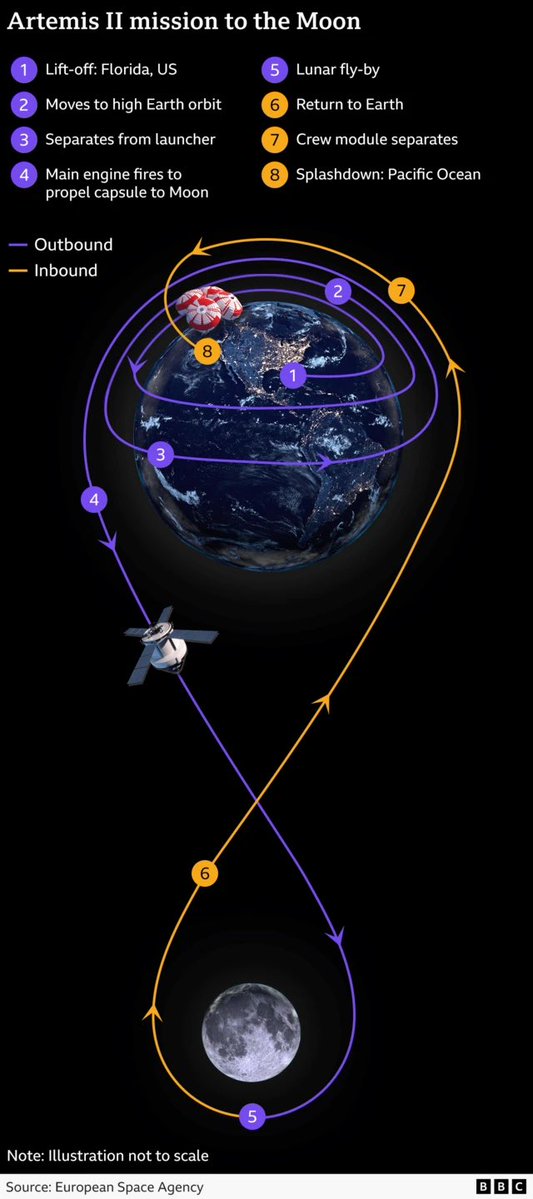
🚨SHOCKING: Artemis II mission isn’t “going to the Moon.” It’s aiming for a precise point in space where the Moon will be. 252,706 miles away . The human brain cannot process what this actually means. Every space mission you’ve ever seen depicted gets this fundamentally wrong. Movies show rockets flying toward a destination like an airplane flying toward an airport. Point at target, fire engines, arrive. Reality operates under completely different physics. When NASA launched Artemis II on April 1, 2026 , the Moon was somewhere entirely different than where the spacecraft will intercept it on April 6 . The rocket launched toward empty space, betting everything on a mathematical prediction of where a target traveling 67,000 miles per hour would position itself five days  in the future. Space travel is not transportation. It’s temporal ballistics. The Moon orbits Earth every 27.3 days, covering roughly 1.5 million miles of distance. During the ten day journey of Artemis II  , the Moon moves approximately 370,000 miles along its orbital path. The spacecraft launched in a direction that looks completely wrong to every human instinct, following a free-return trajectory that intercepts the Moon’s future position  , not its current one. This requires predicting exactly where an object the size of a continent will be located, down to mile precision, five days before the meeting happens. Any error in orbital calculation, any miscalculation in the Moon’s gravitational influences from Earth and Sun, any slight deviation in spacecraft velocity, and the crew of Reid Wiseman, Victor Glover, Christina Koch, and Jeremy Hansen  sails past their target into the infinite void of space. NASA engineers call this a “free return trajectory,”   but the name obscures the cognitive breakthrough required to make it work. You cannot think about space travel the way you think about any form of transportation that exists on Earth. Destinations don’t exist in space. Only intercepts exist. You’re never going somewhere. You’re always going somewhen. The mathematics behind orbital rendezvous calculations treats time and space as completely integrated variables. The spacecraft’s translunar injection burn on April 2  lasted exactly six minutes. Miss that window by even minutes, and the geometric relationship between Earth’s rotation, the Moon’s orbital position, and the spacecraft’s trajectory becomes unsolvable. The destination literally disappears from the realm of possibility until celestial mechanics realign. The Artemis II crew spent five days flying through vacuum toward coordinates   that would contain nothing but empty space if they had launched 24 hours earlier or later. They bet their lives on humanity’s ability to predict the future position of celestial objects with mathematical precision that exceeds anything we do on Earth. Today, April 6, they’ll pass within 4,070 miles of the lunar surface , reaching their maximum distance from Earth. But they launched toward empty space and intercepted a moving target with pinpoint accuracy across a quarter million mile void. Space doesn’t contain destinations. It contains equations.