
Every team lives in two places
Above the line:
Curious. Open. Accountable.
Below the line:
Defensive. Blaming. Protective.
Neither is “wrong.”
Both are human.
But here’s the difference:
High-performing teams don’t avoid going below the line.
They just don’t stay there long.
A group becomes a team the moment it can handle an awkward moment together.
You know the one.
The tension in the room.
The slightly defensive comment.
When the energy shifts and everyone feels it.
But the teams that build awareness into their culture?
They bounce back faster.
The goal isn’t a conflict-free team.
The goal is a team that notices what’s happening — sooner.
Because resilient teams aren’t above the line all the time.
(That would be lovely… but also unrealistic.)
They just get back there faster.
The strongest teams I work with aren’t conflict-free.
They’re just really good at the comeback.
Someone says:
“Okay… that didn’t land the way I meant it to.”
“Hang on — I got a little defensive there.”
“Can we reset for a second?”
And just like that, the room exhales.
Teams take emotional cues from leaders.
If a leader:
• Gets defensive
• Avoids hard conversations
• Blames externally
The team will mirror it.
If a leader:
• Admits when they’re wrong
• Names tension calmly
• Invites dissent
The team will mirror that too.
When one team member goes into self-protection, others follow.
Meetings tighten.
Innovation shrinks.
Real feedback disappears.
The problem isn’t emotion.
It's not naming it and hoping it goes away.
Resilient teams don’t eliminate defensiveness.
They just don't get stuck there.
But the true cost is often unseen.
People start second-guessing what they say.
Energy shifts from solving problems to managing reactions.
Creativity shrinks.
Good ideas stay unspoken.
High-performing teams interrupt that cycle by asking
“What is ACTUALLY happening right now?”
Most teams feel it when the energy shifts…
but no one says anything.
So the awkward moment lingers.
The tension grows.
And a small issue becomes a bigger one.
Strong teams don’t pretend awkward moments don’t happen.
They notice and name them sooner.
And they recover faster.
Individual growth is powerful.
Collective growth? That’s where things really get interesting.
You can have a room full of smart, capable, self-aware humans…
and still not have a team.
Teams aren’t built on talent alone.
They’re built on trust.
On clarity.
On shared ownership.
Agency doesn’t mean doing more.
It means choosing differently.
Not pushing harder.
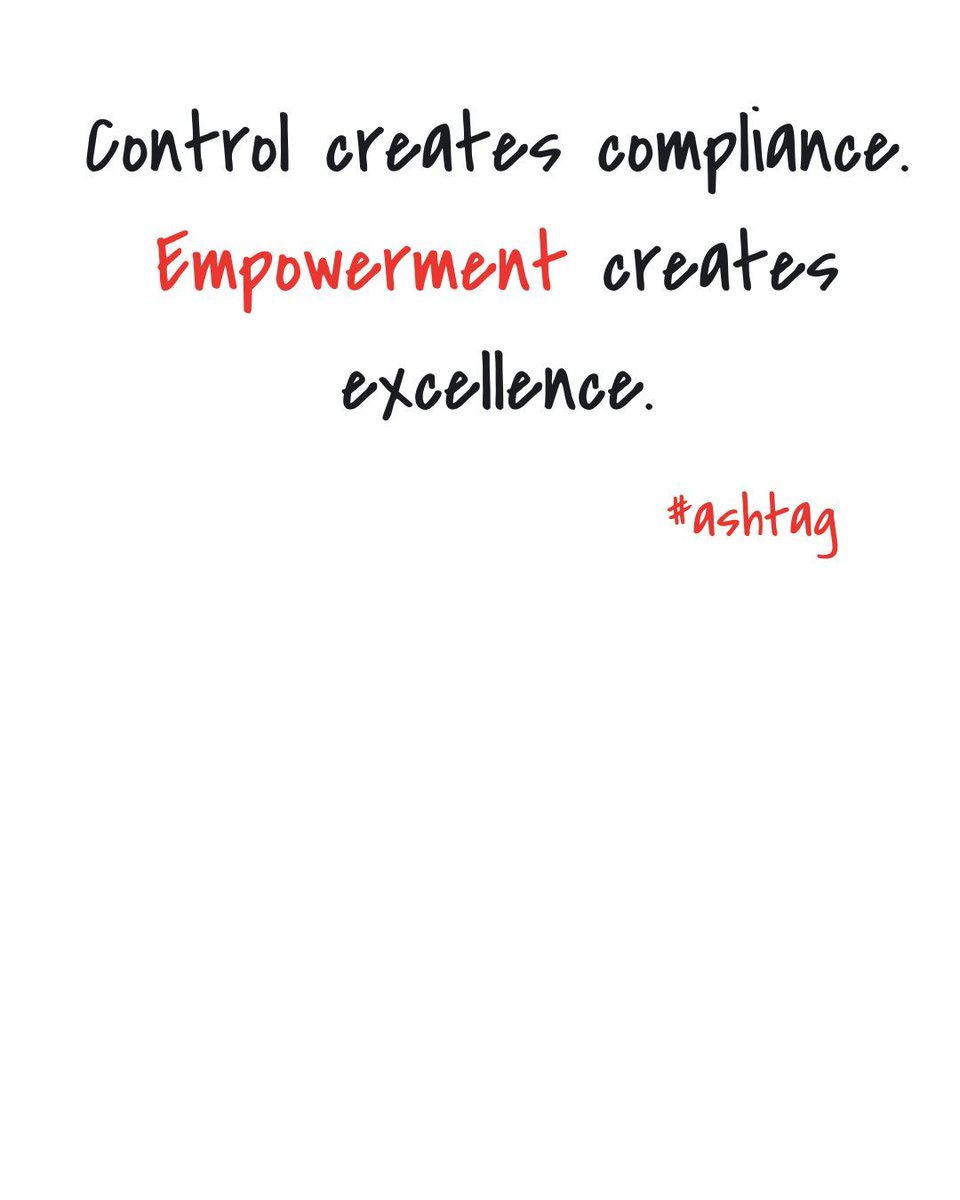
Not tightening control.
But asking yourself:
Where could I let go — and empower someone else instead?
Leaders don’t create agency by tightening the reins.
They create it by modeling responsibility, asking better questions, and trusting people with real ownership.
Reactive Leaders Feel Busy. Proactive Leaders Feel Grounded.
Proactive leadership is rooted in agency — the understanding that even in complex situations, you still have choice.
Agency doesn’t make leadership simple.
It doesn’t eliminate uncertainty.
It changes how you meet it
When a leader establishes a team culture rooted in both responsibility and agency, teams get better—quickly.
Responsibility says,
“I own my part.”
Agency says,
“And because I own my part, I get to choose what happens next.”
That’s where action lives.
A Simple Responsibility Check-In
Try this the next time something feels off:
Instead of asking,
“Why is this happening to me?”
Ask,
“What part of this is mine to own?”
Not all of it.
Not someone else’s behavior.
Just your part.
Some artists don’t just entertain us — they give us templates for how to show up.
Here’s to the reminder that we all carry multiple versions of ourselves.
And leadership — and life — is knowing which one to bring forward.
I thought being a strong leader meant taking on more than my share.
Covering gaps. Carrying the weight. Stepping in before things broke.
It looked like leadership but was actually burnout.
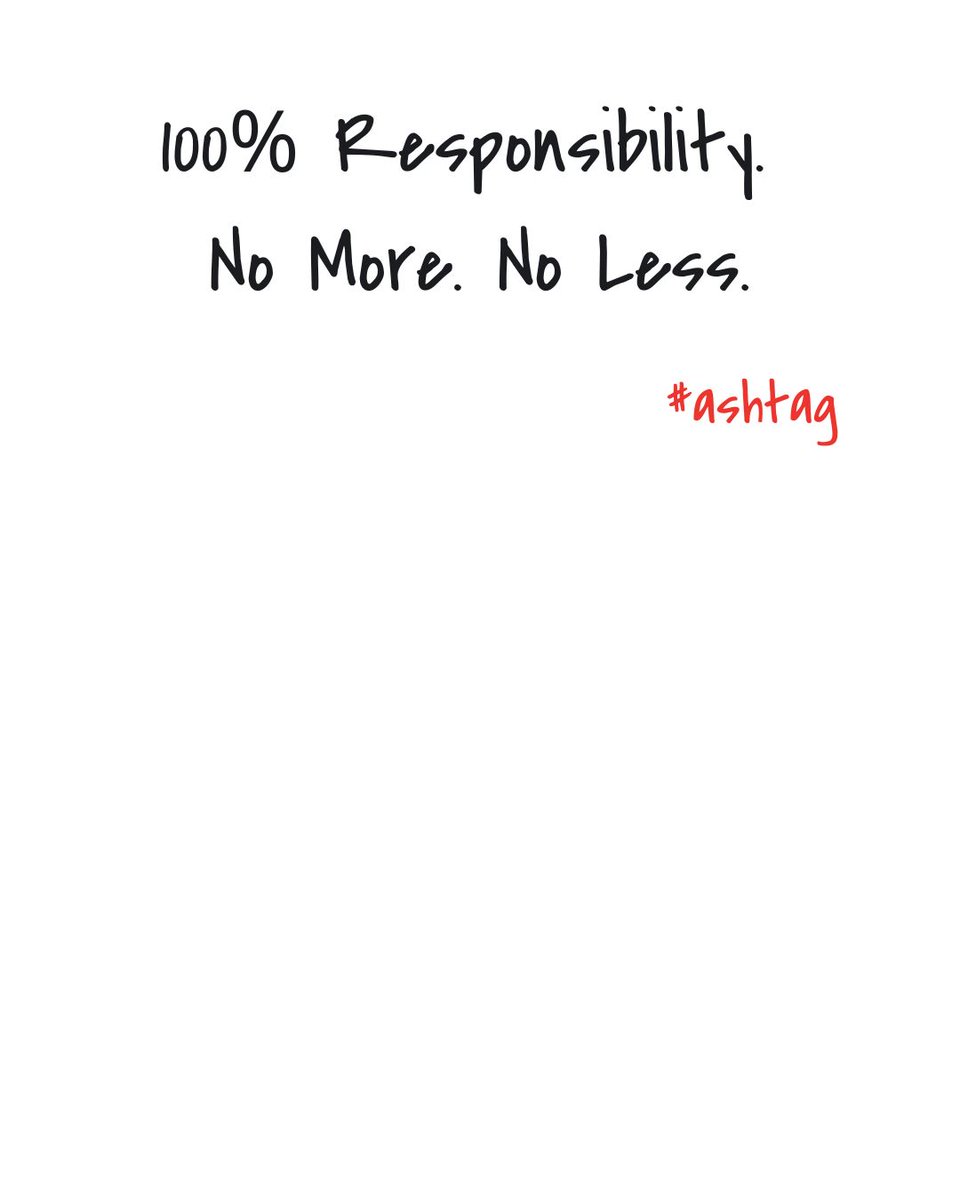
Taking 100% responsibility is the difference between carrying the team…
and leading it.
One of the most misunderstood ideas in leadership is 100% responsibility.
People hear it and think:
“I have to carry everything.”
“I have to fix everyone.”
“This is going to burn me out.”
That’s not responsibility.
That’s over-functioning.
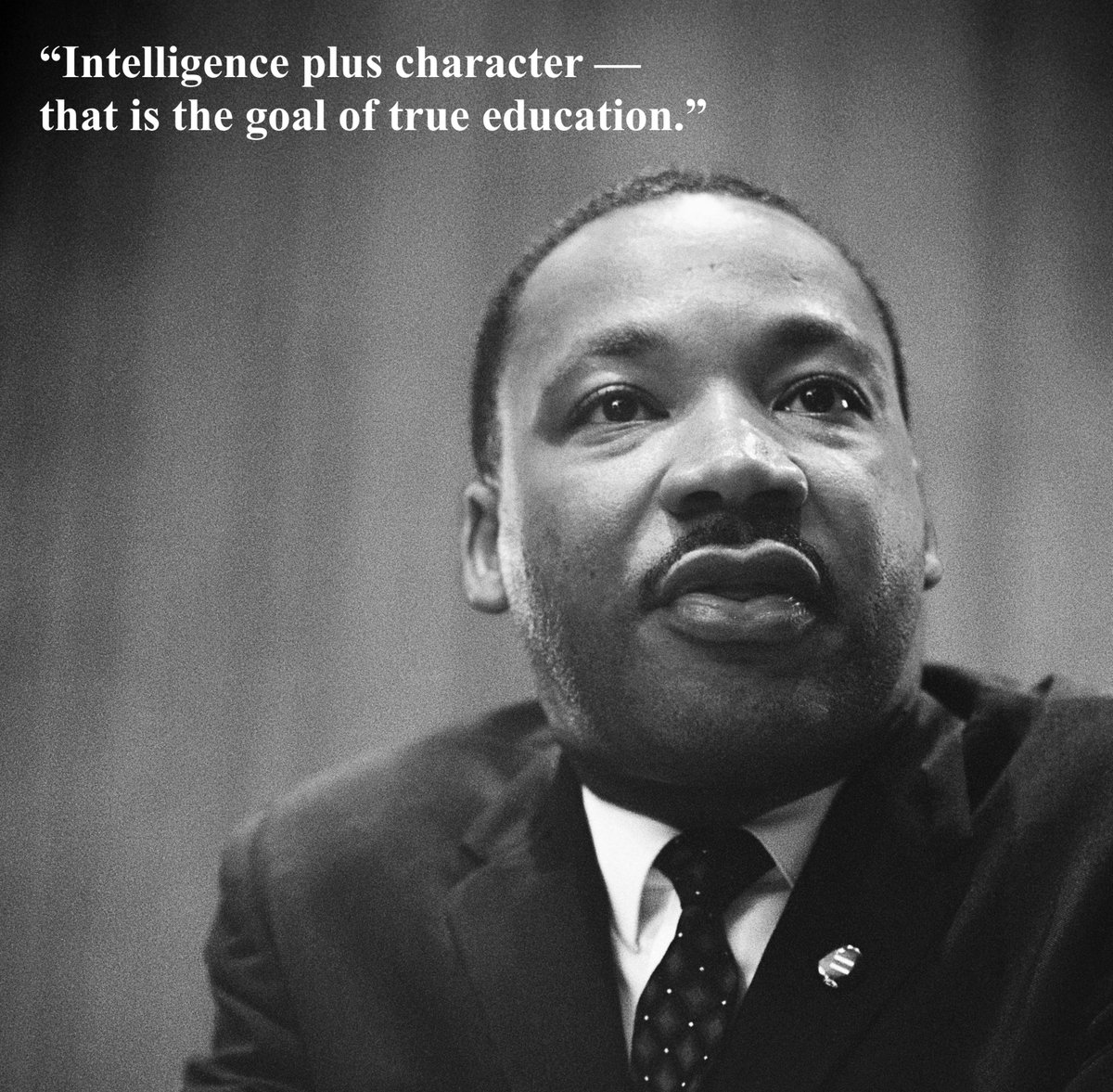
This doesn’t apply only to classrooms or schools.
It applies to all of us who teach in any capacity.
Honoring Dr. King’s legacy isn’t a one-day act.
It’s a practice.
One we return to, again and again, in the quiet choices we make when no one is watching.
Managing leans on control.
Coaching builds awareness.
The leaders I see thriving today aren’t trying to control every outcome.
They’re focused on developing people, not just driving performance.
They’re leading like coaches.