Ashar Asif

461 posts

Ashar Asif banner
Ashar Asif

Ashar Asif

@ashetabulum

Radiology @OUHospitals|@IRadResearch committee|@cirsesociety AI subcommittee|Cohort 5 Clinical AI Fellow|#rstats #python gadgets & gizmos|Aspiring🫀🫁🧠🦴#IRad

Oxford Katılım Ocak 2023
751 Takip Edilen281 Takipçiler
Sabitlenmiş Tweet
Ashar Asif
Ashar Asif@ashetabulum·
Still true 30+yrs later; if no change is to occur, academic integrity will continue to plummet. I used to hold the position of "don't hate the player, hate the game" but we can't just be a conveyor belt of lemmings heading to the edge in the name of professional progression.
Ben Van Calster@BenVanCalster

@fake_journals Sure we do. Doug Altman in 1994:

English
0
0
1
1.9K
Ashar Asif retweetledi
Heeyoung
Heeyoung@idlhy0218·
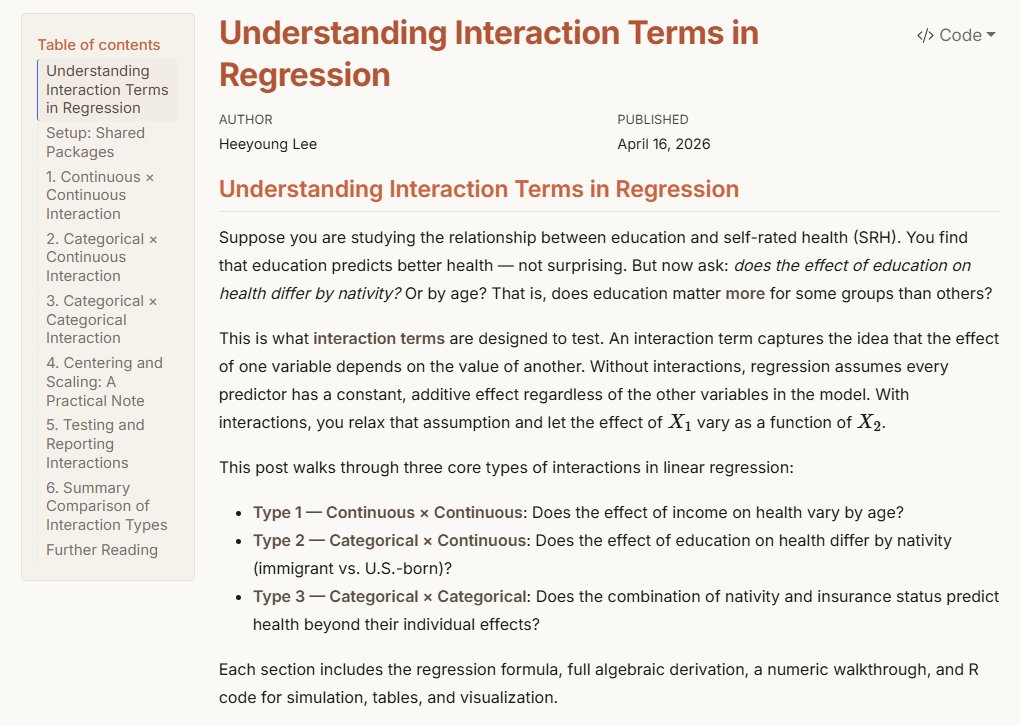
📊Stats Lab: Understanding Interaction Terms in Regression Basic logic of interaction terms in regression: 1) Continuous x Continuous 2) Categorical x Continuous 3) Categorical x Categorical Replication R code is available! idlhy0218.github.io/page%20buildin… #stats #dataviz
Heeyoung tweet media
English
0
64
344
17K
Ashar Asif retweetledi
JNIS
JNIS@JNIS_BMJ·
🧠 Radial first in neurointervention continues to grow. In this multicenter European study, the Benchmark BMX81 showed high technical success (96.3%) with low crossover to femoral access and few mostly minor access-related complications. @VCostalat 📖 Read more: bit.ly/4ss6jww
English
1
13
37
2.7K
A. Valentine
A. Valentine@AlexanderC19687·
@ashetabulum Wow. Imagine how much you’d complain if you had to do some actual manual labour?
English
7
0
0
1.8K
Ashar Asif
Ashar Asif@ashetabulum·
Not complaining- I knew medicine would be tough when I applied for medical school at age 18 (although not sure an 18 y/o fully appreciates the sacrifices involved...) but statements like these from our leadership are laughable and so far removed from reality
English
2
1
85
3.6K
Ashar Asif retweetledi
The British Society of Interventional Radiology
We heard last week about Raghu’s first six months as BSIR President. Now he is sharing what members can look forward to in the next six. From IOUK and the Paediatrics meeting to the Advanced Skills Course, Basic Skills Course for trainees, bursary opportunities and the run up to the ASM, there is plenty ahead for the BSIR community. Watch the video for a quick look at what is coming next. #BSIR #InterventionalRadiology #RadiologyEducation #IRTraining #ASM
English
0
2
1
370
Ashar Asif retweetledi
RJ
RJ@northwoods1980·
Just because there's "no significant interval change" doesn't mean you're off the hook. If something was never properly worked up or recommended for further evaluation, calling it stable doesn't protect you from being pulled into a lawsuit. You'd think a rad would know that😞
English
2
1
11
3.3K
Ashar Asif retweetledi
The British Society of Interventional Radiology
What does six months as BSIR President look like? In this video, Raghu @tweetraghuram speaks to Nike @NKHardy about some of the key moments from his first six months in the role, from progress with the industry scholarship and the launch of the first visiting professor for medical colleges, to society webinars, the women’s panel and plans for future research collaboration through an NIHR incubator grant proposal. A positive look at the work happening behind the scenes to support the future of interventional radiology. #BSIR #InterventionalRadiology #BSIRPresident #RadiologyResearch #MedicalEducation
English
0
1
1
394
Ashar Asif retweetledi
Publishing with Integrity
Publishing with Integrity@fake_journals·
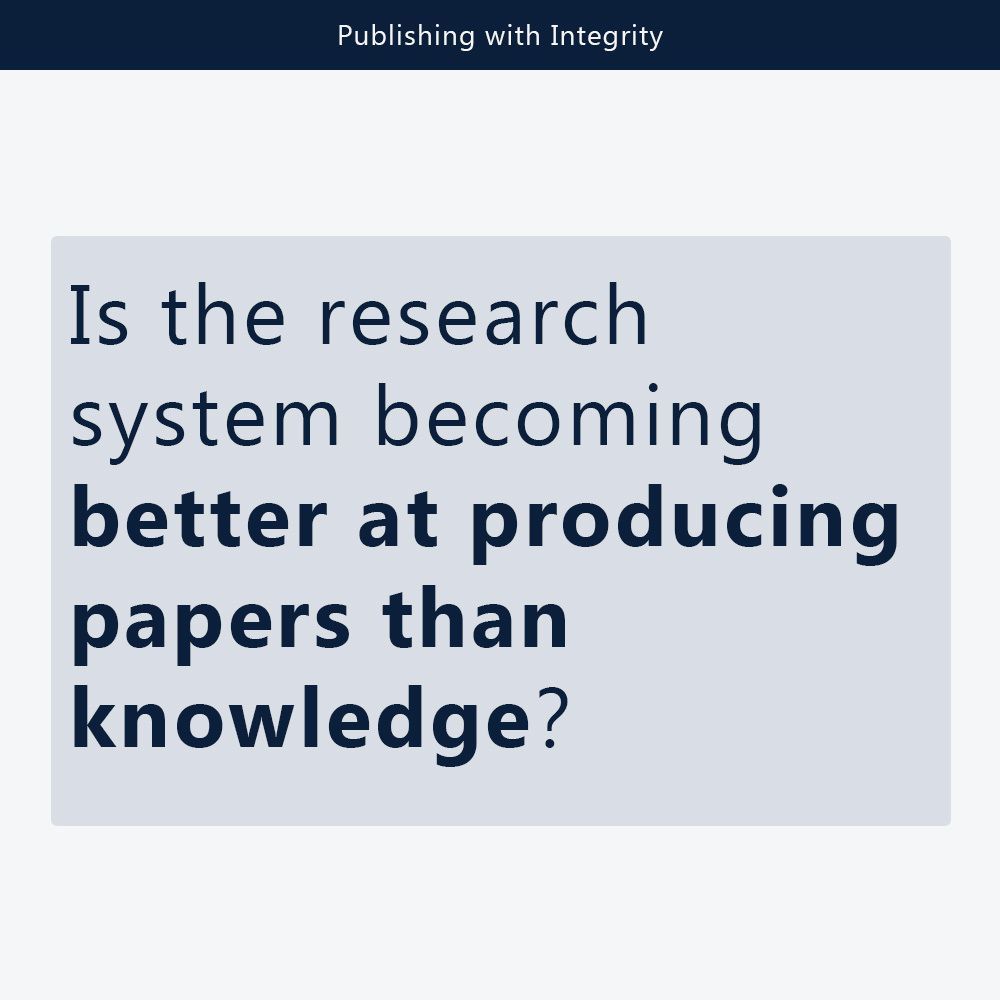
Are we producing too many research papers? The global research system produces an extraordinary volume of publications. Estimates suggest that well over three million papers (and that is probably on the low side as an estimate) are now published every year, and the number continues to grow. On the surface, this might appear to be a positive sign. More research activity should mean more knowledge, more innovation, and more progress, right? But there is an uncomfortable question that is rarely discussed openly. Are we now producing more research papers than the academic system can realistically absorb? ________________________________________ The expanding research literature Every year, thousands of new journals appear, and existing journals increase the number of papers they publish. Researchers face growing expectations to publish regularly. Promotion systems, funding requirements and university rankings all place strong emphasis on publication output. As a result, publishing has become a continuous activity rather than an occasional milestone in a research career. This expansion raises several questions. ⚫️ How many papers are actually being read beyond the authors and reviewers? ⚫️ How many make a genuine contribution to knowledge? ⚫️ How many are incremental additions produced mainly to meet performance targets? ⚫️ How many are simply lost in the ever-expanding archive of academic literature? ________________________________________ When volume becomes the objective Most researchers enter academia because they want to contribute new ideas and advance knowledge. However, the incentive structures surrounding research can quietly shift the focus. Instead of asking “What is the most important problem to work on?” researchers sometimes find themselves asking: “What can I publish next?” Over time, this can encourage a culture where volume becomes a proxy for productivity. The result may be a research ecosystem that produces more papers than anyone can realistically read, review or evaluate. ________________________________________ An uncomfortable possibility It is possible that the research system is becoming better at producing papers than producing knowledge. That does not mean that most research lacks value. Far from it. But it does raise a difficult question. If the number of publications continues to grow rapidly, how do we ensure that quality, originality and genuine contribution remain at the centre of scholarly communication? ________________________________________ I am curious about the views of others in the research community. Do you think the academic world is producing too many research papers?
Publishing with Integrity tweet media
English
5
8
24
2.7K
Ashar Asif retweetledi
The BMJ
The BMJ@bmj_latest·
"Currently, in radiology, doctors are struggling with unsustainable increases in demand for our services and, consequently, an unsupportable workload. But this is nothing new." Giles Maskell looks at what we fail to learn from NHS history bmj.com/content/392/bm…
English
4
12
23
7.7K
Ashar Asif retweetledi
Andrew Akbashev
Andrew Akbashev@Andrew_Akbashev·
Dear Publishers - We are getting increasingly frustrated. We often spend years on a single(!) study. It includes a lot of planning, expensive experiments, discussions, complex data analysis and writing the final masterpiece. Our students spend their most precious time on it. Our postdocs work to the limit because they know the cost of tenure-track positions. When we finalize the study, we write a thorough story and submit it. And we often celebrate because it’s done. We celebrate all the work we put into the study. But only to find out later that our manuscript is left sitting on someone’s desk for years. __ We don’t blame the editors, many of whom work tirelessly for very little compensation to assess submitted papers, find reviewers and make difficult decisions. Editors are often the same faculty & scientists as we are. We blame the system that favors business over science. The system in which we are expected to use our precious funding just to have that PDF uploaded online. Those $10,000 fees come from taxpayers’ money. Our students could attend 3 conferences instead. We could buy chemicals, instruments, computers... In other words, we could spend it on science and education. But instead we give $10,000 to a journal so that our PDF gets ‘approved’ and comes online, generating up to 40% profit margins for the publisher. __
Ruslan Rust@rust_ruslan

I currently have three papers in review at "high impact" journals. One of them has been sitting there for two years. In that time my daughter was born and learned how to walk, but apparently publishing a PDF was still not possible for me. For another one, after four months in review the editor told me they cannot find a second reviewer and asked me to suggest more reviewers. A third one sent me a message in 2026 saying the PDF I uploaded was larger than 10 MB and that I should please reupload everything to make the file smaller. All of this just to eventually pay between 7,000 and 12,000 USD per paper so someone can officially approve that the science we do is "legitimate". Reminder: not a single reviewer will be compensated here. I still don't understand how we as scientists can collectively be so smart when doing science and still tolerate a system like this when it comes to sharing our findings. We should move to preprints plus open review, whether human or AI, asap. So frustrated about it. I'd suggest sharing your work on bioRxiv or medRxiv, reading and reviewing preprints when you can, and highlighting good research, especially if it is still a preprint. Try platforms like ResearchHub (that pay for peer review) and experiment with AI based reviewers for faster feedback. Instead I read this as a proposed "revolutionary" measure:

English
15
23
113
23.7K
Ashar Asif retweetledi
The British Society of Interventional Radiology
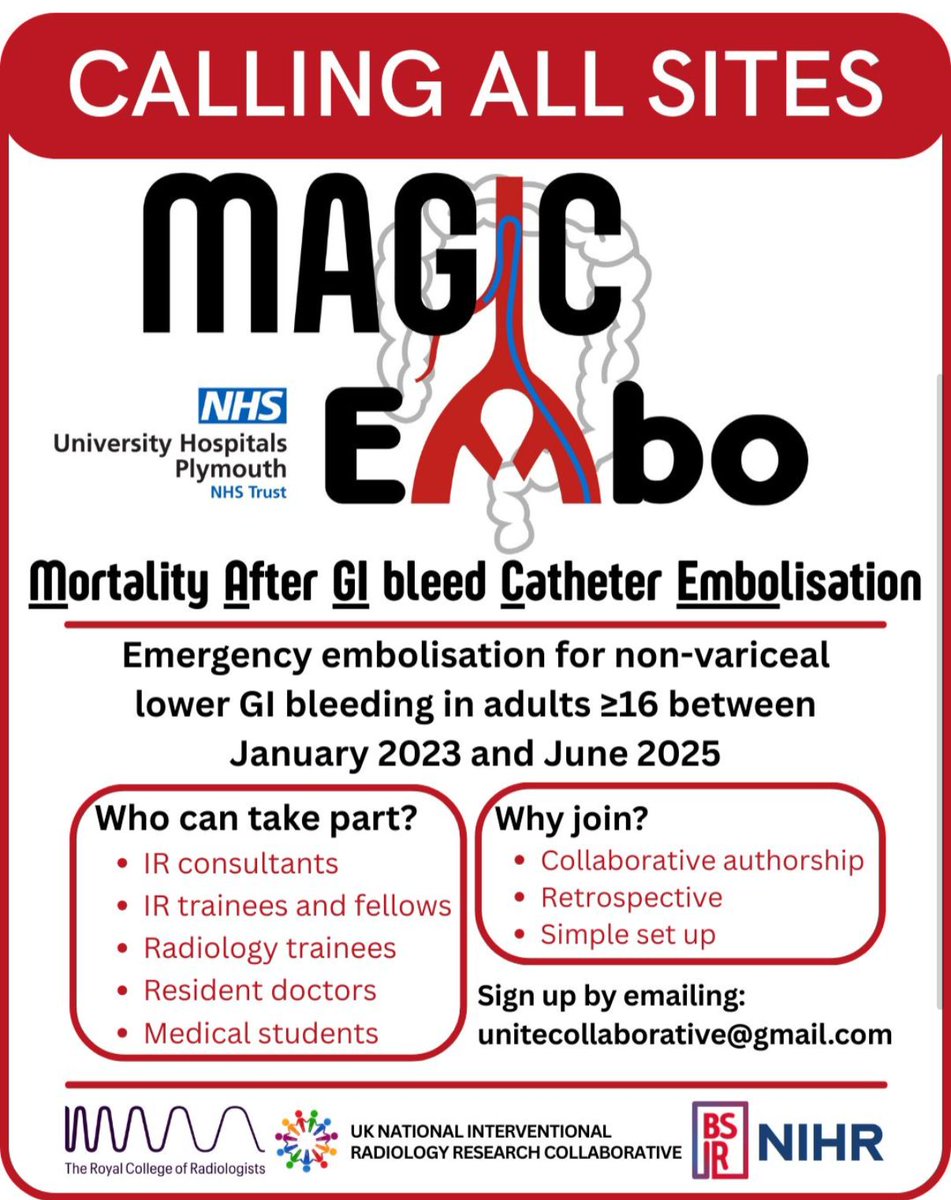
Last year, the British Society of Interventional Radiology Research Bursaries supported a project that is now growing into an exciting international collaboration. The MAGIC EMBO study is a multi-centre observational project examining outcomes following emergency embolisation for acute non-variceal lower gastrointestinal bleeding. The aim is to better understand re-bleeding rates, complications and technical success so that clinicians can improve patient selection, treatment approaches and overall outcomes. Since receiving bursary support, the project has already gained interest from 46 sites across England, Scotland, Wales, Ireland and internationally, including centres in Turkey, Singapore, New Zealand and Australia. It has now also received UK Health Research Authority approval, with site set-up underway and data collection beginning soon. This is exactly the kind of research the BSIR Research Bursaries are designed to support. Early funding can help promising ideas grow into large collaborative studies that shape the future of interventional radiology. If you are considering a research project, the BSIR Research Bursaries could help turn your idea into the next collaborative success. Find out more and apply via the BSIR website: bsir.org/membership/bsi… #BSIR #InterventionalRadiology #IRResearch #MedicalResearch #RadiologyResearch
English
0
1
1
382
Ashar Asif retweetledi
Leah Pierson
Leah Pierson@leah_pierson·
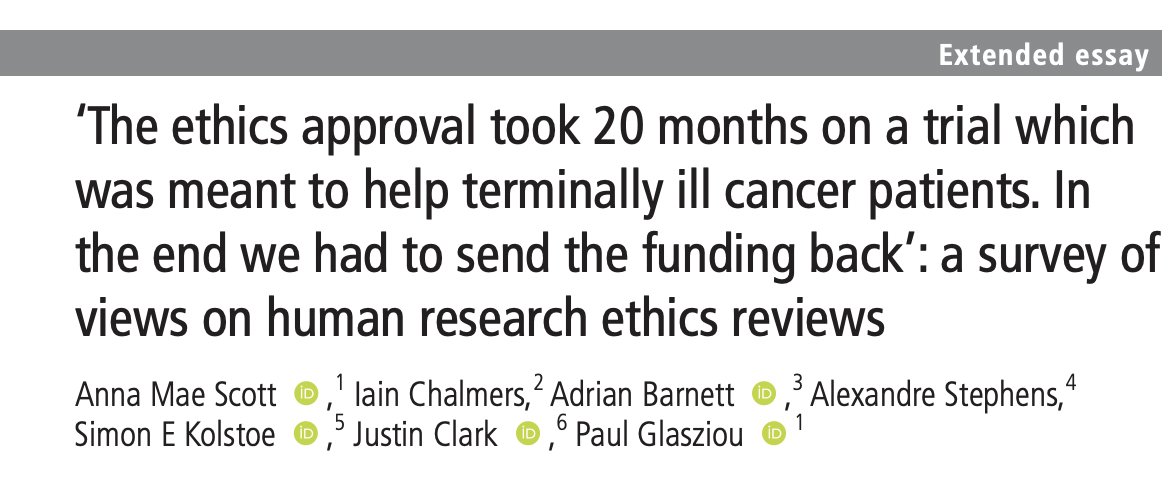
omg this title, this paper
Leah Pierson tweet media
English
45
1.3K
19.3K
621.9K
Ashar Asif
Ashar Asif@ashetabulum·
The result of algorithmic practice, which, if you do not have the appropriate appreciation of global physiol., anatomy, pathophys etc, you will ultimately resign to.
Devan Sinha@DevanSinha

@theveindoc eg I previously worked in service where SpR/SAS stroke physicians removed to cut costs; replaced by stroke CNS only (prev support). No of CT/Angio quintupled over 3 yrs. +ve rate tanked for no net benefit. Instead picking up shoulder# & pancoast Tu on CTA 😳= sys cost + delays 📈

English
0
0
1
122
Ashar Asif retweetledi
The British Society of Interventional Radiology
🩺 MAGIC-Embo: Join UNITE's latest multicentre IR study The UNITE Collaborative is recruiting UK centres for a retrospective study of emergency embolisation for acute non-variceal lower GI bleeding (adults ≥16; procedures 01/01/2023–01/06/2025). ✅ Why join: •⁠ ⁠Collaborative authorship for contributors •⁠ ⁠Centre-level data for local audit/presentation •⁠ ⁠Minimal time commitment: case ID + REDCap entry •⁠ ⁠No patient contact •⁠ ⁠Strengthen research portfolio 📋 What you do: •⁠ ⁠Register the study locally •⁠ ⁠Identify eligible cases from IR records •⁠ ⁠Enter anonymised data in REDCap 📊 Outcomes: mortality, rebleeding, repeat procedures, technical failure, complications, technique differences 📧 To join, email us at: unitecollaborative@gmail.com for more information
The British Society of Interventional Radiology tweet media
English
0
1
2
309
Ashar Asif
Ashar Asif@ashetabulum·
Looking forward to take part in the NHS Clinical AI Fellowship from August!
Ashar Asif tweet media
English
0
0
1
93
Ashar Asif retweetledi
Dr Waheed Ahmed 🧬🦀
Dr Waheed Ahmed 🧬🦀@WaheedURAhmed1·
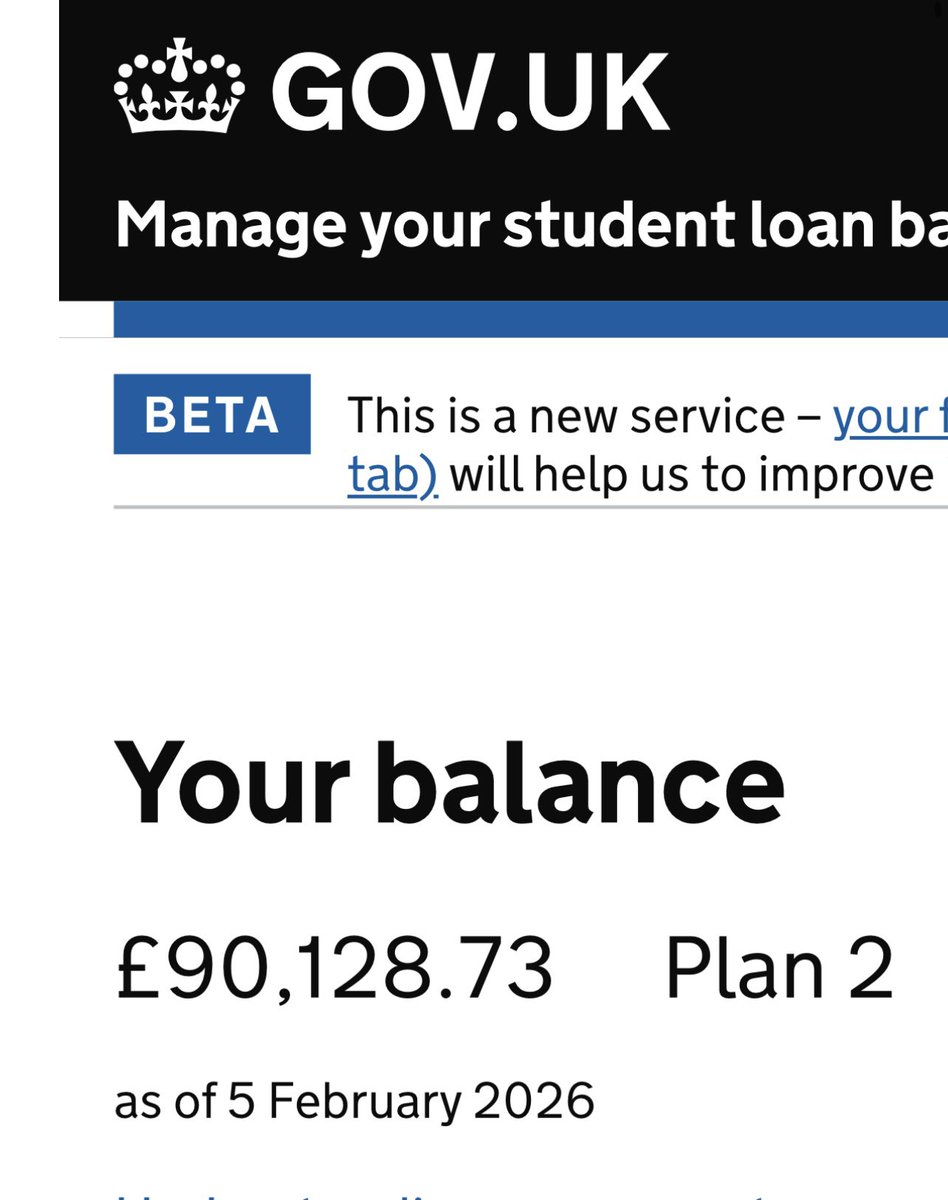
I graduated medical school in 2021 with £80k in student debt. Despite working as an NHS doctor for almost 5 years & repaying thousands each year, I now owe £10k more than when I started. This isn’t a loan — it’s a punitive graduate tax my generation will never be able to repay.
Dr Waheed Ahmed 🧬🦀 tweet mediaDr Waheed Ahmed 🧬🦀 tweet media
Oli Dugmore@OliDugmore

The combined tuition fees of the entire Question Time panel would not cover my cost for 1 year of uni. Is that fair?

English
98
610
4.9K
315.6K