Ash 🍃 retweetledi

Ash 🍃
8.3K posts








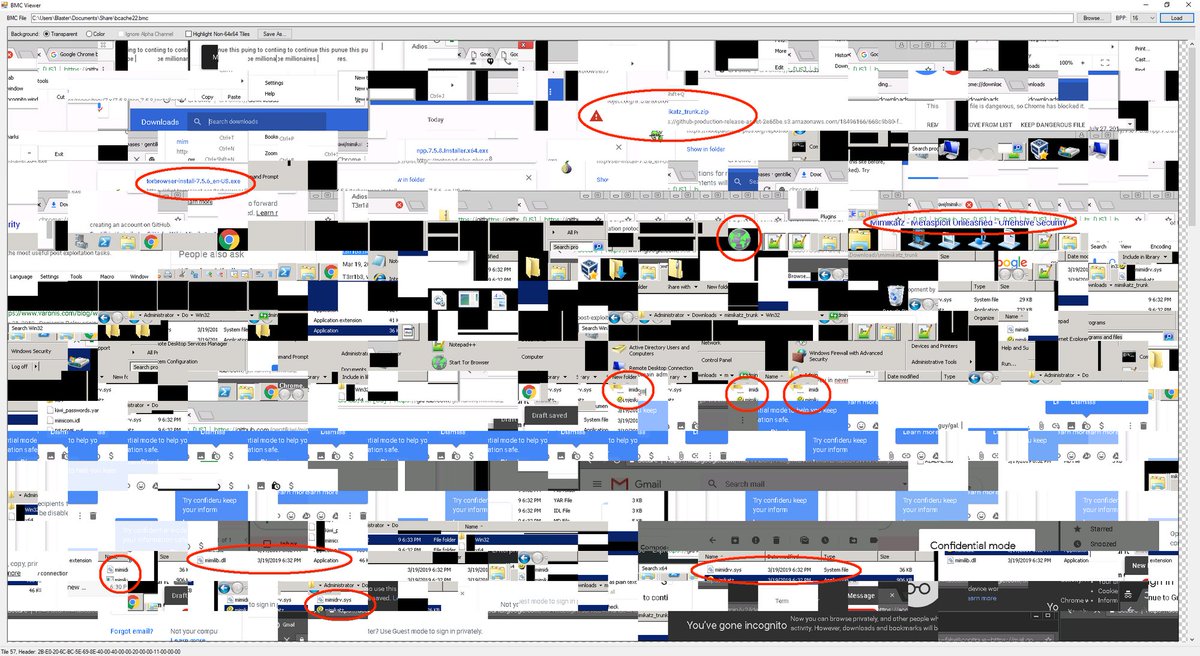
RDP Bitmap Cache.



What's the best moment where a character REALIZES something?

@Mahboiii Après est-il vraiment possible d'être véritablement anonyme sur internet ?

MAHA going well I see









The fact that Pavel Durov @durov has come out fighting for @RealCandaceO and for @charliekirk11 is important. 💥💥💥 I just happened to spend a few days in France where I was informed over breakfast by someone, who I trust to be reliable, that it was a French team that was subcontracted to kill Gadaffi. He told me how he was assassinated. We are advancing into a new age of transparency and the best advice that I can give to ALL Charlie’s friends is to be as transparent as is humanly possible. Protect the truth tellers at all cost. Their value to our world is unimaginable. Pavel, thank you for your bravery🙏.


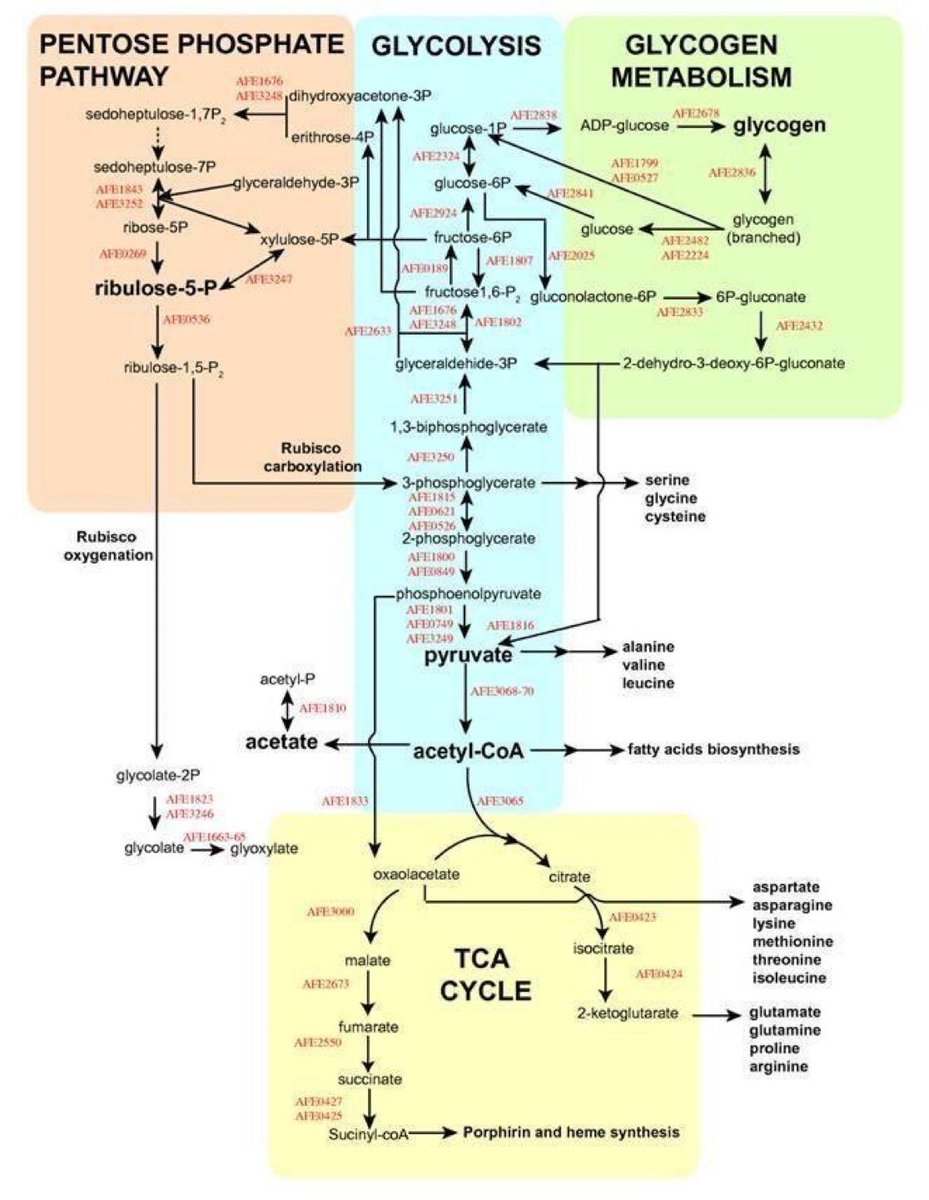
If you’ve ever wondered why diet, exercise, stress, or blood sugar affect your energy… this is the map behind it. This chart looks complicated, but here’s the simple truth: Your body only has one big metabolic system, and everything you eat (carbs, fats, protein) eventually gets funneled into the same handful of pathways. This is why your choices don’t just affect one thing… they affect everything. Here’s the real-world version of what you’re looking at: 🔥 1. Glycolysis = Quick energy This is where carbs go first. • Eat carbs → broken down to glucose → turned into energy fast • If you don’t need the energy right away → it becomes glycogen (your stored fuel) This is why carbs help with intense workouts and why you “crash” after eating sugar with no protein. 🔋 2. The TCA Cycle = Your main energy engine Everything ends up here eventually — carbs, fats, proteins. This is your mitochondria turning fuel into ATP, your body’s actual energy. If this cycle slows down? You feel tired, foggy, heavy, unmotivated. If it runs well? You feel steady, focused, and strong. Sleep, nutrients, and movement determine whether this engine runs clean or sluggish. 🍖 3. Protein o Amino acids can jump into these pathways when needed: Eating enough protein → supports muscle, hormones, enzymes Not eating enough → your body pulls amino acids from your own muscle to keep things running This is why protein protects metabolism, especially as you age. 🧬 4. The Pentose Phosphate Pathway = Antioxidants & repair This side-path makes the molecules your body uses to: • Fight inflammation • Repair damage • Build DNA • Detoxify cells If you’re stressed, sick, or inflamed, this pathway works overtime — and it needs nutrients (especially B vitamins) to keep up. ⚡ 5. Acetyl-CoA = The “traffic director” This single molecule decides: Should this become energy, fat, ketones, cholesterol, or something else? Everything you do (exercise, protein intake, stress levels, fasting, hormones) affects how this decision is made. This is why metabolism is not “calories in, calories out.” It’s chemistry + context + signaling. Why this chart matters to your daily life Because this is the blueprint of: ✓ Why some foods energize you and others slow you down ✓ Why protein helps with fat loss ✓ Why exercise improves blood sugar ✓ Why nutrient deficiencies can wreck energy ✓ Why stress affects weight and cravings ✓ Why sleep changes your hunger hormones ✓ Why fasting and low-carb diets shift metabolism