Aspidia
264 posts
Aspidia
@aspidia
We are a biotech company engaged in innovative microbiological research to combat pollution (PFAS, microplastics, hydrocarbons) and create industrial solutions
Milan, Italy Katılım Haziran 2021
129 Takip Edilen30 Takipçiler
@newstart_2024 Nice study, wrong conclusion. PFOA/PFOS half-lives in humans = 3–5 years. No microbiome outpaces daily exposure from water, food, cosmetics. You can't probiotic your way out of forever chemicals. The answer is remediation — destroy PFAS at the source.
English

Your gut bacteria might be quietly acting as a built-in filter against “forever chemicals”, and new research just showed how impressive that defense can be.
The Jaxen Report covered a fresh study on PFAS (persistent toxins found in military base water, cosmetics, and more). Certain human gut strains — especially Bacteroides uniformis, Bacteroides thetaiotaomicron, Odoribacter splanchnicus, and others act like living sponges. They rapidly soak up 25–74% of PFAS within minutes, store them safely inside their cells (even at high concentrations), and help flush them out through waste. The bacteria keep performing even as toxin levels rise.
It’s remarkable proof of how sophisticated our microbiome can be when we support it.
What really landed for me is realizing how much of our long-term resilience might depend on protecting these invisible allies. I’ve been paying more attention to what harms gut bacteria - ultra-processed foods, heavy drinking, and casual antibiotic use, because the ripple effects feel more significant the deeper you look.
In a world swimming in toxins we can’t completely avoid, nurturing a strong, diverse microbiome (with strains like these Bacteroides species) could be one of the smartest daily protections we have.
What’s one thing you’ve changed (or want to change) to better support your gut bacteria?
English
PFAS may be silencing your immune system.
A new study shows water-soluble PFAS shut down antibody production in human cells, by hijacking the stress-hormone pathway.
In vitro only, but it may explain why exposed people respond worse to vaccines.
DOI: 10.1007/s00204-026-04377-0

English
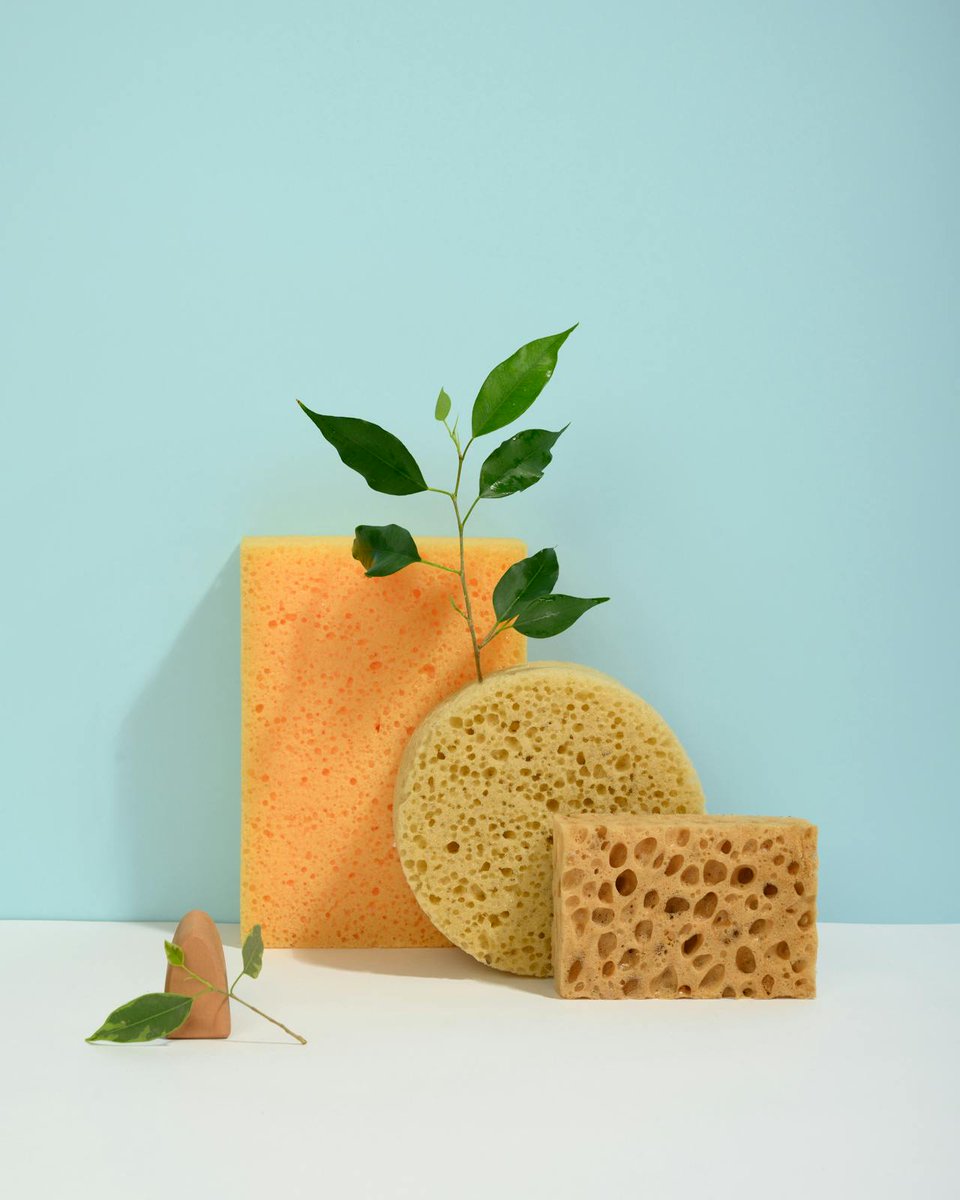
Here's the catch: the sponges don't destroy PFAS. They just move them from water into the sponge, then into a cleaning liquid.
The toxic molecules are still there. Still dangerous. Still "forever."
Capture isn't cleanup. It's just relocation.
📰: pubs.acs.org/doi/10.1021/ac…
2/3
English




English