astro bram

46K posts

astro bram banner
astro bram

astro bram

@astro_bram

Low Frequency Astronomy @fcbarcelona

Miranda , Uranus Katılım Ekim 2020
380 Takip Edilen4.3K Takipçiler
astro bram retweetledi
astrotuatha
astrotuatha@astratuatha·
Pioneer 10
astrotuatha tweet mediaastrotuatha tweet mediaastrotuatha tweet mediaastrotuatha tweet media
English
0
45
276
3.6K
astro bram retweetledi
NASA Solar System
NASA Solar System@NASASolarSystem·
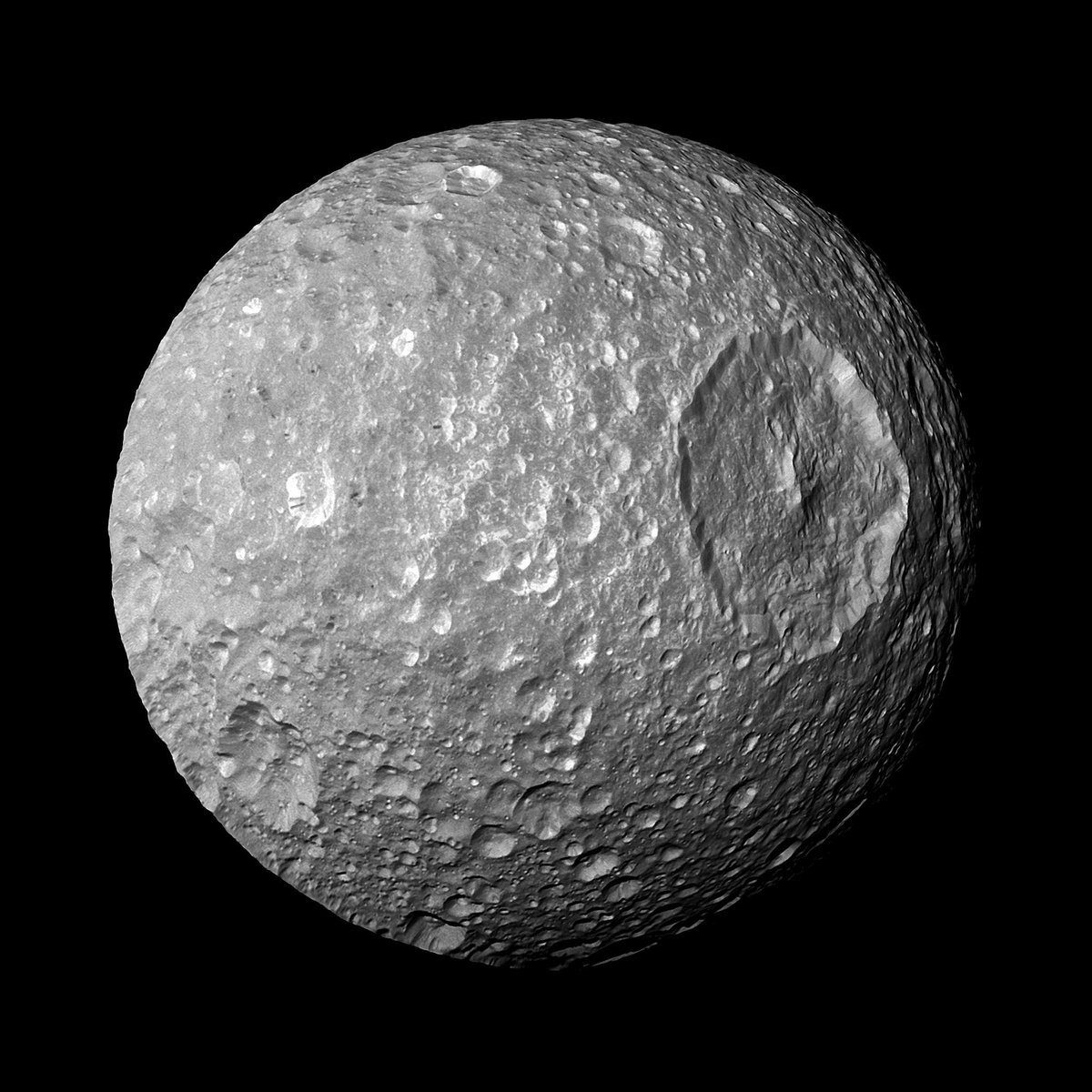
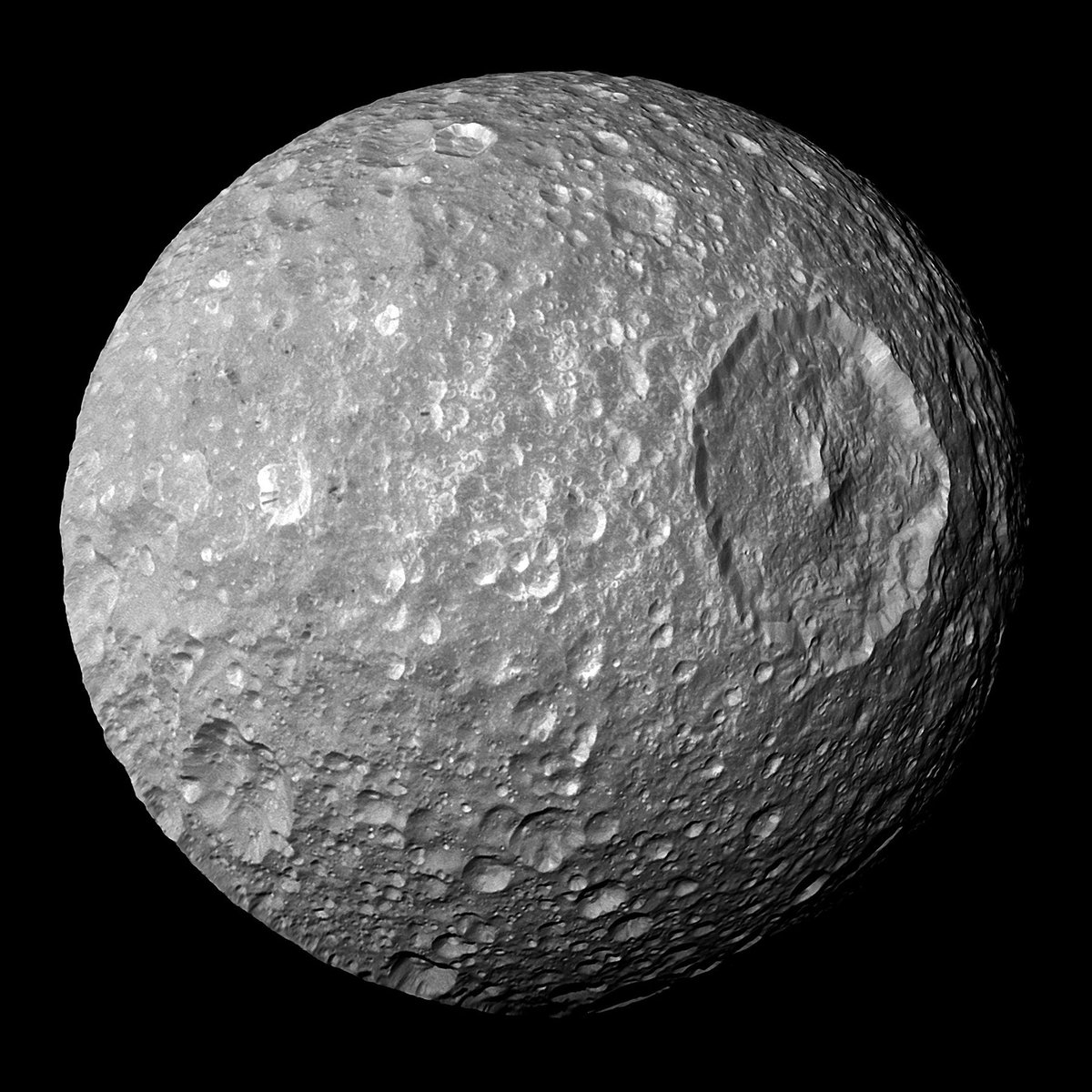
It's a moon. We checked. @NASA's Cassini spacecraft got many close-up views of Saturn's icy moon Mimas, and still managed to escape and send the data home. Take a tour of Mimas and hundreds of other solar system moons at science.nasa.gov/solar-system/m… — and May the Fourth be With You.
NASA Solar System tweet media
English
103
695
6.1K
126.9K
Skylar ✨
Skylar ✨@Skylar_Lorena·
And for my final project, I'll work with data sets you ain't never seen on Kaggle.
English
1
0
3
109
astro bram retweetledi
FINMAN
FINMAN@erikfinman·
We could’ve been on Mars by the year 2000.
English
3
2
25
619
astro bram retweetledi
NBC News
NBC News@NBCNews·
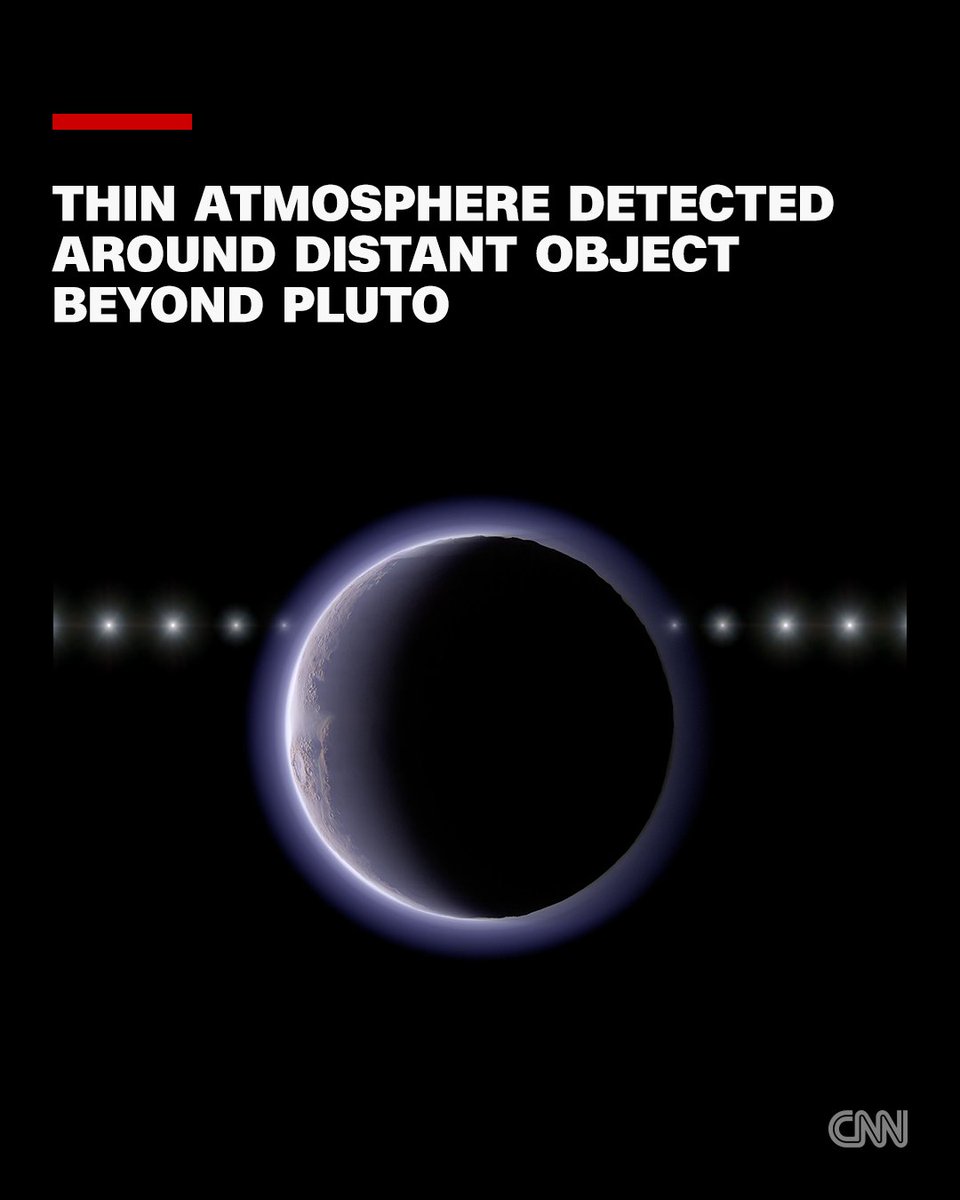
A new study suggests that a tiny, icy world beyond Pluto harbors a thin, delicate atmosphere that may have been created by volcanic eruptions or a comet strike. nbcnews.com/science/space/…
English
6
12
28
8K
astro bram retweetledi
David Willis
David Willis@ThePrimalDino·
Not to brag or anything but that's MY Planet 😏
David Willis tweet media
English
3
1
89
969
astro bram retweetledi
aesthetic
aesthetic@purepeaceful·
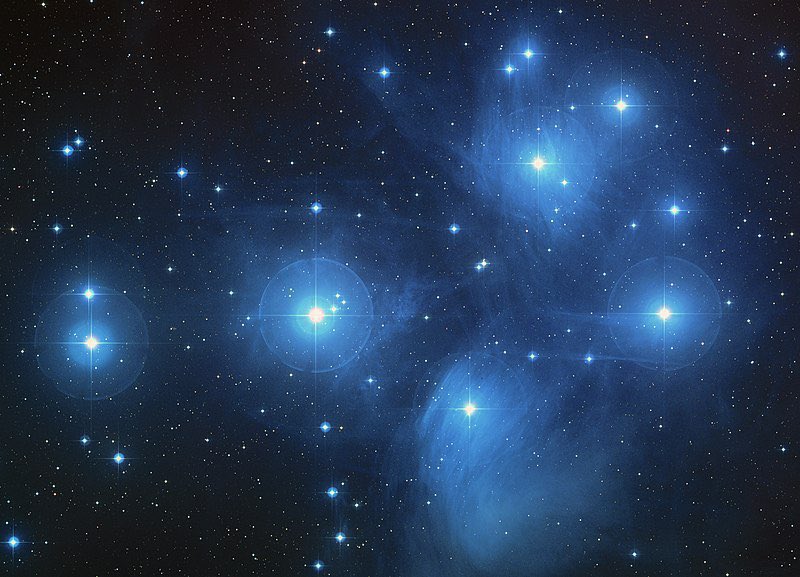
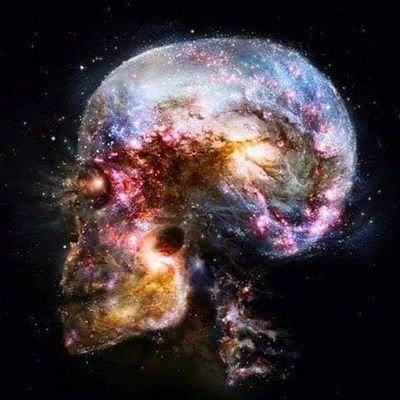
blue universe
aesthetic tweet mediaaesthetic tweet mediaaesthetic tweet mediaaesthetic tweet media
English
5
283
1.4K
22.5K
astro bram retweetledi
Curiosity
Curiosity@CuriosityonX·
There must be life on one of these dots
Curiosity tweet media
English
771
334
3.1K
93.8K
astro bram
astro bram@astro_bram·
For the first time, astronomers have detected an atmosphere beyond Pluto, in the outer reaches of our Solar System—an environment once believed too small and too cold to sustain one. This discovery challenges long-held assumptions and could fundamentally reshape our understanding of these distant worlds.
astro bram tweet media
English
0
0
3
23
astro bram retweetledi
22:22
22:22@22hrr22min·
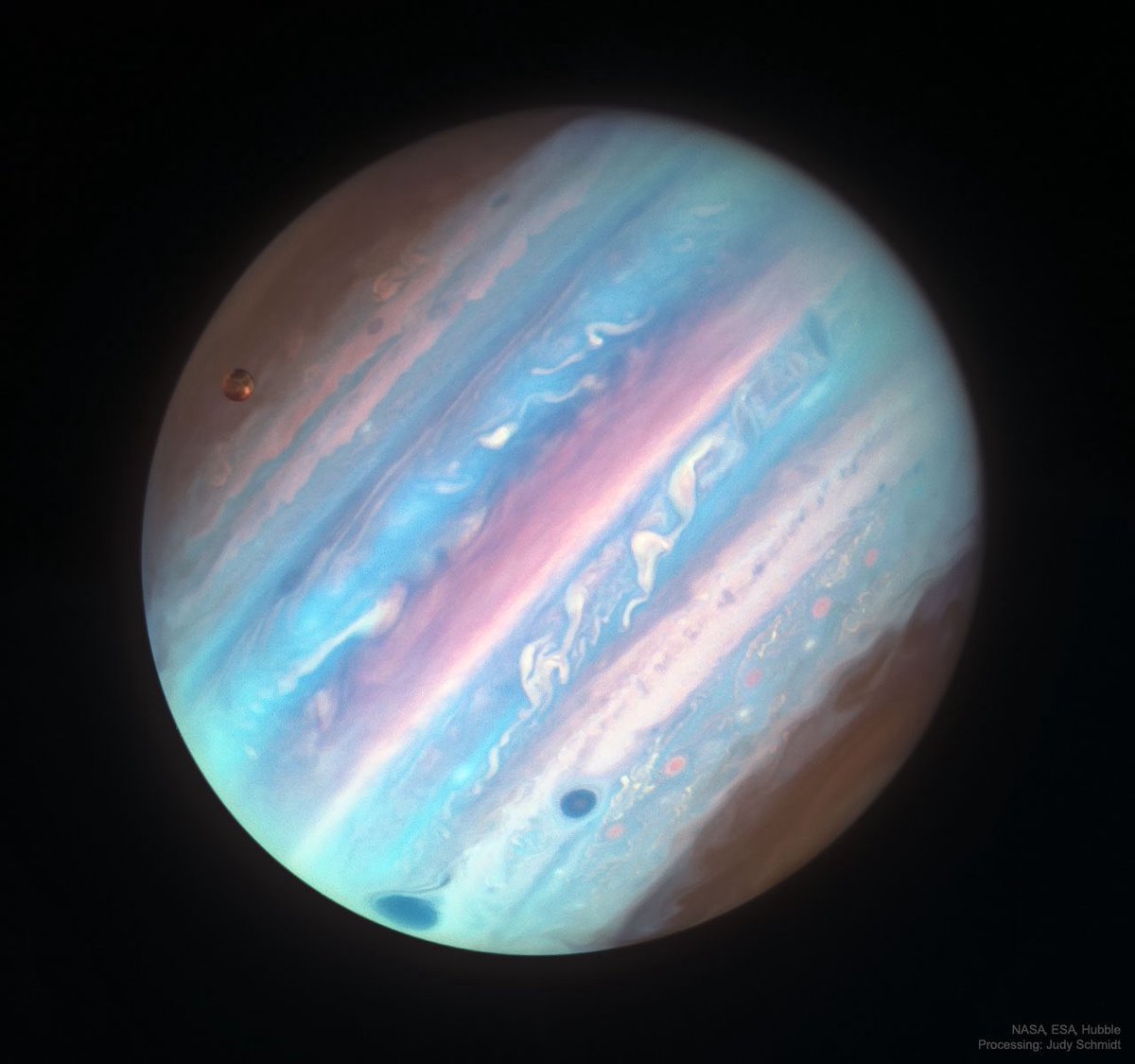
hubble's ultraviolet and infrared images of saturn, jupiter, mercury and mars
22:22 tweet media22:22 tweet media22:22 tweet media22:22 tweet media
English
0
63
292
6.5K
astro bram
astro bram@astro_bram·
@AstroPnoy @NASA no, new horizon is still functional, they should redirect it towards this body instead...
English
1
0
0
9
astro bram retweetledi
産経ニュース
産経ニュース@Sankei_news·
太陽系の果ての小天体に大気 常識覆す発見 冥王星以外で初、恒星の光の「にじみ」から sankei.com/article/202605… 大気が見つかったのは「2002XV93」という小天体。冥王星に近い軌道で太陽を回り、観測時は太陽から約57億キロ離れていた。直径は約500キロで、月の約7分の1。
日本語
7
185
533
22.1K
Sam O. Afọlábí
Sam O. Afọlábí@samofolabi·
Another year. Another chapter. Another opportunity to build, learn, and leave impact. Happy birthday to me.
English
13
3
18
320
astro bram retweetledi
Owen Lewis
Owen Lewis@is_OwenLewis·
Astronomers just dropped the largest single haul of exoplanet candidates ever: 10,091 brand new ones uncovered in one reanalysis. Researchers went back through the first year of NASA’s TESS (Transiting Exoplanet Survey Satellite) data and applied a new semi-automated pipeline that combines machine learning with traditional methods. By looking beyond just the brightest stars and including fainter ones, they pulled out a total of 11,554 planet candidates, including 10,091 that had never been spotted before. The haul includes everything from hot Jupiters to potentially smaller worlds, dramatically expanding the catalog and setting the stage for massive demographic studies of how planets form and evolve around different types of stars. The work shows how clever re-mining of existing data can still deliver gamechanging results, and hints that even more candidates are waiting in the rest of the TESS dataset. The team thinks they may generate twice the number of candidates when they examine the TESS year two data. Exoplanet science just got a massive boost. Progress (and the hunt for new worlds) marches on. 🪐🚀 📸 NASA Source: iflscience.com/10091-new-exop…
Owen Lewis tweet media
English
1
6
32
1K
astro bram retweetledi
CNN
CNN@CNN·
Astronomers have detected a thin atmosphere around a tiny celestial body in the outer solar system for the first time — an object previously thought to be too small to support the presence of an atmosphere. cnn.it/48Cgyaz

CNN tweet media
English
110
203
1.2K
138.4K
astro bram retweetledi
carolina
carolina@villanevill·
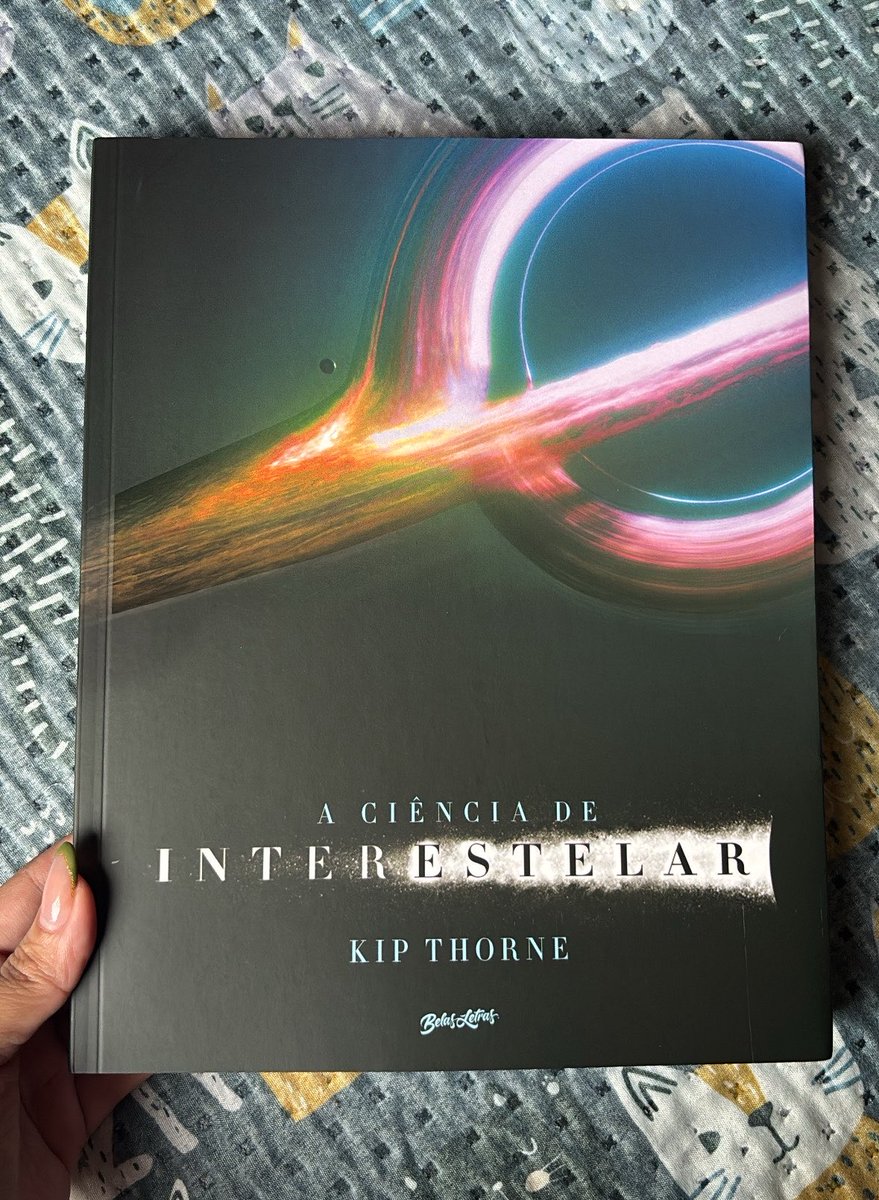
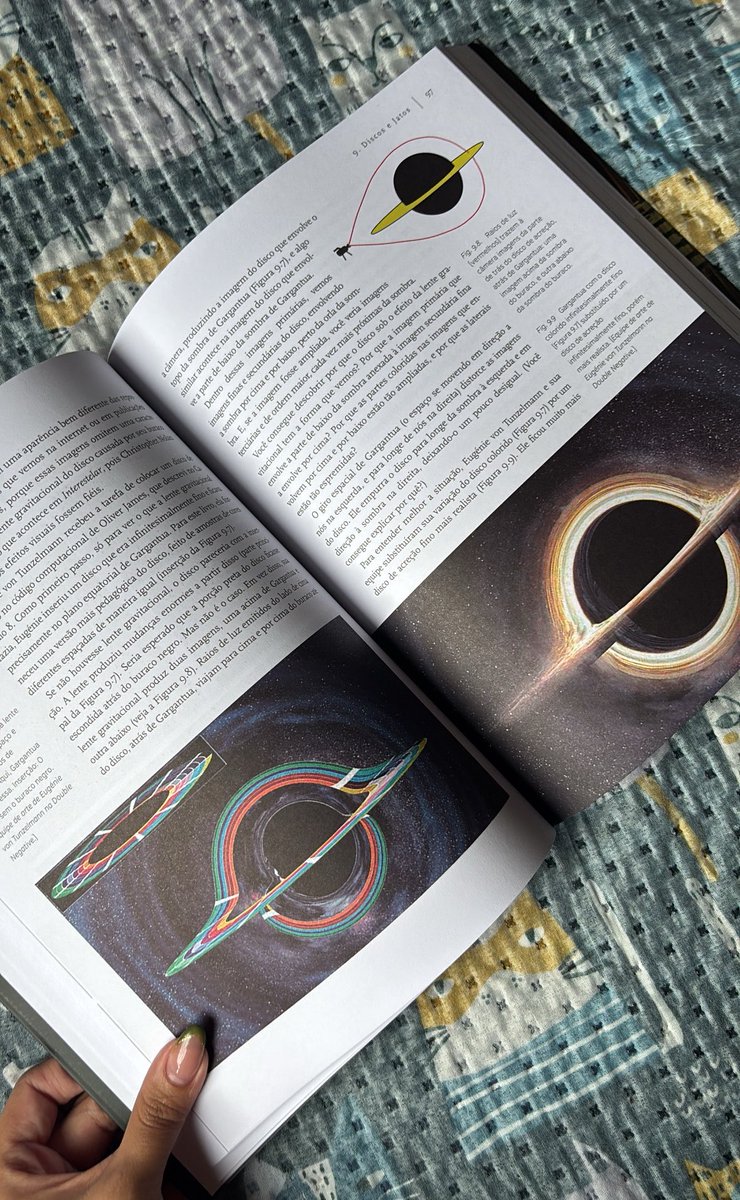
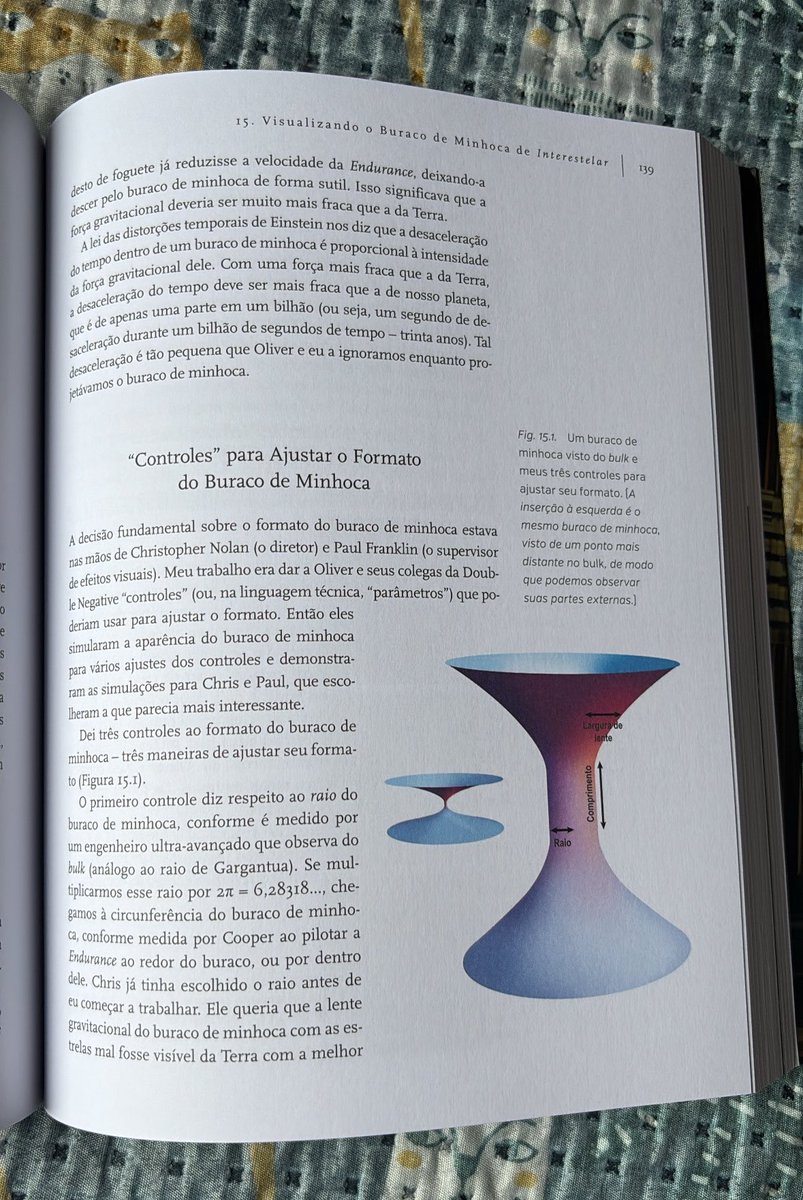
livro que explica as teorias da ciência que foram utilizadas e desenvolvidas para o filme interestelar ✨🪐
carolina tweet mediacarolina tweet mediacarolina tweet mediacarolina tweet media
Português
14
207
2.9K
58.7K
astro bram retweetledi
NASA Universe
NASA Universe@NASAUniverse·
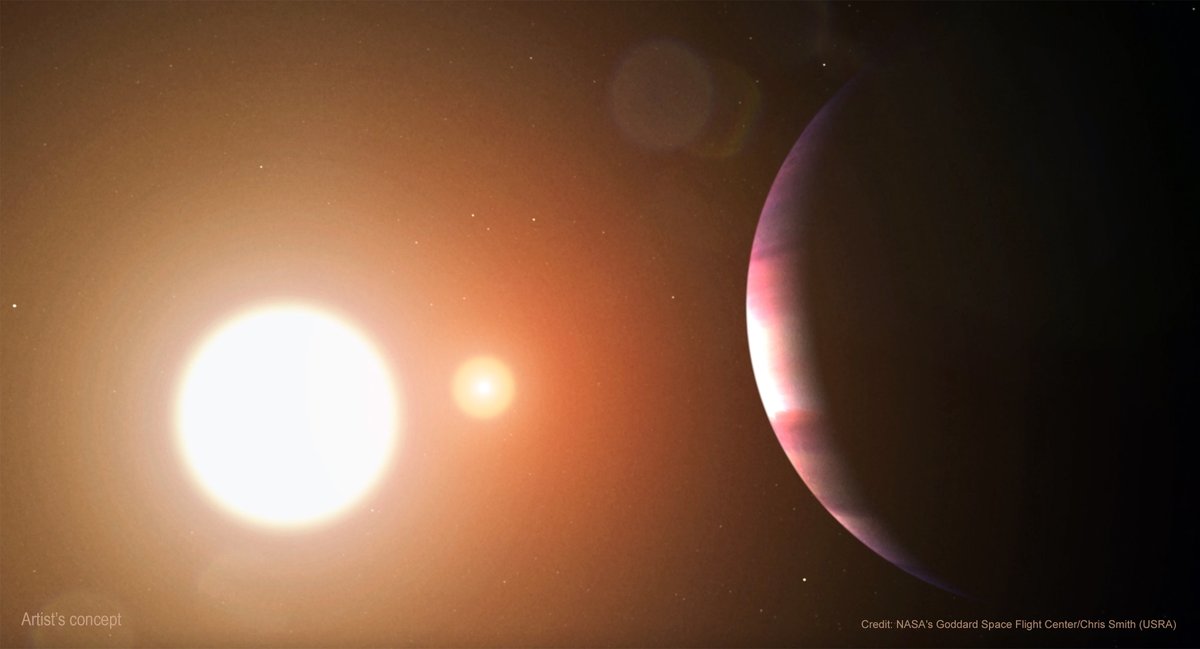
Looking for a planet orbiting twin suns like Tatooine? Our TESS telescope just helped find more than two dozen candidates! By studying eclipses between pairs of stars, astronomers were able to find planets that TESS couldn’t typically spot: go.nasa.gov/4tisHst #StarWarsDay
NASA Universe tweet media
English
4
41
203
8.5K
astro bram retweetledi
Jasmine 🌌🔭
Jasmine 🌌🔭@astro_jaz·
that’s no moon… actually it is! it’s saturn’s moon mimas! may the 4th be with you
Jasmine 🌌🔭 tweet media
English
5
28
300
3.2K