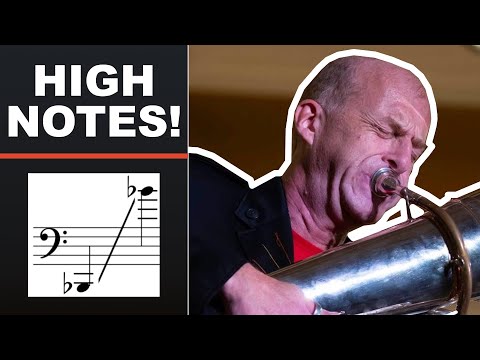
Here is a tuba player that is not late on the downbeats!
Los gustos que me doy (vídeo-cover) TUBA-JHON MOSQUERA-MOTA #Losgustosqu... youtu.be/y2P-SyZBZ1c via @YouTube
This summer, I’ll be teaching at the Academy of Domaine Forget de Charlevoix. Join me there for two intensive weeks rich in learning and performing. ow.ly/UWEk50DGzXc
Playing a brass instrument, but you are bored and need som inspiration? Join more than 1300 musicians from over 78 countries in my FREE duet course. Free 100 pages+ PDFs included. Welcome! academy.baadsvik.com/courses/have-f…
Last chance to save $200! If you're still thinking about enrolling in my premium course, Complete Tuba Method - Lifetime Access, the 25% Facebook-discount expires at midnight today.
Read more, see previews and sign up here:
ow.ly/n03g50CnfMo
Brass tip 29
Allow yourself to have success. Celebrate the small steps and give you a well-deserved pat on the shoulder when you can do something today that you couldn’t do yesterday, or just five minutes ago. Yes!
academy.baadsvik.com
Brass tip 28
Play many mock concerts before the big exam or audition. Play for friends, on nurseries, churches, schools, online - whatever. Experience is king!
academy.baadsvik.com
Brass tip 28
Play many mock concerts before the big exam or audition. Play for friends, on nurseries, churches, schools, online - whatever. Experience is king!
academy.baadsvik.com
@JohnBanther Faster air passing the lips is what makes the sound louder. And when playing louder, the lips move more, just like a guitar string that vibrates loud. So we need to give them space to expand. If we don’t, the sound will become distorted.
@baadsvik Are you thinking “light buzz” and larger air flow? Hard to explain in text, I try to achieve the lightest buzz/vibration riding on a large air stream. Some put too much physical pressure on the buzz and then try to force air down the tube.
Brass tip 4
Need better sound in forte? Give the lips enough space to vibrate. Use air to create a crescendo, and relax the pressure between lips and mouthpiece as you play louder.
academy.baadsvik.com
Brass tip 26
A large tuba requires less air than a small one - to keep a low note at 90 decibels. A tuba is basically a lip vibration amplifier, and a large tuba amplifies low notes better than a small one.
academy.baadsvik.com
Brass tip 25
To avoid hesitation on the first note, it is a good idea to breathe in the tempo of the music. Always keep the air in motion, like waves moving up and down on a beach.
academy.baadsvik.com
Brass tip 24
As musicians, how can we expect the audience to like the music if we don’t? So you either learn to like everything you play and give the audience your best - or don’t play. Indifference has no place in music.
academy.baadsvik.com
Brass tips 22
There is a fine line between a boring performance on one side, and a parodic one on the other. The musical magic happens right on that edge. We mostly end up on the boring side though :)
academy.baadsvik.com
Brass tip 21
When playing multiphonics, use a slightly nasal singing voice. That makes it easier to balance the voice against the instrument tone. It also becomes easier to intonate. academy.baadsvik.com
Brass tip 20
Need a full, relaxed fortissimo? Take a good breath and sigh the air out. Like throwing a rock up in the air and letting it fall down. Gravity is really powerful! academy.baadsvik.com
Brass tip 19
Need a softer pianissimo? Practice on a candle light. Blow gently on the flame without taking it out. Then use the same slow, but steady air when you play a pianissimo. academy.baadsvik.com