
Sabitlenmiş Tweet
Bashir Saade
2.4K posts
Bashir Saade
@bashir_saade
Politics, philosophy, and music. Lecturer in Politics & Religion, University of Stirling. Author of “Hizbullah and the Politics of Remembrance” (Cambridge UP)
Katılım Ağustos 2011
888 Takip Edilen1.2K Takipçiler

Bashir Saade retweetledi

I don’t get it. If Hezbollah had flats in this block (unlikely in central Beirut but not impossible) why did the Israelis give everyone inside an hour to get out — including those they wanted to kill? And if there weren’t any Hezbollah people there, why destroy a building with dozens of civilians in it?
The Associated Press@AP
An Israeli airstrike struck an apartment building in central Beirut, on Wednesday. The Israeli army had warned residents to evacuate about an hour before completely flattening it as day broke.
English
@PhilipProudfoot @les_politiques It’s all in my book Hizbullah and the Politics of Remembrance 🙂
English

Hassan Nasrallah combined liberationist religious faith — here talking about the lessons of Christ — with an anti-imperialist understanding of the global economic system.
English
Bashir Saade retweetledi

‼️ For those trying to understand what has really been happening in the Lebanese border towns, this post below from @cheib1970 lays it out clearly. Here is a concise translated summary:
1// When the ceasefire began, the resistance adhered to it. Israel did not.
At that time Israeli forces controlled only 40–70% of the front-line villages, depending on the area, after 66 days of intense fighting in which Israel deployed its full air & ground capabilities.
The advance of five Israeli divisions was halted at the edges of these towns.
2/ During the first 60-day truce, Israel moved to complete control over areas it had failed to enter during the fighting - notably Khiam.
Tanks & bulldozers advanced under heavy fire, demolishing homes & destroying large parts of several border towns.
3/ After withdrawing, Israeli forces kept five positions inside Lebanese territory:
Tal al-Hamamis
Hounin
Jabal al-Bat
Jabal Blat
Labouneh
Meanwhile the Lebanese Army deployed in the villages & declared them weapon-free zones.
Yet Israeli drone strikes, incursions & demolitions continued regardless.
4/ When the latest escalation began, airstrikes & shelling resumed & residents were forced to flee.
The Lebanese Army then withdrew completely from these villages, leaving a vacuum that Israeli forces moved into.
5/ Several Israeli advances then encountered resistance.
At Tal al-Nuhas north of Kfarkela, three Merkava tanks were hit with guided missiles.
Another push from Tal al-Hamamis toward Khiam ran into an IED & direct clashes.
Israeli forces withdrew from both attempts.
6/ Since then Israel has massed dozens of tanks along the border & attempted limited incursions under heavy air & artillery cover.
Resistance units have continued targeting troop movements with rockets, artillery & guided missiles, including in Jabal Blat, Markaba & Khiam.
Israel has acknowledged casualties & destroyed equipment.
7/ Despite repeated attempts over the past 12 days, Israel has still struggled to establish full control over several of these border towns.
The current reality is a combination of partial incursions, continued fighting, & a vacuum left by the withdrawal of the Lebanese Army.
علي شعيب || 🇱🇧 Ali choeib@cheib1970
"حول المجريات الميدانية في البلدات الحدودية في ظل عمليات التوغل الإسرائيلية منذ بداية المواجهات" : - لا يخفى على أحدٍ ما جرى بعد بدء سريان قرار وقف اطلاق النار الذي التزمت فيه المقاومة ولم يلتزم فيه العدو ، حينها كانت تتراوح سيطرة العدو على بلدات الخط الأول بين 40 ٪ الى 70 ٪ من كل قرية بسبب الصمود الاسطوري والاستشهادي للمقاومين الذي استطاع إيقاف غزو خمس فرق اسرائيلية عند حدود هذه القرى ، ولم يتمكن العدو من السيطرة الكاملة على عدد محدود ، بينما عجز العدو عن بسط سيطرته على نصف هذه البلدات عند وقف اطلاق النار ، وتمكنت مجموعات من المقاومين من الخروج سالمين من هذه القرى بعد مواجهات ضارية استخدم فيها العدو كل قدراته العسكرية الجوية و البرية على 66 يوما ، - بعد وقف اطلاق النار وخلال فترة الهدنة الأولى التي استمرت 60 يوما بدأ جيش العدو بإستكمال السيطرة على بقية الأحياء في القرى الأمامية التي لم يستطع دخولها اثناء المواجهات ومنها مدينة الخيام نموذجا ، فاكمل اجتياها بالجرافات والدبابات تحت غطاء ناري بالرشاشات والقذائف رغم التزام لبنان بوقف اطلاق النار ووصل الى وادي السلوقي وبدأ عملية تفجير وابادة للمنازل والممتلكات ودمر بلدات حدودية بأكملها . - بعد انسحاب قوات الإحتلال ابقائه على خمس مواقع رئيسية داخل الاراضي اللبنانية وهي ( تلة الحمامص - هونين - - جبل الباط - جبل بلاط - اللبونة ) و دخول الأهالي ، انتشر الجيش اللبناني في البلدات الحدودية وأعلن المنطقة خالية من السلاح ، لكن ذلك لم يمنع العدو من استمرار عدوانه بالمسيرات و المحلقات والتوغلات البرية الى داخل القرى وتفجير المنازل من دون أي رادع ، و بقيت هذه القرى تحت احتلال مقنّع ، - مع بداية المواجهات الأخيرة بدأ العدو بغاراته الجوية وقصفه المدفعي ، وأصبح افراغ المنطقة أمرا واقعا بعد النزوح القسري لأهلها وأكتمل بإعلان الجيش اللبناني انسحابه من كامل هذه القرى ، استغلّ جيش الاحتلال من فراغ البلدات الحدودية فبدأ التحرك بدباباته نحو بعض النقاط داخلها ، على غرار ما كان يفعل خلال ساعات الليل اثناء وجود الجيش اللبناني وقوات اليونيفل الدولية ، ليصتدم بواقع جديد في " تل النحاس" شمال بلدة كفركلا عندما استهدفت المقاومة 3 دبابات ميركافا بالصواريخ الموجهة من خارج المنطقة ، فتراجع الى نقاط خلفية ، ثم حاول مرة أخرى انطلاقا من "تلة الحمامص" بإتجاه جنوب مدينة الخيام واصتدم حينها بعبوة ناسفة واشتباك مباشر داخل الحي الجنوبي ، ثم تراجع الى نقطة وادي العصافير الخلفية ، وتكرر المشهد في بلدة مركبا قرب الموقع المستحدث ، ومنذ ذلك الوقت بدأ جيش العدو بحشد عشرات الدبابات عند حدود القرى وبدأ بعمليات توغل محدودة في البلدات الحدودية بغطاء ناري كثيف من الغارات الجوية والقصف المدفعي والرشقات الرشاشة وتقدم في أماكن ذات جغرافية تخفي تحركه عن الرؤية لبلدات النسق الثاني ، ورغم ذلك كانت المقاومة تتعامل مع كل هذه التحركات والتجمعات من خلال الصليات الصاروخية والقصف المدفعي واحيانا الصواريخ الموجهة كما حصل في جبل بلاط و مركبا ومدينة الخيام و واعترف العدو بوقوع قتلى وجرحى من بين جنوده وتدمير جرافات ودبابات ، ولا زال الحديث يدور عن بلدات حدودية خالية بفعل ما تقدّم من أحداث وتخلِّ الجيش اللبناني عنها تنفيذًا لقرار حكومي وهي واقعًا كانت لا تزال محتلة بأشكال مختلفة ، هذا الواقع لا زال قائمًا حتى اليوم مع تسجيل محاولات متكررة للسيطرة الكاملة على هذه القرى منذ 12 يومًا تتعرض للصدّ بأشكال مختلفة من المقاومة ، وبالتالي أي سيطرة للعدو على اي بلدة حدودية لا يُعدّ انجازًا ، ويأتي في سياق مسؤولية الدولة عن التقاعس منذ البداية في صدّ التوغلات اليومية و لاحقا التخلي عن مسؤولية الدفاع عنها ، و ما عمليات المقاومة اليومية ضد التوغلات الإسرائيلية والاشتباك معها رغم فارق القدرات العسكرية الاّ تغطيةً للفراغ الذي تركته الدولة ، وهي تقوم بواجبها الأخلاقي والوطني بالدفاع عن بلداتها بروح استشهادية كربلائية ، وصمود اسطوري ، بوجه جحافل الدبابات ومئات الغارات الجوية ، للمقاومين الذي أخلصوا لله والأرض الف تحية ، وللشهداء دين في رقاب كلّ حرّ وشريف في هذا الوطن ، سيكتب هؤلاء تاريخًا جديدًا من العزة والكرامة ، والايام والميدان سيثبتان أن الحق منتصر في النهاية ، والظلم و الاحتلال الى زوال .
English
Bashir Saade retweetledi

لبنان الدولة والكيان:
(١) أخطر ما في هذه اللحظة أن ما جمع لبنان، كدولة وككيان، كان دائماً نتيجة تقاطع تفاهمات إقليمية مع تجلياتها في الداخل، ومنها المحاصصة بعد الحرب. نعم، المحاصصة ساهمت في جمع البلد (بشكل سلبي طبعاً).
اليوم الشرطان غير متوفرين: لا تفاهم في الداخل، بل تباعد في أقصى تجلياته (معادلة بيشبهونا/ما بيشبهوها)، ولا تسوية في الخارج. وإن أتت تسوية، فهل يكون لبنان جزءاً منها؟
(٢) كما أن معادلة المركز والأطراف، والتي لم تنل حقها من التحليل لأن التركيز انحصر في الطوائف وعلى العيش المشترك، قد تكون اليوم معياراً أساسياً في تقرير مصير البلد، أو "البلدان" التي قد تظهر، أو ما سيبقى منها (أو من البلد).
(٣) أما ما يسمى بالدولة، فلم تكن يوماً لاعباً جامعاً بين اللبنانيين، ولا لاعباً على مسافة من الجميع. كانت الدولة، أو الوعد بتحقيقها، مساحة لتوزيع الموارد على أصحاب المشاريع الكبرى (اهل النظام)، وكان الوعد بتحقيقها شعاراً لكي ينتصر فريق على آخر.
اللحظة الحالية ليست سوى تجلٍ واضح لمسار بدأ في التسعينيات.
الجميع، بشكل أو بآخر، كان يستعد لهذه اللحظة.
فهل ينفرط العنقود؟
العربية
Bashir Saade retweetledi


Bashir Saade retweetledi
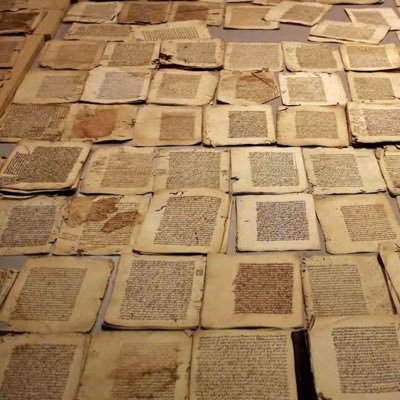
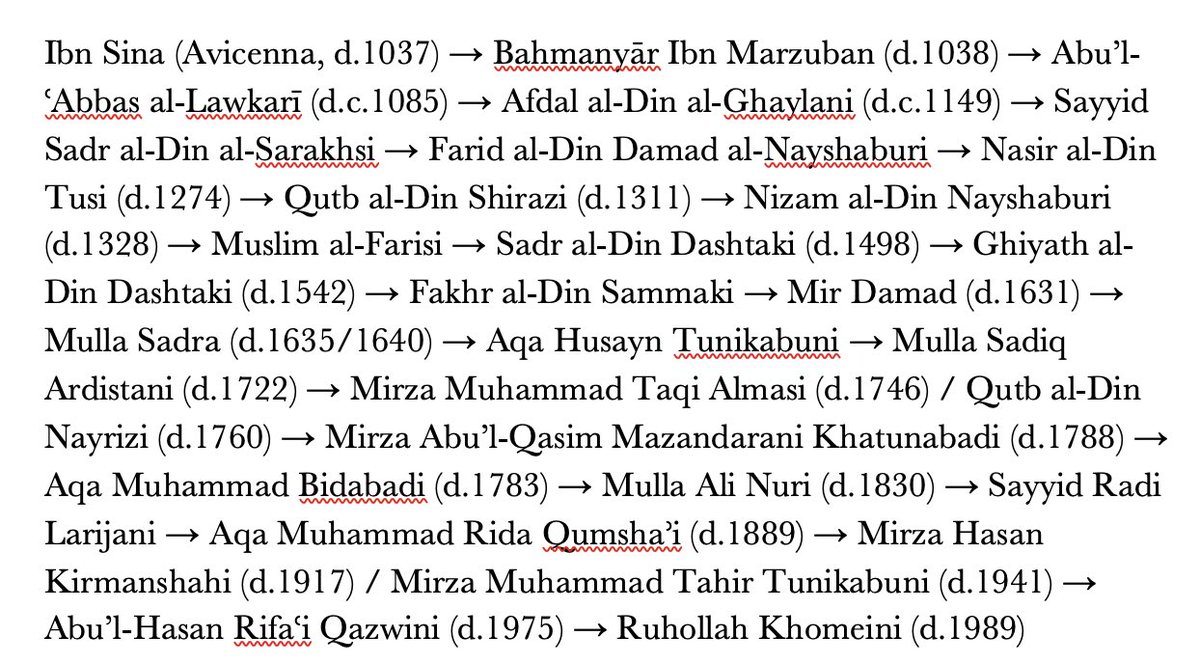
It is true. Khomeini’s philosophical lineage goes back directly to Avicenna through uninterrupted chain of philosophers going back 1000 years. I created it in the image here just now
Joseph Lumbard, شاكر عبد الحق@JosephLumbard
Iran is one of the few places where there are scholars, such as Khomeini, who trace their philosophical training through a chain that goes back to Al-Farabi and Ibn Sina, and beyond. People simply have no idea how incredibly diverse and sophisticated the intellectual training is in Iran.
English
Bashir Saade retweetledi

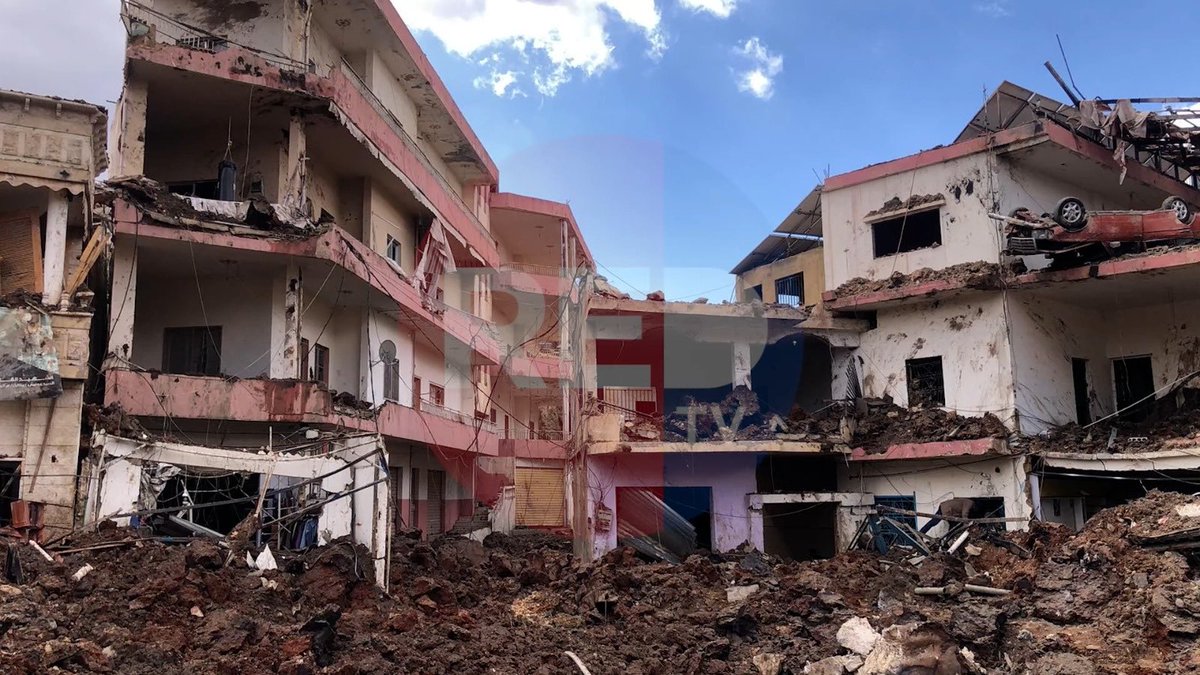
This is what Israel did to a cemetery and its surrounding last night in Nabi Shit in Lebanon, while looking for remains of an Israeli soldier from the 1980s.
English
Bashir Saade retweetledi
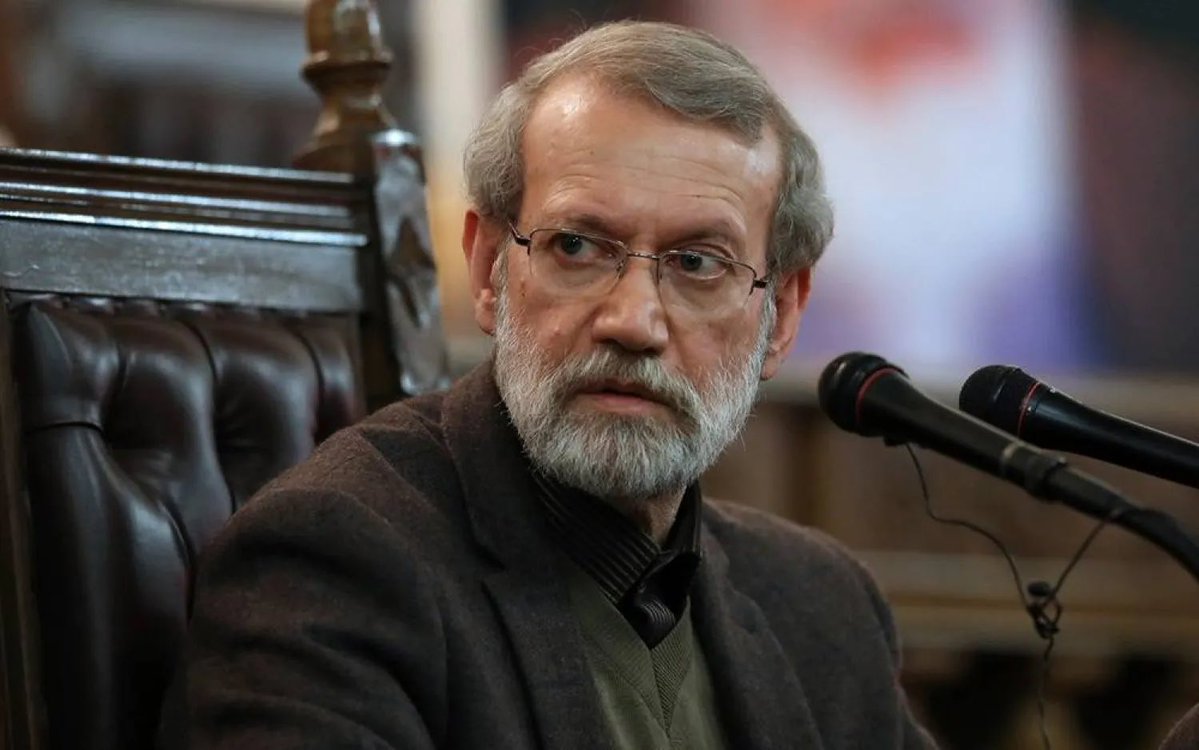
We all agree this war is asymmetrical.
How could it not be?
On one side you have people like:
Dr. Ali Larijani (Secretary of the Supreme National Security Council of Iran) author of three essays on Immanuel Kant, his writings are studied in Western universities:
• The Mathematical Method in Kant’s Philosophy
• Metaphysics and the Exact Sciences in Kant’s Philosophy
• Intuition and the Synthetic A Priori Judgments in Kant’s Philosophy
And:
Dr. Abbas Araghchi (Minister of Foreign Affairs of Iran) PhD from the University of Kent.
His doctoral thesis:
“The Evolution of the Concept of Political Participation in Twentieth-Century Islamic Political Thought.”
And on the other side?
Donald Trump.
A man whose vocabulary barely exceeds 200 words.
Most famous quote:
“Grab ’em by the pussy.”


English
Bashir Saade retweetledi
The war now confronting Iran and Hizbullah has ushered in a new phase that threatens to unravel the longstanding political order in Lebanon. Even setting aside the moral dimension, legally and analytically speaking, the conduct of the ruling authorities has effectively recast the Lebanese state into one that, while formally identifying Israel as an enemy, is acting in practice as a de facto co-belligerent with the United States and Israel and internally as a fifth column against its own territory and people—in other words, a state participating in the war against itself.
For Hizbullah, this is a do-or-die confrontation, and the fault lines it is generating are between forces actively defending and materially producing sovereignty on the ground and ruling authorities who are working to subvert and ultimately extinguish it. What we have is not a state that has failed sovereignty by omission but one that is pursuing its demolition by commission; in other words, a counter-sovereignty camp engaged in deliberate de-sovereigntization in direct deference to US strategic diktat.
Evidence of this is already visible in the conduct of Lebanese state institutions: from the president’s reported refusal to authorize the army even to request permission to defend Lebanese territory as Israel continued its bombardment and ethnic cleansing and launched repeated ground incursions in its thus far unsuccessful attempts to initiate a broader invasion, to the army’s arrests for the possession of weapons and ammunition in an intensified crackdown on the resistance. At the same time, the Foreign Ministry has proposed allowing British military aircraft involved in regional operations to transit Lebanese airspace. Under such conditions, the Lebanese state is no longer merely failing to defend its territory but has become materially complicit in the conduct and consequences of this war, including the ethnic cleansing now unfolding on Lebanese soil.
What makes this situation analytically distinct is that it goes beyond conventional collaboration. Collaboration typically refers to cooperation with an occupying power after territorial conquest. What we are witnessing instead is a state that has not been conquered and remains functional, yet has chosen strategic alignment with an external aggressor, positioning itself as a co-belligerent in a war being waged against its own territory and people, while internally deploying its institutions to constrain the very resistance targeted by that same aggressor. In this sense it operates as a fifth column against its own society's defensive capacity, with the army compelled into the position of a force multiplier for the aggressor from within.
What this exposes is a ruling class that has weaponised the shell of formal sovereignty, invoking illusory statehood as a pretext to prevent the recovery of any real sovereign capacity. Their conception of sovereignty has never extended beyond stopping the resistance from defending or liberating Lebanon, which reduces it to a slogan rather than a doctrine. The long-standing insistence that the decision of war and peace must remain in state hands functions, within this framework, not as an expression of sovereignty but as a mechanism for guaranteeing Lebanon neither has a defence in the present nor a sovereign future.
The response of the Hizbullah leadership suggests an awareness that the confrontation has already moved beyond the confines of the existing political order. As Sheikh Naim Qassem remarked this week, “there is no balance of power between us and Israel, but we will fight for history.” The statement signals that the struggle is not framed in terms of immediate military parity but in terms of preserving a sovereign future.
Equally revealing was his tone: no real attempt to justify Hizbullah's decision to enter a war that was, by Israel's own account, going to happen regardless, only on Israel's terms, no engagement with the legitimacy of the current authorities, because a government that has so transparently gone beyond the pale has no political future worth addressing once the results of this war are translated on the ground politically. His offer to those opposed to the resistance, that there remains "an opportunity to open a new page together" provided they “do not stab the resistance in the back during the confrontation,” is revealing in that the language of “opportunity” implies an expectation that the political equation will shift after the war.
This posture was reinforced by the unprecedented open letter issued today by Hizbullah’s military command to its mujahideen declaring, “We will not abandon the resistance, we will not lay down the weapons, we will not leave the field.” The message signals that the movement is neither constrained by a state that has sought to criminalise it nor by external initiatives aimed at forcing its surrender.
What is unfolding therefore points to the terminal crisis of a political order governing a state that was never more than the sum of its sectarian and political parts. As those parts are reconfigured in the aftermath of the war, the current arrangement will likely give way to a new social and political contract that will redefine what the Lebanese state actually is.
English
Bashir Saade retweetledi
Worth sharing this again in the middle of the usual insane propaganda about Hezbollah.
Nasrallah’s actual position was a singular democratic state with equal rights for all people living in Palestine — Jews, Muslims and Christians.
English
A Shepherd arrives in Beirut, fleeing from Israeli heavily bombed South of Lebanon
Mira 🇱🇧&proud. ☆ ✞@MiraNews_WTF
وصل من الجنوب على الروشة 🤣
English
Bashir Saade retweetledi

Bashir Saade retweetledi
Israel are doing this to try and break Lebanese social cohesion and further demonise families fleeing from the South.
They are monsters.
Nada Maucourant Atallah@MaucourantNada
Israel has hit a hotel in Beirut, the first strike in a Christian-majority neighbourhood. The owner said the only casualty is their young receptionist. The hotel has been sheltering around 13 displaced families. “We never imagined they could be targets,” the owner said.
English
Bashir Saade retweetledi
A Lebanese Jewish citizen told me this in Beirut in 1983. When Israel invaded Lebanon in 1982, it had names and addresses of all remaining Jews living in Lebanon. This person lived in West Beirut. A group of soldiers came to his house and informed him that they would be taking him to Israel. He categorically refused and told them: I have nothing in common with you, and I live here happily. They reminded him that his sister lived in Israel, and he still refused to go.
English
Bashir Saade retweetledi

I studied Arabic literature in a girls' Greek Orthodox School in Lebanon. Our prof. was a fan of Imam Ali's sermons, so he had us memorize them. Imam Ali Ibn Abi Taleb's sermons of war are among the best war speeches ever.
x.com/les_politiques…
Sophia@les_politiques
From the sermons of Imam Ali Ibn Abi Taleb: "Mountains may move from their position, but you should not move from yours. Grit your teeth. Give yourself to Allah. Plant your feet firmly on the ground. Have your eye on the remotest foe and close your eyes. And keep sure that succour is but from Allah, the Glorified."
English
This Friday at the University of Oxford Middle East center, talks and concert on Music Transmission in late Ottoman era, thanks to @RoyalSocEd, with @OxfordMaqam, book your ticket at: eventbrite.co.uk/e/music-transm…
OxfordUniversityMEC@oxfordMec
Events happening this week at the MEC 👇sant.ox.ac.uk/middle-east-ce…
English
Bashir Saade retweetledi
Bashir Saade retweetledi
English
Bashir Saade retweetledi
“Kidnapped from a tank during a battle with Hamas” — one of the most insane sentences uttered on British television for awhile. x.com/SaulStaniforth…
English
Bashir Saade retweetledi

I grew up in The Netherlands. During my youth it was easily the most pro-Israeli country in Europe. So pro-Israeli that visiting Palestinians would say it was easier to reason with Israelis than the Dutch about the Middle East.
Although the Dutch are like others a fundamentally decent people, even a decade ago a demonstration one-tenth this size would have been inconceivable in The Netherlands. It would also have been largely populated by Arab and Muslim immigrants.
Yet on Sunday, as confirmed by the police, a quarter of a million Dutch citizens, of all backgrounds, of all stripes and colours, turned out to draw a “Red Line” against the Gaza Genocide.
I never anticipated I would witness such scenes during my lifetime, and am genuinely humbled.
Israel has irreversibly lost the Dutch public, and future Dutch governments will find it increasingly difficult to hold the line on behalf of the genocidal apartheid regime.
We are living in a different world, and it will become a better one.

English