

Battur Sanchin
867 posts
Battur Sanchin
@battur
Foodie. Software Engineer. Cyclist. Dad. Views expressed here are my own.
Katılım Nisan 2009
161 Takip Edilen6.2K Takipçiler



Class of 2018 Tartan here — wishing I could've had Jensen Huang at my commencement! 😄 The 2026 graduates are in for something special. So proud of what @CarnegieMellon continues to represent. #CMU2026 #GoTartans youtube.com/watch?v=FZh_0u…

YouTube
English
Wow, look at this lawn in Belgium. Beautiful!
reddit.com/r/lawncare/s/D…
English
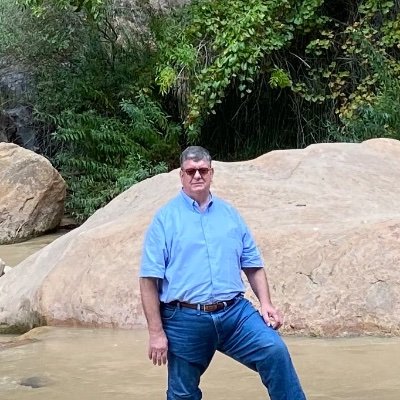
After years of moving into ever-larger homes, my wife and I happened upon an old log cabin perched on a mountain ridge—just an hour from our kids and grandchildren. It was small and needed significant work, but it’s become the most wonderful home we’ve ever had.
Turns out, a small house is more than enough when it’s surrounded by four acres of trees and wildlife—and when mornings begin with coffee and afternoons with iced tea on a wide back deck, taking in a view that rivals the finest overlooks on the Blue Ridge Parkway.

English

🏠 No house is big enough when there’s nothing outside.
I used to own a sprawling McMansion in a ritzy Texas suburb—complete with chef’s kitchen, theater, and gym.
Beyond the walls was an endless concrete jungle. It was suffocating.
Then, when I lived in Hawaii, I rented a tiny one-room studio with a lanai. When I wasn’t at work, on the beach, or climbing the cliffs of Mokulēʻia, I could be found on that lanai—reading, writing, and gazing at the Pacific.
It felt expansive.
When the best stuff is outside, a big house is just a distraction.
A few years ago, I visited the most expensive house in the U.S.—a $150 million estate owned by a private equity tycoon. Countless bedrooms, priceless art, a 30-seat dining table. I remember looking out the window and thinking…
I’d rather be on the lanai.
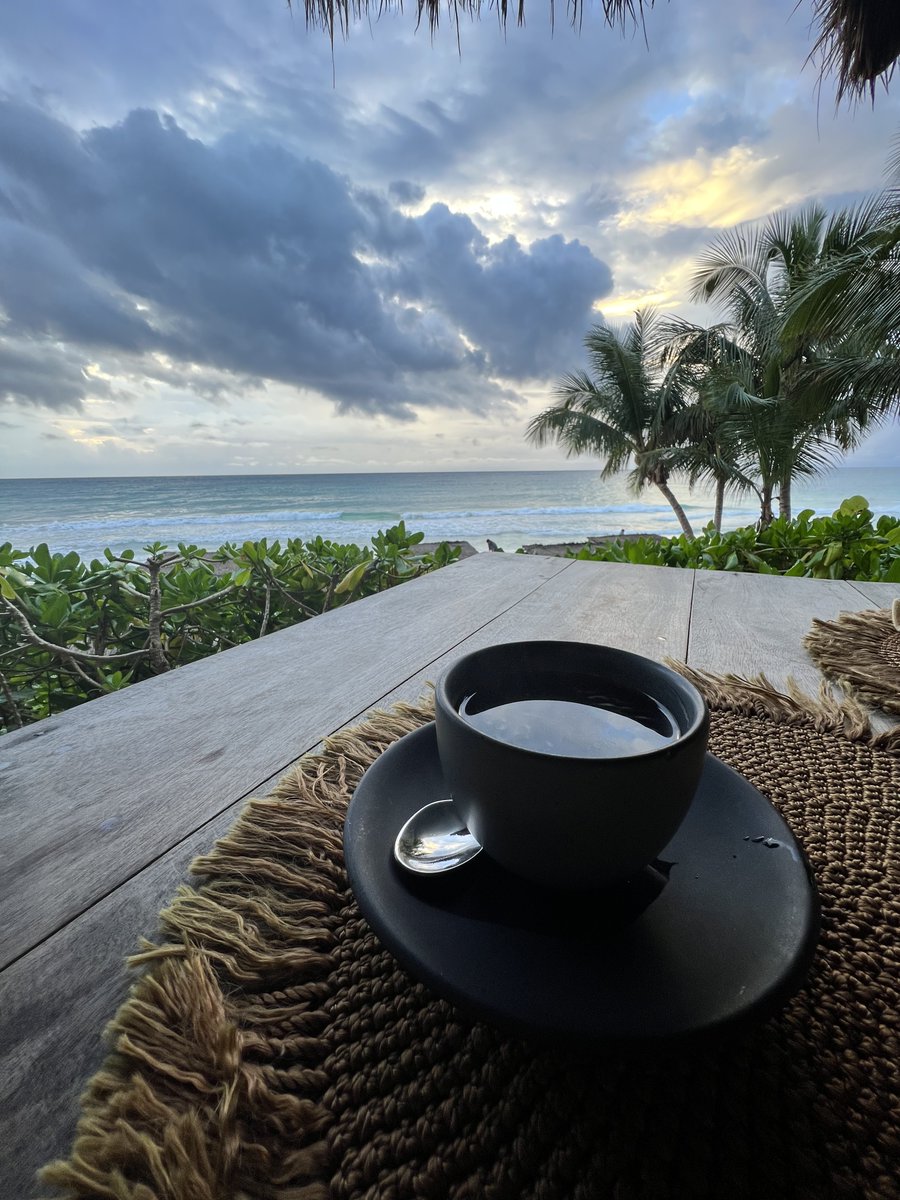
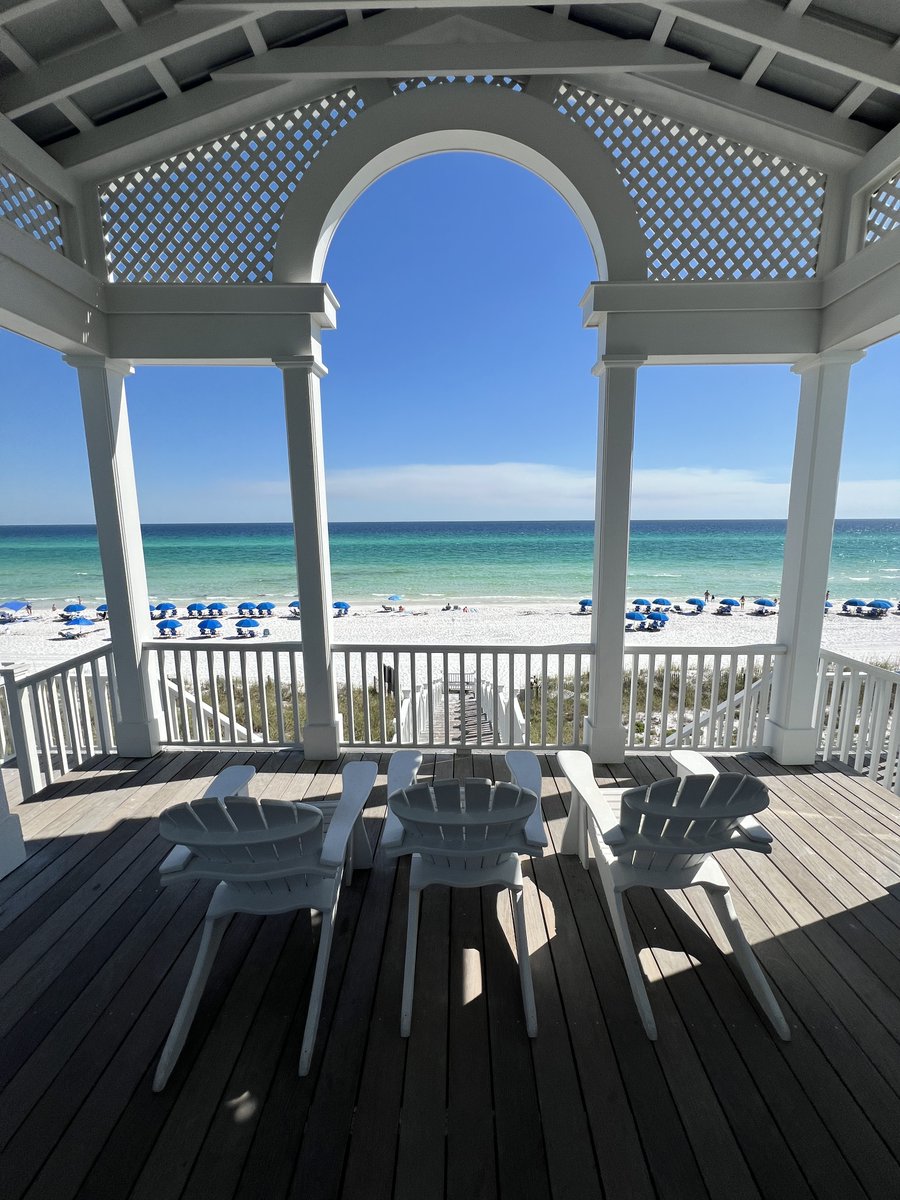
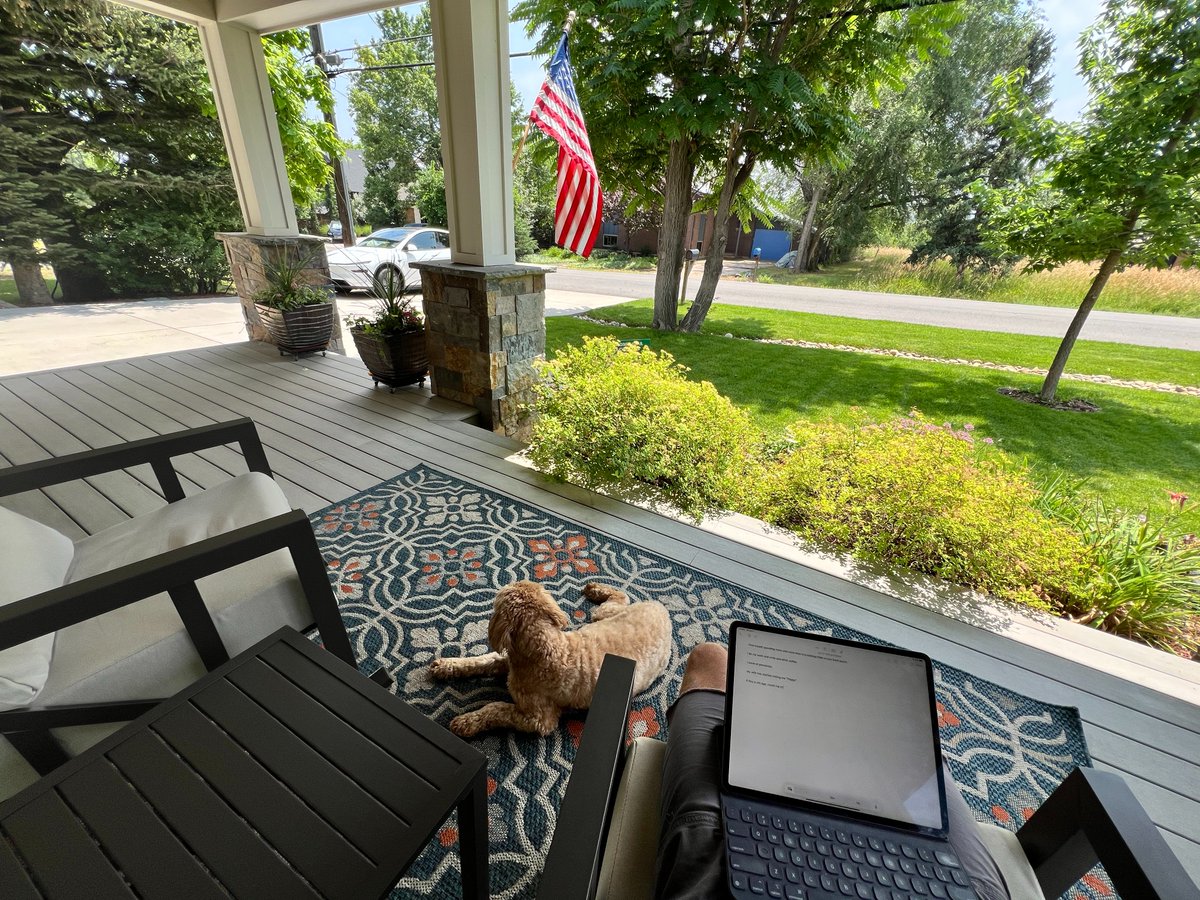
📸 Some of my favorite lanais:
1 / Yucatán, MX
2 / Tende, FR
3 / Seaside, FL
4 / Boulder, CO

English

This current market run pushed our stock market portfolio over a first ever milestone ($1.5M).
You definitely start to first notice gains after $100K invested, but it's pretty absurd how fast you make money after $1M invested.
Never stop investing.
The payoff is insane.

English
Инвестмэнт нь $1.5 сая доллар боллоо л гэж байна. Nice!
Sean Cranston@themoviedadsc
This current market run pushed our stock market portfolio over a first ever milestone ($1.5M). You definitely start to first notice gains after $100K invested, but it's pretty absurd how fast you make money after $1M invested. Never stop investing. The payoff is insane.
Русский
Энэ залуу зүтгэсээр байгаад, богинохоон хугацаанд нүдэн дээр л долларын саятан болоодохлоо шүү. Good work and congrats!
Sean Cranston@themoviedadsc
It took us ~3.5 years to build to $100,000 net worth. It took 81 days for our portfolio to go from $1M to $1.1M. Can confirm after 7 figures invested, the game becomes almost unfairly rigged for you. Only way you screw it up is if you proactively sabotage yourself.
Русский
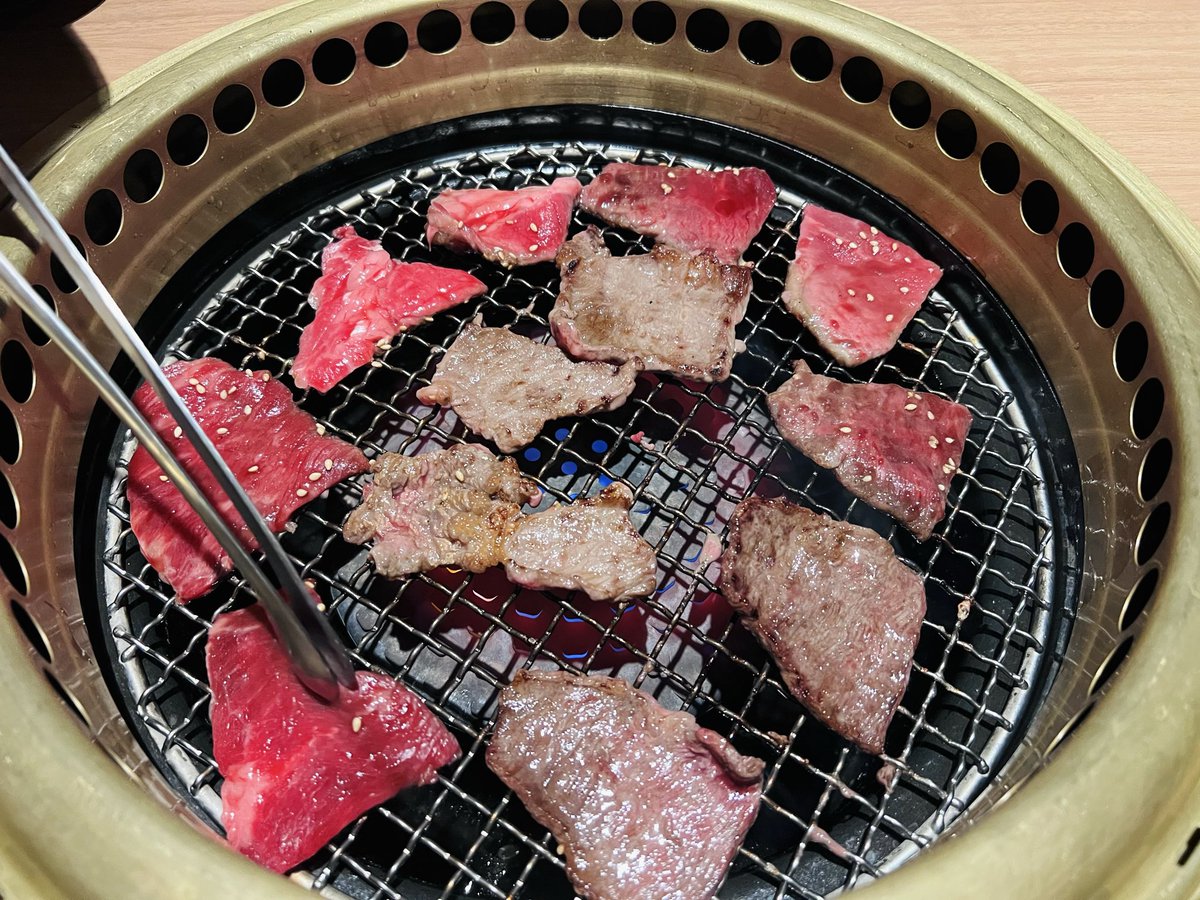
Эхнэр гоё lunch авч өгье гээд, ийм хоолоор дайллаа. Махаа сайхан шараадахлаа. Амттай бэнто бокс байна. Дараа нь итали зайрмаг авч өгч байна. Давхар сток энэ тэр өсөөд, аятайхан өдөр байна 😀

Русский
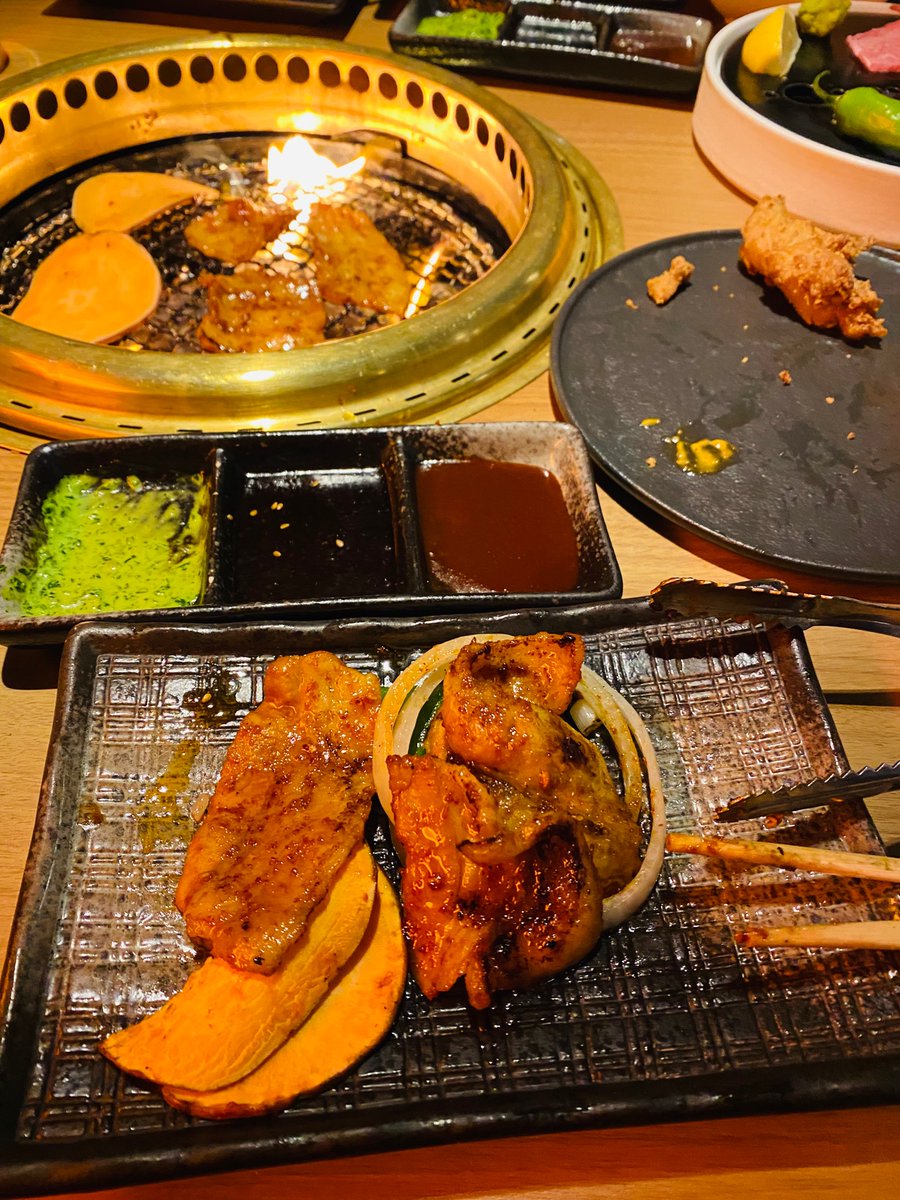
Rockville, MD-д GyuzoBBQ гэх маш гоё хоолтой япон ресторан нэг байна. Эхнэр бид хоёулаа Баасанд амарч, анниверсаригаа энжойдож өнгөрөөв 💍🥂
gyuzobbq.com



Русский
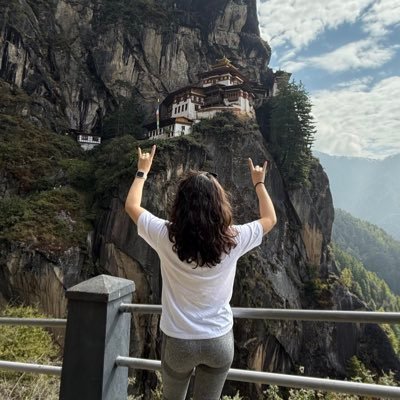

@Camp4 Growing up, my dream was to live in a place with running water and an indoor toilet. Now I want more, but my childhood dream reminds me I am already living a great life :)
English
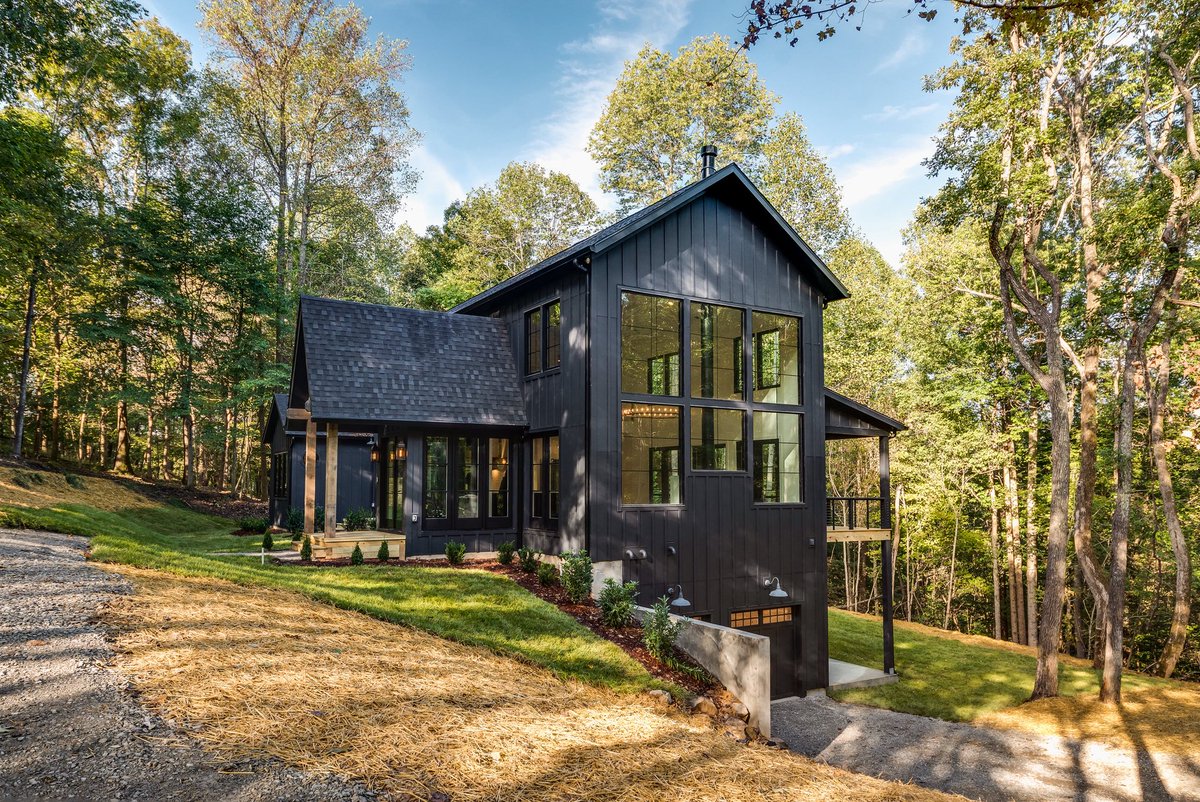
—Small, exquisitely designed home in the ⛰️
—Reading, writing, creative projects
—Barn with climbing/fitness setup
—Challenging, meaningful work
—Sauna + nearby stream
—Family & close friends
—Travel all winter 🏝️
—Open calendar
—Healthy food
—Good coffee
—Starlink
—Dog
What’s your best life look like?
And more importantly, are you taking steps to get there?
English
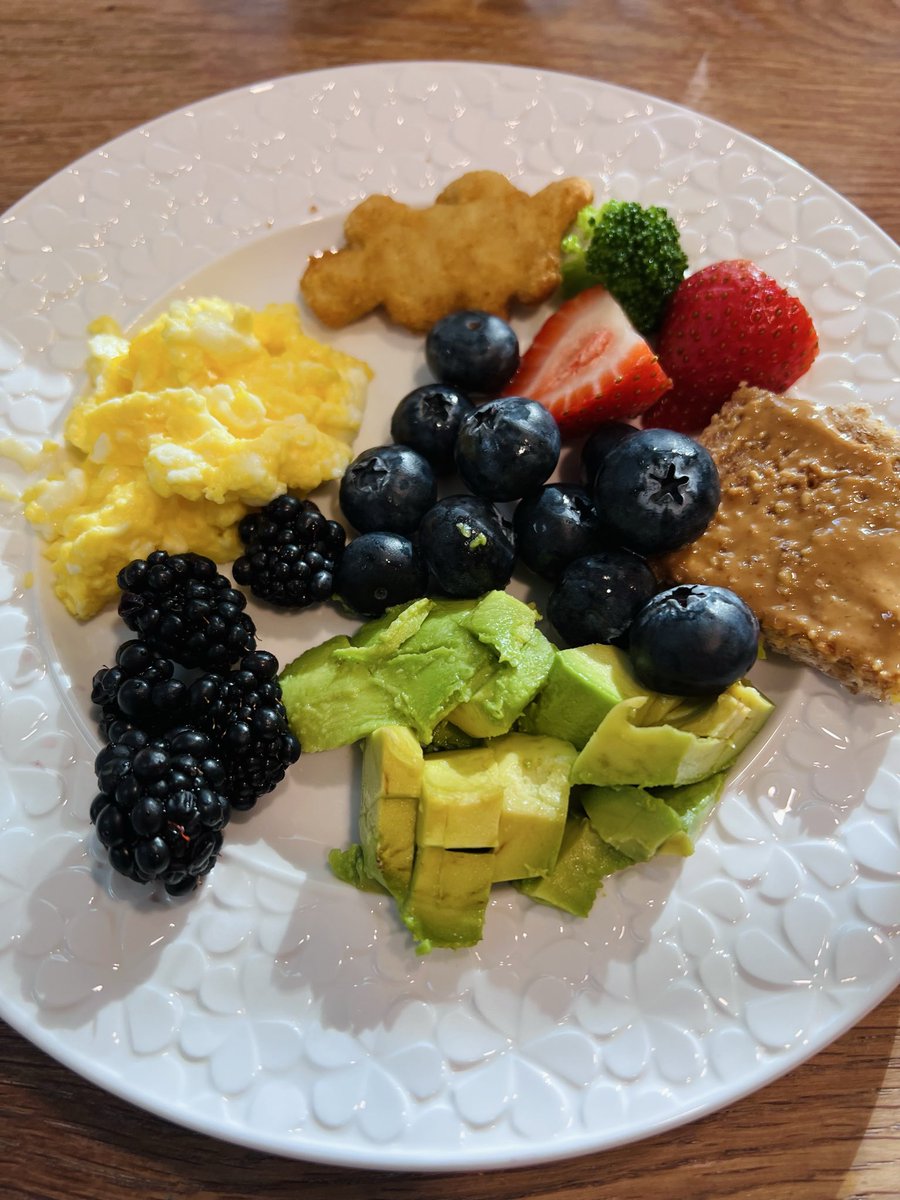
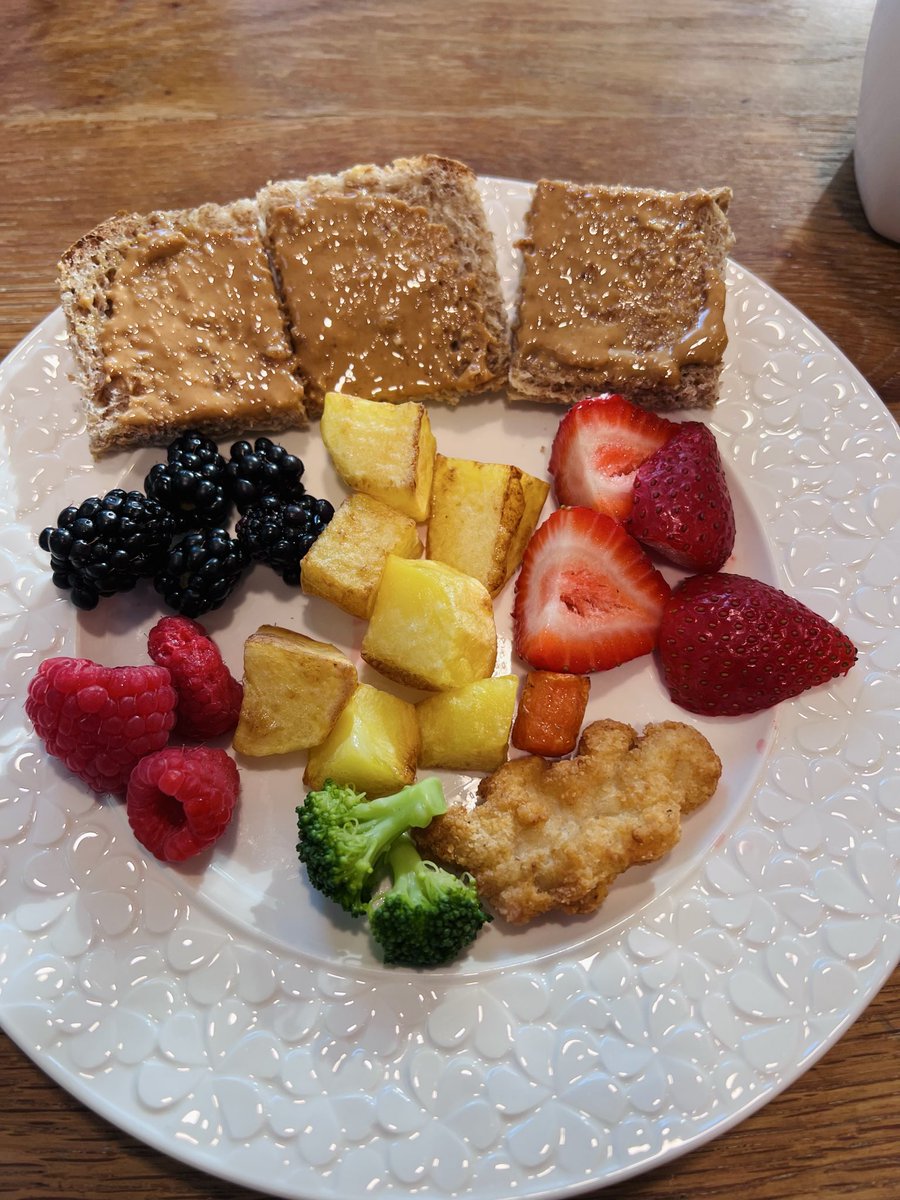
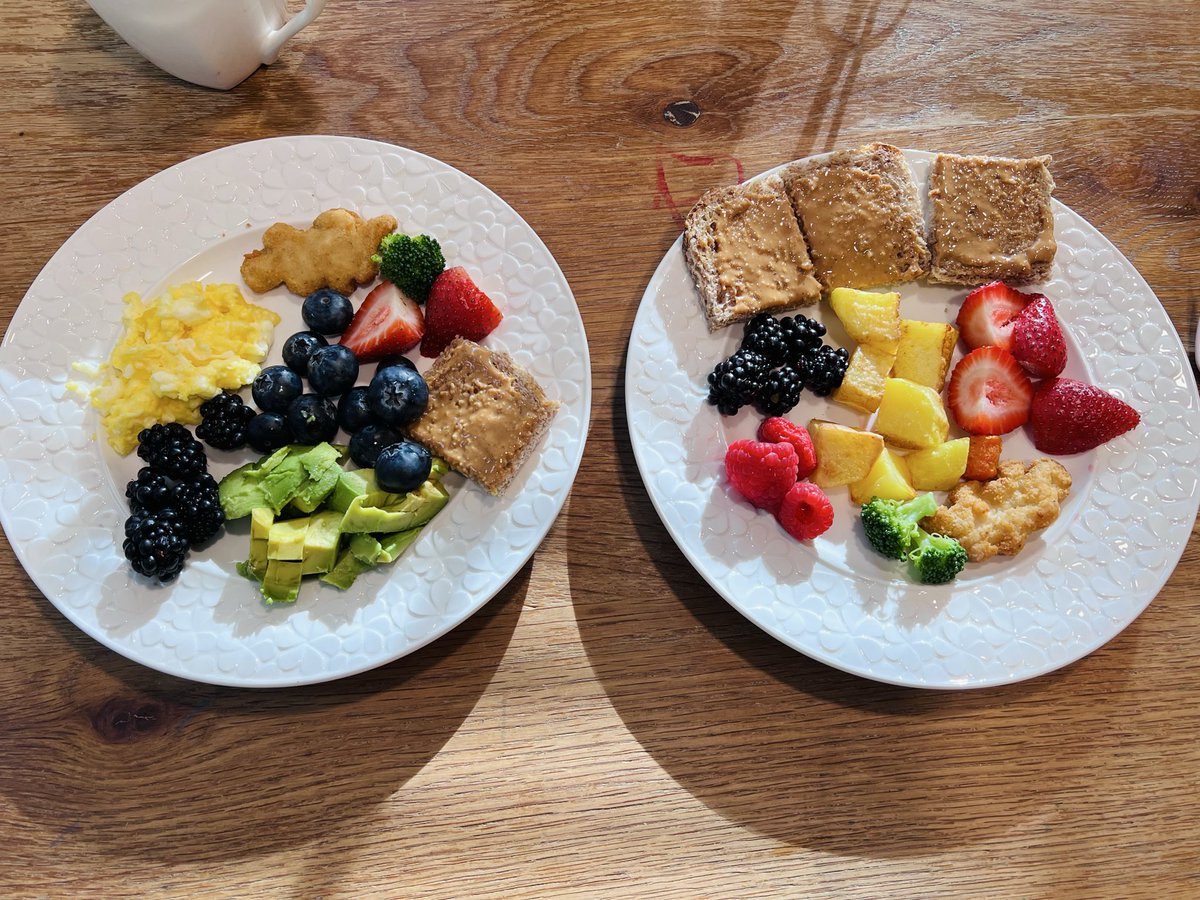
Хоёр хүүхдийн өглөөний цай. Охин маань хэтэрхий их байна гэнэ, хэмжээг нь багасгахаас. 4 настай хүү маань харин хоол сайн цохино, талхнаас бусдыг нь идчихлээ.
Русский
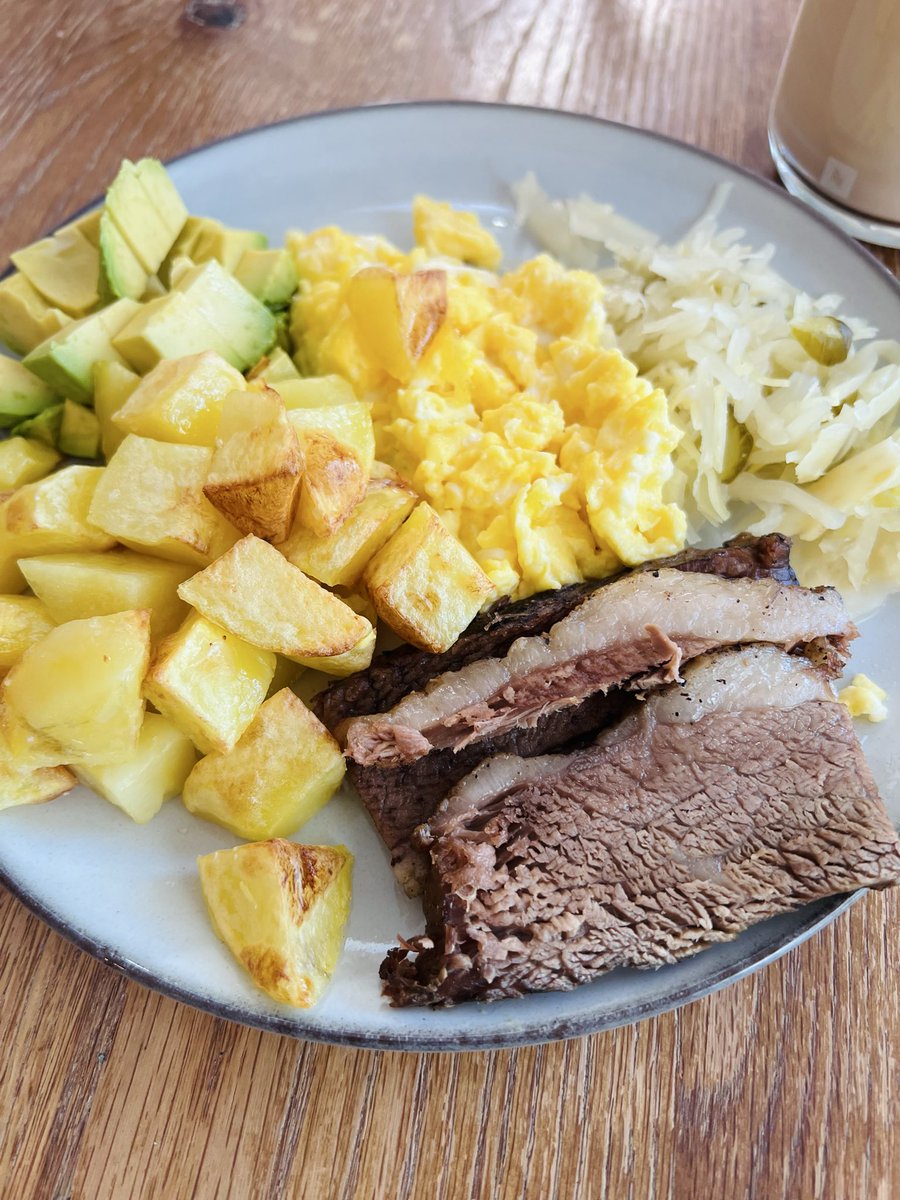
Dry braised beef brisket, air fried potatoes, scrambled eggs, avocado, sauerkraut (дарсан байцаа), and a coffee — today’s breakfast.


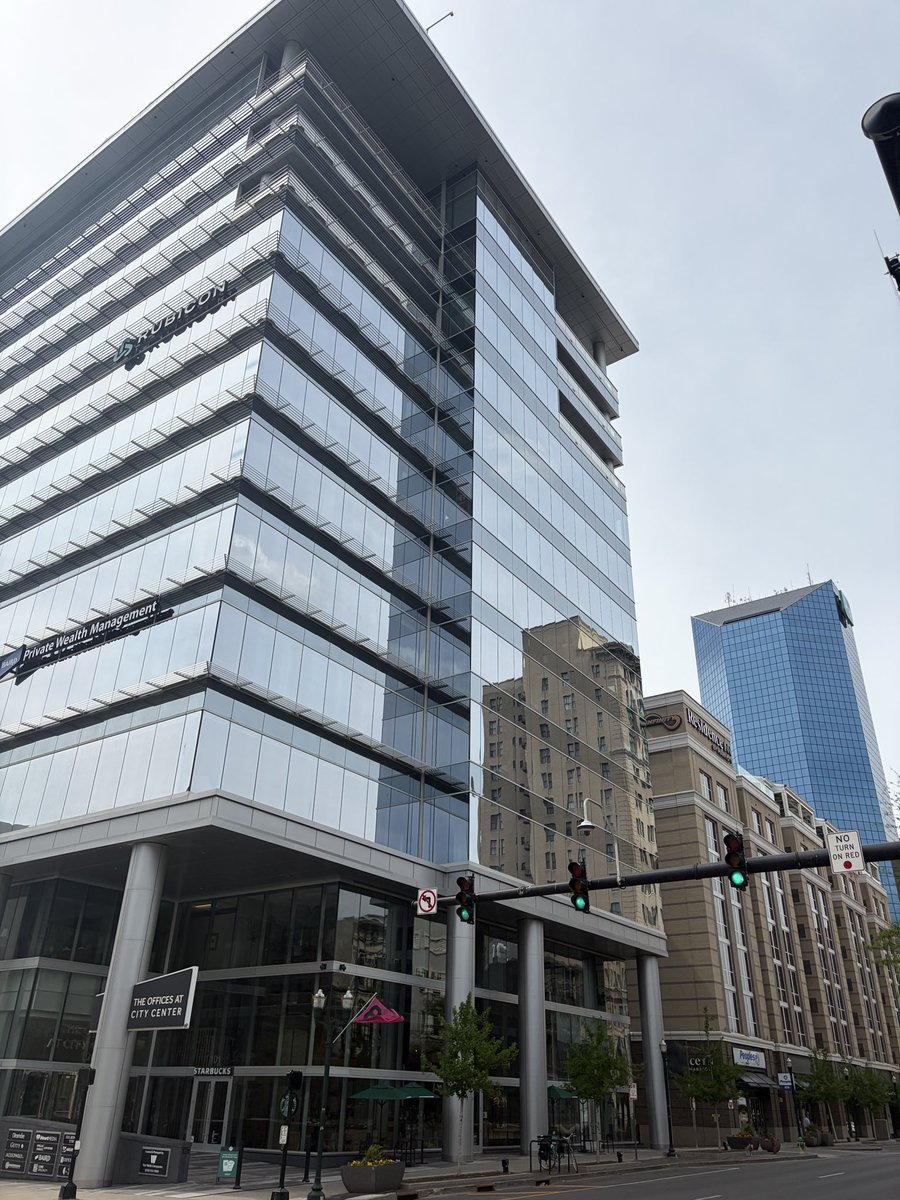
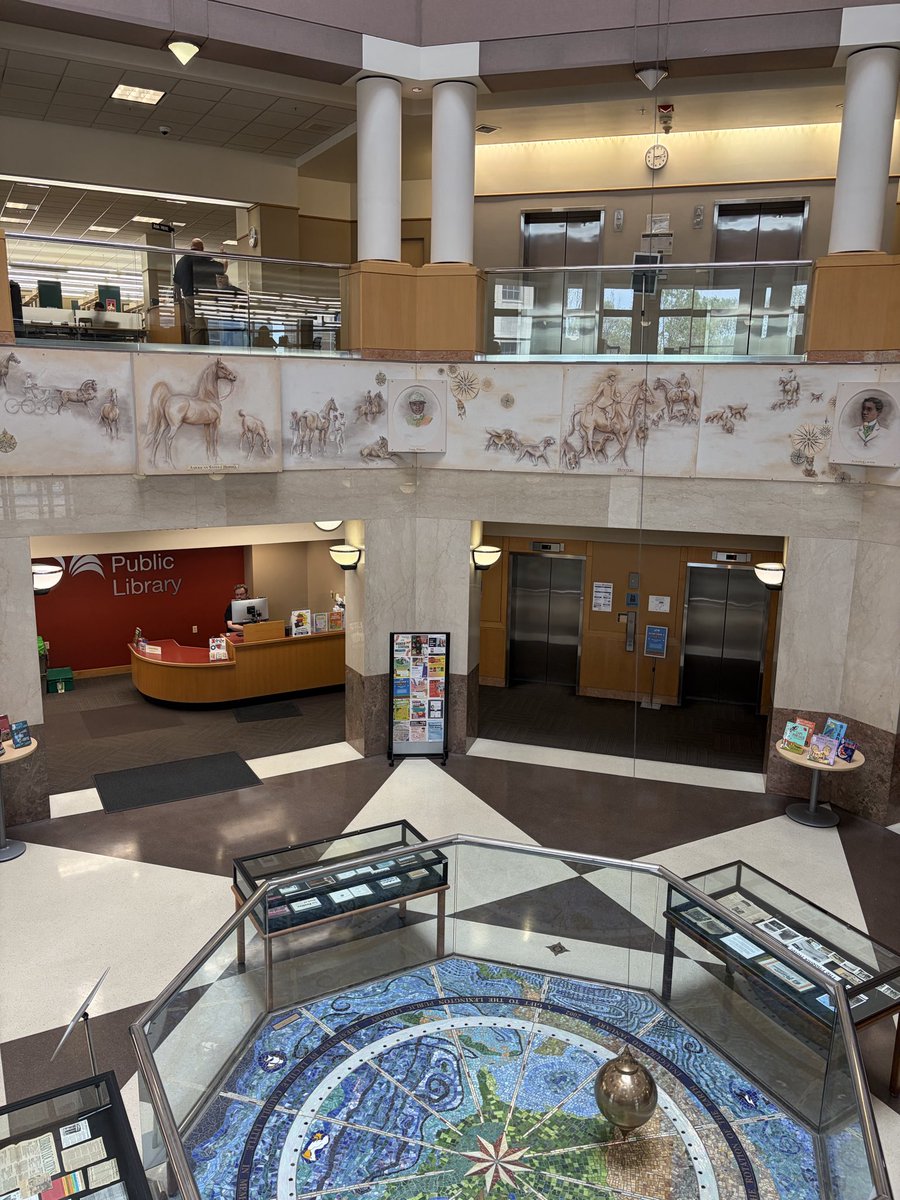

Сүүлийн семестэрийн төлбөрийг хийгээд, 17 оны сүүлээр дансандаа ердөө $187 доллартай байсан үе бий. Ямар нэг өр зээлгүй төгссөн гэхээр нэг бодлын азтай, нөгөө бодлын гүргэр байж.
Battur Sanchin@battur
Бүтэн цагийн ажлын хажуугаар, чанга сургуулийн програмыг 2.5 жилийн хугацаанд нусаа хацартаа нааж байж төгслөө хө. @otgonpurew-ийн хэлсэнээр, ёстой юу ч мэддэггүйгээ мэдэж авлаа. Олзуурхууштай нь өөрийнхөө лимитийг бодсоноос хамаагүй цаана, хаа нэгтээ байгаа гэдгийг мэдсэн болно.
Русский
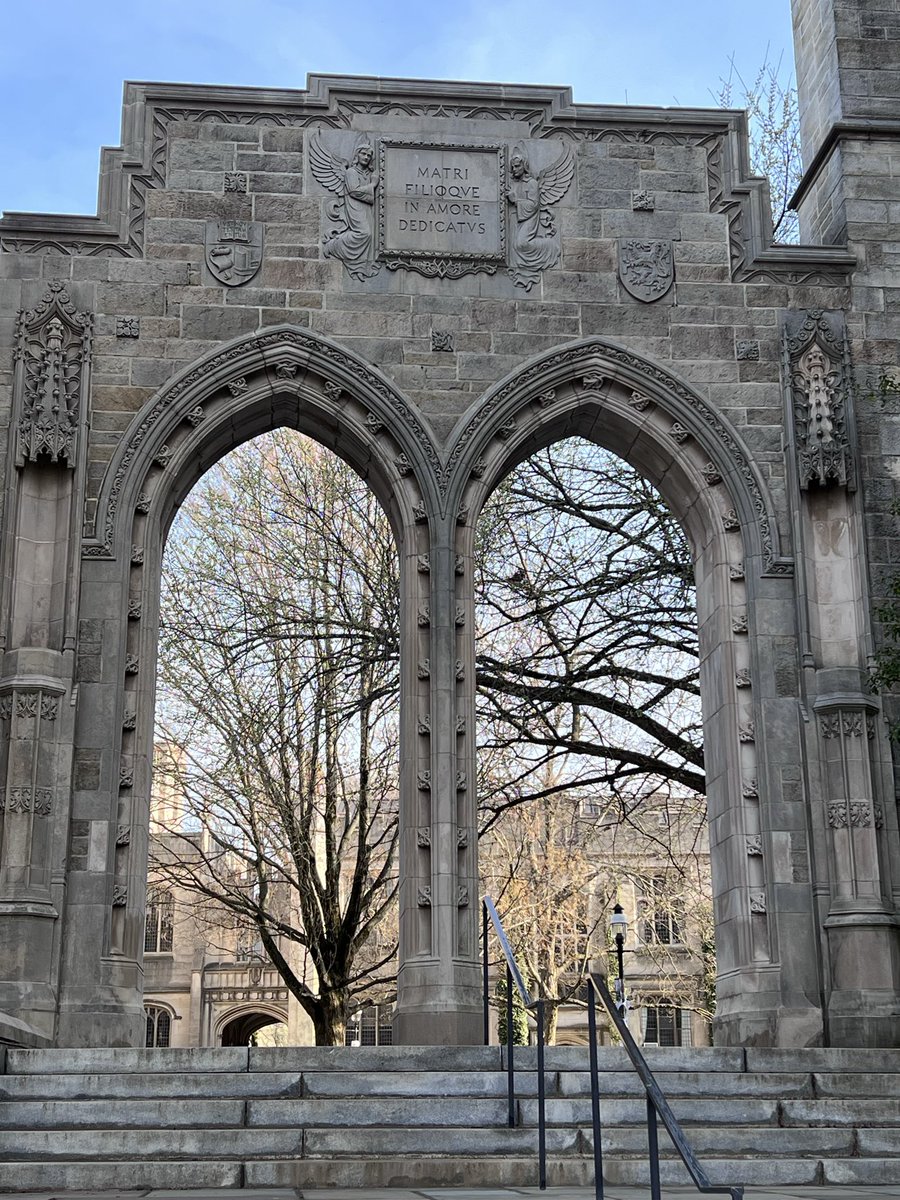


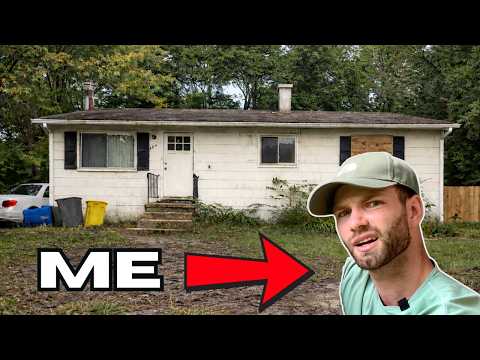
What Happens When a Man Remodels an Entire House By Himself
youtube.com/watch?v=b5tukA…
YouTube
English