Izakaya 🍻🍢🏮 by Tull

16 posts

Izakaya 🍻🍢🏮 by Tull banner
Izakaya 🍻🍢🏮 by Tull

Izakaya 🍻🍢🏮 by Tull

@bayrons2

🍣 Welcome to my Izakaya 🍶 Authentic Japanese Flavors in the Heart of the USA! 🇯🇵✨ | Crafting Culinary Experiences 🍱 | Savor the Fusion of Tradition

Reston, Virginia Katılım Haziran 2012
66 Takip Edilen307 Takipçiler
Izakaya 🍻🍢🏮 by Tull
Drinks Selection:🍺 A significant aspect of izakaya culture is the extensive selection of alcoholic beverages available. Alongside traditional Japanese drinks like sake, shochu, and beer, izakayas often offer a range of cocktails, whiskey, wine, and non-alcoholic options. Otoshi and Table Charges: Some izakayas may have a mandatory cover charge called "otoshi," which includes a small appetizer served automatically upon seating. Additionally, some establishments may have a table charge (called "oshibori") to cover the cost of table service and amenities.
English
26
0
0
2.7K
Izakaya 🍻🍢🏮 by Tull
An izakaya 🇯🇵🍙🍡 Is a traditional Japanese gastropub or tavern known for its casual and lively atmosphere, delicious food, and wide selection of drinks. 1. Socializing and Relaxation: Izakayas are popular destinations for socializing and unwinding after work or on weekends. They provide a relaxed and informal setting where friends, coworkers, and acquaintances can gather to eat, drink, and enjoy each other's company. 2. Varied Menu: Izakaya menus typically feature a wide variety of small, shareable dishes known as "tapas-style" or "small plates." These dishes range from grilled skewers (yakitori) and deep-fried snacks (karaage) to sushi, sashimi, noodles, and rice bowls.
English
0
0
1
4M
Izakaya 🍻🍢🏮 by Tull
What's in My Kitchen Cabinet – Spice Guide Part 1 🍗🍑🥭 Welcome to my small kitchen! I've written about more than 100 dishes in nearly 3 years, but I haven't had the time to create a guide for spices – the types that I have been using in my small kitchen. This should have been shared a long time ago, but laziness took over =)) Cooking and eating alone, but my spice cabinet might be larger than a family of 4. Occasionally, when I go to the Asian supermarket, the lady at the counter says, "You buy a lot of spices, huh?" or "What are you cooking, it smells good," well, living alone, eating less, so let's eat with quality. If parents give money for food and I can't learn much, then I'll eat. Consider it completing 50% of the assigned duty. But without eating much, how can I write this post for you, including this Mykitchies blog 😛 Here is the list of spices that I am using. For copyright reasons, I'm too lazy to find images and sources, so I'll just take a picture of my spice collection to make it look more authentic. Therefore, the images might be a bit blurry 😛
English
39
0
0
601
Izakaya 🍻🍢🏮 by Tull
Hokkaido Izakaya 🍥🩵 Once the drinks were flowing, it was all about the food. Our menu was extensive, featuring everything from yakitori (grilled chicken skewers) to sashimi, and my knowledge of Japanese food was put to the test. While I was familiar with many dishes, there were some regional specialties and unique offerings that I needed to quickly acquaint myself with. Izakaya customers varied from locals who dropped by for a solo drink after work to groups celebrating special occasions. One thing they all had in common was their love for food and drinks. The atmosphere was lively, and the constant chatter and laughter created a warm ambiance. Handling rowdy customers became a skill in itself. From friendly banter to slightly intoxicated patrons, I learned to navigate different situations. The key was to remain polite, professional, and attentive while ensuring everyone had a good time. It wasn't always easy, but it was a valuable experience in customer service. Working in an izakaya wasn't just about serving food and drinks. There was also a cultural exchange happening. Customers were curious about the foreign staff, and they often engaged in conversations about our backgrounds and experiences. It was a great opportunity to share my culture while learning more about theirs. As the night progressed, so did the pace of the izakaya. The kitchen was a hive of activity, and the sounds of sizzling and chopping filled the air. Coordination among staff members was crucial to ensure smooth service. It was a well-choreographed dance behind the scenes. Closing time meant cleaning up and preparing for the next day. The meticulousness extended to every aspect of the izakaya, from arranging the chopsticks to wiping down the counters. Attention to detail was paramount. Despite the challenges, the experience of working in an izakaya in Hokkaido was incredibly rewarding. I gained insights into Japanese hospitality, improved my language skills, and made lasting connections with both locals and fellow travelers. It was a chapter of my life that added depth to my understanding of Japan, and it remains a cherished memory.
English
72
0
0
1.4M
焼肉きんぐ【公式】
焼肉きんぐ【公式】@yakiniku_king_·
きんぐでアレンジメニューを 楽しんでいただきありがとうございます✨ みなさんはどんなアレンジがおすすめですか❓🤔 コメントで教えてね❗️😉
ななたん【音速のななたん】@amagaeru0330

ご飯のメニューには載ってないけど、イチバン美味いんだなこれが!( ̄∀ ̄)🍚🌽🎵 #るまい #焼肉きんぐ #焼肉屋さんでカスタマイズ

日本語
7
22
255
127.3K
Izakaya 🍻🍢🏮 by Tull
A 'fortune-telling' cake shop in Kyoto, Japan 🍥🥮 Along the road leading to the Fushimi Inari Shrine in Kyoto, Japan, there are plenty of restaurants and street food stalls. Mr. Takeshi Matsuhisa's cake shop, Hougyokudo, is nestled in this bustling neighborhood. Inside the shop, Mr. Takeshi Matsuhisa controls over a dozen iron molds with long, thin handles. He opens the mold to take out a brown cake, then skillfully folds it in half, presses a piece of paper inside, and folds it again. The completed cake has a shiny brown and yellow color, reminiscent of the fortune cookies in Chinese restaurants in the United States. The cake-making craftsman at Houkyokudo pouring batter into the mold. Photo: Selena Hoy. The cake-making craftsman at Houkyokudo pouring batter into the mold. Photo: Selena Hoy. Fortune cookies in the United States are believed to be the creation of immigrants to California. In fact, this type of cake originated in Japan, where bakers like Mr. Matsuhisa still follow traditional methods. It is known as tsujiura senbei and omikuji senbei, dating back to the Edo period. The custom of drawing fortune-telling lots for future predictions at Japanese shrines and temples has existed for about 1,000 years. People tie these lots to trees on the way out. Tsujiura is a form of divination based on certain conventions to interpret and make predictions about the future, especially in sacred places. In the Edo era, 'fortune-telling' cakes became a form of popular entertainment and were often sold on street corners or in tea houses. Historical documents describe 'fortune-telling' cakes dating back centuries. One of the earliest works describing the cakes is "Young Spring Grass" by Tamenaga Shunsui. A woodcut from 1878 depicts a man named Kinnosuke making tsujiura senbei, similar to how bakers in Kyoto still do today. Photo: Public Domain. A woodcut from 1878 depicts a man named Kinnosuke making tsujiura senbei, similar to how bakers in Kyoto still do today. Photo: Public Domain. The documents describe this type of cake as a triangular shape, with an outer coating of molasses, crisp and tasting like ginger candy. The contents of the paper tucked inside the cake often include aphorisms like: "Determination will help us overcome difficulties. So why don't we unite?" Chinese immigrants arriving in the United States in the mid-19th century during the California Gold Rush brought 'fortune-telling' cakes to Chinese and Japanese living areas. In the 1870s, Makoto Hagiwara came to the United States and began a tea business near the Golden Gate Park. The papers inside the cake at this time were not predictions but words of thanks and good luck. In the United States, these are called fortune cookies. Later, the cakes were made to suit the taste of Westerners and became more famous. Japanese bakers also supplied cakes to Chinese restaurants. After World War II, Mr. Hagiwara could not run the business because he was imprisoned. Chinese employees took over management and thrived. They also contributed to spreading fortune cookies throughout the United States. Today, only a few traditional cake shops in Japan maintain the traditional baking methods passed down through generations. Along with the Hougyokudo and Matsuya shops, Souhonke Inariya is also a famous and internationally acclaimed traditional cake shop. Articles mentioning the Souhonke Inariya cake shop are carefully framed and hung on the walls of the shop. Photo: Courtesy of Gary Ono. Articles mentioning the Souhonke Inariya cake shop are carefully framed and hung on the walls of the shop. Photo: Courtesy of Gary Ono. Since the origin of fortune cakes became known, tourists have sought out traditional stores to enjoy the original taste of the cake. Although the cake is not served in restaurants and is hard to find, many people are still willing to go a little further to buy it home and enjoy it with their families.
English
19
0
12
429
焼肉きんぐ【公式】
焼肉きんぐ【公式】@yakiniku_king_·
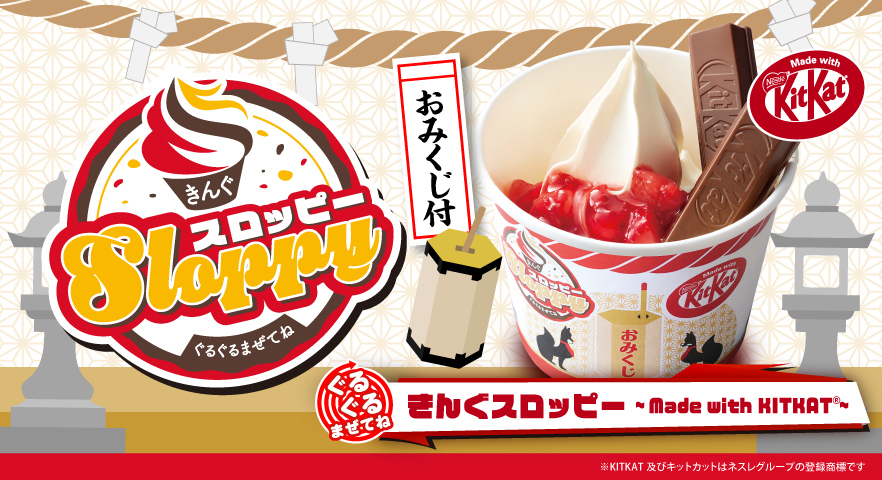
今回の「きんぐスロッピー」はおみくじつき✨ カップについている2次元コードから引けるよ❗️ 『焼肉きんぐ』で運試しなんてどう❓👀 結果をシェアして、みんなで楽しんじゃおう✨
焼肉きんぐ【公式】 tweet media
日本語
1
61
351
70.8K
Izakaya 🍻🍢🏮 by Tull
A yakitori (grilled chicken skewers) restaurant, open for nearly 100 years, in Tokyo 🐔🍗 Isehiro, a yakitori (grilled chicken skewers) restaurant in Kyobashi, Chuo-ku, right in the heart of Tokyo, has been serving its specialty for nearly 100 years. Located just a 5-minute walk from Tokyo Station, the restaurant opened in 1921, making it the oldest yakitori establishment in Tokyo, with its inception predating the major earthquake disaster in the Kanto region by two years. This culinary destination has catered to numerous famous personalities throughout its almost century-long history, including Ozu Yasujiro, a renowned Japanese filmmaker of all times, who was also a regular patron of the restaurant. The first floor of the restaurant is small and has limited seating. The second floor is more spacious but still relatively small, with a limited number of tables spread across tatami-matted rooms. This is a typical eatery serving those patrons who wish to invite business partners for discussions, rather than being a place for tourists. Isehiro's yakitori is praised for its deliciousness, with the chicken sometimes being overly cooked, but overall, the flavor and presentation are attractive. The restaurant sources its ingredients from various places around Tokyo. The owner selectively chooses the finest ingredients, such as obtaining salt from a handmade salt workshop in Shizuoka. According to the author of Explore Old Tokyo, a platform introducing dining and entertainment destinations in Tokyo, he visited the restaurant for dinner and tried the skewers brought to the table. The restaurant typically provides a metal plate to customers instead of chopsticks, allowing them to remove the chicken from the skewers before eating. Diners are advised not to eat chicken directly from the skewer and can add a bit of sansho (Japanese pepper) or shichimi (a blend of seven spicy herbs) to enhance the flavor. Most yakitori items on the menu have a shape similar to dango dumplings but are called Tsukune (chicken meatballs and cartilage skewers). At Isehiro, the chicken meatballs are skewered tightly together, with no gaps in between. The restaurant uses binchotan, a famous charcoal, to provide the purest flavor to the grilled dishes. This type of charcoal has been used since the Edo period (1603 – 1868) and is made from oak wood grown in Wakayama Prefecture. Customers are drawn to the restaurant not only for its delicious food, reasonable prices, and long history but also out of curiosity and a desire to explore the taste preferences of the legendary director Ozu Yasujiro. It is said that he had a favorite spot in the restaurant, a small tatami-matted room where he could quietly enjoy yakitori skewers and depart as quietly as he arrived. The period when he frequently visited Isehiro was in 1953. Isehiro is open for lunch from 11:30 AM to 2:00 PM and for dinner from 4:30 PM to 9:00 PM daily, with a day off on Sundays. The price for lunch starts from 5,500 yen (approximately 1.1 million VND) and for dinner from 8,000 yen (approximately 1.7 million VND). Thanks to its popularity, the restaurant has expanded into a chain with branches in various locations such as Hotel New Otani, Ginza, and Nihombashi district.
English
20
0
8
191
Izakaya 🍻🍢🏮 by Tull
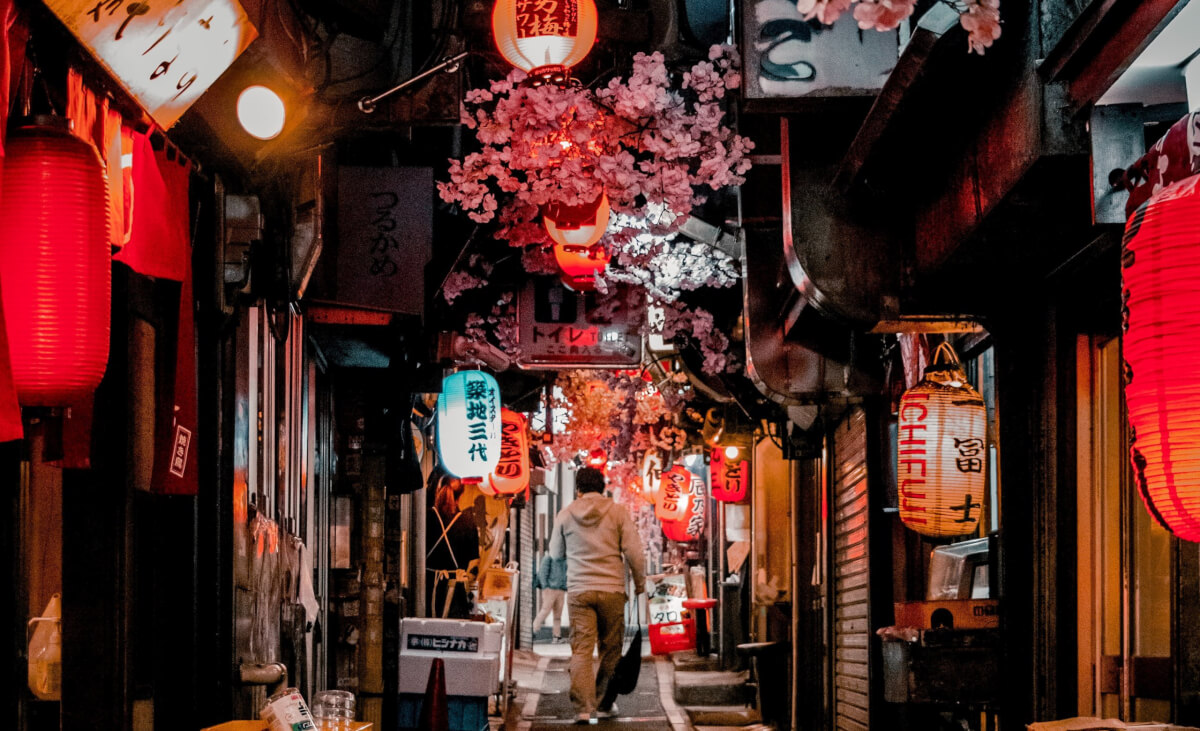
Are you seeking an authentic local experience in Tokyo? If so, exploring one of the city's vibrant izakaya alleys is a must! An izakaya is a Japanese-style dining bar where patrons relish both drinks and food. These alleys become bustling with locals during dinner hours
Izakaya 🍻🍢🏮 by Tull tweet media
English
0
0
0
3.3M
Izakaya 🍻🍢🏮 by Tull
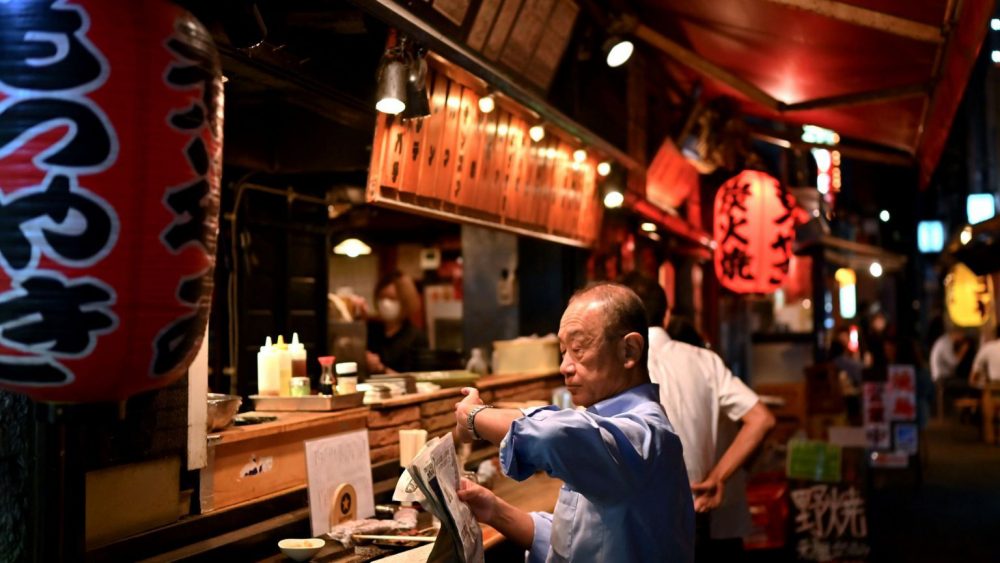
"Izakaya" which translates to "dine-in sake shop," is an informal drinking establishment where small dishes of food are served alongside drinks. As a Japanese bar/restaurant known for its friendly and social atmosphere, the izakaya is a favored venue for gatherings friends
Izakaya 🍻🍢🏮 by Tull tweet media
English
0
0
0
1.5M
焼肉きんぐ【公式】
焼肉きんぐ【公式】@yakiniku_king_·
\\              //      新成人の皆さん!   ㊗️成人おめでとうございます㊗️ //              \\ お祝いに、『焼肉きんぐ』のプレミアムコースなんてどう❓ 国産牛や厚切り牛タンも食べ放題🔥
焼肉きんぐ【公式】 tweet media
日本語
8
161
789
192.9K
Izakaya 🍻🍢🏮 by Tull
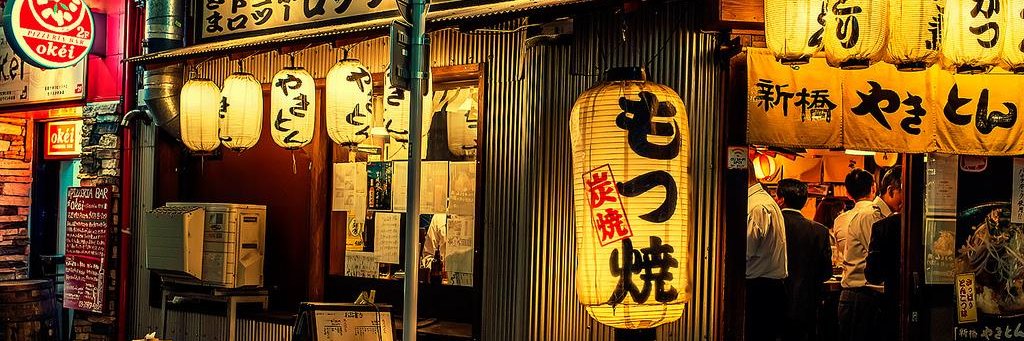
Izakayas: A Culinary Journey Through Tradition and Flavor 🇯🇵🌃 Izakayas, the heart of Tokyo's vibrant dining scene, blend delicious cuisine, refreshing drinks, and a lively atmosphere.
Izakaya 🍻🍢🏮 by Tull tweet media
English
0
0
0
1.5M