Brian Dukes

376 posts

Brian Dukes banner
Brian Dukes

Brian Dukes

@bdukes32

2x Bootstrapper | Entrepreneur | Husband | Father | I talk about strategies for building businesses towards a successful exit... & golf.

Rochester Hills, MI Katılım Eylül 2022
857 Takip Edilen273 Takipçiler
Sabitlenmiş Tweet
Brian Dukes
Brian Dukes@bdukes32·
Ready for your next adventure? Let us help you create the business exit you deserve. Follow us @ExitWise + Visit us @ ExitWise.com
English
1
0
26
1.5K
Brian Dukes
Brian Dukes@bdukes32·
Thrilled to be speaking at the #MALaunchpad Conference in Chicago on Oct 25 — where dealmakers, operators, and investors connect to make big moves. Learn more → malaunchpad.com
Brian Dukes tweet media
English
0
0
0
38
Brian Dukes
Brian Dukes@bdukes32·
@NUCLRGOLF Are we talking miniature golf? If so, I'm taking putter and I'm all in...
English
0
0
4
611
Brian Dukes
Brian Dukes@bdukes32·
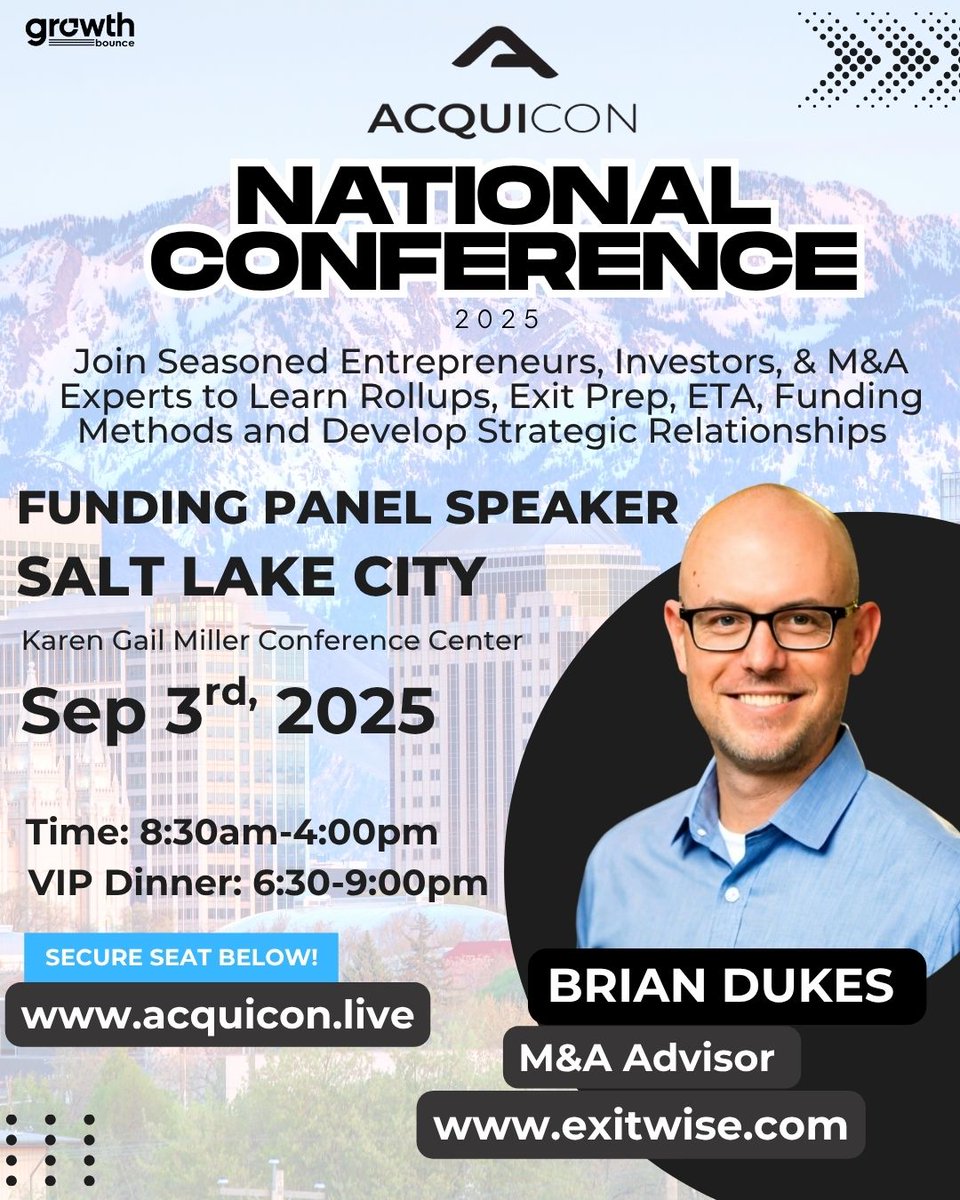
Thinking about a rollup? Preparing for an exit? Or maybe you're navigating your first Entrepreneurship Through Acquisition (ETA) deal? This is a game of high stakes, and having the right knowledge can make or break your success. That's why I'm thrilled to be speaking at ACQUICON's National Conference on September 3rd in Salt Lake City. This conference is your chance to get tactical, actionable insights directly from operators who have been in your shoes. We're not just talking theory. We're going deep into: Mental Fortitude: How do you handle the pressure of deals? Reid Tileston summited Everest and is a serial entrepreneur. Tax Optimization: Don't leave money on the table. Jerilyn M. will break down complex tax strategies to help you structure deals more efficiently. Smart Funding: How do you scale without selling out? Earl Foote will share his playbook for growth capital with integrity. Deal Strategy: Get inside the mind of one of the sharpest thinkers in the space, Paul Hickey, as he shares his ETA insights. I'm honored to be a part of this incredible lineup and can't wait to share my own experiences and learn from the best. If you're serious about M&A, you need to be here. Join us: What: ACQUICON National Conference When: September 3rd, 2025 Where: Salt Lake City Tickets: #tickets" target="_blank" rel="nofollow noopener">acquicon.live/#tickets #MergersAndAcquisitions #SellingMyBusiness #ExitPrep #BusinessValuations
Brian Dukes tweet media
English
0
0
2
50
Brian Dukes
Brian Dukes@bdukes32·
Client delivery can be hard. But great customer service shouldn't be. True story of what I mean: A few weeks ago, I had a really frustrating experience that's still sitting with me. We had a bit of a travel situation and needed a rental car — a big van for same-day pickup. I found the vehicle online, saw it was available, and even called ahead to confirm. The person on the phone told me it was available, so I booked it and got a ride. An hour later, I arrive at the location, and the woman at the counter looks at me like I’m crazy. “We don’t honor same-day reservations. That vehicle’s not actually available.” No apology. No offer to help. Just complete dismissal, like I was wrong for even expecting it to work. I got back in my car service, backtracked an hour, and while I’m doing that, I get a call AND an automated email canceling my reservation. A bit too late to be helpful, I'm afraid. Once again, no solutions, just adding to my problems. Just another broken loop in an already-broken experience. Now look, I get it. Client service can be hard. Aligning teams, systems, timing, and expectations can be challenging. But great customer service? That’s not supposed to be hard. You don't need to create magical moments every single time. You just need to do what you said you would. - Pick up the phone - Deliver the thing you promised - Don’t waste people’s time or money Because when trust breaks down at the moment of delivery, nothing else matters. In hindsight, it wasn't that big of a deal. But it DID remind me why we're building Exitwise the way we do: Real people, thoughtful execution, and a relentless focus on eliminating wasted time and failed outcomes. Because whether it’s a rental van or a $50M transaction? When your customers are counting on you, it's your job to deliver.
Brian Dukes tweet media
English
0
0
1
49
Brian Dukes
Brian Dukes@bdukes32·
If your business is just a "nice to have," don't expect buyers to fight for it. You need to become the obvious choice in the deal. The best acquisitions we see don't happen because a buyer simply wants the business. They happen because the buyer absolutely NEEDS it. The way that I see it is this: The "nice to have" zone is like the friend zone of acquisitions — you're going to get compared, negotiated down, or de-prioritized. So the real question then becomes, how do you go from optional to essential? Truth is, most founders wait too long to put themselves out there. They hide behind the work instead of letting the right people see it. But when you finally stop playing it safe, that’s when buyers stop window shopping and start calling instead. Curious what this looks like in real life? Check out the video below ↓
English
0
0
0
34
Brian Dukes
Brian Dukes@bdukes32·
@NUCLRGOLF Definitely hitting my playing parter (or myself) with the tree-ricochet…
English
0
0
1
30
Monday Q Info
Monday Q Info@acaseofthegolf1·
Truly ridiculous
English
102
703
13.7K
1.2M
MYGOLFSPY
MYGOLFSPY@MyGolfSpy·
What’s something you should absolutely buy if you want to get better at golf?
English
633
4
378
498K
NUCLR GOLF
NUCLR GOLF@NUCLRGOLF·
📽️🏌️‍♂️What movie is this? Wrong answers only.
NUCLR GOLF tweet media
English
385
22
559
160.3K
Brian Dukes
Brian Dukes@bdukes32·
Every CEO that is serious about selling their business focuses on the financial organization of the company. But far less than you'd expect actually prepare for what happens after the deal closes. Look, I get it. Selling your business can take an emotional toll on you. I've literally been there myself having exited my previous company. Because you spend years pouring your time, money, and energy into building this thing from the ground up. Then suddenly, it’s all behind you. Here's the harsh truth about selling your company that so few people talk about: If you’re not emotionally ready for what happens after the exit, it can leave you feeling completely unanchored and unprepared for what comes next. Which is why it's so important to have a clear plan post-exit... ...not for the business, but for the life you're building after you sell. Here's why:
English
0
0
2
80
Brian Dukes
Brian Dukes@bdukes32·
I successfully exited my previous company and have helped countless founders exit their own businesses for 9-figures plus. Here's the number one question I get asked about exiting: "How do I know when it's the right time to sell my company?" And every time a founder comes to us with that question, my answer's always the same: You’ll never get a calendar reminder that says it's the right time to sell. So instead, you should always be running your business like it's for sale. Not because you're actively looking to exit. But because building a company that's ready to sell is also how you build a company that's ready to scale. Because whenever that moment does arrive (whether it's next quarter or five years from now)? You don't want to be stuck scrambling to clean up a messy backend. Here's what it actually means to operate like you're "always for sale," and why having that mindset creates leverage, clarity, and better business outcomes:
English
1
0
5
81
Brian Dukes
Brian Dukes@bdukes32·
I've worked with 100+ founders and bootstrapped and exited my last business. In my opinion, there are two HUGE myths founders fall for when it's time to sell: First, a lot of founders think selling a business is easy. They think it won’t really impact their day-to-day. But the reality is, selling your company is like a second full-time job. Because you're still trying to grow your business and hit your numbers... all while navigating a diligence process that could last up to a year. The second mistake is thinking that all exits are comparable. But every industry is different. Every buyer is different. And every deal is different. There’s no universal formula – only context.
English
0
0
2
47
Brian Dukes
Brian Dukes@bdukes32·
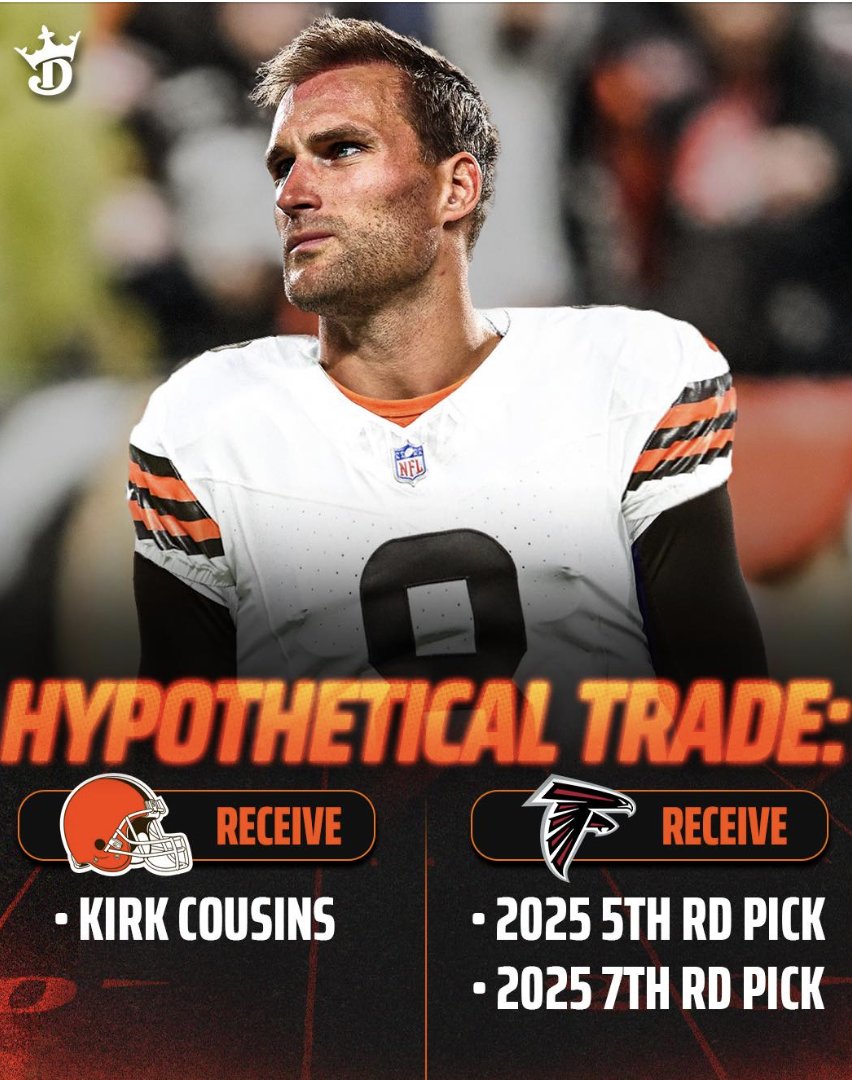
@CLEsportsTalk Who's paying his current contract? If the answer is ATL, then the answer is "yes".
English
2
0
16
845
Brian Dukes
Brian Dukes@bdukes32·
@NUCLRGOLF Without question... but, please tell my family that I love them.
English
2
0
143
14.4K
Brian Dukes
Brian Dukes@bdukes32·
Your next business acquirer might be 25 years old. Let me explain: Gen Z entrepreneurs (born after 1997) are entering the acquisition market. And they have very different priorities. After working with several Gen Z acquirers, I've noticed they're looking for three specific things: 1. Digital-first operations: ↳ Not just a website, but comprehensive cloud systems and automation. 2. Purpose-driven companies: ↳ Businesses with authentic social or environmental impact. 3. Remote-friendly models: ↳ Organizations that can thrive without everyone in the same office. Businesses struggling to attract these buyers are those still using spreadsheets saved to desktops, rigid in-office cultures, and paper systems. Many sellers dismiss young buyers, assuming they lack capital or experience.... But this is a massive mistake. Because these entrepreneurs are often backed by: → Family offices → Established investors → Their own earlier lucrative exits And they're bringing fresh perspectives and (oftentimes) higher valuations for the right businesses. So the question isn't whether Gen Z will reshape the acquisition market – they already are. The question is whether your business is positioned to benefit. In this week's edition of The Wise Exit, we explore: - What Gen Z entrepreneurs really look for when buying businesses - Understanding SDE (Seller's Discretionary Earnings) in business valuation - Cash vs. Earnout: The one massive exit decision you can't afford to get wrong Read the full newsletter and all previous editions of The Wise Exit for FREE here: newsletter.exitwise.com/subscribe Don't miss out.
English
0
0
4
95
Brian Dukes
Brian Dukes@bdukes32·
Buyers don’t walk away from deals because of price. They walk away because they lose trust in the business and vision of the future. A lot of founders initially come to us facing the same issues: → Growth forecasts that ignore the need for incremental resources → Financials that don’t match the narrative being told → Basic diligence requests that take weeks to fulfill That’s when red flags turn into serious concerns. And buyers start wondering what else they’re missing. Because the truth is, if it looks like you’re scrambling to pull together org charts or customer breakdowns after a request comes in... ...they’re going to assume you’re not running a tight ship. And when that trust starts to erode? Buyers dig deeper, push harder, and the deal starts to fall apart. Here are a few of the most common red flags that tank M&A deals (and how to avoid them before they ever show up):
English
0
0
3
62