
Sabitlenmiş Tweet
BeevesPet
4.2K posts


BeevesPet retweetledi
Akira Kurosawa’s films show a strong and careful use of color to tell stories and create mood.
Akira Kurosawa approaches the cinematic frame like a canvas, using color with deliberate and commanding precision. In his visually rich epics, he went so far as to modify natural environments—painting elements of the set such as ground, shadows, and vegetation—to ensure they aligned with his carefully designed storyboards. Through this, he used color not just decoratively, but expressively, shaping mood and meaning within the narrative.
Bold, saturated reds often signal death, violence, and the collapse of order, while vivid yellows can suggest instability, corruption, or psychological unrest. These intense tones are frequently set against muted, restrained backgrounds, heightening their emotional impact and drawing the viewer’s attention into specific dramatic forces within the frame.
The result is a highly controlled visual language in which color becomes a storytelling tool in itself, transforming historical and violent subject matter into a striking, almost painterly cinematic experience that immerses the audience in its emotional weight.
English
BeevesPet retweetledi

Aristotle called it “vice.”
The Apostle Paul called it “sin.”
George Lucas called it “the dark side.”
Star Wars was originally designed to be a modern myth to pass on timeless wisdom.
There’s a lot of gold in what Lucas says here in this clip:
English
BeevesPet retweetledi

Devils Tower rising 264m (867 feet) above the surrounding terrain in northeastern Wyoming, an igneous intrusion that some believe is the remains of a volcano after erosion removed the surrounding rock.
📽: everchanginghorizon/ig
English
BeevesPet retweetledi

Casino opens by saying it is adapted from a true story, but the film never names the real casino behind it.
The Tangiers is fictional. The story is largely based on the Stardust, the Las Vegas casino tied to Frank “Lefty” Rosenthal.
Scorsese quietly hints at this through the soundtrack. The song Stardust is heard three different times in the film: an instrumental version during Ace and Ginger’s wedding, a vocal version during the scene where Remo asks Marino if Nicky and Ginger are sleeping together, and again over the final credits.
English
BeevesPet retweetledi

In Heat, Vincent Hanna was based on real Chicago detective Chuck Adamson. The scene where Hanna comes home and finds his wife with another man was inspired by a real event. Michael Mann explains:
“It happened to Chuck Adamson. He was in a similar situation, and he didn’t know what to say or how to react. And the only thing he owned in this domicile was the television set. And that’s the thing that just irrationally all of his attention focused on.”
English
BeevesPet retweetledi

Norm MacDonald doing Quentin Tarantino (SNL, 1998) 😂 I completely forgot how good Norm was at impressions
English
BeevesPet retweetledi

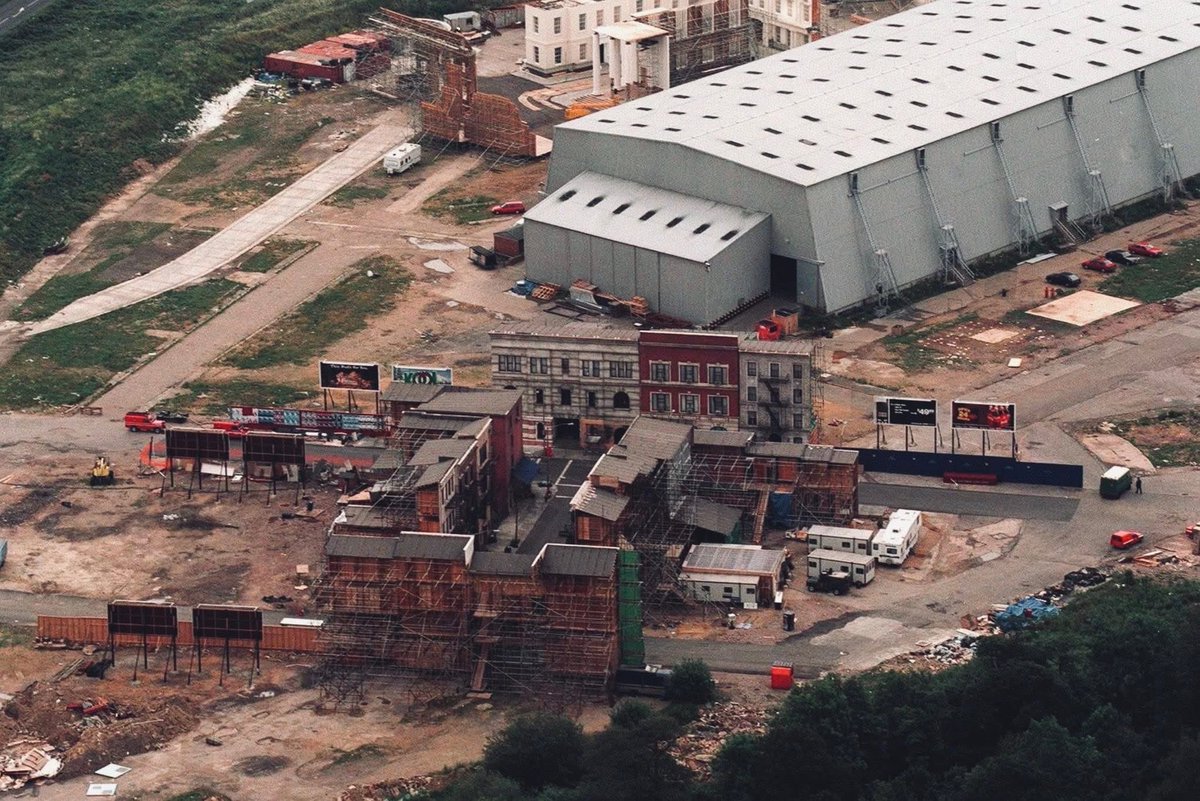
One of the things we find most fascinating about the making of 'Eyes Wide Shut' is that almost the entire film was shot on soundstages in London because Kubrick had a well‑known fear of flying, turning Pinewood Studios into a rebuilt version of 1990s New York City.


Kalshi Film@Kalshi_Film
Eyes Wide Shut Behind the Scenes Photos
English
BeevesPet retweetledi

Norway and the UK drilled the same North Sea.
🇳🇴Norway got $2 trillion.
🇬🇧The UK got tax cuts.
Same basin,Same era.... Completely different outcomes.
Norway captured $30 per barrel in government revenue. The UK captured $11.
That gap, compounded over 50 years of production, is the entire difference.
Norway's model was simple: tax heavily (78% marginal rate), take direct equity stakes in fields via the SDFI, own part of Equinor, and put everything surplus into a fund invested abroad.
The Government Pension Fund Global now holds over $2 trillion in assets.
That's $390,000 per Norwegian citizen about 1.5% of all listed equities on earth.
The fiscal rule: only spend the 3% annual real return. Never touch the principal.
The UK started producing earlier, at lower prices, with a lower tax rate (40%) and no saving mechanism.
North Sea revenues flowed straight into the general budget.
Economists estimate the UK missed out on roughly £400 billion compared to a Norwegian style regime.
The windfall largely financed tax cuts in the 1980s rather than a fund.
Where things stand in 2026?
Norway's petroleum sector will generate $63 bn in net cash flow this year alone feeding a fund already large enough to cover 10-15% of the national budget from returns alone.
The UK is a net energy importer.
Since 2021 it has paid countries like Norway more than £100 billion for gas.
One country treated oil as a finite resource to convert into permanent financial wealth.
The other treated it as income.
image source:eia

English
BeevesPet retweetledi
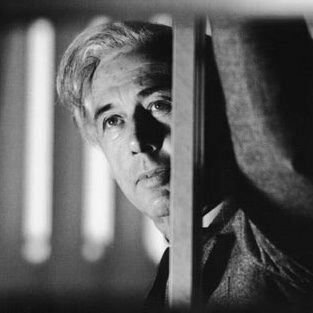
The Coen Brother had many influences for making "Barton Fink" (1991). Three of the major influences were "Repulsion" (1965) "Cul-de-sac" (1966) and "The Tenant" (1976), all directed by Roman Polanski.
Ethan Coen said, "If you had to describe "Barton Fink" (1991) generically, you couldn’t do better—not that this is a genre— but it’s kind of a Polanski movie. It’s closer to that than anything else.”
Ironically, it was Roman Polanski who was the head of the Jury in the Cannes Film Festival when the movie premiered. The movie won the Palme D'or, Best Director, and Best Actor at the festival, thereby becoming the first movie to win three major awards at the Cannes Film Festival.
The Coens were hesitant to speak to him about his influence at Cannes.
Joel Coen explained, "Obviously, we have been influenced by Polanski's films, but at this time we were very hesitant to speak to him about it because we did not want to give the impression we were sucking up. The three films are ones we've been quite taken by. 'Barton Fink' does not belong to any genre, but it does belong to a series, certainly one that Roman Polanski originated."
(The Coen Brothers' interview with Jim Emerson, 1991 & The Coen Brothers' interview to Postiff, 1991)
P.S: On this day, 35 years ago, "Barton Fink" (1991) premiered at the Cannes Film Festival, France.
English
BeevesPet retweetledi
It was Al Pacino's idea to remake the original 1932 version of Scarface. He saw the film and was so inspired by Paul Muni's performance, he wanted to recreate that iconic role in his own way. As he explains:
"I had heard about Scarface for a long time because I was working on a play by Bertolt Brecht called Arturo Ui, which was very influenced by the American gangster picture. And I heard, even as a kid, I remember my relatives talking about Scarface and how George Raft flips the half dollar. And so I had heard a lot about it and never saw the picture.
So I was one day walking along Sunset Boulevard of all places, and there was the — I believe it's the Tiffany Theatre now — and it was playing in a double bill with something else, I forget, was Scarface. And there was a few of us, so I said, well, why don't we just go and take a look at it?
And we went in and it was, you know, an astounding movie, astounding. And the performance of Paul Muni was astounding and inspiring. And I thought after that, that I just wanted to imitate him. I wanted to do something. I was inspired by that performance. And I called Marty Bregman (Al's producer), who then put together some people and they started working on developing this as a film."
English
BeevesPet retweetledi


BeevesPet retweetledi

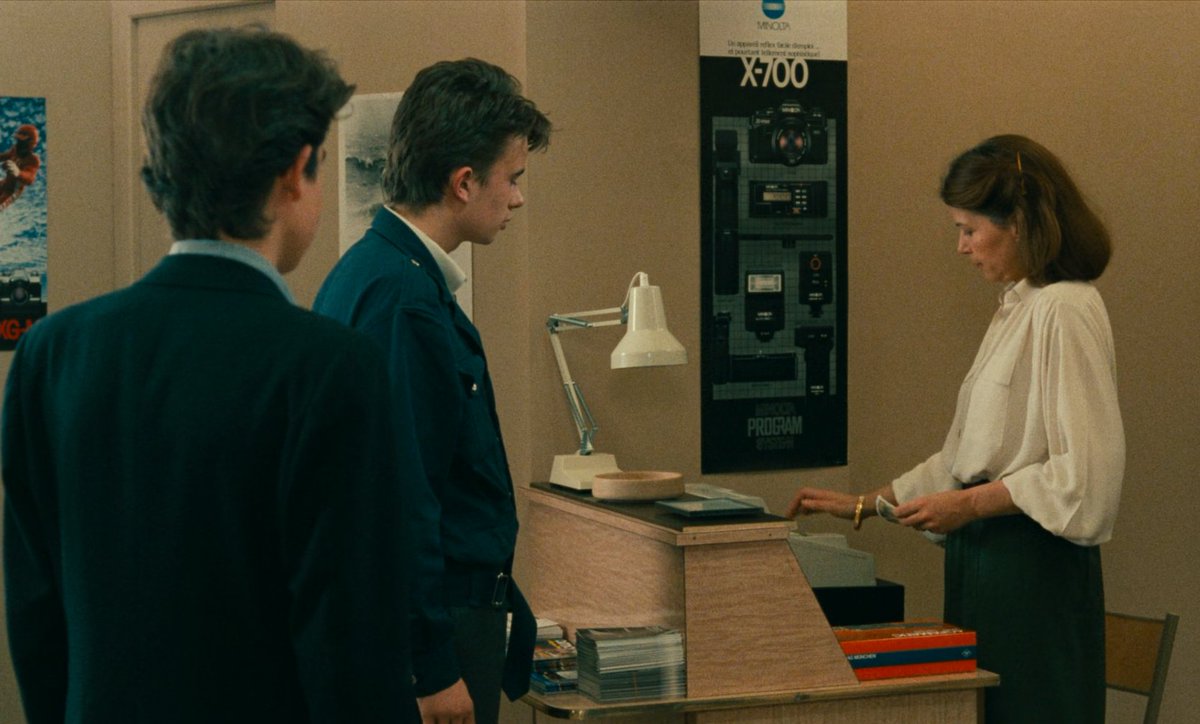
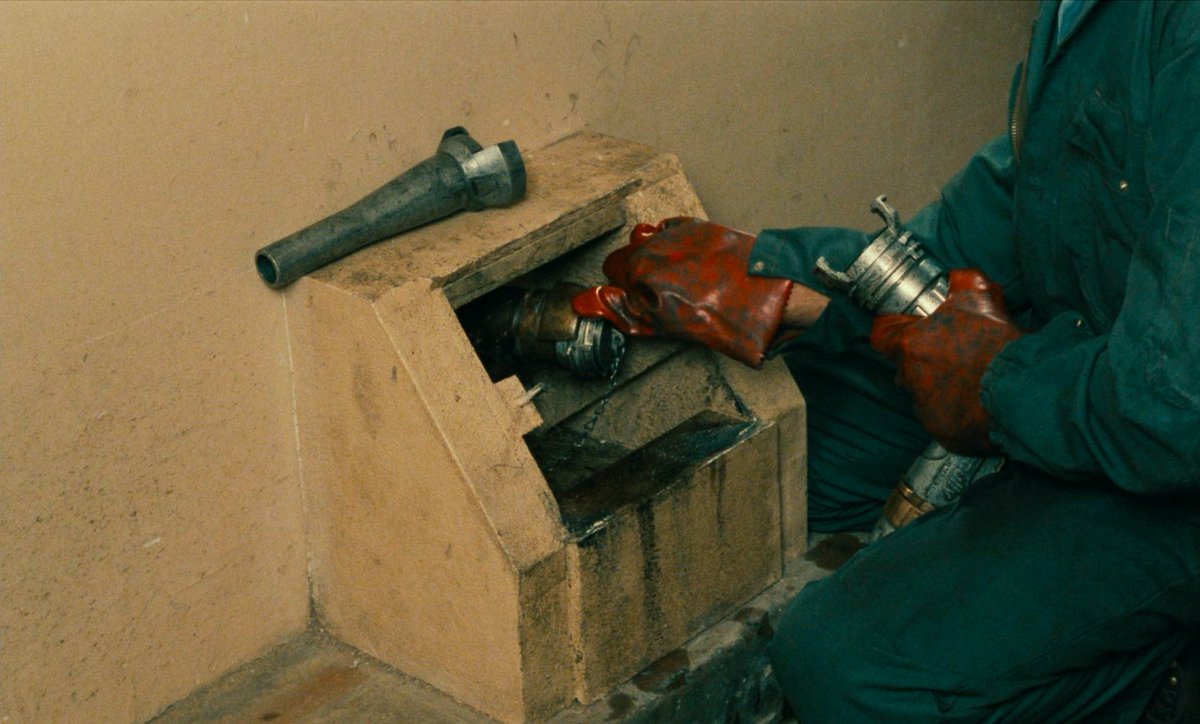
A young Christian Bale discussing the filming of Empire of the Sun and his collaboration with Steven Spielberg.
English
BeevesPet retweetledi

H.R. Giger’s concept art for Alejandro Jodorowsky’s Dune, 1975

English
BeevesPet retweetledi
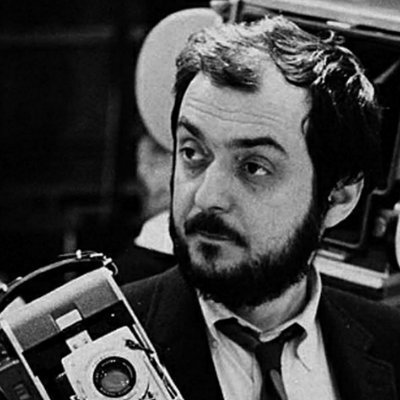
Imagine seeing this in 1971. The theatre lights fade away and then you're smacked in the face by an orange screen and a synthesized sound you have never heard before or could ever imagine.
English
BeevesPet retweetledi

Digital cinematography is what made this possible.
Gangster Cinema Central@GangsterCinema
No film has ever captured Los Angeles at night quite like Collateral.
English
BeevesPet retweetledi
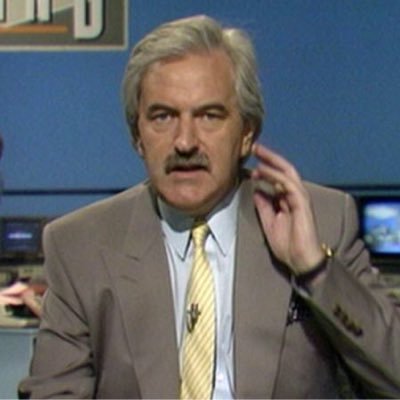
Jimmy Floyd Hasselbaink gets ready to take a free-kick this week in 2005:
Minimal run-up. Maximum violence.
English
BeevesPet retweetledi

Silver Swan Automaton… no motors, built in 1773 and still working perfectly.
The Silver Swan is powered entirely by mainsprings and brass clockwork gears.
Why did we stop creating such elegant engineering and beautiful pieces of art… timeless and built to last?
English
BeevesPet retweetledi

Piazza Navona is Rome’s ancient stadium hiding in plain sight.
Its long, curved shape still follows the footprint of the Stadium of Domitian, built in the 1st century AD for athletic contests and large enough to hold around 30,000 spectators. The arena disappeared over time, but the outline survived—quietly shaping one of Rome’s most famous Baroque squares.
What looks today like a postcard of fountains, churches, and cafés is still controlled by an ancient stadium beneath the city.
📍Piazza Navona, Rome

English
@YesterdaysBrit1 Sadly no more thanks to the establishment bureaucratic class and local councils with their regulators, you would likely need a handful of licenses to recreate such joyous occasions these days
English
BeevesPet retweetledi
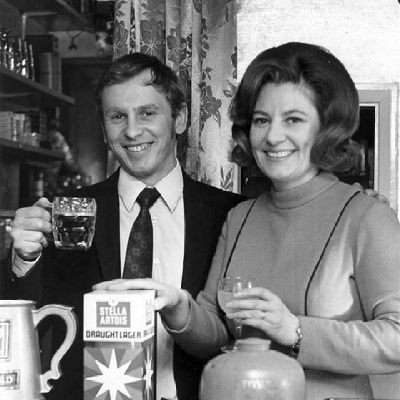
If only the spirit, goodwill, feelgood factor and peace of mind could have lasted forever.

English