
Sabitlenmiş Tweet
it's ₿8
6.5K posts


it's ₿8
@benlor89
Crypto. Web3-4. Al. Be early or be exit liquidity.⏳💰v.coding and AI building community https://t.co/un2kIee4na| Crypto maxi 🧠 | Web3 isn’t the future —
Kenya Katılım Nisan 2024
1.5K Takip Edilen445 Takipçiler


A man captured walking across multiple lanes of moving traffic on busy stretch along the Thika Superhighway.
English

Neptune.cash
Know your protocol:
🛡️ Privacy-First Architecture: Uses a UTXO model with "Mutator Sets" to ensure private transactions that remain scalable
🔐 Post-Quantum Security: Features cryptography specifically designed to resist future quantum computer attacks
📃 Smart Contracts: Supports private, Turing-complete smart contracts for decentralized applications
⛏️ Proof-of-Work (PoW): Utilizes a memory-hard PoW consensus that requires ~40GB of RAM to resist ASICs and botnets
Tokenomics:
Hard Cap: 42 million coins.
Halving: Occurs every 3 years
Neptune Cash@NeptuneCash
EVMs were cool. But are now essentially bloatware that require significant infrastructure to manage securely. Enter the Neptune Protocol with Triton VM. In laymans terms? Think of a traditional blockchain like a physical notebook. Every time a new transaction happens, you add a page. Over years, that notebook becomes a massive, heavy encyclopedia that is difficult to carry or read. Triton VM turns that notebook into a single polaroid photo. 📸 The Photo Analogy: The First Photo: Imagine you take a picture of page 1 of the notebook. That photo "proves" what was written there. The Next Step: Instead of carrying the photo of page 1 and the new page 2, you take a photo of page 2 while holding the photo of page 1 in the frame. The Result: Now, that second photo proves page 2 is correct and proves that the photo of page 1 was also correct. 🔄 Why "Constant" and "Recursive"? Full Recursion: This is the act of taking a photo of a photo. You are "folding" the entire history of the chain into the current moment. Constant Proof Size: No matter if the chain has 10 blocks or 10 million blocks, you only ever need to look at the most recent photo. It never gets bigger, heavier, or harder to verify. 🛡️ Why This Matters On a normal chain (like Bitcoin or Ethereum), a new computer has to download and check thousands of old blocks to be sure the current state is right. With Triton VM, a new computer just looks at the single latest proof. If that proof checks out, the computer knows the entire history is valid instantly. 🚀 Key Benefit: This allows devices with very low power, like your smartphone, to potentially verify the entire blockchain in milliseconds. Learn more: Neptune.cash
English




If you’re earning Ksh 30,000, how much of it should go to rent in Nairobi?

English


If you're in crypto, pivot to AI x crypto.
that's the tweet
English
@NeptuneCash What is the relation between @NeptuneCash and @NeptunePrivacy
You seem to have the same purpose and confusing the market
Which one should we trust
English
EVMs were cool. But are now essentially bloatware that require significant infrastructure to manage securely.
Enter the Neptune Protocol with Triton VM.
In laymans terms?
Think of a traditional blockchain like a physical notebook. Every time a new transaction happens, you add a page. Over years, that notebook becomes a massive, heavy encyclopedia that is difficult to carry or read.
Triton VM turns that notebook into a single polaroid photo.
📸 The Photo Analogy:
The First Photo: Imagine you take a picture of page 1 of the notebook. That photo "proves" what was written there.
The Next Step: Instead of carrying the photo of page 1 and the new page 2, you take a photo of page 2 while holding the photo of page 1 in the frame.
The Result: Now, that second photo proves page 2 is correct and proves that the photo of page 1 was also correct.
🔄 Why "Constant" and "Recursive"?
Full Recursion: This is the act of taking a photo of a photo. You are "folding" the entire history of the chain into the current moment.
Constant Proof Size: No matter if the chain has 10 blocks or 10 million blocks, you only ever need to look at the most recent photo. It never gets bigger, heavier, or harder to verify.
🛡️ Why This Matters
On a normal chain (like Bitcoin or Ethereum), a new computer has to download and check thousands of old blocks to be sure the current state is right. With Triton VM, a new computer just looks at the single latest proof. If that proof checks out, the computer knows the entire history is valid instantly.
🚀 Key Benefit: This allows devices with very low power, like your smartphone, to potentially verify the entire blockchain in milliseconds.
Learn more: Neptune.cash
Neptune Cash@NeptuneCash
Why Neptune? Here's a primer. Best of all worlds? You tell us!
English
@moneyacademyKE Ndo naamka naona this tweet
Ok acha ikuwe Sasa bad mood day
Filipino

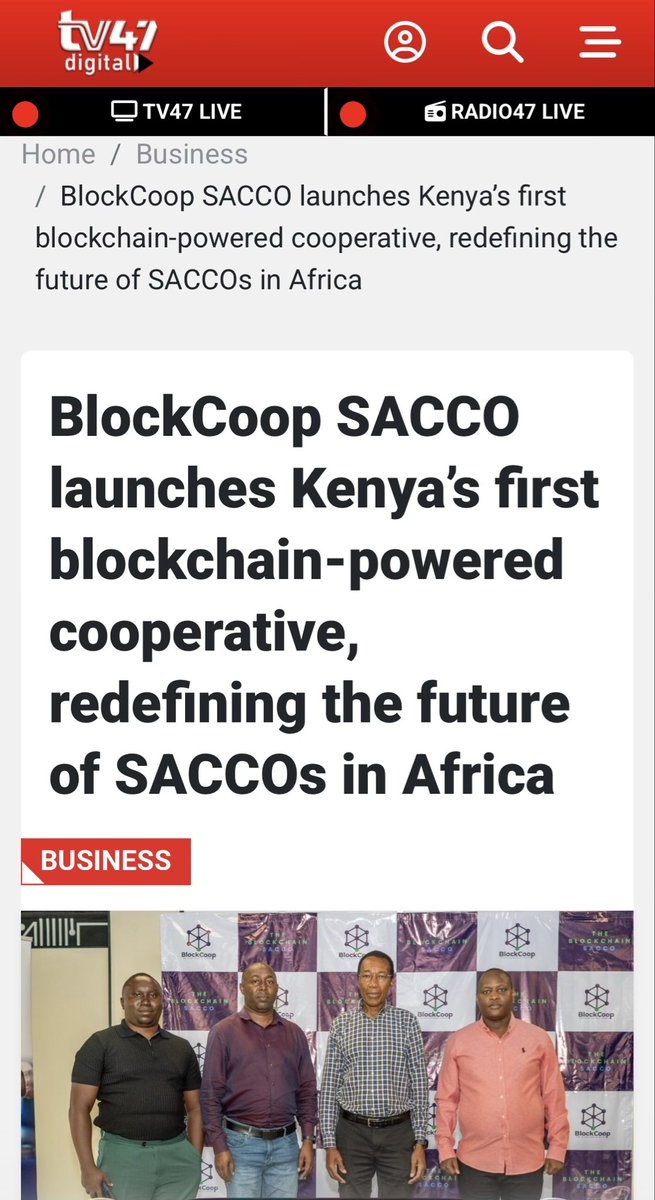
Kenya’s cooperatives are officially entering the blockchain era 🔥
Citizen Digital reports: BlockCoop SACCO has launched the country’s first blockchain-powered cooperative setting the pace for the entire sector.
Tradable shares, real liquidity, everyday utility through Lipa na BLOCKS , No guarantors and more.
The future of Blockchain SACCOs in Africa is here.
Read the full story 👇
citizen.digital/article/cooper…
#LipaNaBLOCKS #BlockCoopSACCO #TheBlockchainSACCO
English


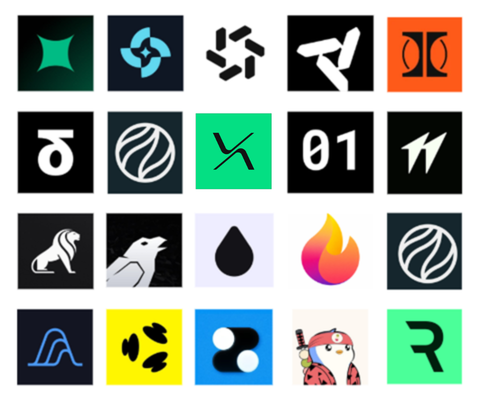
🔥 Top dự án Perp Dex airdrop lớn qua các năm
2024: Hyperliquid
2025: Aster & Lighter
2026 chúng ta đang có:
@variational_io
@extendedapp
@StandX_Official
@hibachi_xyz
@01Exchange
@nadoHQ
@DecibelTrade
@dango
@cascade_xyz
@tradehotstuff
@pacifica_fi
Theo anh em những cái tên nào sẽ là tiềm năng nhất trong 2026 ?
Tiếng Việt

@PretiumApp Let me say Celo is your favorite and I gotta send some greetings to the landlord 😀
English

BNB $USDT / solana:EPjFWdd5AufqSSqeM2qN1xzybapC8G4wEGGkZwyTDt1v
Sol $USDT / solana:EPjFWdd5AufqSSqeM2qN1xzybapC8G4wEGGkZwyTDt1v
Base solana:EPjFWdd5AufqSSqeM2qN1xzybapC8G4wEGGkZwyTDt1v
Stellar solana:EPjFWdd5AufqSSqeM2qN1xzybapC8G4wEGGkZwyTDt1v
Celo $USDT / solana:EPjFWdd5AufqSSqeM2qN1xzybapC8G4wEGGkZwyTDt1v
Any in above order.
Nederlands
Hey there @PretiumApp
The landlord is calling
I'm scared what should I do
Usdc or usdt?!
Sol or base?
Bnbchain or celo?
English
This is the real shift 🔥
BlockCoop SACCO didn’t just launch they brought tradable digital Sacco shares, no-guarantor loans, and Lipa na BLOCKS for daily spending with instant discounts.
Kenya’s cooperative sector is finally entering the blockchain era.
The future is here.
What do you think will change the most? 👇
#LipaNaBLOCKS #BlockCoopSACCO
English

