
Beyond
121 posts

Beyond
@beyond_io
Early signal. Unknown sensitivities. Collective language. https://t.co/WX9w8XyaEk
Singapore Katılım Aralık 2012
22 Takip Edilen2 Takipçiler

#WarCosts #IranWarCost #IranWar
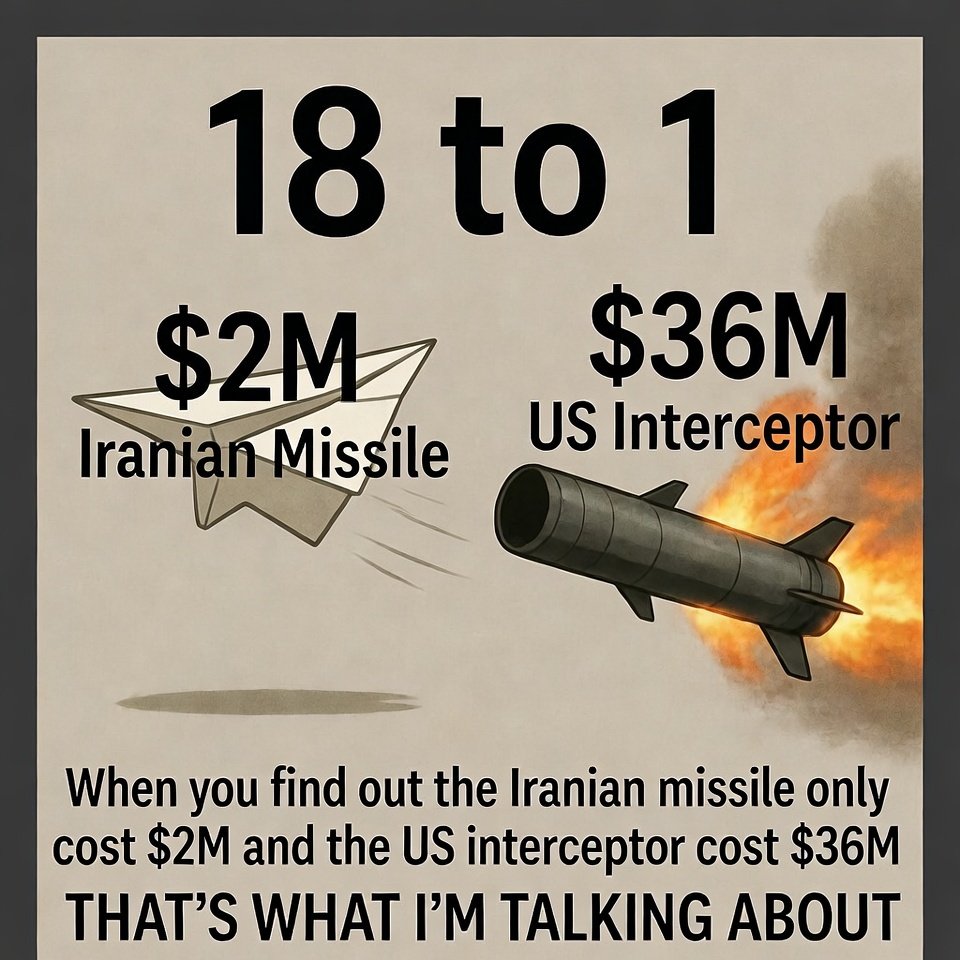
War was supposed to be expensive. Nobody said it would be this fast.
English
Bloomberg.com carried the numbers on March 17 2026 and they landed heavy. Australia’s central bank raised its cash rate to 4.10 percent in back-to-back moves, the kind of step that followed February’s surprise lift. Governor Michele Bullock spoke directly about capacity limits that refuse to budge and service prices climbing near 5 percent, the same pressures now fed by energy costs from the Middle East. That capacity and labor data surfaced first in the months before, the early circumstances that made earlier easing look out of step. Mortgage rates climbed straight after, the Aussie dollar gained a short lift, and households began tightening belts on homes and daily spending. The tone in the report stays measured yet pointed. Fixed-rate loans suddenly look more appealing, and the path points to another hike by May, debt-service ratios crossing 20 percent for many, and a housing market that could cool quicker than forecasts suggested.
Reuters and Bloomberg timelines this week show the Bank of Japan holding at 0.75 percent but flagging more moves ahead. Wage gains and yen weakness sit at the root, the same forces that had kept policy near zero now turning the other direction. Those wage readings and currency figures came through first, the leading circumstances that signalled the end of the ultra-dovish era. Bond yields rose modestly in response, exporters felt a small easing of pressure, and ordinary savers started shifting toward deposits that finally offer return. The visuals in the charts are plain: steady upward lines where zero once ruled. The outcomes ahead include rates reaching 1.00 to 1.25 percent by mid-year, the yen finding steadier ground above 140, and companies investing more in automation to hold labor costs steady.
Bloomberg analysis dated the same day lays out the European and UK picture clearly. Energy costs tied to regional tensions push inflation higher while growth slips toward 1.1 percent. The 2025 easing momentum has reversed into something more defensive. Oil-price spikes and revised GDP forecasts surfaced first, the raw circumstances that overturned earlier rate-cut expectations. Bond markets sold off in response, the euro and pound weakened early, and households cut back the moment energy bills rose. The tone across the coverage stays understated but carries weight. Ahead sit possibilities of holding or hiking once later in 2026, growth remaining below 2 percent alongside inflation above 2.5 percent, and a faster move toward green-energy projects across Europe as the split with the Fed widens.
English
English
At the NVIDIA GTC conference in San Jose on March 16 2026, CEO Jensen Huang stood on stage and laid out exactly how the software industry is changing. He said the traditional SaaS model that charges per user is giving way to Agent-as-a-Service, or AaaS. Companies will stop selling tools for people to click through and start selling AI agents that reason, plan and execute multi-step work inside existing systems like CRMs, databases and browsers. The shift comes from the same event where Huang projected AI chip sales could reach $1 trillion, driven almost entirely by inference workloads that let agents run in real time instead of just training models.
Right there in the keynote, he introduced Vera Rubin, the new inference-focused system, and showed how data centres are moving from storing data to producing tokens – the basic units of AI reasoning and action. He pointed to OpenClaw as the open-source operating system that already connects agents to tools and enterprise processes, and released NeMo Claw with built-in policy engines and privacy routers so companies can run these agents securely on sensitive data. The circumstances were straightforward: live demos, partner announcements from TCS and others, and immediate order-book visibility that doubled previous forecasts for inference hardware.
Those details are now rippling through the market. SaaS platforms that once scaled by adding seats are facing pressure to pivot to outcome-based pricing – pay per action or per leverage instead of per user. Agents do not replace mature tools like SAP or ServiceNow; they simply use them more efficiently than any human team could. The result is a structural change where software companies that adapt will sell actionable intelligence and automation, while those that stay in the old seat-based model risk being bypassed.
English

English
The kind of low-level hum that builds when two big releases line up on the same day. March 17-18 for the FOMC decision, same morning for February Producer Price Index numbers. Markets have settled on a 99% chance rates stay right where they are, 3.5 to 3.75 percent. That figure comes straight from the CME FedWatch Tool, the one everyone checks before the bell.
Pre-announcement positioning crept in last week. The sort of thing you catch only if you’ve been watching the flows. Institutional desks easing off certain positions, analysts quietly adjusting their spreadsheets. It started after January’s PPI print came in hotter than most expected, energy costs and those stubborn supply ripples pushing the core reading higher. Bloomberg laid the timeline out on March 16 – the road to three cuts across 2026 now looks more like one, maybe two at best.
The shift landed in the daily threads almost immediately. Reddit’s WallStreetBets lit up with fresh charts and “priced-in” screenshots. X accounts started posting their hedges before the open. Volume ticked higher in the pre-market sessions, the kind of change you notice when the usual Monday chatter turns into something tighter, more watchful. The mood moved from easy optimism about easing to a slower, heavier wait-and-see.
Looking forward from here, several paths open up. One is a steady risk-off drift in equities if the PPI confirms the sticky trend, pushing money into bonds and defensive sectors. Another is a short-term relief bounce if any hint of flexibility slips into the statement. Or we could see volatility spike across crypto and small-caps as the cut expectations get repriced again by the end of the week.
English
#MondayMotivation #FederalReserve
the Fed decision that somehow makes Monday feel like a Tuesday hangover

English
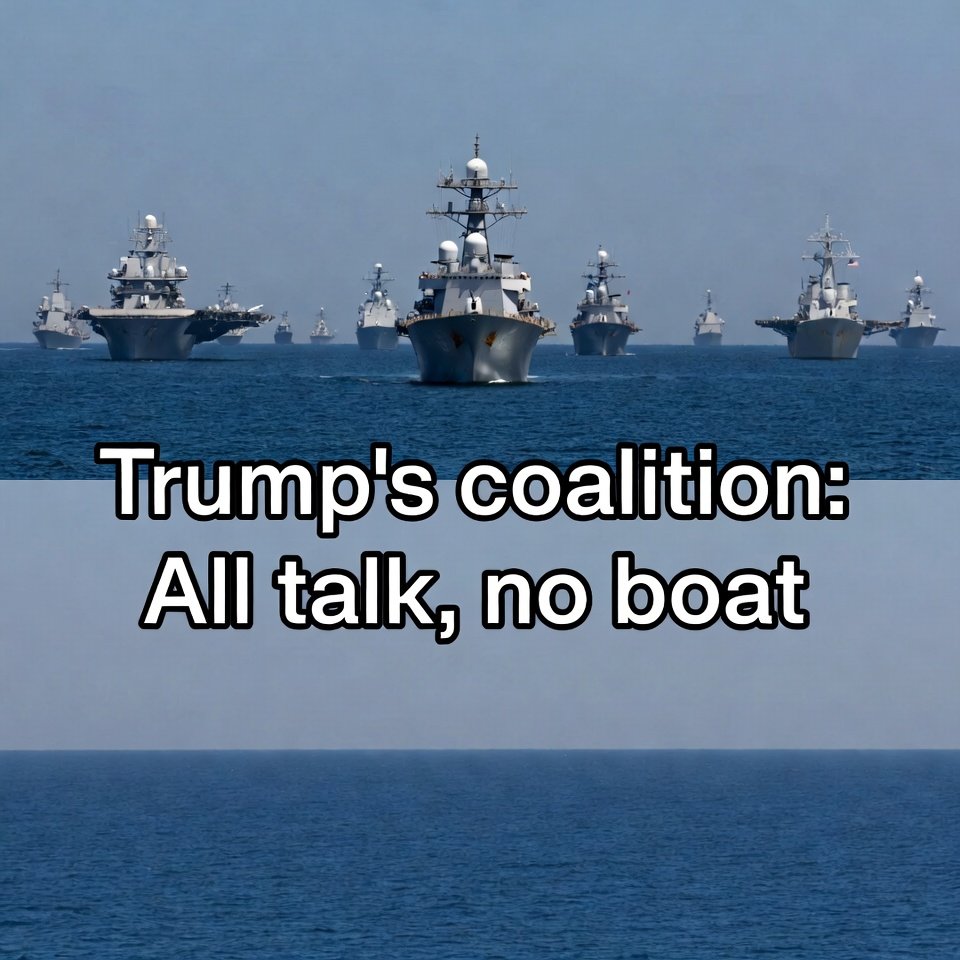
It started yesterday in the usual place. President Trump spoke from Air Force One on the way back from Florida and laid it out plainly: countries that pull oil through the Strait of Hormuz should send warships and keep the route open. He named the ones who benefit most and said the responsibility sits with them.
What led into those words had been building for days. Tanker positions froze near the entrance after the latest incidents. Quiet calls moved between capitals. Then the public ask landed on Sunday. Japan’s prime minister came back Monday morning with a straightforward answer – no naval vessels planned. Australia’s transport minister said the same on radio: ships stay home, though the surveillance planes and missiles for the UAE are already moving.
The shifts appeared right away. Spot prices for oil pushed past a hundred dollars. Asian importers began speeding up talks on other sources. Singapore put out quick notes to calm local concerns. Fertiliser shipments from China hit new restrictions. A few airlines quietly changed their Gulf routes.
Looking ahead, several paths could unfold. Prolonged higher fuel costs could push inflation readings higher in consumer baskets worldwide. NATO discussions might face new strains if more members decline. The United States could see increased LNG shipments heading to Asia. Emergency reserve releases might be announced beyond what is already in motion. The flow through the strait carries roughly one-fifth of global traded oil – any extended slowdown changes the numbers for everyone downstream.
English
#BreakingNews #HormuzCrisis #IranWar #OilSpike
Allies suddenly remember they have “no plans” the moment the bill arrives
English
Energy stocks quietly pulling ahead while everything else seems to be catching the downside of the same oil move. Mid-March 2026 reports laid it out plain — energy up around 27% year-to-date, stepping in as that steady place when the rest of the market felt the weight of higher costs. The @BusinessTimes ran the numbers early in the month, showing how the sector kept climbing even as technology, financial and consumer names eased back.
It started deeper than just one flashpoint. Oil prices rose on shipping route pressures, but power demand growth kept feeding the climb in ways that lingered under the surface. Reuters updates from March 9 captured the shift — majors like Exxon Mobil and Chevron moving forward while airlines took the direct hit from fuel bills.
Hedge funds cutting broad equity but shifting specifically into energy created deeper dispersion. The Business Times noted this move protected revenue exposure while non-energy sectors absorbed mounting costs from the same price surge.
The situation leaves room for prolonged sector rotation that could force policy discussions on alternative energy supplies or trigger profit-taking waves if supply conditions normalize.
English
#CrisisProof
Funds dumping everything else to hide in the one sector that’s supposed to get hurt by expensive oil

English
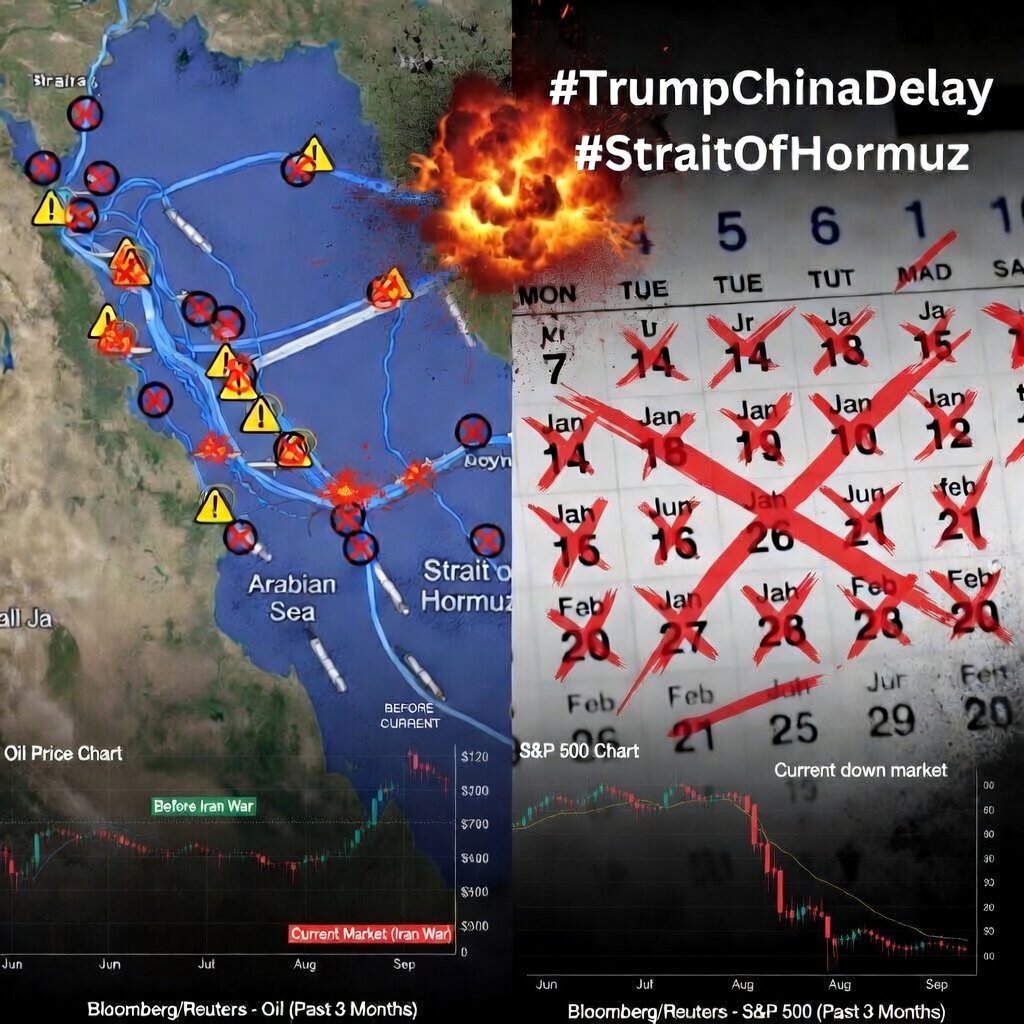
Trump just floated the idea that his summit with Xi might not happen on the planned date unless China steps in on the Strait of Hormuz. The Financial Times put the words on record yesterday – “we may delay,” he said, after making it clear he wants Beijing’s position first. The waterway has been under pressure since the recent flare-up, ships rerouting, oil moving slower than usual. China pulls close to ninety percent of its supply through there. That single fact sits in the interview like it always mattered more than the calendar.
Before this, the calls had gone out to about seven countries that lean hard on Middle East oil. Japan and Australia already drew their line – no ships headed that way. The timing lines up with fresh warnings to NATO about what happens if allies sit this one out. Reuters carried it this morning, Bloomberg the same afternoon. The pressure didn’t build in secret; it simply moved from general requests to a very specific deadline attached to one meeting in Beijing.
As a direct result, energy markets registered fresh volatility with crude futures ticking higher in after-hours trading while Asian importers began quietly adjusting freight routes. The visible effect is a shift in diplomatic language: coalition talk that once sounded broad now appears narrower and more conditional. Several outcomes are now on the table – the summit could be pushed back by weeks, energy prices could stay elevated longer than initial forecasts, and smaller bilateral deals might replace the larger multilateral push.
English
#straitofhormuz #USChina #USChinaRelations
Summit timing shifting because oil and ships matter more than the fixed schedule
English
#AIdistortion
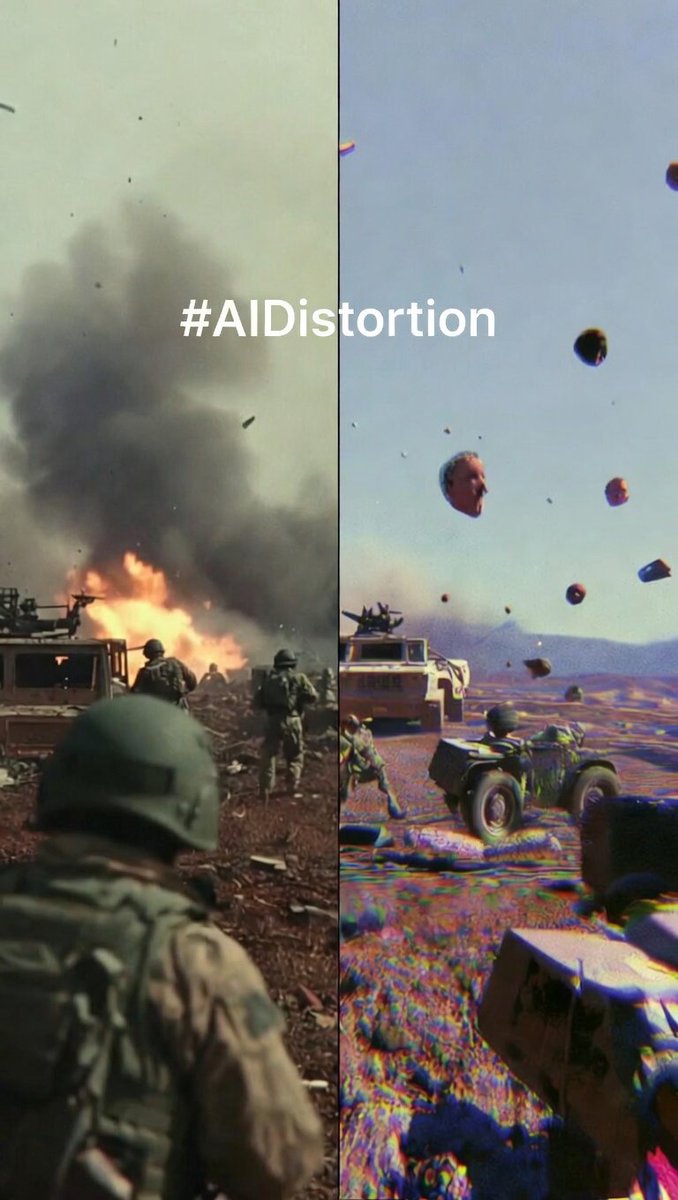
It started during the March 2026 Iran-US-Israel escalation when feeds filled with clips that looked like live battlefield footage. One version showed an Iranian missile striking a US warship in the strait, but the projectile in mid-air appeared larger than the ship it supposedly destroyed and drones in the scene couldn’t keep pace with the speed shown. Chosun Ilbo reported exactly this absurdity on March 7, 2026, noting how old Arma 3 video game footage had been blended with fresh AI generations to create the scenes.
chosun.com/english/video-…
The way that AI tools are readily accessible lets anyone generate content at volume during real tensions. Users took real conflict headlines, fed them into generators, and produced versions where explosions lit up cities that hadn’t been hit or jets fell in ways physics never allows. The same tools were already creating fictional crime videos so convincing people phoned police to report events that never happened.
This spread fast across platforms. Feeds that once showed straightforward news clips now mixed in impossible elements — shadows falling the wrong way, light sources that didn’t match the time of day, facial expressions that twisted unnaturally during supposed crises. People started pausing longer on every video, double-checking details they used to trust instantly.
Several outcomes look likely from here. More users will treat every conflict clip as potentially fabricated, leading to slower collective response times when real events unfold. Authorities may see increased false reports based on convincing but invented footage. And the everyday scroll could settle into a permanent low-level doubt where the line between documented reality and generated sensation stays blurred for good.
English
“Which one fooled you today?”
Deepfake footage so good the AI version gets more clicks than the actual explosions. Distortion is real or reel?
Kalshi@Kalshi
JUST IN: X to suspend monetization for 90 days from accounts sharing AI-generated war footage
English
Shipping trackers lit up in the last day with the Strait of Hormuz traffic dropping to near zero after repeated vessel incidents tied to the regional escalation. Ammonia and urea – the raw materials that make up roughly one-third of global fertilizer trade – are the ones stuck. Egyptian urea moved from around 485 dollars a tonne at the end of February to 625 dollars in early March, exactly the kind of jump seen back in 2022 Russia-Ukraine conflict when supply lines first fractured. Reuters noted the 70 percent urea rise and 92 percent ammonia climb as of March 10.
The biggest single-site urea plant anywhere – QAFCO in Qatar – shut down because feedstock could not get through. Indian facilities started trimming output at the same time. Farmers in the UK, across Europe and in North America are now running the numbers and deciding whether to cut application rates ahead of spring planting. Bloomberg tracked the same pattern in forward contracts where buyers in Asia and Brazil are already locking in higher spot prices.
If the slowdown holds another week the next layer is smaller harvests. Wheat, corn and rice yields could drop 5 to 8 percent in the Northern Hemisphere because less nitrogen fertilizer reaches the fields. That would push bread, pasta, meat and dairy costs higher by autumn. The OG timeline for the price memory is the 2022 spike that farmers still reference when they talk about margins.
English
Fertilizer at US$600 and suddenly bread looks like a luxury.
Hormuz shipping standstill for roughly one-third of global fertilizer raw materials (ammonia/urea) after vessel targeting.
Farmers facing big burden and squeezed margins with downstream grain/wheat/corn yield fears.
UK/Europe/North America actively considering reduced fertilizer application ahead of Northern Hemisphere spring planting.


English
Kharg island sits 27 miles from the mainland in the Persian Gulf. Pipelines from Iran’s central and western oilfields all end there. It handles the flow for roughly 90% of the country’s crude exports, according to reporting from The Guardian on 11 March 2026. That position turns it into a geopolitical chokepoint where control of one narrow artery quietly powers much of the global energy supply."
Search queries for “Kharg Island map” and “marines to Iran” jumped sharply in recent days alongside real-time vessel tracking posts on shipping forums and X. Those early signals came from open-source analysts watching AIS data and satellite feeds. Bloomberg noted on 9 March 2026 that two very-large crude carriers were still moored at the loading jetties that Saturday, each able to haul about two million barrels.
Feeds quickly filled with zoomed satellite images. Quiet forum threads turned into public speculation. Tanker prices started flickering on trading screens as insurance rates for Gulf shipping began to climb. Reuters reported on 9 March 2026 that any seizure or major disruption at the terminal would stall Iran’s exports and halve output, triggering further regional attacks.
The result is now visible. President Trump stated on 13-14 March 2026 that US forces had “totally obliterated every military target” on the island while deliberately sparing the oil infrastructure for now. He added the direct warning that any interference with free passage through the Strait of Hormuz would lead to an immediate reconsideration. Oil futures reacted within hours, regional media shifted tone, and tanker movements slowed.
English


No one is talking about this but we have TWO friday the 13ths back to back. Next week, and again in March. Yeah, I’m staying inside…
English