Bin Chen
353 posts

Bin Chen
@binleychen
Associate Professor, Director of FUSE Lab, HKU | Remote Sensing, GIS, Data-model Fusion, Human-Environment Interaction, Urban Environmental Health


In just 40 years, China went from a predominantly rural society to a highly urbanised one. What happened? And what lessons can other urbanising regions around the globe draw from that experience? #HKU Professor of landscape architecture Bin Chen believes we can find the answers in satellite data. An expert in remote sensing and Director of HKU’s Future Urbanity and Sustainable Environment (FUSE) lab, he’s using satellite imagery to track everything from the historical growth of cities to emerging problem areas like urban heat, air pollution, and green/blue space loss. It’s a cutting-edge field – and one with implications far beyond China. Done correctly, it could provide one of the first-ever windows into how cities grow and evolve in the real world. This emerging “urban intelligence” will in turn have major ramifications for rapidly urbanising countries across the Global South, allowing them to avoid mistakes made by other cities while empowering them to create more equitable built environments for all residents. We asked Professor Chen to share his thoughts on the nature of his work, the importance of remote sensing and AI to urban planning, and how the world can build more equitable cities. #AI #sustainability


2023 Nobel Laureate in Physics and pioneer of attosecond metrology Prof Ferenc Krausz will join HKU Science as Chair Professor of Physics this November.Join his inaugural lecture to explore how basic science sparks new solutions to global health challenges!tinyurl.com/5y9nw3m4

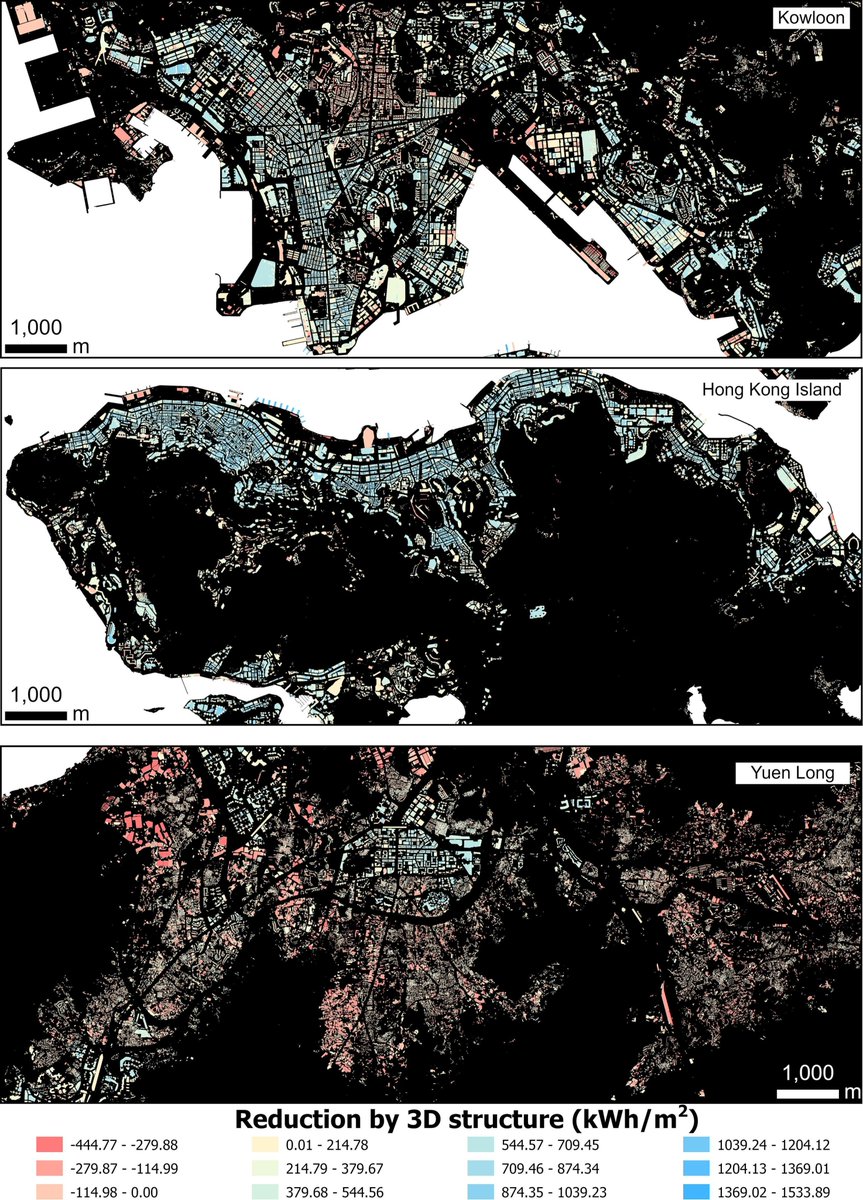
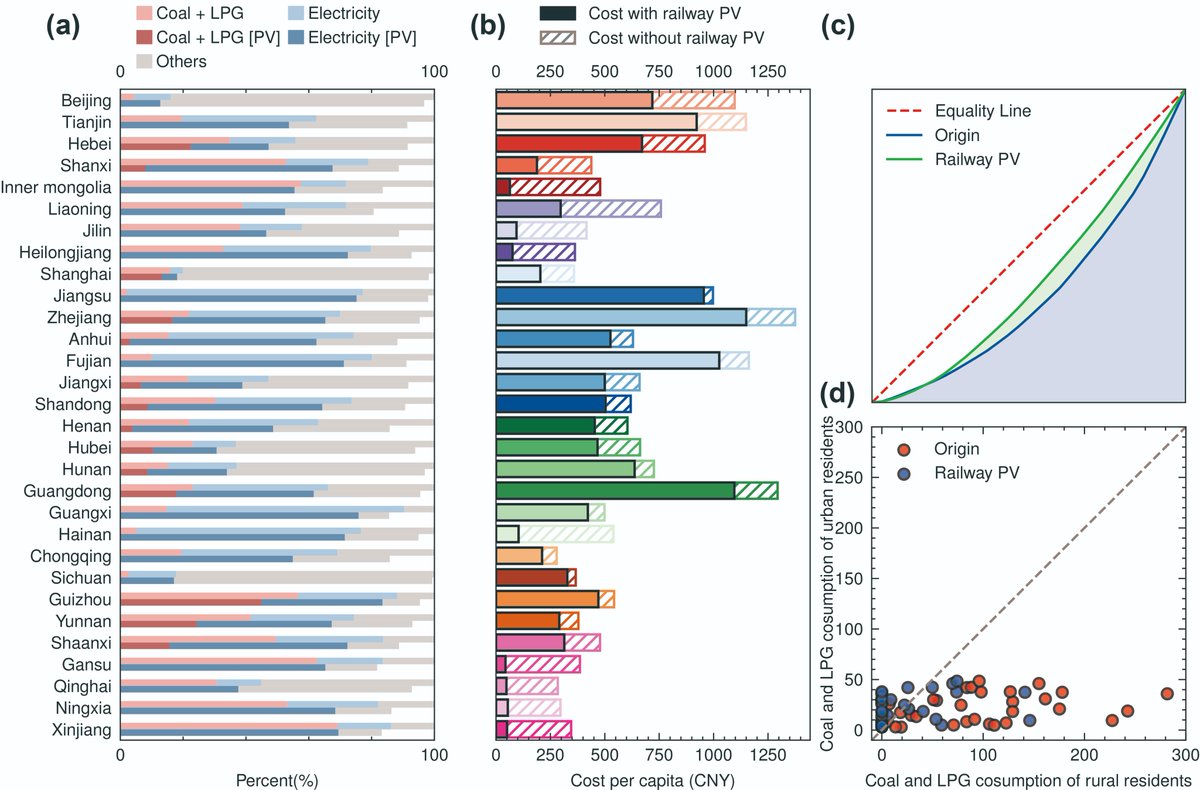
Check out our latest research on #railway #PVpotential led by my PhD student @HanwGeek China’s railway photovoltaic potential for sustainable urban–rural energy transition doi.org/10.1088/1748-9… via @IOPenvironment


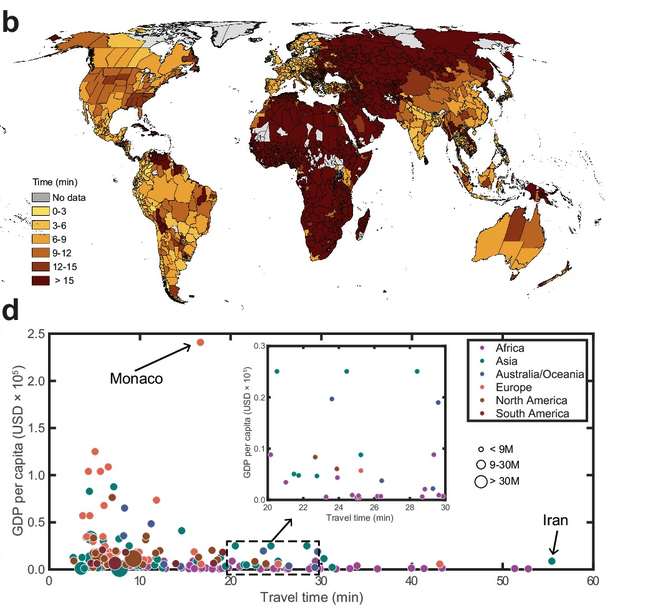
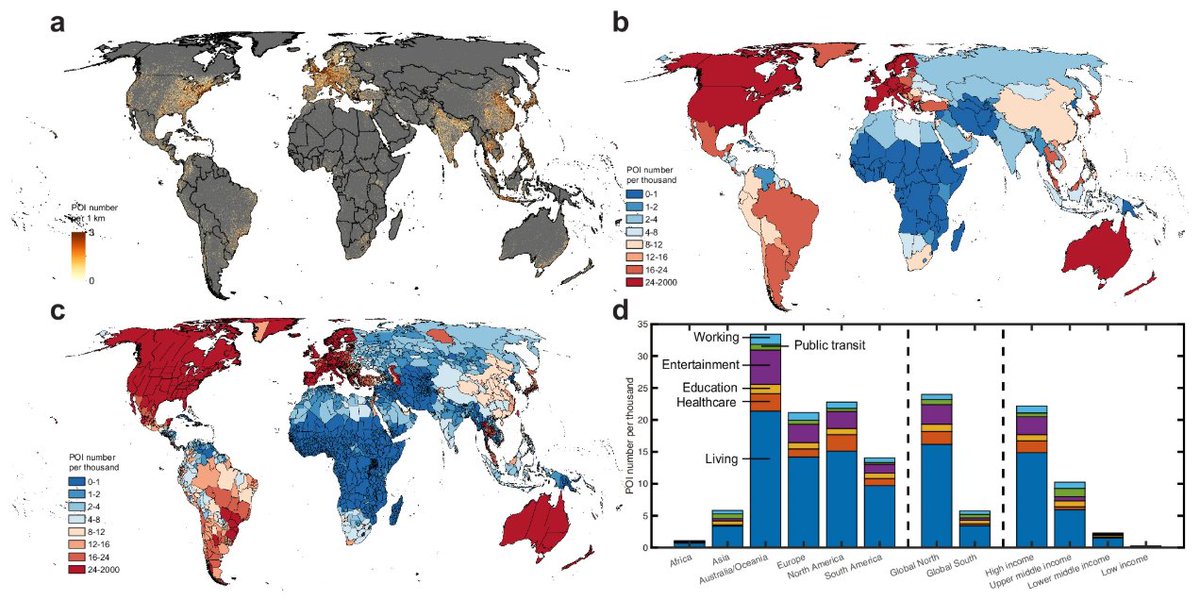
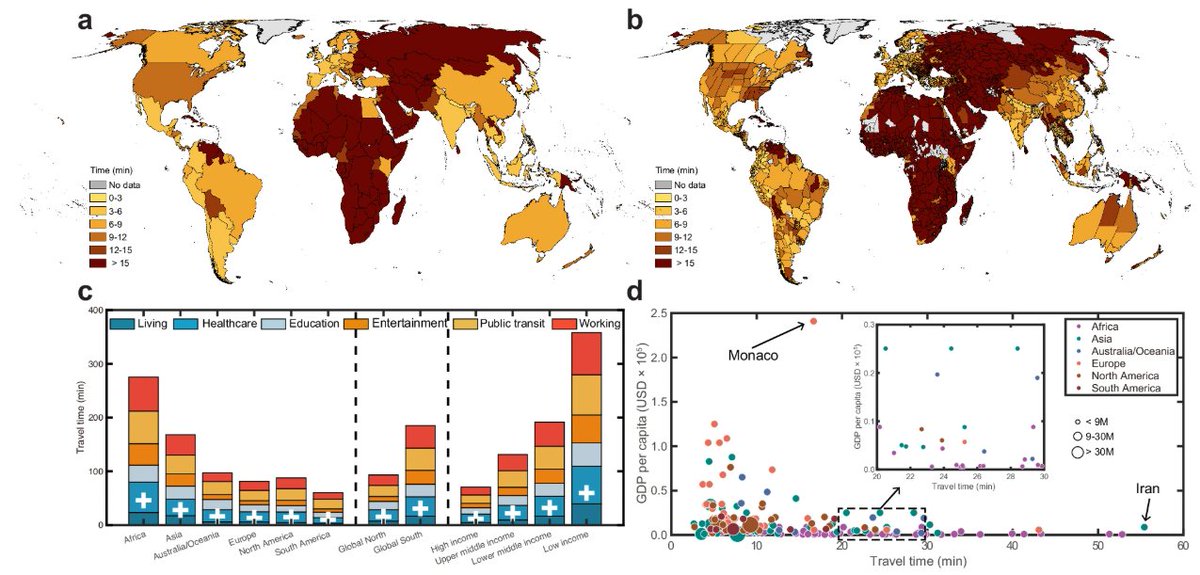
Excited to share our latest study in @NatureHumBehav. We examine infrastructure through economic, social, and environmental lenses, uncovering significant inequalities in access and their associations with health outcomes. Grateful to work with such an incredible team!

Right trees are key for cooling! 🌳 By "Inventory + LiDAR" for 4000 trees in #Shanghai, we found leaf traits (N, P, K) > canopy structure for cooling. @JAppliedEcology ➡️doi.org/10.1111/1365-2… HUGE thanks to @Javier_Lopatin for Research Highlight🙌 ➡️doi.org/10.1111/1365-2…