
Sabitlenmiş Tweet
You can also follow us on Bluesky - search "bisa-bkk" to find us. See you there!
English
BISA at Birkbeck
1.1K posts
@bisa_bbk
The Birkbeck Institute for the Study of Antisemitism, University of London is a centre of innovative research & teaching & contributes to public policy.


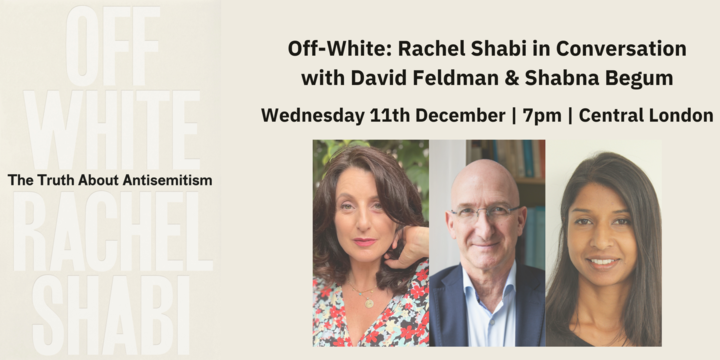
We were honoured to welcome @rachshabi to discuss her excellent book Off-White, which makes a strong case for why the left must not cede space on fighting antisemitism, even as the right “signal-jams" and distorts the conversation that surrounds it. An important read!

The violence in Amsterdam has been widely described as a ‘pogrom’. This is misleading and politically dangerous. It also does a disservice to Jewish history. My piece for @BylineTimes. bylinesupplement.com/p/was-the-viol…
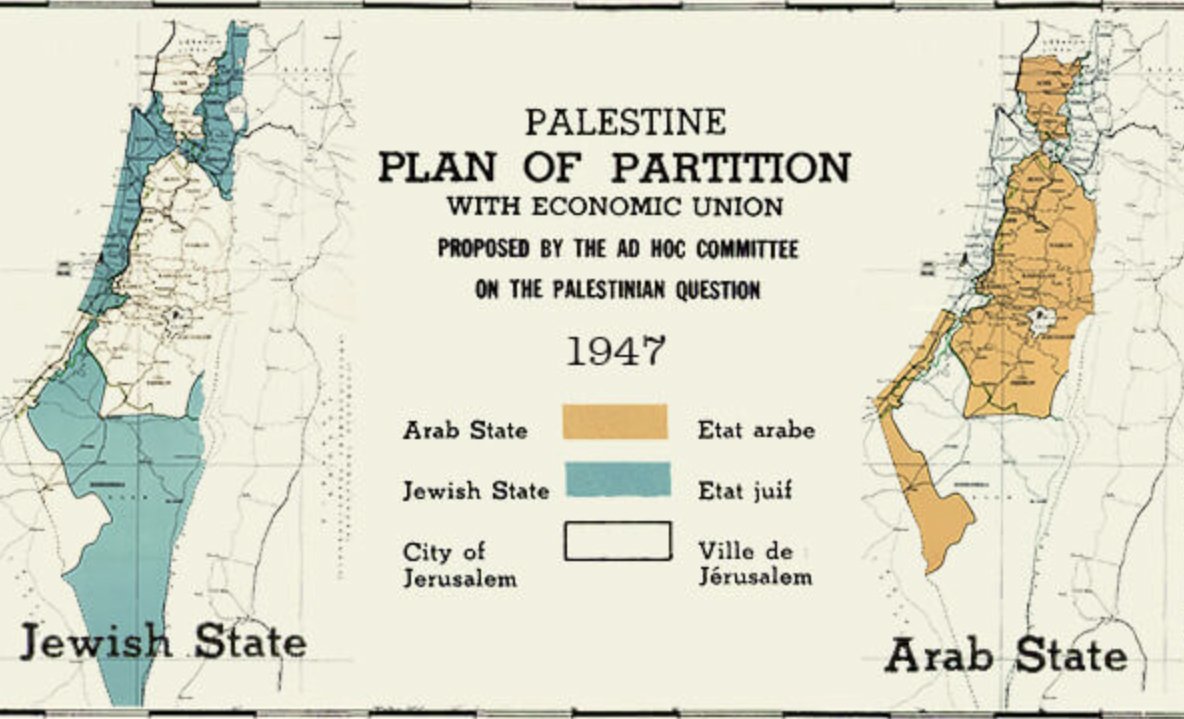
We’re looking forward to hearing Prof. Derek Penslar speak online tonight at 6:30pm about ‘The 1948 Palestine war: from the local to the global’.
Hear Prof. Derek Penslar on ‘The 1948 Palestine war: from the local to the global’ – 30 October, 6.30pm, online. Book here: bisa.bbk.ac.uk/event/decenter…

Join us online on 16 October to hear Prof. @Iritdekel, ‘Making Jews Visible: Germany’s Antisemitism Commissioners’. Book: bisa.bbk.ac.uk/event/making-j…


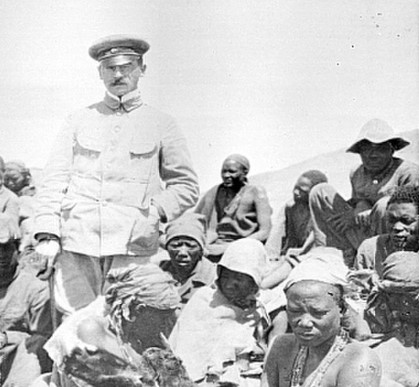
Once part of the same fight against bigotry, the struggle against antisemitism and the struggle against racism have become disconnected, argues historian David Feldman in a piece for the latest edition of The Ideas Letter, published by our Ideas Workshop. He offers a way to bridge the disconnect. This disconnect has accelerated after the October 7, 2023 Hamas attack on Israel and during Israel’s ongoing war on Gaza. A war of words globally now parallels the violent physical war taking place on the ground and “pits Hamas’s genocidal antisemitism against Israel’s reinvention of apartheid, a crime against humanity.” These conflicting visions of the conflict itself divide the responses to it. How did anti-antisemitism come to be separated from anti-racism in this way? First, one must understand how the terms “racism” and “antisemitism” came about and in which contexts, especially in relation to Zionism and anti-colonialism, over the course of the 20th Century and second, how these terms and their understanding have changed since the 1960s and 70s. Feldman traces the evolution of these terms and points to the 2001 United Nations World Conference Against Racism held in Durban, South Africa, as “a rupture between the politics of anti-antisemitism and international anti-racism.” This surfaced two contentious and connected issues: reparations for slavery and colonialism in the past and the conflict between Israel and Palestine in the present. Read Feldman’s whole piece, including an attempt to bridge the divide between the struggles of antisemitism and racism, and more in The Ideas Letter and subscribe to receive the letter via email: theideasletter.substack.com/p/a-history-of…