
Sabitlenmiş Tweet
[чĕрньɩŭ•kofé]
4.7K posts
![[чĕрньɩŭ•kofé] banner](https://pbs.twimg.com/profile_banners/1030771829001121792/1535497975)
![[чĕрньɩŭ•kofé]](https://pbs.twimg.com/profile_images/1034570829374402560/54Tzqzlh.jpg)
[чĕрньɩŭ•kofé] retweetledi


[чĕрньɩŭ•kofé] retweetledi
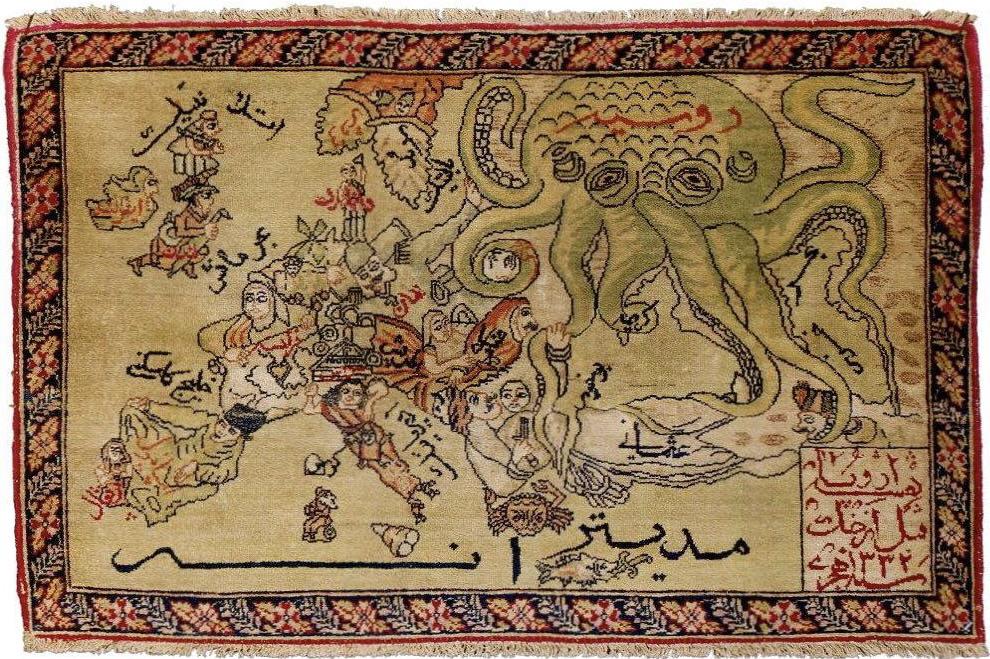
Old Persian carpet from Iran depicting the geopolitics of Europe
English
[чĕрньɩŭ•kofé] retweetledi

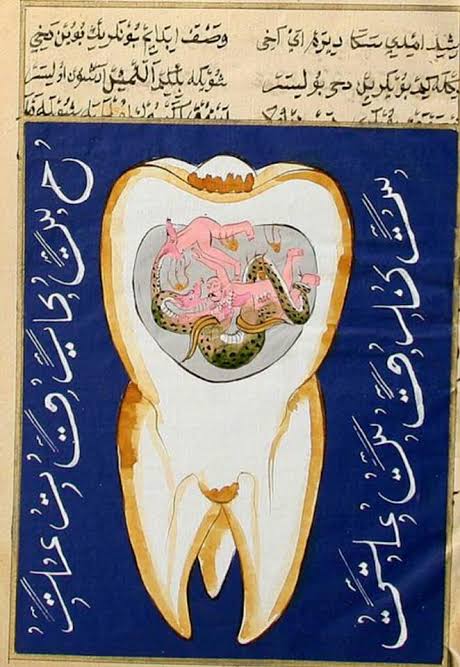
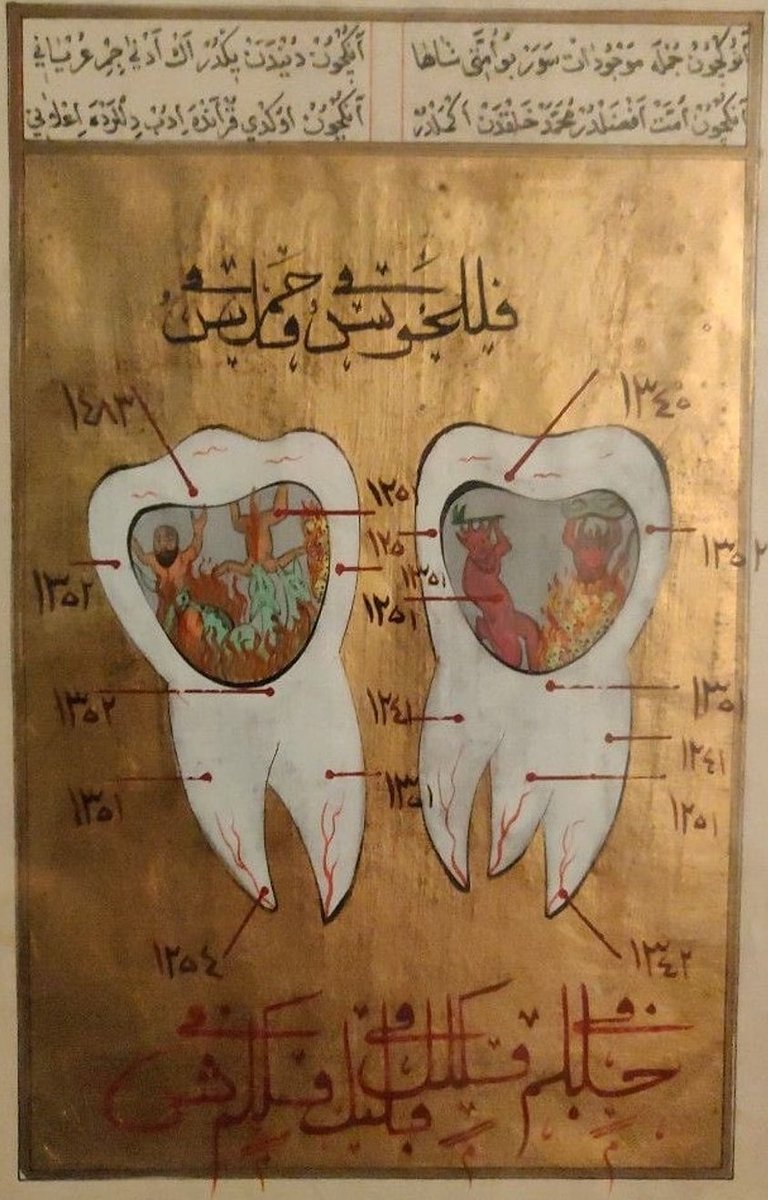
🧞🦷 Ottoman Empire, 18th century. Jinn living in teeth were said to be the culprits of toothache.

English
[чĕрньɩŭ•kofé] retweetledi

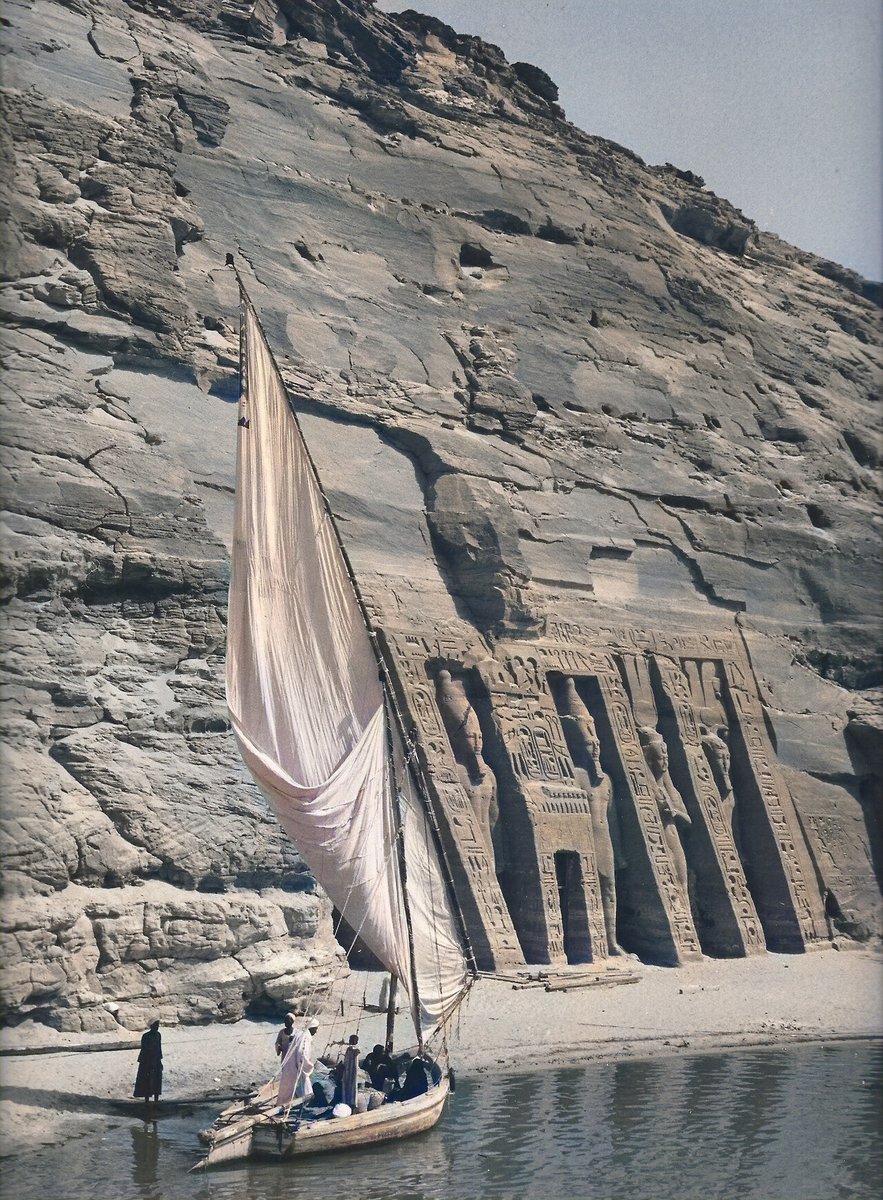
Kees Scherer, photograph of the Temple of Nefertari (Small Temple of Hathor), Abu Simbel, Egypt, 1965–1968.
English
[чĕрньɩŭ•kofé] retweetledi
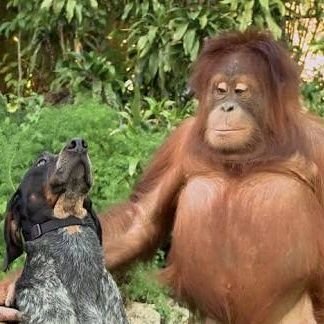
Throughout history, sailors have mistaken Beluga Wales for mermaids because of their human-like knees.

English
[чĕрньɩŭ•kofé] retweetledi
This dead leaf that isn’t quite a leaf, this is leaf-mimicking spider, discovered in 2015.
English
[чĕрньɩŭ•kofé] retweetledi

[чĕрньɩŭ•kofé] retweetledi

What happens when you slice through a tsunami, a tornado, and a volcano?
x.com/kopigud_day/st…
English
[чĕрньɩŭ•kofé] retweetledi

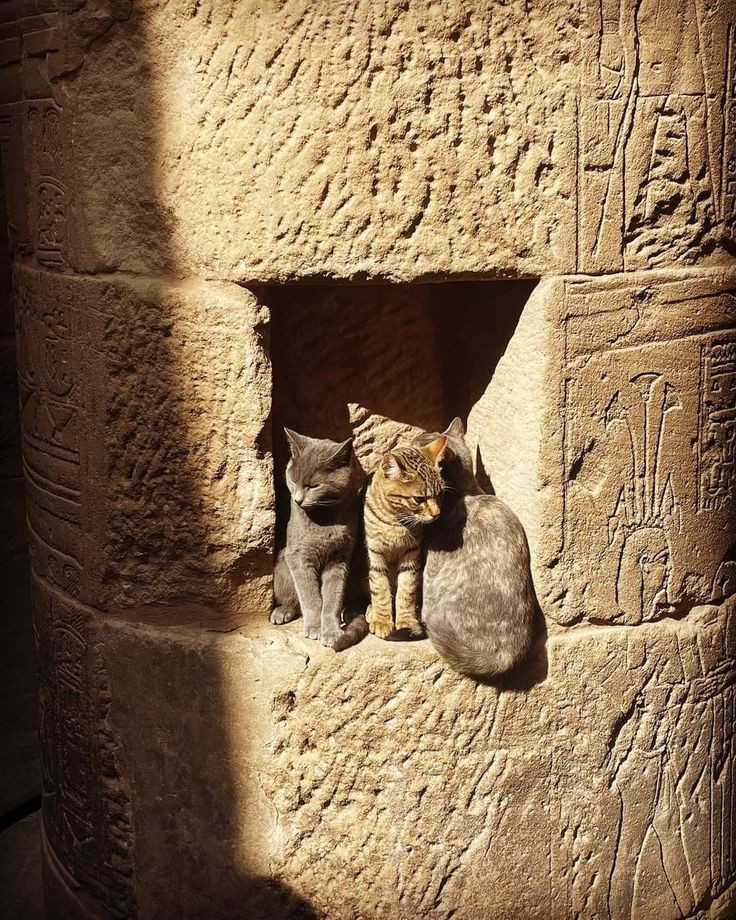
Next to the Pyramids, the Sphinx and mummies, one of the most intriguing discoveries from ancient Egyptian civilization is a form of writing that appears like stylized pictures of people, animals and objects. Hieroglyphic writing, whose name comes from Hieroglyphikos, the Greek word for "sacred carving," has been found carved into stone walls more than 5000 years ago, and was used up until 4th Century AD.
Egyptians adorned the insides of their temples, monuments and tombs with hieroglyphic writing and wrote it on papyrus, an ancient paper made from reeds. Because the symbols used in hieroglyphic writing look like little pictures of people, animals and objects, it’s easy to assume that the hieroglyphs represent those things. Instead, some hieroglyphs signify sounds in the ancient Egyptian language, just as the characters in the Roman alphabet do. Others are ideographic signs, which represent concepts but don’t have a sound attached.
"The earliest hieroglyphic writing is commonly found on grave goods found in royal tombs at Abydos that precede the historical period," explains Peter F. Dorman, professor emeritus at University of Chicago's Oriental Institute. "Since hieroglyphs are pictorial, the link with early formal art is indelible, especially the representation of the king with his royal titulary, which can be seen on commemorative monuments placed in the earliest temples."
Though the system was eventually used for other types of writing, hieroglyphs never lost their initial connection with elite contexts in commemorative settings like temples and tombs, Dorman explains. People who weren't royals also sometimes used hieroglyphics in their private tombs and monuments, provided they were wealthy enough to afford services of stone carvers. Because hieroglyphic writing was so complicated, the ancient Egyptians developed other types of writing that were more convenient. Hieratic writing, a cursive script that was written on papyrus with a pen or brush, or upon a piece of limestone called an ostracon was invented for use primarily on papyrus, a more fragile material. But, Dornan says, it rarely made the jump to formal monuments. Demotic, another form of writing that was developed in 800s BC, was used for everyday documents, as well as for literary works.
Hieroglyphic writing doesn't have any spaces between the words, and there's no punctuation. That means that readers have to have a good grasp of ancient Egyptian grammar and know something about the context of a message in order to be able to tell individual words, clauses, sentences, paragraphs and chapters apart. Additionally, unlike modern English, hieroglyphics aren’t necessarily read horizontally from left to right. Hieroglyphics could be written either from left to right, or right to left, and vertically as well as horizontally. In later stages of ancient Egyptian civilization, only priests were able to read hieroglyphic writing, according to James P. Allen in his book Middle Egyptian: An Introduction to the Language and Culture of Hieroglyphs. "Inscriptions that were meant to have a larger audience were carved in Demotic instead," he writes.
After the Ptolemies, who were of Macedonian descent, began to rule Egypt in 300s BC, Greek replaced Egyptian as the official court language. About 600 years later, in 384 AD, Christian Roman Emperor Theodosius approved a decree that banned pagan religion from being practiced in Egypt, which was the beginning of the end for the use of hieroglyphics, according to author Stephane Rossini. By the time the last known hieroglyphic writing was carved into Philae Temple in 394 AD, there probably were few Egyptian sculptors left who even could understand what they were being asked to carve into the walls, as Hilary Wilson writes in Understanding Hieroglyphs: A Compete Introductory Guide.
© Patrick J. Kiger
#archaeohistories

English
[чĕрньɩŭ•kofé] retweetledi


[чĕрньɩŭ•kofé] retweetledi

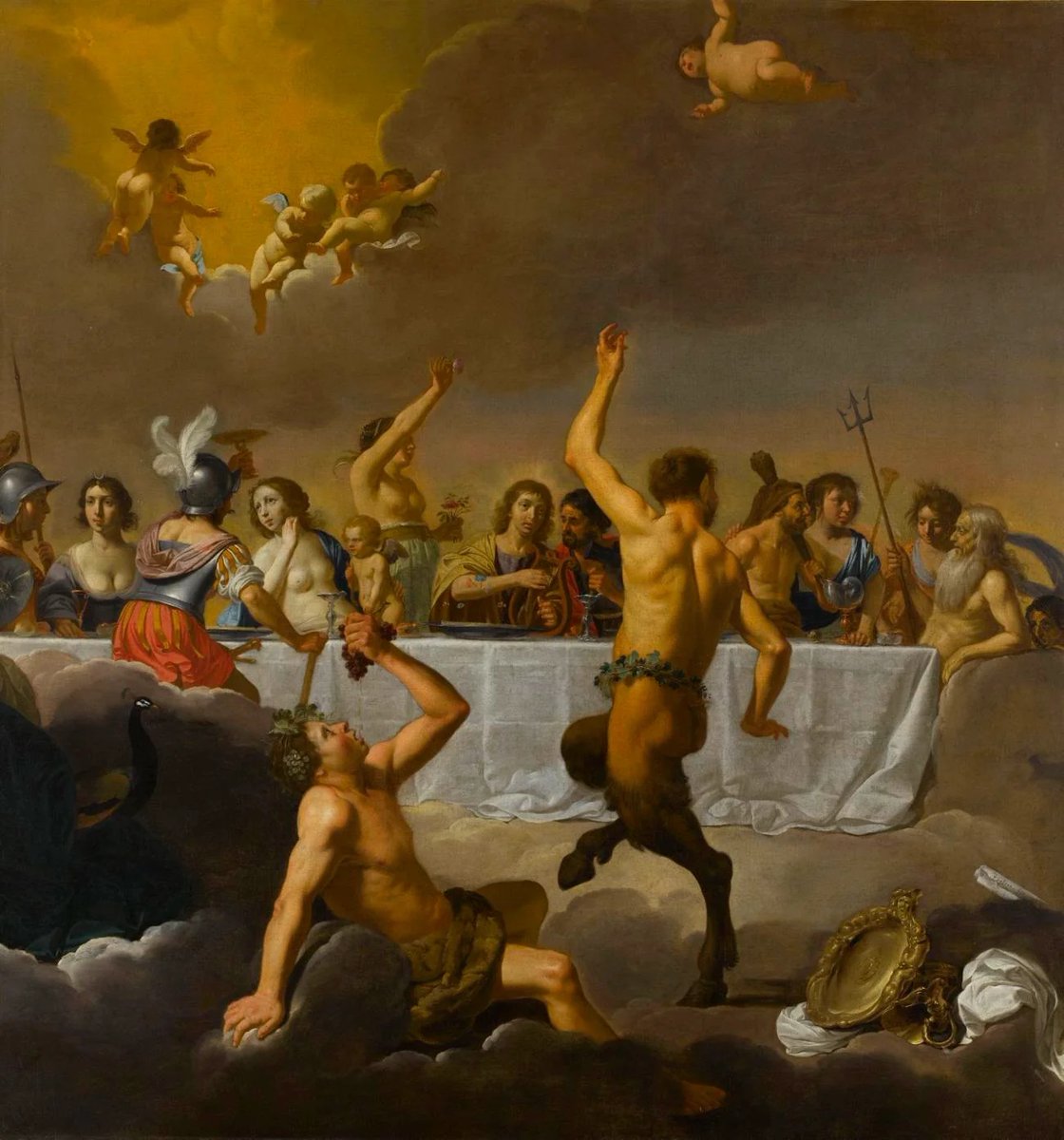
Some are angry about the "anti-Christian depiction of the last supper" at the Olympic Opening ceremony. (@elonmusk and @realDonaldTrump among others)
A Dutch art historian explains it's not the last supper but a Dutch painting of the Olympic gods.
And I explain what I loved.
🧵

English
[чĕрньɩŭ•kofé] retweetledi

[чĕрньɩŭ•kofé] retweetledi

И о пользе изучения истории искусств. Когда знакомый показал дрэг-шоу с церемонии открытия Олимпиады, - якобы безнравственную и неуважительную пародию на «Тайную Вечерю» Леонардо, то удивительными показались три аспекта - что там делает Дионис, почему у Христа нимб с лучами, и что с числом персонажей.
И вот, похоже, все разъяснилось.
Сцена отсылает вовсе не к «Тайной Вечере», а к картине голландского художника Яна ван Бильерта «Пир богов», хранящейся в Дижоне. В центре композиции восседает Аполлон, бог Солнца, а на переднем плане расположился Дионис, бог вина и всяческих излишеств.
Сам праздник посвящен бракосочетанию Пелея и Фетиды, родителей величайшего греческого героя Ахилла.
Это популярный сюжет, потому что служит развязкой одной важной интриги и завязкой другой. Зевс одобрил неравный брак второстепенного царя и тоже второстепенной, но все же богини, потому что Прометей ему предсказал погибнуть от руки собственного сына с Фетидой. (За это предсказание Прометей получил условно-досрочное освобождение от своих вечных мук, а судебным приставом выступил Геракл. Но, кстати, в «Олимпе» Дэна Симмонса Зевсу эта уловка не помогает: его убивает Ахилл). Именно на этот праздник забыли позвать мстительную Эриду, из-за яблока раздора которой началась Троянская война, где и погибнет Ахилл.
Но это все дела далекого будущего. А пока боги (даже вечные антагонисты Аполлон и Дионис) и люди безудержно пируют.
Этот пир послужил причиной Троянской войны. А она в свою очередь - эпизод крупнейшей геополитической катастрофы того времени - коллапса бронзового века. Это Пир накануне Чумы. И всадник Апокалипсиса, который тоже некоторым почудился в церемонии Открытия тут вполне уместен.
Так что вся эта сцена - осуждение и предупреждение, а вовсе не «пропаганда».
У мира есть шанс, пока существуют Олимпийские игры, где страны соревнуются на стадионах а не на поле боя.
Понятно, что дрэг-эстетика не всем близка, но пуританам не грех было бы изучить историю искусств, и развивать эстетическое чувство; да и чувство юмора тоже не помешает.

Русский
[чĕрньɩŭ•kofé] retweetledi


[чĕрньɩŭ•kofé] retweetledi

[чĕрньɩŭ•kofé] retweetledi
The earliest writing we know of dates back to around 3500-3000 BC, and was probably invented by Sumerians, living in major cities with centralized economies in what is now southern Iraq. Earliest tablets with written inscriptions represent work of administrators, perhaps of large temple institutions, recording allocation of rations or movement and storage of goods. Temple officials needed to keep records of grain, sheep, and cattle entering or leaving their stores and farms and it became impossible to rely on memory. So, an alternative method was required and very earliest texts were pictures of items scribes needed to record (known as pictographs).
Writing, recording of a spoken language, emerged from earlier recording systems at the end of 4th Millennium BC. First written language in Mesopotamia is called Sumerian. Most of the early tablets come from the site of Uruk, in southern Mesopotamia, and it may have been here that this form of writing was invented. These texts were drawn on damp clay tablets using a pointed tool. It seems the scribes realized it was quicker and easier to produce representations of such things as animals, rather than naturalistic impressions of them. They began to draw marks in the clay to make up signs, which were standardized so they could be recognized by many people. From these beginnings, cuneiform signs were put together and developed to represent sounds, so they could be used to record spoken language. Once this was achieved, ideas and concepts could be expressed and communicated in writing.
Cuneiform is one of oldest forms of writing known. It means "wedge-shaped," because people wrote it using a reed stylus cut to make a wedge-shaped mark on a clay tablet. Letters enclosed in clay envelopes, as well as works of literature, such as Epic of Gilgamesh have been found. Historical accounts have also come to light, as have huge libraries such as that belonging to Assyrian king, Ashurbanipal. Cuneiform writing was used to record a variety of information such as temple activities, business, and trade. Cuneiform was also used to write stories, myths, and personal letters. Latest known example of cuneiform is an astronomical text from 75 AD. During its more than 3000 year history, cuneiform was used to write around 15 different languages including Sumerian, Akkadian, Babylonian, Assyrian, Elamite, Hittite, Urartian and Old Persian.
The best known piece of literature from ancient Mesopotamia is story of Gilgamesh, a legendary ruler of Uruk and his search for immortality. Epic of Gilgamesh is a huge work, longest piece of literature in Akkadian (language of Babylonia and Assyria). It was known across ancient Near East, with versions also found at Hattusas (capital of Hittites), Emar in Syria and Megiddo in Levant.
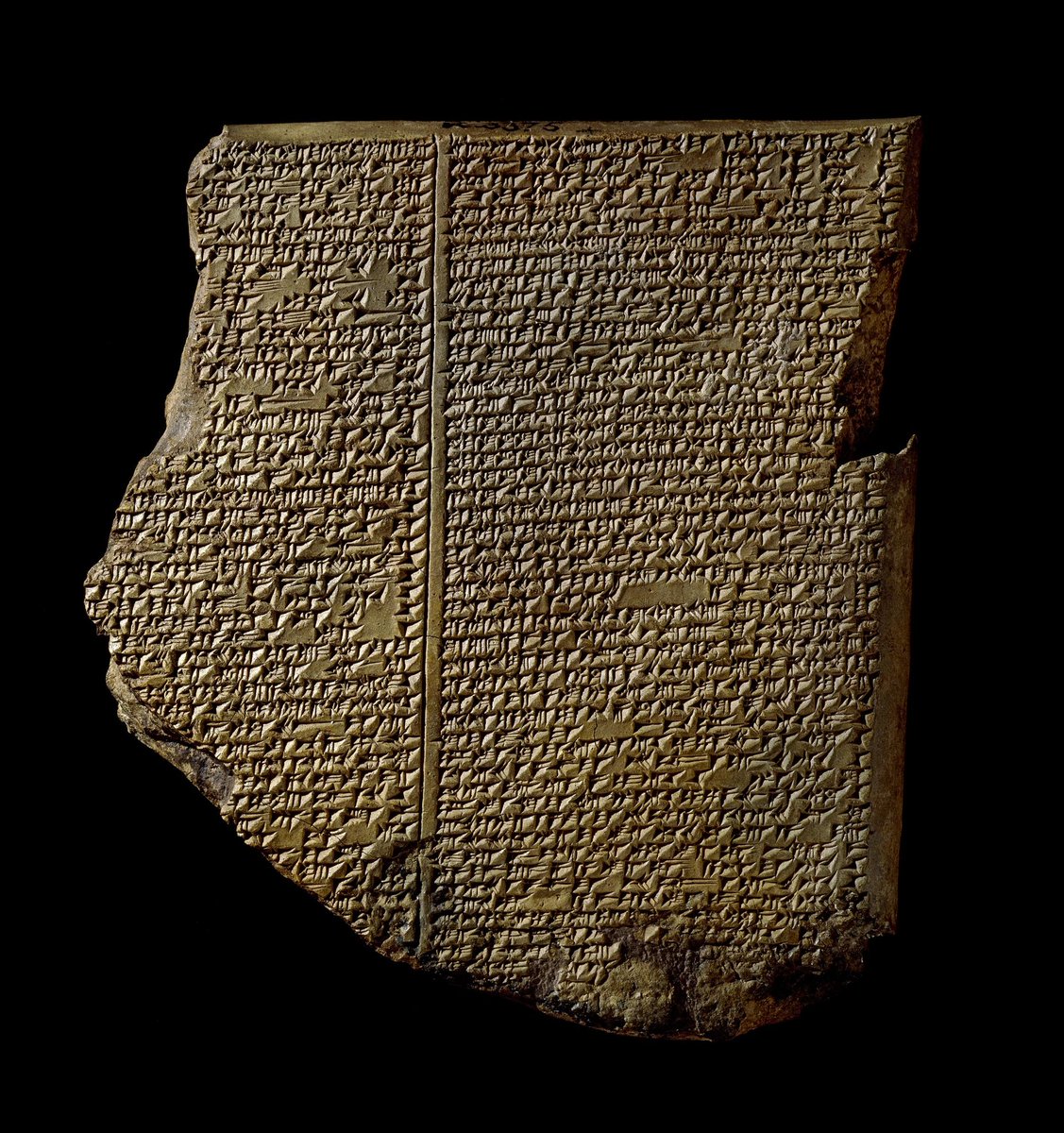
This, 11th tablet of Epic, describes meeting of Gilgamesh with Utnapishtim. Like Noah in Hebrew Bible, Utnapishtim had been forewarned of a plan by gods to send a great flood. He built a boat and loaded it with all his precious possessions, his kith and kin, domesticated and wild animals and skilled craftsmen of every kind. Utnapishtim survived flood for six days while mankind was destroyed, before landing on a mountain called Nimush. He released a dove and a swallow but they did not find dry land to rest on and returned. Finally a raven that he released did not return, showing that waters must have receded.
This Assyrian version of Old Testament flood story is most famous cuneiform tablet from Mesopotamia. It was identified in 1872 by George Smith, assistant in British Museum. On reading text "he ... jumped up and rushed about the room in a great state of excitement, and, to the astonishment of those present, began to undress himself."
📷: The Flood Tablet, part of the "Epic of Gilgamesh," 7th Century BC, Neo-Assyrian, from Nineveh, northern Iraq. (15.24 x 13.33 x 3.17cm).
© Trustees of the British Museum
#archaeohistories
English
[чĕрньɩŭ•kofé] retweetledi
[чĕрньɩŭ•kofé] retweetledi
Different plates and vases on shelves and stone wall. (Morocco)

English