#EPP 👉 Long duration energy storage is increasingly part of the answer, with annual LDES additions set to quadruple to 2 GW in 2026.
linkedin.com/posts/ldes-cou…
English
G’s World
1.4K posts

So let’s look closer at #EPP EnergyPathways Progressing and not reliant on the gas storage license: World’s Largest CAES project (UK’s largest LDES): Based on the storage capacity, output duration and benefitting from massive curtailed wind energy, estimates for revenue pa are around £150m+ (may be higher with cavern expansion and government subsidy or cap and floor benefits) The Irish Sea has two huge wind farms to come online in the shape of Mona and Morgan. So expansion of the salt caverns with Siemens Energy is likely. Also EPP own the IP for CAES tech. The project lifespan is 25 years+ so LDES alone is a company maker. Reliant on Gas Storage License: Gas Production: Marram alone has 46BCF of gas, based on current spot pricing that’s worth £500m (this doesn’t include Knox or Lowry fields) the figure will be a little lower due to the provision of cushion gas needed to facilitate storage. 46BCF is just natural gas and doesn’t include nitrogen in the mix which will be utilised to create clean ammonia. Gas Storage: Marram alone has the equivalent storage capacity of Centrica’s Rough Facility 50-60BCF The revenue value of gas storage is based not just on gas in place, but the opportunity for volatility trading (fill with cheap summer gas to sell on winter peaks) Based on Marram alone annual revenues are approx £400m+ (but based on the UK’s low gas storage capacity this is conservative) Hydrogen/Ammonia: This is a harder market to asses as an emerging sector. So based on the initial projected feedstock of 20,000 tonnes let’s value it when it’s used to create Ammonia as that market is very real. Production of 110,000 tonnes pa is projected. The last domestic UK ammonia producer closed in 2023 and as of 2027 there’ll be a border levy on imports so this will affect chemical & farming Industries. Annual revenues for ammonia, based on volatile pricing could be between £55-100m pa. Graphite: High grade synthetic Graphite (circa 60,000 tonnes pa) is set to be refined (With Mitsui Japan) to create nuclear/military grade graphite, elevating the price dramatically. Company estimates revenues of £500m pa EnergyPathways has a suite of revenue streams offering diversification through products and industries at a time where they’ll be the only domestic producer of graphite and ammonia, they’ll effectively be doubling the UK energy storage capacity at a time of critical need and urgent demand. And it requires little or no government funding (however GB Energy or National Wealth Fund may invest) The offering is also diverse enough to be valuable to any government from Labour to Reform so it is in effect apolitical. (Is Reform going to turn down homegrown North Sea gas, domestic graphite for defence and Ammonia for Jeremy Clarkson and the farming community?) The tier one partnerships with Siemens Energy, Wood & Costain give the project credibility in the eyes of the government, as does the fact the world’s and UK’s largest CAES/LDES facility is going ahead at pace and it makes the project very real. MESH is proposed as the flagship project for EPP and Siemens and “one of many” projects that will target favourable geology/infrastructure in the North Sea Continental Shelf. The risk was that the storage license wouldn’t be granted… But that is now a thing of the past 👏🏻 The second argument is that “it’s not operating until 2030, so why buy now”, the counter is that at £12m MCAP, when project level funding hits and now the GSL is granted and the government and media takes up the story this stops being worth £12m. The project will no longer be a “retail” focussed stock and with projected yields for investors to be 25% per annum over a 25 year lifespan then pension funds, institutions and family offices take over the register, and they invest for significant and sustained future growth not a quick 10% slice.
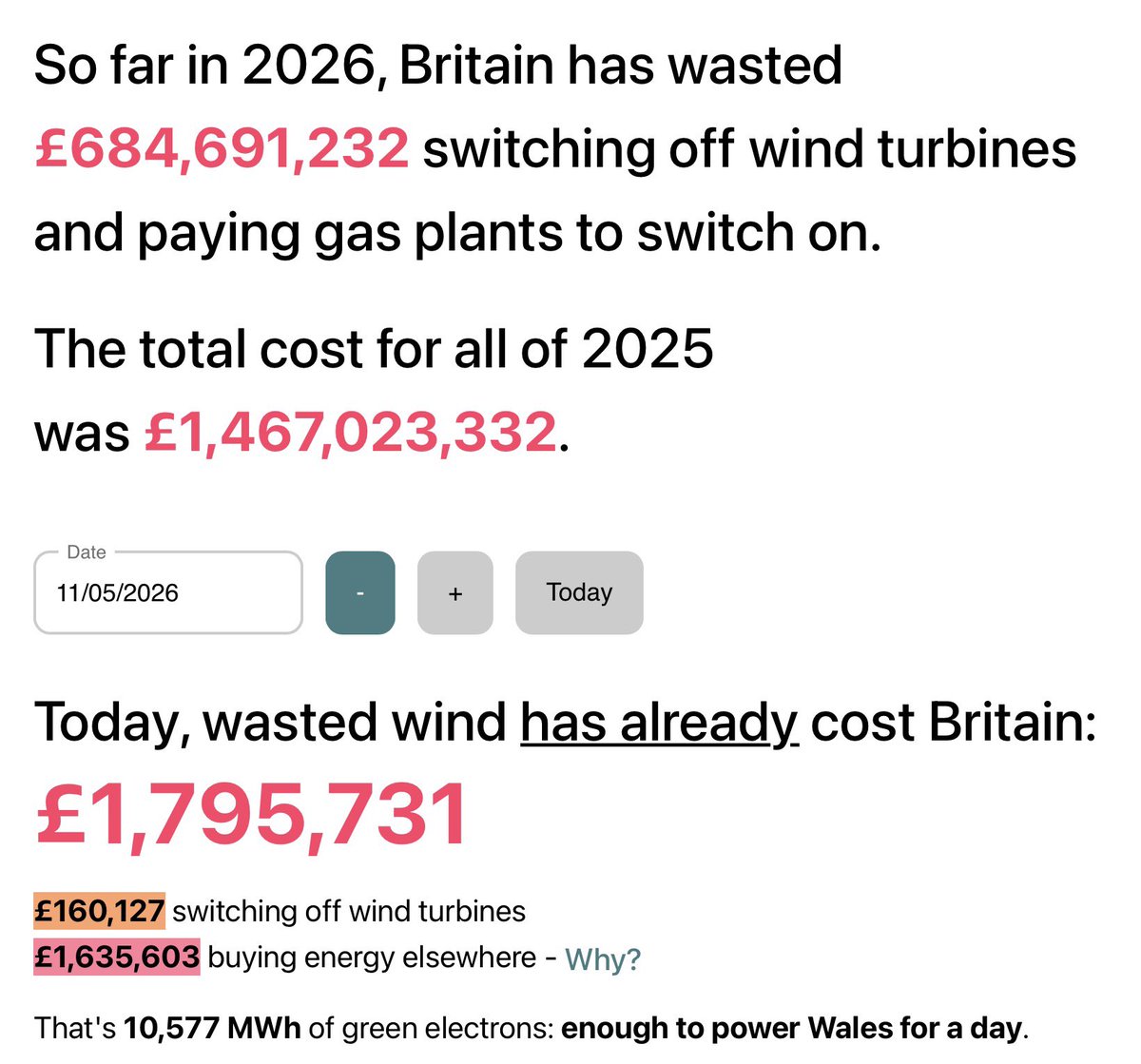
EnergyPathways #EPP is delighted to announce it is to be awarded a Gas Storage License (GSL) by the North Sea Transition Authority for its flagship MESH project located in the East Irish Sea and onshore in Barrow-in-Furness. This decision marks a major milestone in the development of the wider MESH project, with the GSL spanning a substantial offshore area that could support up to 60 large-scale salt storage caverns with potential for multi terawatt-hour scale energy storage and is expected to be Britain’s largest integrated energy storage facility. The planned MESH Project has already been designated by the UK Government as a project of “national significance” and will comprise compressed air energy storage (CAES), natural gas storage transitioning to hydrogen storage and complementary hydrogen production for clean power and sustainable industry uses. EnergyPathways plans the following: · A natural gas storage facility that will double Britain’s meagre gas storage capacity and provide up to 6 days of national energy supply, securing Britain’s energy future and reducing its over-dependence on expensive gas imports. · CAES storage of 300 MW / 55 GWh capacity, which is expected to be Britain’s largest LDES facility. This will provide game-changing “days not hours” of electrical storage, essential to harness the billions of pounds of wind power currently being wasted and passed on to consumer bills; · Low-carbon dispatchable power generation that will be far cheaper than the expensive gas-fired power upon which Britain relies and which sets the power prices for all of Britain’s electricity, including renewables; · Low-cost hydrogen production capability that will be used to further decarbonise MESH dispatchable power and new sustainable industries planned in Barrow-in-Furness, including EnergyPathways’ proposed graphite production plant; and · A project that delivers homegrown energy and requires little or no government support at no added cost to consumer bills. EnergyPathways, along with its Tier One partners, including Siemens Energy, Costain plc, Wood plc and Zenith Energy will now progress the MESH project to a Final Investment Decision in 2028 and start up by late 2031. The Company has already initiated several funding and capacity offtake discussions. EnergyPathways CEO, Ben Clube said: “I am delighted that we have met the NSTA’s criteria to offer EnergyPathways this crucial Gas Storage Licence, one of only two NSTA energy licence awards in the last two years. “The UK Government recognises MESH and other forms of long-duration energy storage as having a vital role in lowering energy prices, bolstering energy security and achieving a clean energy system." #MESH #EnergyStorage #CleanEnergy #LDES #GasStorage @energygovuk @Siemens_Energy @CostainGroup @ZenithEnergy

Good to see some thoughtful commentary on building storage capacity for the UK in The Times today. "The government should take other steps to make Britain more secure. It needs to start building storage capacity. At present Britain has 10 -12 days' worth of storage, while France and Germany have two to three months' worth", said the Times EnergyPathways plc planned MESH project is designed with this in mind - a large-scale energy storage hub in the East Irish Sea that can store energy when it’s abundant and release it when it’s needed, helping to reduce price volatility and make better use of surplus wind power. Read more here: thetimes.com/comment/the-ti… #EPP #EnergyTransition #EnergyStorage #CleanEnergy #EnergySecurity #EnergyStorage
A strong piece from @NilsPratley in the @guardian on the structural issues underpinning the UK’s exposure to energy price shocks. As highlighted, high import dependency and continued reliance on gas mean global disruptions are quickly felt in wholesale prices and, ultimately, household bills. It also reinforces the importance of system resilience - particularly the role that energy storage can play in buffering against shocks when markets tighten. EnergyPathways’ #EPP planned MESH project is designed with this in mind - a large-scale energy storage hub in the East Irish Sea that can store energy when it’s abundant and release it when it’s needed, helping to reduce price volatility and make better use of surplus wind power. As the UK looks to avoid repeating these cycles, the focus is increasingly turning to infrastructure that can strengthen resilience and reduce exposure to global markets. theguardian.com/business/nils-… #MESH #EnergyTransition #EnergyStorage #CleanEnergy @RJPartington @jessicaelgot @energygovuk
A good piece in @thetimes from Dominic O’Connell on the UK’s gas storage gap and how a long-standing reliance on imports is now being tested in real time. The current situation highlights how quickly global events feed through into energy prices, and ultimately into inflation and household costs in the UK. One risk, however, is that the debate becomes too narrowly focused on legacy storage. While important, it is unlikely on its own to address the broader structural exposure. The question now is how the UK develops storage that is fit for a changing energy system – one that is more import-dependent, but also increasingly reliant on intermittent renewables. That means thinking beyond traditional gas storage, towards more integrated solutions that can: • help manage price volatility • reduce reliance on imports during supply shocks • better integrate renewable energy EnergyPathways’ MESH project is one example of this – a planned integrated energy storage system combining gas, compressed air and hydrogen with flexible power generation, designed from the outset for the needs of the energy transition. thetimes.com/business/energ… #EPP #MESH #EnergyStorage #EnergyTransition #CleanEnergy @dominicoc @emilygosden @aliosborne20 @energygovuk