Sabitlenmiş Tweet

Bo Yoder
3.5K posts

@bo_yoder
Helping RIAs Optimize Investment Strategies In The Volatile Age of AI | 25+ Years Proven Market Forecasting Experience | 2 X McGraw-Hill Author

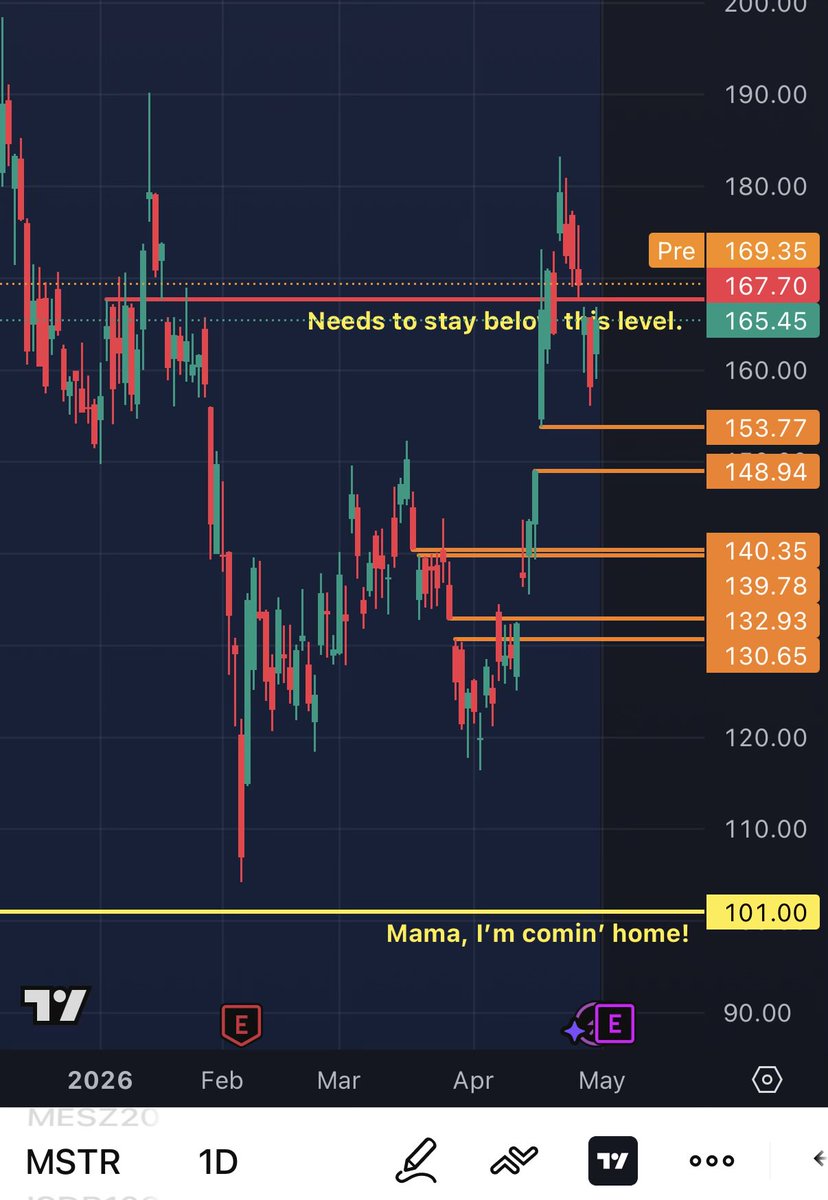
Who sees the bullish kill box on daily QQQ? Tomorrow’s close should tell us a lot.
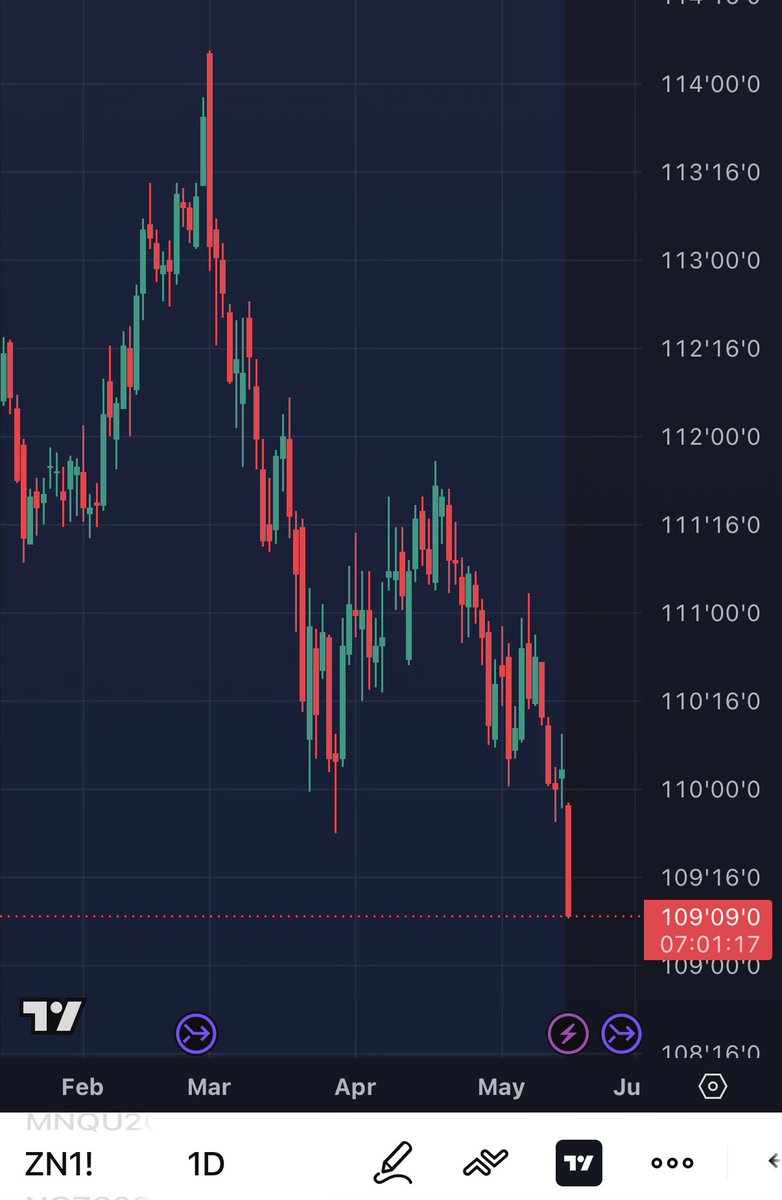
Bond markets are flashing red. Today, the US 30Y Note Yield officially hit its highest level since July 2007, at 5.19%. This will soon become Americans’ biggest problem, yet the vast majority do not even know it is happening. What is happening? Let us explain. (a thread)


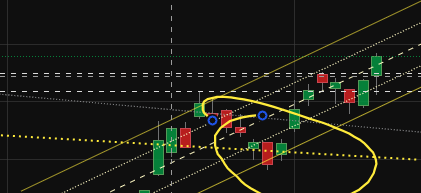
USD/JPY squeezing back up for an add point. Yellow box is a gap I have on my daily. If it turns cleanly there that should set up the add and trail.



🚨 BILLY BOB THORNTON SAYS HIS EXTREME OCD CONTROLS HIS EVERY THOUGHT — WHAT HE ADMITS NEXT HAS PEOPLE SHOCKED On Howie Mandel Does Stuff, actor Billy Bob Thornton just described what he says OCD actually feels like… and it’s nothing like people think. Not being “organized.” Not liking things a certain way. He says it’s mentally and emotionally exhausting... something that takes real brain power and energy all day long. • “It takes real brain power and energy to do this all day” • Says intrusive thoughts don’t leave until he completes them • Describes constant “rituals” his mind forces him to finish • Says even mid-conversation, he has to go back and complete thoughts And when that happens? He says it doesn’t feel optional. It feels like something in his head controlling what he does in real time. Howie adds that he's even missed flights… just because something touched his clothes and he had to go home and change. Billy describes patterns, angles, even movements he has to complete… or the thought won’t stop. Then he admits something that caught people off guard: He once became fixated on something about a stranger in a grocery store… and says the thought wouldn’t go away until he acted on it. So he did, then played it off like nothing happened. He says that’s what people don’t get. It’s not a preference. It’s not a personality quirk. It’s something that can take over your thoughts and control your actions at the same time. He says most people using the term “OCD” have no idea what it actually looks like. Be honest, is “OCD” being overused… or are people underestimating how serious it actually is? 📹: HowieMandelDoesStuff

Winston Churchill fought his depression with bricks. He'd lay them for hours at his country home in Kent. He joined the bricklayers' union. And in 1921 he wrote about why it worked. It took psychology another 75 years to catch up. He called his depression the "Black Dog." It followed him for decades. His method for fighting it back was as basic as it sounds: laying brick after brick, hour after hour. Churchill spelled out his theory in a long essay for The Strand Magazine. People who think for a living, he wrote, can't fix a tired brain just by resting it. They have to use a different part of themselves. The part that moves the eyes and the hands. Woodworking, chemistry, bookbinding, bricklaying, painting. Anything that drags the body into a problem the mind can't solve by itself. Modern psychology now calls this behavioral activation. It's one of the most-studied depression treatments out there. Depression sets a behavior trap. You feel bad, so you stop doing things, and doing less means less to feel good about. Feeling worse makes you do even less. The loop tightens until you can't breathe inside it. Behavioral activation breaks the loop from the action side. You schedule the activity first, even when every part of you doesn't want to. Doing it produces small rewards: a wall gets straighter, a painting fills in, a messy room gets clean. Those small rewards slowly rewire the brain. Action comes first, and the feeling follows. Researchers at the University of Washington put this to the test in 2006. They studied 241 adults with major depression and compared three treatments: behavioral activation, regular talk therapy, and antidepressants. For the people who were most severely depressed, behavioral activation matched the drugs. It beat the talk therapy. A 2014 review of more than 1,500 patients across 26 trials backed up the result. Physical work like bricklaying does something extra on top of this. It crowds out rumination, the looping bad thoughts that grind people down during the worst stretches of depression. Bricklaying needs both hands and gives feedback brick by brick: each one is straight or crooked. After an hour you can see exactly how much wall you built. No room left for the mental chewing. The line George Mack used in his post, "depression hates a moving target," is good poetry. The science behind it is sharper. Depression hates a brain that has somewhere else to be.
Dr. James pennebaker spent 30 years studying why some people recover from trauma and others don't. He found the same pattern in every person WHO healed. It had nothing to do with therapy or time. Medicine ignored it. His patients didn't. 🪡