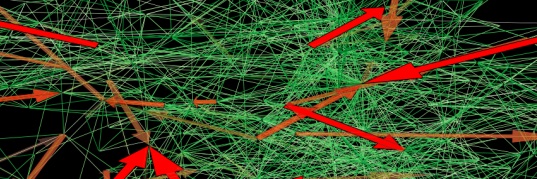
🚨 New pre-print: "Politics and Polarization on Bluesky," led by Ali Salloum with @Leetiletizia, @BovetAlexandre & @bolozna. First large-scale study of political discourse on Bluesky. 🧵 How polarized is Bluesky? What topics divide users? Can we map polarization across topics?
approximately 13% of Bluesky posts engage with political content. There are high levels of polarization across several salient political topics. But the most polarized topics are highly imbalanced, with 1 side consisting of only 1–2% of the users
arxiv.org/pdf/2506.03443
@leetiletizia from @CSAalto finds political attitudes in Finland becoming more polarized; Online discussions in Finland are getting more ideologically charged and during COVID, the Finnish Parliament showed rare cooperation across party lines.
#CompSocSci@ConfCompSys#CCS2024
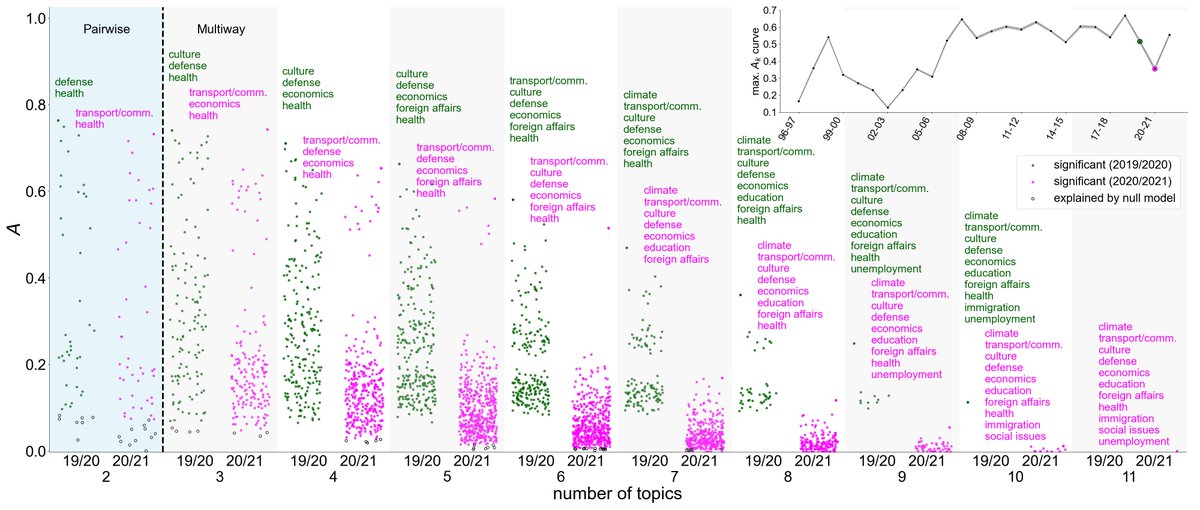
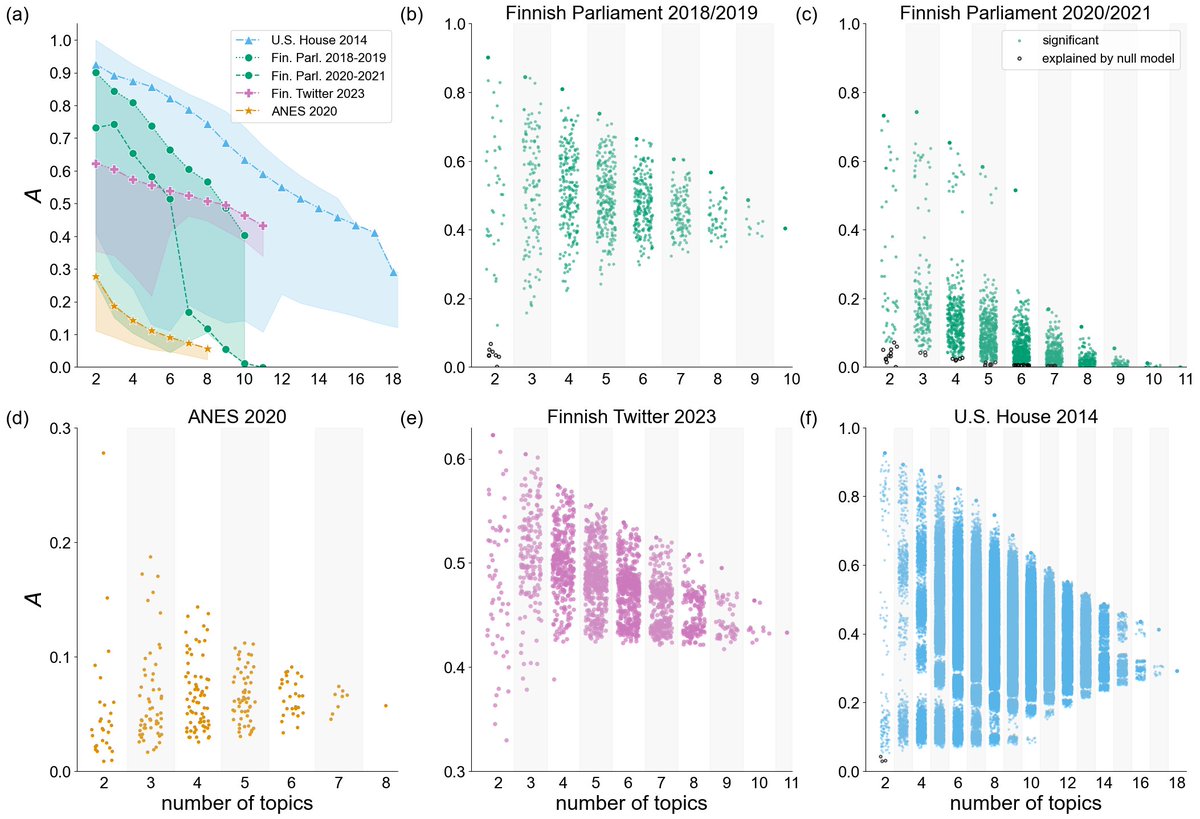
E.g., we found that the multiway alignment spectrum in the Finnish parliament typically follows a funnel shape, but the response to COVID-19 broke this shape due to a set of 5 topics becoming unaligned together (while maintaining a similar 2-way alignment pattern)
We illustrate our method using data sets on Twitter/X discussion, voting patterns of politicians, and survey data. We show how to find groups of the most aligned topics or analyze the whole system by plotting multiway alignment spectrums.
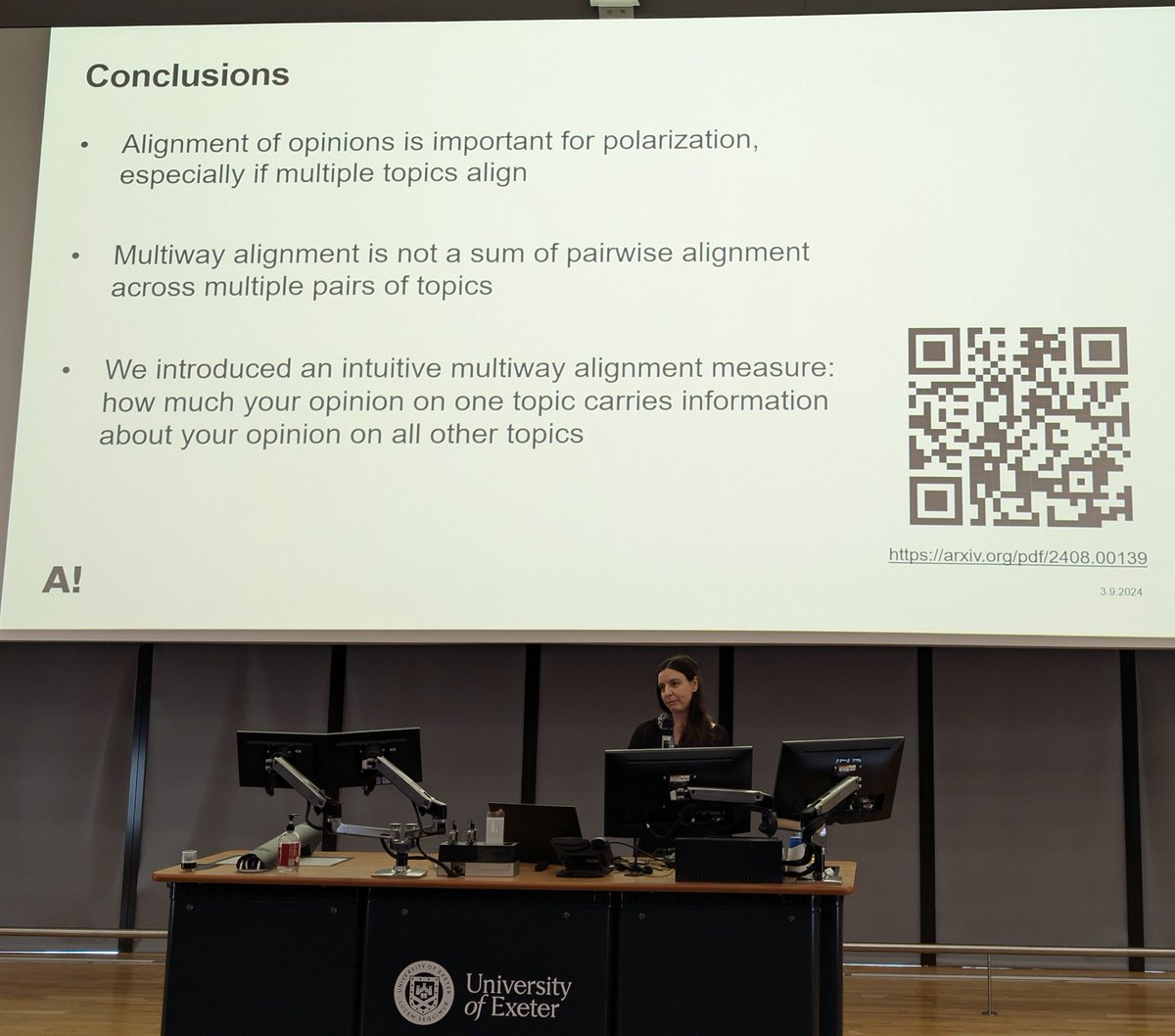
Our new paper on a higher-order measure of alignment meant for polarisation research: "multiway alignment," measuring the information knowing your opinion on one topic gives about a set of other issues. Led by my student @leetiletiziaarxiv.org/abs/2408.00139
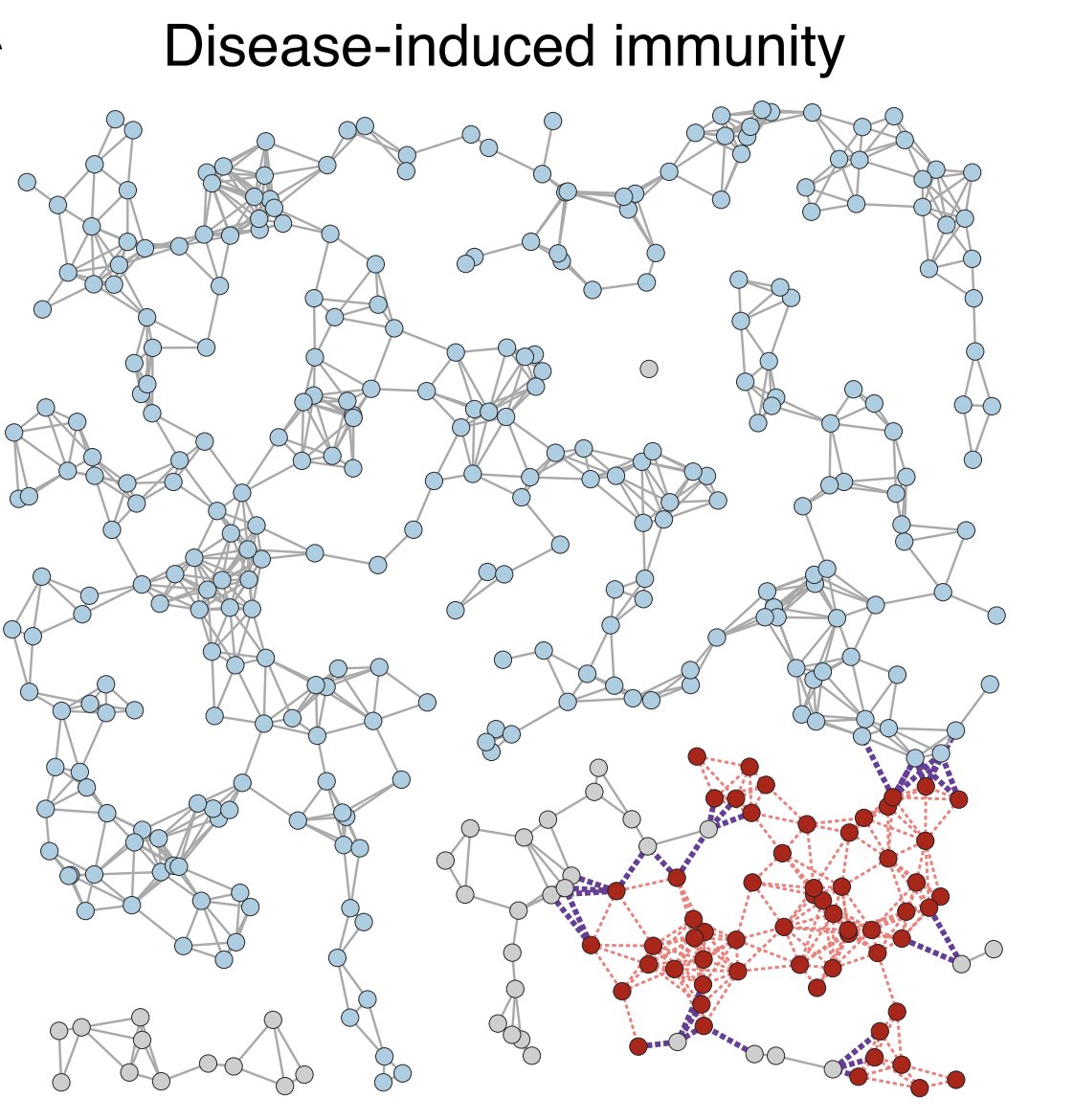
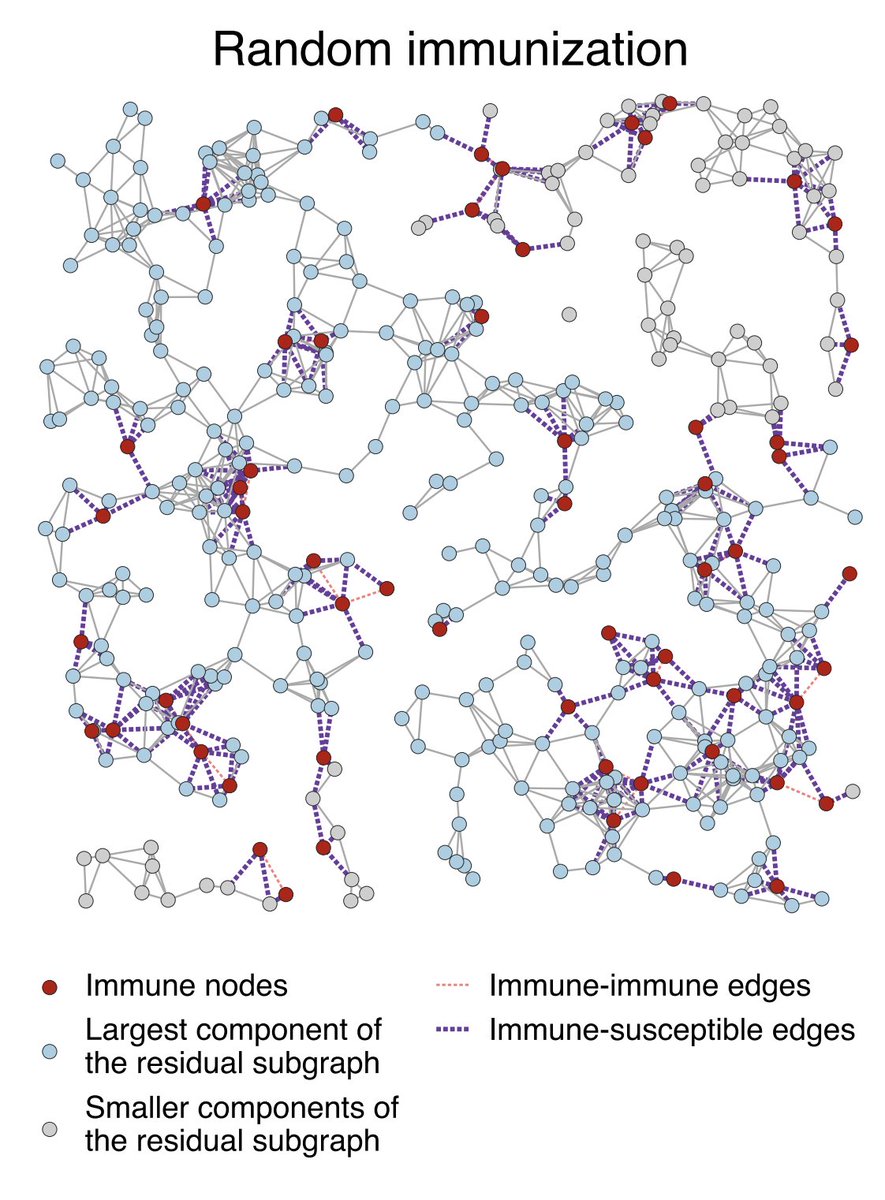
Although disease-induced herd immunity gains from targeting highly connected people, the diverse mixing of immune and susceptible nodes hinders it.
Our new work shows that spatiality in networks makes random immunization (#vaccination) more advantageous!
arxiv.org/abs/2307.04700
In this new paper, led by Javier Urena-Carrion, we show that fundamental network processes, namely preferential attachment and assortativity, lead to core-periphery structures. /w @bolozna@iniguezgjournals.aps.org/prresearch/abs…
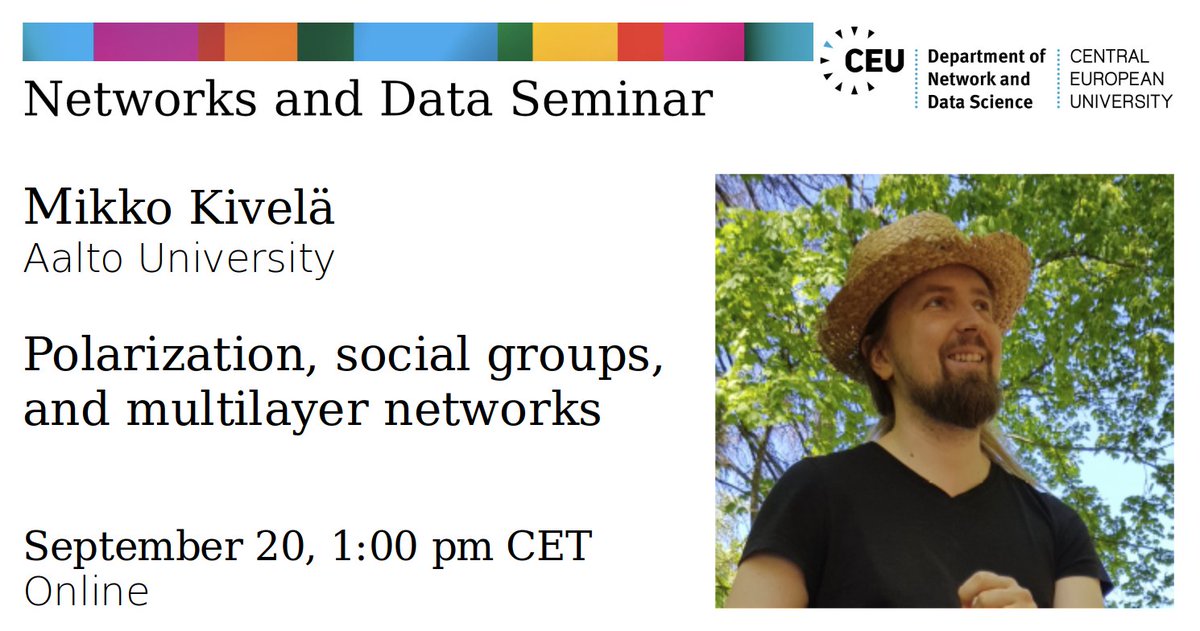
This week at the @dnds_ceu seminar: Mikko Kivelä @bolozna from Aalto University will talk about group formation in multilayer networks at 1 pm CET, Sept 20. Details and rsvp here: events.ceu.edu/2023-09-20/pol…
New paper alert! With lead author @ArttuMalkamaki, @tedhchen, @bolozna, J. Vesa & T. Ylä-Anttilla we analyze political coalitions in climate politics across three contexts: direct collaboration, legacy media discourse, and social media communication.
arxiv.org/abs/2308.14422
Have you thought Network Science can be used to analyse transactions in Dark Markets? On 6th April 4pm UK time ,@narnolddd from @QMUL /@NortheasternLDN will give a talk about "Temporal graph motifs and how to find them: or how I inadvertently got into big data engineering" (1/4)
Hey NetFollowers, if you are desperately looking for handy tools for temporal networks and hypergraphs, there might be a good option here! @ArashBadie will talk about “Reticula: A temporal network and hypergraph analysis software package” on 9th Feb at 4pm UK time. (1/4)
Check out our latest paper about our general purpose network library Reticula:
sciencedirect.com/science/articl…
It natively supports (directed || undirected) (dyadic || hypergraph) (static || temporal) networks. C++ with Python bindings.
With @bolozna, published on @SoftXJournal
Ladies & gentlemen, Dr. Arash Badie-Modiri 🧑🏻🎓
Opponent: Professor Renaud Lambiotte, Mathematical Institute, University of Oxford, England
Custos: Assistant Professor Mikko Kivelä
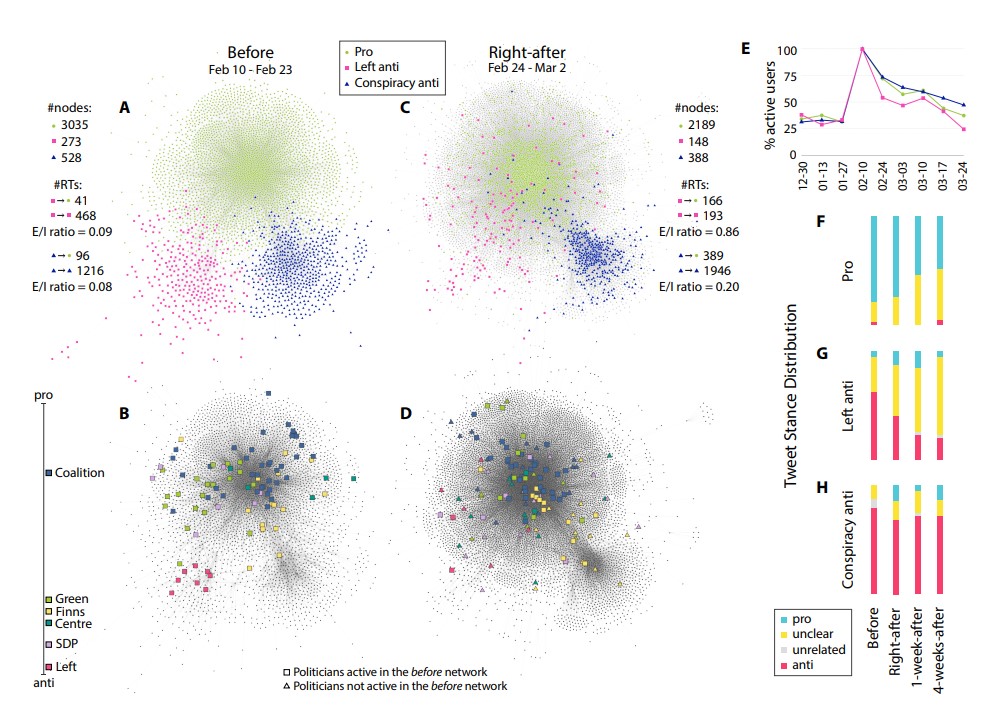
Our (@yanxxia et al.) new paper on the polarization of Finnish NATO discussion!
We find that a leftist anti-NATO bubble merges with a pro-NATO bubble as the Ukraine war starts but a bubble based on disinfo and conspiracy theories stays polarized.
arxiv.org/abs/2212.07861