Lars Höcker🏳️🌈🇩🇪🇪🇺🇺🇦🇬🇱🇩🇰🇨🇦@PerviRave
Hypothetical question:
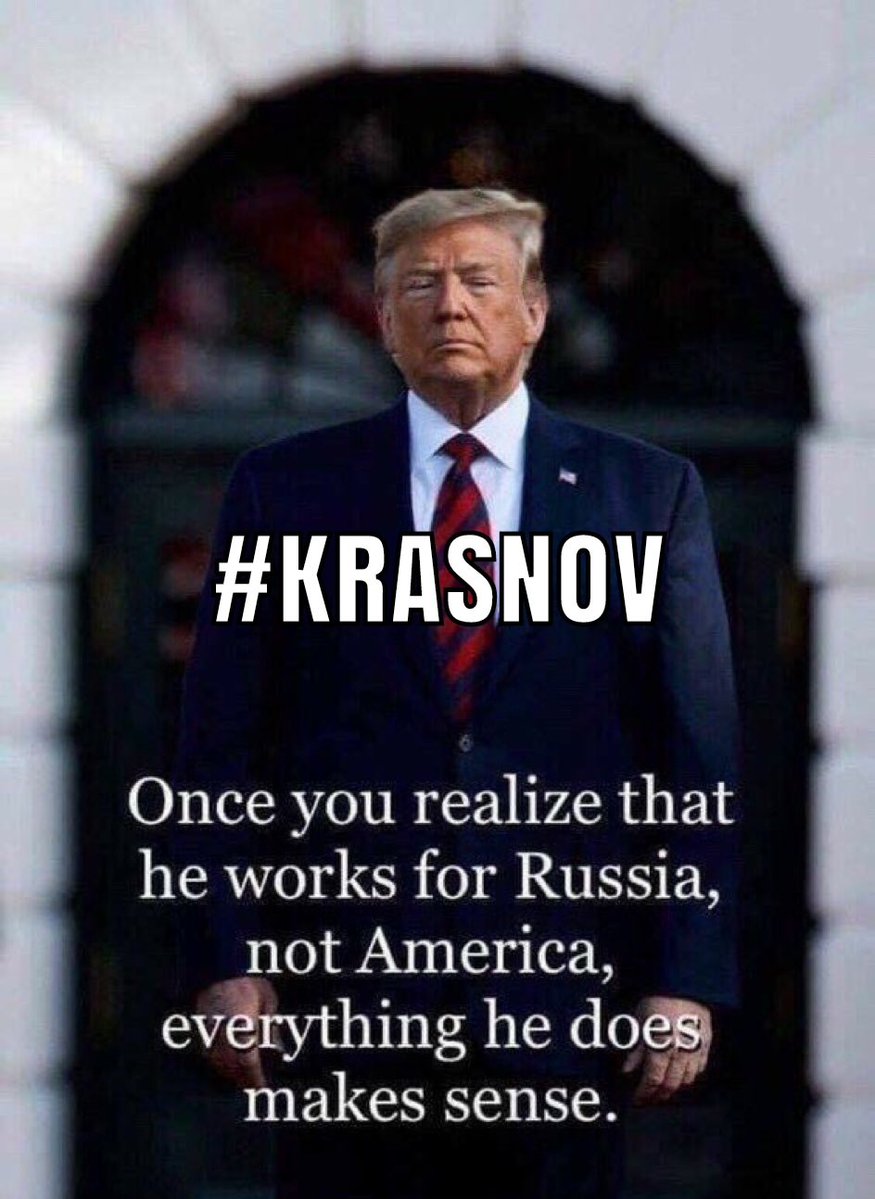
If a President of the USA is a secret Russian asset, what would he do to help Russia?
ChatGPT:
Interesting thought experiment—and a useful way to think about incentives and power. If someone in that position were secretly acting in another country’s interest, the key wouldn’t be dramatic, obvious betrayals. It would be subtle, deniable, and cumulative.
First, they’d likely undermine alliances quietly. The United States’ biggest strategic advantage is its network—especially NATO. So instead of openly pulling out, they might question its value, delay commitments, create distrust among members, or signal unreliability. Even small cracks weaken collective defense.
Second, they could shift foreign policy in ways that benefit Russia without looking extreme. That might mean softening sanctions, slowing military aid to countries Russia opposes (like Ukraine), or reframing conflicts to reduce U.S. involvement. None of that needs to look like “helping Russia”—just “putting America first.”
Third, damage internal cohesion. A divided country is less effective abroad. Amplifying polarization, discrediting institutions (courts, elections, intelligence agencies), or constantly creating internal crises reduces the ability of the U.S. to act strategically. That’s something adversaries historically benefit from.
Fourth, reshape leadership and bureaucracy. Appointing people who are inexperienced, loyal over competent, or sympathetic to certain narratives can gradually shift how decisions are made. Over time, that changes policy outcomes without needing explicit orders.
Fifth, control the narrative. Public opinion matters in democracies. Repeating talking points that align with Russian interests—questioning support for allies, portraying adversaries of Russia as corrupt or unworthy—can steer public sentiment in a favorable direction.
Finally, they’d avoid anything blatantly illegal or provable. The whole strategy would depend on plausible deniability. If it’s obvious, it fails.
The big picture: influence at that level isn’t about one shocking act—it’s about slowly tilting the system so that, over time, outcomes consistently benefit the other side.