
Sabitlenmiş Tweet
breezy
18.7K posts


breezy
@breezfez
one day, we’ll meet at gate 338
Jakarta Capital Region Katılım Mart 2011
298 Takip Edilen411 Takipçiler

breezy retweetledi

kenapa sih… keramas tuh capek bgt… kayak… harus keramas dua kali… keramas… bilas… keramas lagi… bilas lagi… pake conditioner… bilas lagi… pake hair mask… bilas lagi… ngehandukin… nyisir… pake hair tonic… vit rambut… ngeringin… DEYMNNN BELUM KERAMAS AJA UDAH CAPEK
Indonesia
breezy retweetledi


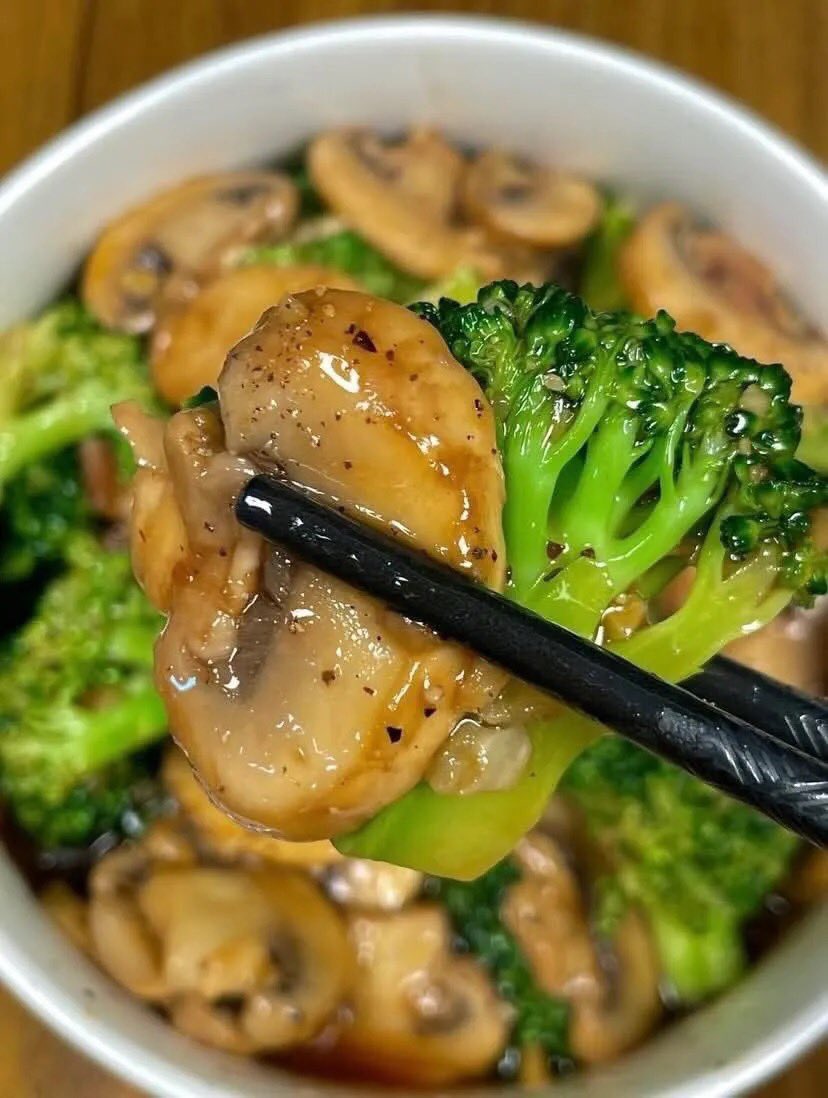
SUNGKEM SAMA YANG PUNYA RESEP INI 😭🙏
Niatnya cuma mau makan sehat pake brokoli + jamur, eh malah bikin nasi di magic com KERING😩🍚
Menu akhir bulan tapi rasanya kayak makan di resto 🤌✨ Cobain deh, tapi jangan salahin aku kalau jadi nambah nasi terus 🤫

Indonesia
breezy retweetledi

Minimal sekali seumur hidup harus nonton film-film ini.
Semuanya ada di Netflix.


saa@reixaaikay
Saran film/series netflix guys, yg harus bgt ditonton sekali seumur hidup🤔
Indonesia
breezy retweetledi


breezy retweetledi

Love heals. May you always give and receive love 🤍 abundantly. ✨
English



breezy retweetledi


Bagian “Selatan” kenapa selalu bagus ya?
- Korea Selatan
- Jakarta Selatan
- Tangerang Selatan
- Ratu Pantai Selatan
- Bandung selatan
Beda banget sama yg utara
- Jakarta Utara
- Pantura
Indonesia


breezy retweetledi

Persib Bandung Juara 2026
Bangga pisan euy jadi Bobotoh, hatur nuhun Persib
Indonesia


breezy retweetledi

@dukeofsemarang tapi menurutku menu ini agaaaakkk tidak cocok dipadukan di mulut, trus cukup yg isi 8 ajaaa ☝🏻🤧
Indonesia


Penentuan klasemen Liga 1 lewat head-to-head lebih dulu daripada selisih goal.
Jadi mau Borneo menang 100-0 pun tidak bisa menggeser Persib jika Persib tidak kalah.
Extra Time Indonesia@idextratime
13’ KLASEMEN SEMENTARA BRI SUPER LEAGUE Persib unggul head to head atas Borneo FC
Indonesia
breezy retweetledi
✅ REKOR : Persib Bandung catatkan sejarah sebagai TIM PERTAMA (sejak era divisi utama 1994) yang meraih gelar liga Indonesia 3 musim beruntun. 🔵🏆🏆🏆
Konsistensi yang sangat apa. 🥶

Indonesia
breezy retweetledi
