brickonomics

4.8K posts

brickonomics

brickonomics

@brickonomics

Brickonomics, written by Brian Green, takes a critical look at construction, housing and property data to seek a better understanding of the economic trends.

UK Katılım Mayıs 2011
398 Takip Edilen3.9K Takipçiler
brickonomics retweetledi
RIBAJ
RIBAJ@RIBAJ·
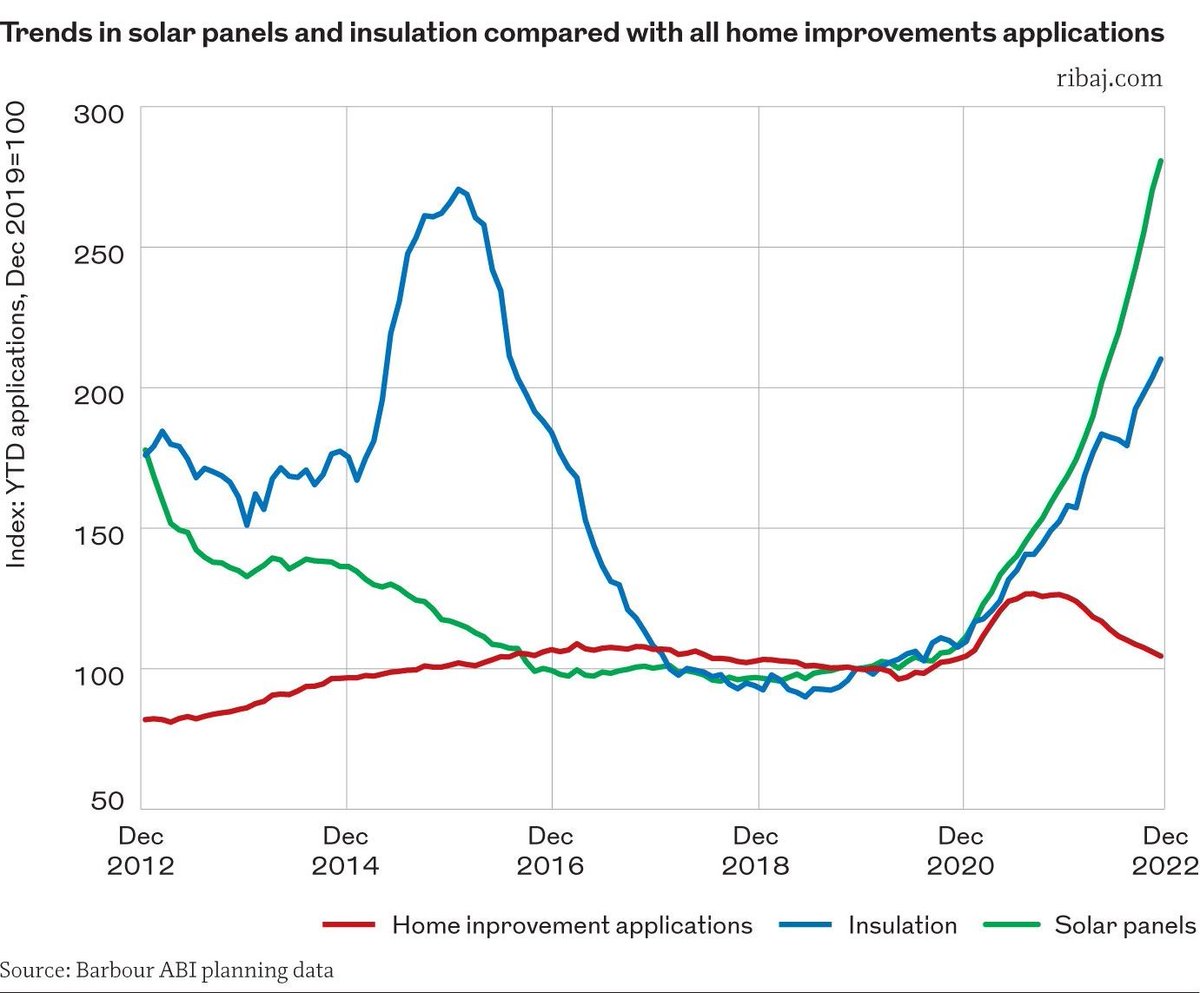
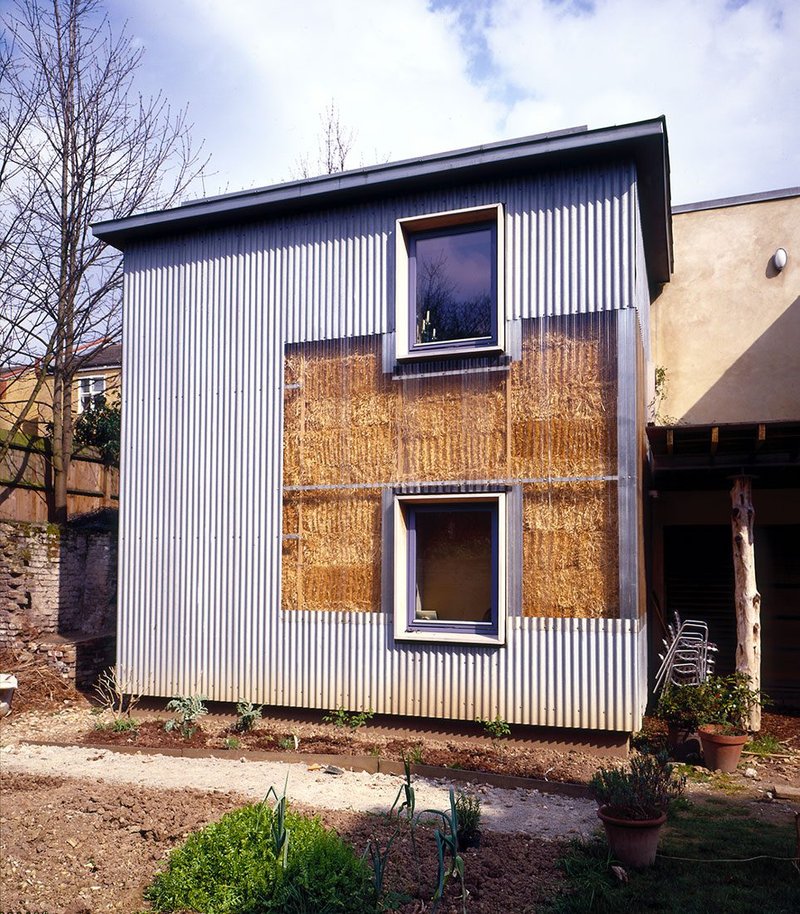
A fragile UK economy has traditionally spelt particularly bad news for the construction industry but, wonders @brickonomics, could the need for a complete overhaul of the built environment offer hope for architects ow.ly/qcXf50Q6Rv1 #ribajintelligence
RIBAJ tweet media
English
0
1
5
1.3K
brickonomics
brickonomics@brickonomics·
@TorstenBell @resfoundation Sorry, not clear. How much is not going to university, how much is not going home after but to places where graduates get better jobs or prefer to live? Even when I went to university decades ago the pull on graduates to London or major cities was huge
English
0
0
0
124
Torsten Bell
Torsten Bell@TorstenBell·
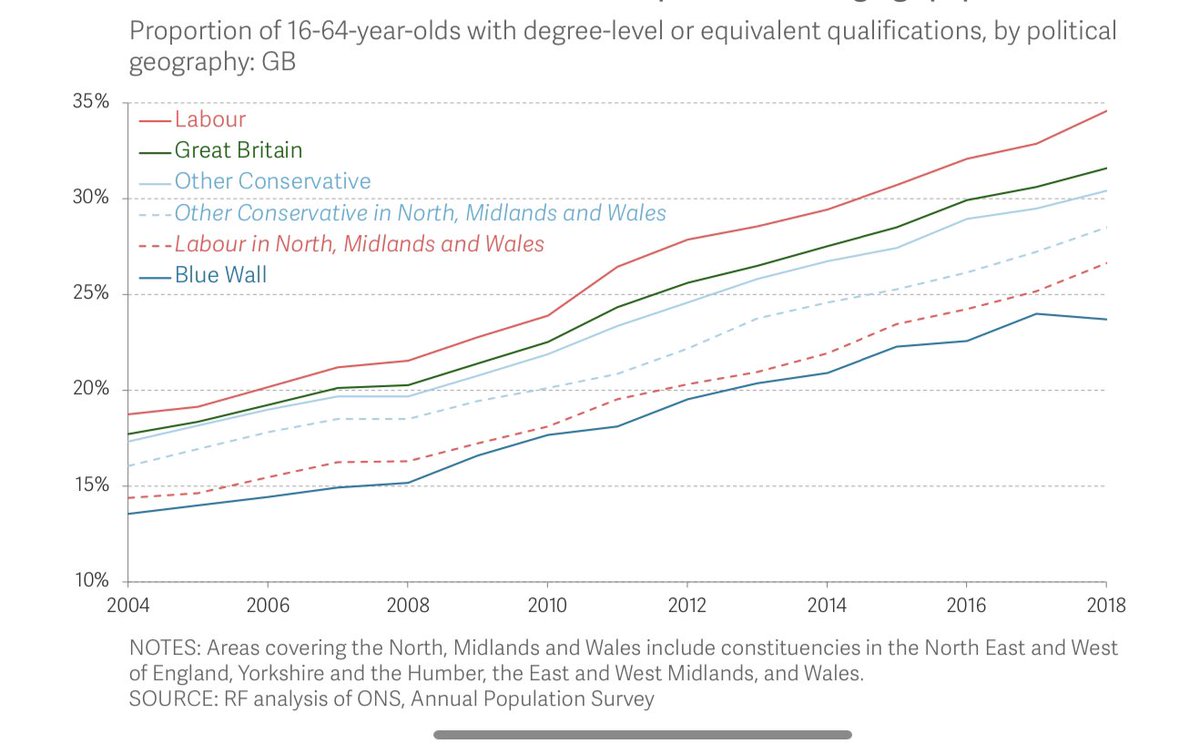
100% agree. One of the defining features of “red/blue wall” is too few people going to university - these seats not only have far fewer graduates but saw a well below average increase this century ie no catch-up
Torsten Bell tweet media
Richard Jones@RichardALJones

Not surprising that "Red Wall" voters don't think too many young people go to university - in those constituencies not enough do; HE participation rates are too low. E.g. across much of Oldham, Bury, Rochdale participation rates are below 20%. officeforstudents.org.uk/data-and-analy…

English
6
33
65
37.3K
brickonomics
brickonomics@brickonomics·
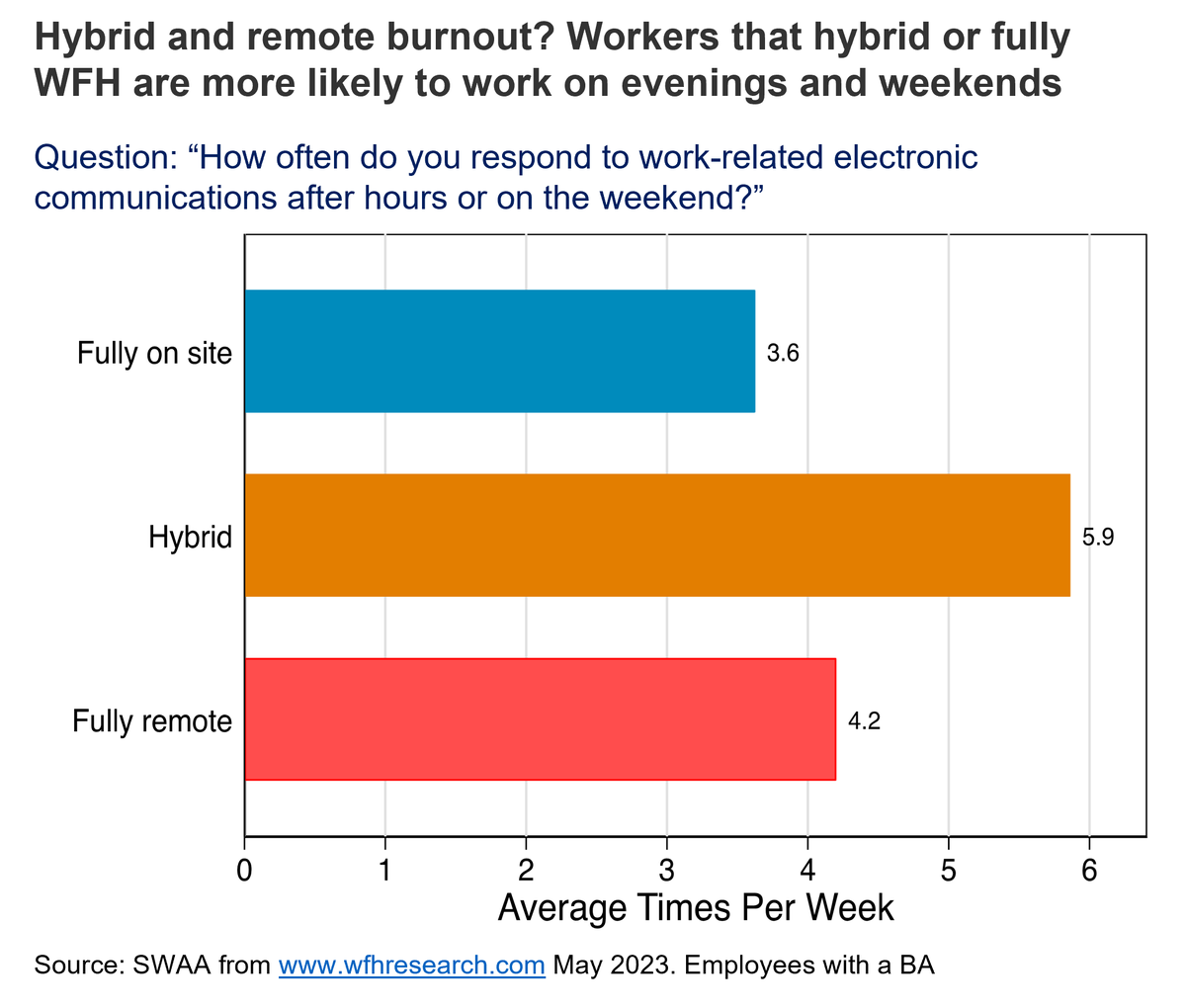
@I_Am_NickBloom Interesting. Thought. Is it possible to adjust for selection effects. Say, those in jobs where out-of-hours engagement is expected being more likely to be hybrid working? E.g. those provided with some flexibility to account for the type of work but not total flexibility?
English
0
0
0
228
Nick Bloom
Nick Bloom@I_Am_NickBloom·
Hybrid workers - those with a mix of WFH and in person each week - have the most porous work-home boundaries. Each week they responded to almost 6 calls, messages and emails in evenings and weekends. Maybe one downside of WFH is the blurring of work/non-work boundaries?
Nick Bloom tweet media
English
13
33
95
41.8K
brickonomics retweetledi
Torsten Bell
Torsten Bell@TorstenBell·
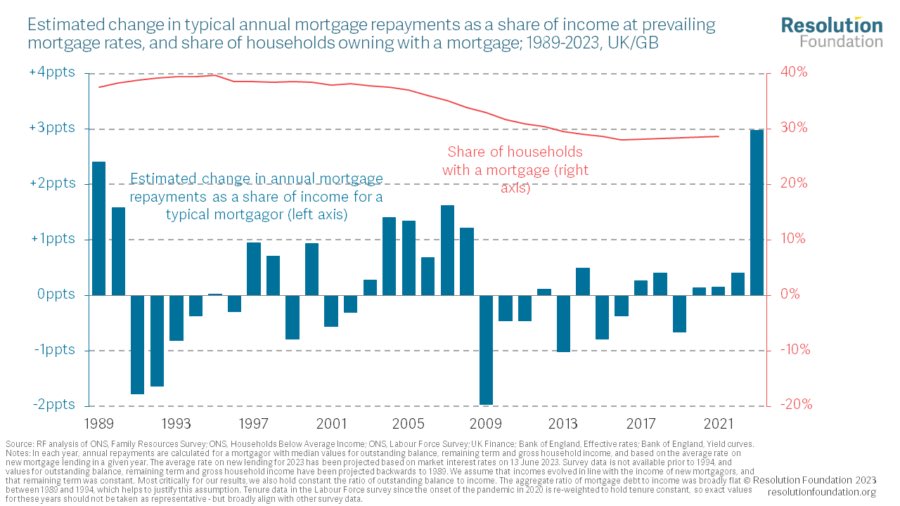
The pain from the coming mortgage crunch is bigger than that of the late 80s - but the pain is more concentrated onto 30% of families (because older people are more likely to own outright and younger people less likely to own at all) resolutionfoundation.org/comment/crapgp…
Torsten Bell tweet media
English
45
339
728
325.3K
brickonomics retweetledi
RIBAJ
RIBAJ@RIBAJ·
What boroughs have the most architects, and how does this compare with other professions? @brickonomics examines the latest census data to find out what it tells us about the architecture profession #ribajintelligence ow.ly/RZVa50ONeBv
RIBAJ tweet media
English
0
1
2
1.8K
brickonomics retweetledi
Noble Francis
Noble Francis@NobleFrancis·
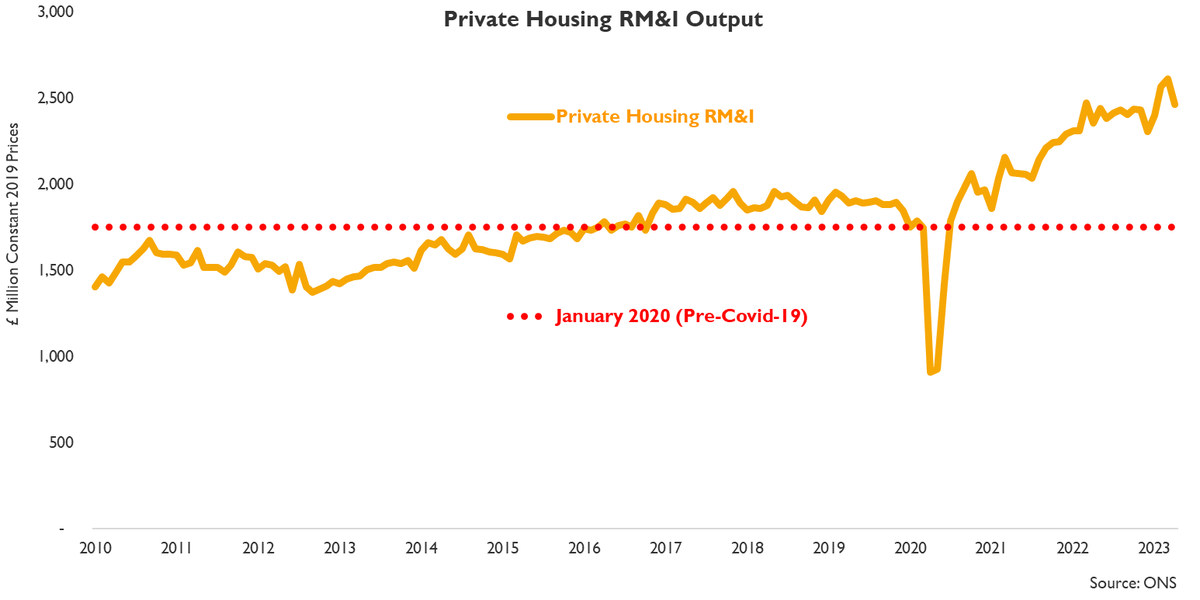
Private housing repair, maintenance & improvement (rm&i) is now the 2nd largest construction sector according to the ONS (although the ONS data appear to have deflator issues, so the ONS appears to be overestimating volume of activity in the sector). #ukconstruction #construction
Noble Francis tweet media
English
2
1
0
347
brickonomics retweetledi
Noble Francis
Noble Francis@NobleFrancis·
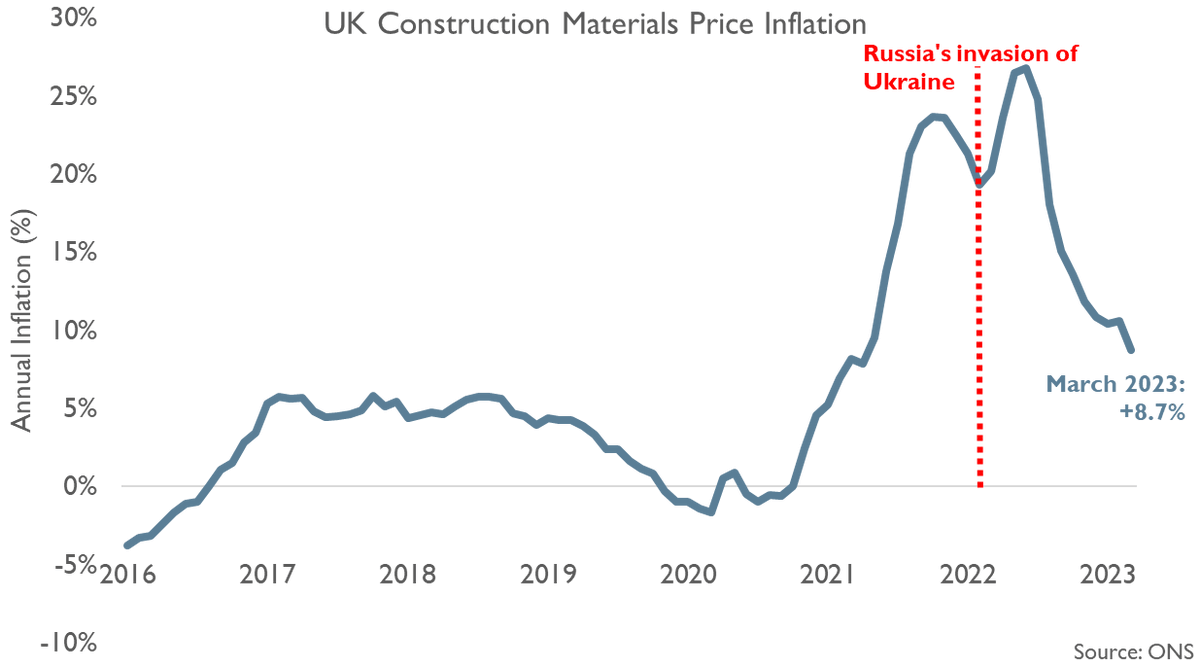
UK construction materials prices in March 2023 were 8.7% higher than a year ago according to the Office for National Statistics (ONS), which is lower than the 10.6% materials price inflation in February &... (1/n) #ukconstruction #construction #materials #inflation
Noble Francis tweet media
English
2
8
13
2.8K
brickonomics retweetledi
CIOB
CIOB@theCIOB·
Quarter of a million people are needed in construction by 2027 but public perceptions mean too many overlook it as a career. Our Real Face of Construction report reveals that economic growth is under threat unless worker shortages are addressed. orlo.uk/2o8kA #ciob
CIOB tweet media
English
0
2
1
1.6K
brickonomics retweetledi
RIBAJ
RIBAJ@RIBAJ·
The rise in home-working has raised fears that office buildings will become “stranded assets”, becoming a liability for the investor. But architects’ skills at adaptive reuse could save the day, writes @brickonomics #ribajintelligence ribaj.com/intelligence/m…
RIBAJ tweet media
English
0
3
2
1.3K
brickonomics
brickonomics@brickonomics·
@PricedOutUK What you link to does not appear to be a Guardian article but a letter to the Guardian complaining about a Guardian article. Have I missed something?
English
0
0
1
0
PricedOut
PricedOut@PricedOutUK·
Another day, another odiously middle-class Guardian article filled with NIMBY talking points designed to protect the wealthiest in this country. We need to build at least 300,000 homes a year focused in the least affordable areas to bring down prices. theguardian.com/society/2022/d…
English
11
25
118
0
brickonomics retweetledi
Noble Francis
Noble Francis@NobleFrancis·
308 construction firms became insolvent in the UK in September 2022, which is 8.9% lower than in August but 6.9% higher than a year ago according to the Department for Business, Energy and Industrial Strategy (BEIS). (1/n) #ukconstruction #construction
Noble Francis tweet media
English
2
14
7
0
brickonomics retweetledi
Institute for Fiscal Studies
NEW: While rates of poor health in the population are increasing, our research shows this is not the key driver of increase rates of older people leaving work for economic inactivity. Read @JCribbEcon and Bee Boileau's briefing> ifs.org.uk/articles/worse…
English
6
19
47
0
brickonomics
brickonomics@brickonomics·
@ChrisGiles_ @ONS What interests me more is why the share of 65+ is not bigger given a rising state pension age and the current 65 yo group representing about 3/4 m people (boomers). I sort of accept a bit of bouncing in the data q/q given the challenges with LFS during a disruptive period
English
0
0
0
0
Chris Giles
Chris Giles@ChrisGiles_·
The most extraordinary thing in today's UK labour market data Working oldies Quarterly change in employmeny 16-64 yr olds: -14,000 Aged 65+ : +173,000 Either this is cost of living crisis biting hard - or rubbish data - What do you reckon @ONS?
English
71
99
340
0
brickonomics
brickonomics@brickonomics·
Naturally, I am rather hoping I am wrong in my interpretation
English
0
0
0
0
brickonomics
brickonomics@brickonomics·
Just comparing latest ONS real earnings data with BoE's A millennium of macroeconomic data. Charting 10 yr growth data, the sustained period of suppressed real earnings since 2008 looks like the worst for at least two centuries, maybe longer. We're in very odd and worrying times.
English
1
0
0
0