
Brofrog21, Proud Proletarian retweetledi
Brofrog21, Proud Proletarian
76.5K posts

Brofrog21, Proud Proletarian
@brofrog21
slug life (no DMs please)
Katılım Mart 2020
1.2K Takip Edilen777 Takipçiler

Brofrog21, Proud Proletarian retweetledi

Sounds like Israel is getting ready to bomb some churches.
Israel Foreign Ministry@IsraelMFA
Hezbollah is turning churches in Lebanon into terror strongholds and putting Christian civilians in harm's way. Using places of worship to store weapons and launch attacks is a violation of international law.
English
Brofrog21, Proud Proletarian retweetledi
A group of 44 men in Miryang repeatedly assaulted, raped, and robbed a middle‑school girl over the course of one year. None of them received any criminal punishment, and no criminal records were left behind.
However, the police recently filed charges against the victim, accusing her of publicly disclosing the perpetrators’ personal information.
naver.me/xrzC8ZhB
SK misogyny🇰🇷@zip99900
Not a single perpetrator of the Miryang mass rape case was legally punished. However, the victims were recently booked by the police on defamation charges. Below is a description of the Miryang group rape. 44 male high school students gang-raped a 13-year-old girl. In January 2004, they assaulted her with an iron pipe, causing her to lose consciousness, and then collectively raped her. They recorded the act with a camcorder and used the footage to threaten her, subjecting her to repeated gang rapes for about a year. The police handling the case also made inappropriate remarks toward the victim, saying, “My hometown is Miryang. How dare you, someone who isn’t even from Miryang, cause such a commotion here?” They also asked, “Didn’t you seduce the boys first?” and stated, “The perpetrators are the future leaders of my Miryang.” Furthermore, the police exposed the victim’s identity. Ultimately, none of the 44 perpetrators faced legal consequences.
English
Brofrog21, Proud Proletarian retweetledi
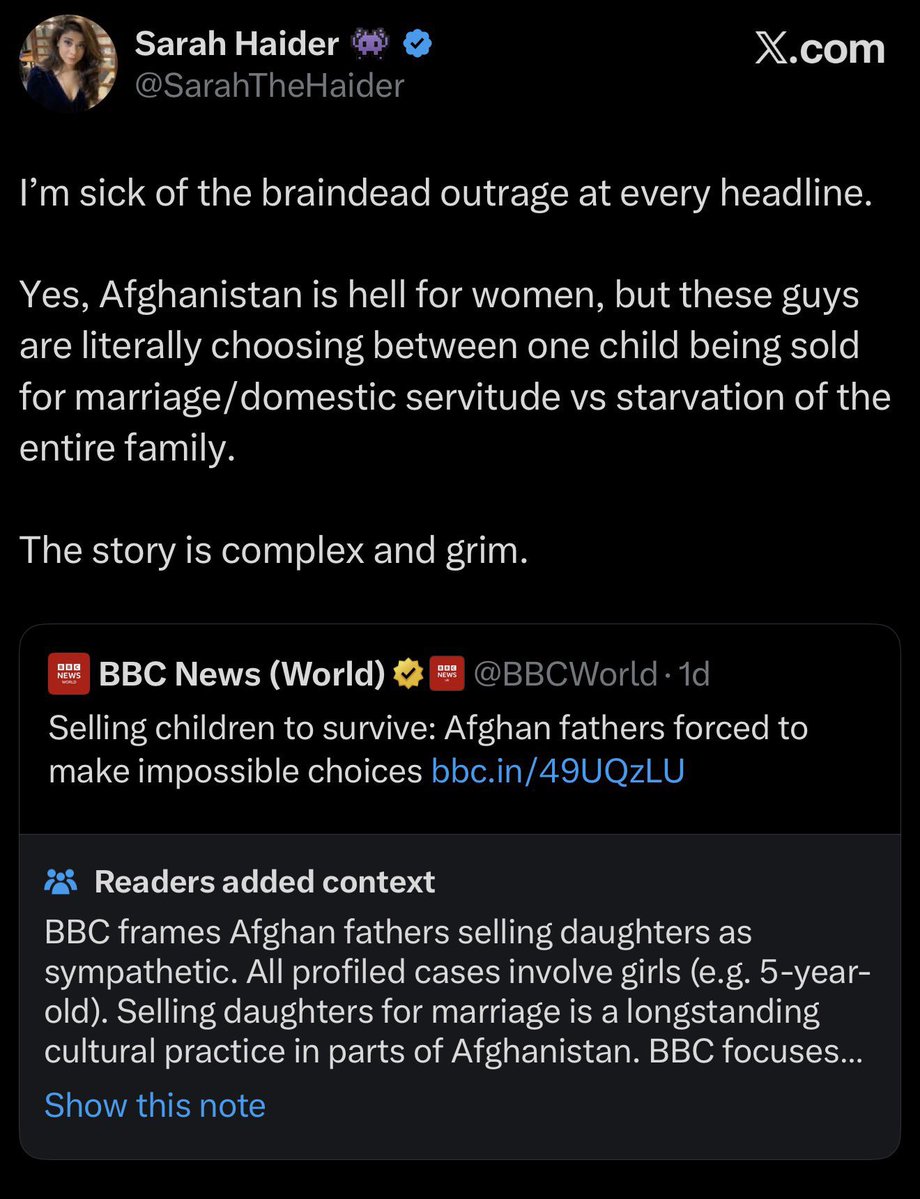
I have a friend with PTSD because he witnessed an Afghan man sell his daughter for a motorbike. The outrage is justified.
He had to watch the prick ride around on that bike for the rest of his tour.
English
Brofrog21, Proud Proletarian retweetledi

Absolute outrage. Heroic Australian activist Zack Schofield completely dismantles his government for blindly supporting Zionist regime.
He demands Canberra immediately cut all ties with Israel, exposing how they supply weapons to a state that systematically rapes Palestinians.
English
Hmmm they put Trump into power
Kevin Shipp@Kevin_Shipp
Get ready people. A third Independent party is unfolding. Time is up for the grotesque corruption of the GOP and DNC.
English
Brofrog21, Proud Proletarian retweetledi

Hijab is a symbol of oppression, not pride. #OppressionOfWomen 🚺
MuslimMatters@MuslimsMatters
Hijab is a symbol of pride, not oppression.
English
Brofrog21, Proud Proletarian retweetledi

In the US you get arrested if you post on social media about undrinkable water.
More Perfect Union@MorePerfectUS
A woman in Texas was arrested after she made a Facebook post sounding the alarm about the water quality in her town. The water in Trinidad, Texas, sometimes runs brown, but when Jennifer Combs posted about it, the cops came and took her to jail. Video via @FOX4
English
Brofrog21, Proud Proletarian retweetledi

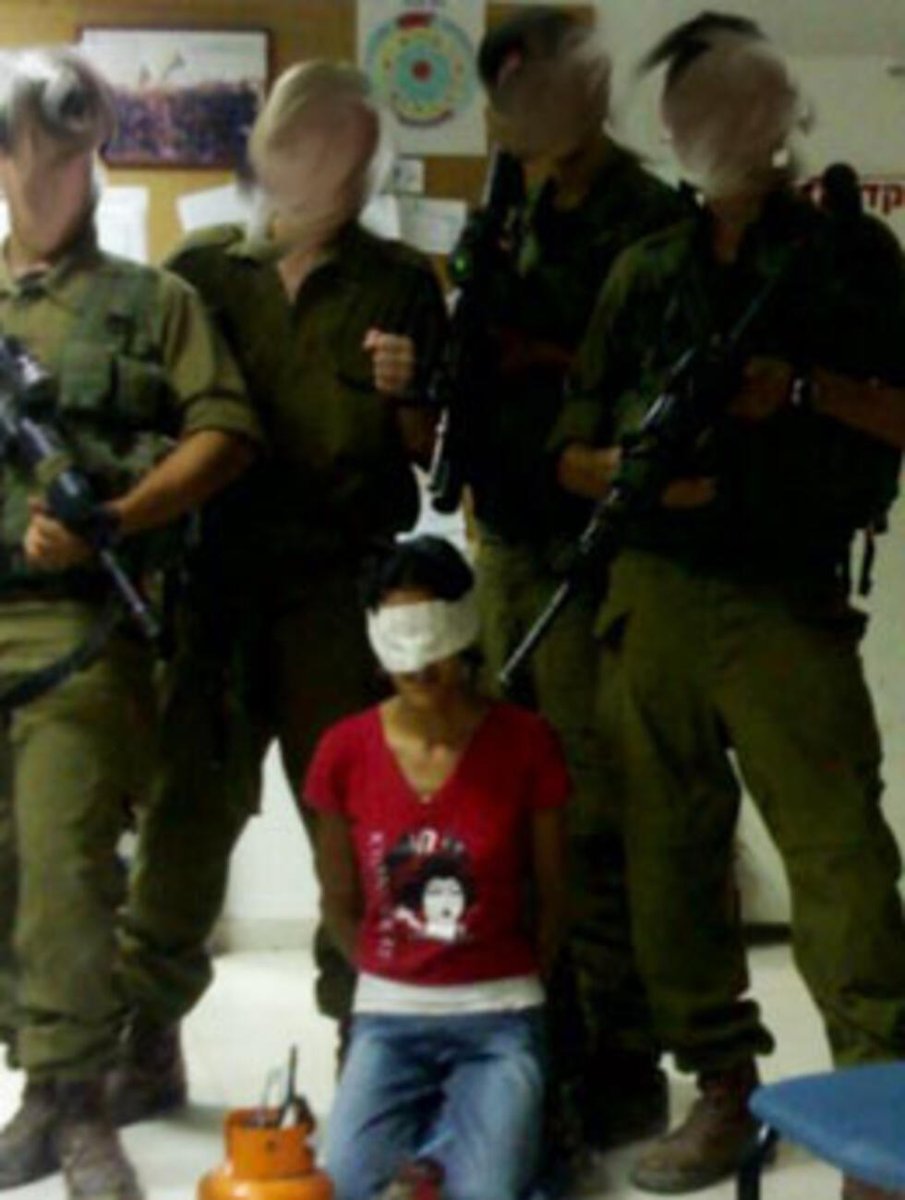
Folks, this story, these images, they are from 2010. This is not a Ben Gvir problem, it is an Israel problem.
theguardian.com/world/gallery/…
English
Brofrog21, Proud Proletarian retweetledi

He’s going to be dangerous and a wild card. I ❤️ this for him AND US.
English
#Matriarchy NOW
arini.。*♡🦪@san_nationalG
взрослый мужик с целыми руками и ногами заливается слезами рассказывает как ему было тяжело продавать своих семилетних дочерей другим педофилам чтобы прокормить их лучше бы он своё очко продал но нет же ведь быть жертвой изнасилования это женская доля давайте его пожалеем
#Matriarchy #UBI NOW
Right over Left Everytime@RightSide_Uk
This is the UK in 2026 – where a woman with genuine, NHS-documented facial injuries gets arrested by the Metropolitan Police for the “crime” of reporting them. Sophie Mojsiejenko had visible, horrific bruising and swelling around her eye and face. She did the responsible thing: she reported the assault and even had a CT scan from the NHS that officially logged the injuries as real. Yet instead of investigating her attacker, officers broke down her door, stormed in, and seized her makeup – claiming she had somehow “painted on” the injuries herself to fake the whole thing. They arrested her. For reporting being hurt. This is obscene. A woman with medical proof of assault is treated like a criminal while the actual perpetrator walks free. The Met Police didn’t just get it wrong – they went full Gestapo mode: forced entry, property seizure, and an arrest designed to intimidate and silence. All because she dared to complain about a serious incident. How does this happen in Britain? When did our police stop protecting victims and start persecuting them? When did a CT scan from the NHS become less credible than officers playing amateur makeup detective? This isn’t policing – it’s abuse of power, plain and simple. It destroys public trust, terrifies ordinary people out of reporting crimes, and reeks of a two-tier system that protects the wrong people while punishing the innocent. Sophie’s story exposes a rotten culture inside the Met. If they can do this to a woman with hospital evidence, what are they doing to everyone else? Enough is enough. We need answers, accountability, and a complete overhaul before more victims are turned into suspects for simply telling the truth. The British public deserves better than this. 🇬🇧
Yes, staged and directed by DJT
Acyn@Acyn
Rep. Norman: January 6th was an issue that was made up in the first place. Reporter: Made up? Norman: That was a staged thing from day one. Reporter: The riot was staged? Your Republican colleagues barricaded themselves in their chamber. You think they were acting?
English
Hateful disgusting dehumanising- matriarchy NOW PLEASE
Jahanzib Wesa@jahanzibwesa
Girls are forced into early marriage and pregnancy, often with older partners, causing serious health risks. Afghanistan records 521 maternal deaths per 100,000 live births, and pregnancy-related causes account for 32% of deaths among girls aged 15–19: independent.co.uk/world/child-ma…
English
Brofrog21, Proud Proletarian retweetledi
The IOF raped international activists they kidnapped from the Sumud Flotilla boats in international waters.
Not one. Not two. Not three.
Out of the 428 activists returning from captivity today, many incidents of sexual violence and rape have been reported.
English
Matriarchy NOW
The Mercian@TheMercianNews
🚨NEW: Three teenage boys who filmed themselves raping two teenage girls in separate attacks in Fordingbridge have all been spared jail by judge Nicholas Rowland. They then sent the video around to multiple people. Judge Nicholas said the boys were "very young, had low intelligence and had a limited understanding of consent." One of the victims told the court "All I want to do is die, I no longer have fear for when that comes." She described how she felt “numb” and was shaking while the boys were “laughing and recording what happened” over the 90-minute ordeal. Videos of the incident were later sent around and other people made jokes about the girl and she received messages calling her a "s**g." thesun.co.uk/news/39172359/…
English