
bundol retweetledi
bundol
104.8K posts

bundol retweetledi

ドイツ在住者の指摘
●ドイツに暮らす38,000人の日本人による暴力犯罪は1年間で2件
●ドイツに暮らす25,000人のアルジェリア人による暴力犯罪は1年間で1,729件
これ、本当ですか?
ドイツでお世話になっていながら年間2件も暴力犯罪を起こすとは…。
日本人として申し訳なく思います。
Benedikt Brechtken@ben_brechtken
Circa 38.000 Japaner leben in Deutschland. In einem Jahr haben sie zwei Gewaltverbrechen verursacht. 25.000 Algerier haben in dem gleichen Jahr 1.729 Gewaltstraftaten begangen. 13.000 weniger Menschen, 1.727 mehr Gewalttaten. Nicht alle Kulturen sind gleichwertig.
日本語
bundol retweetledi

【帰化取消が戦後一度も実施されていない日本は異常である】
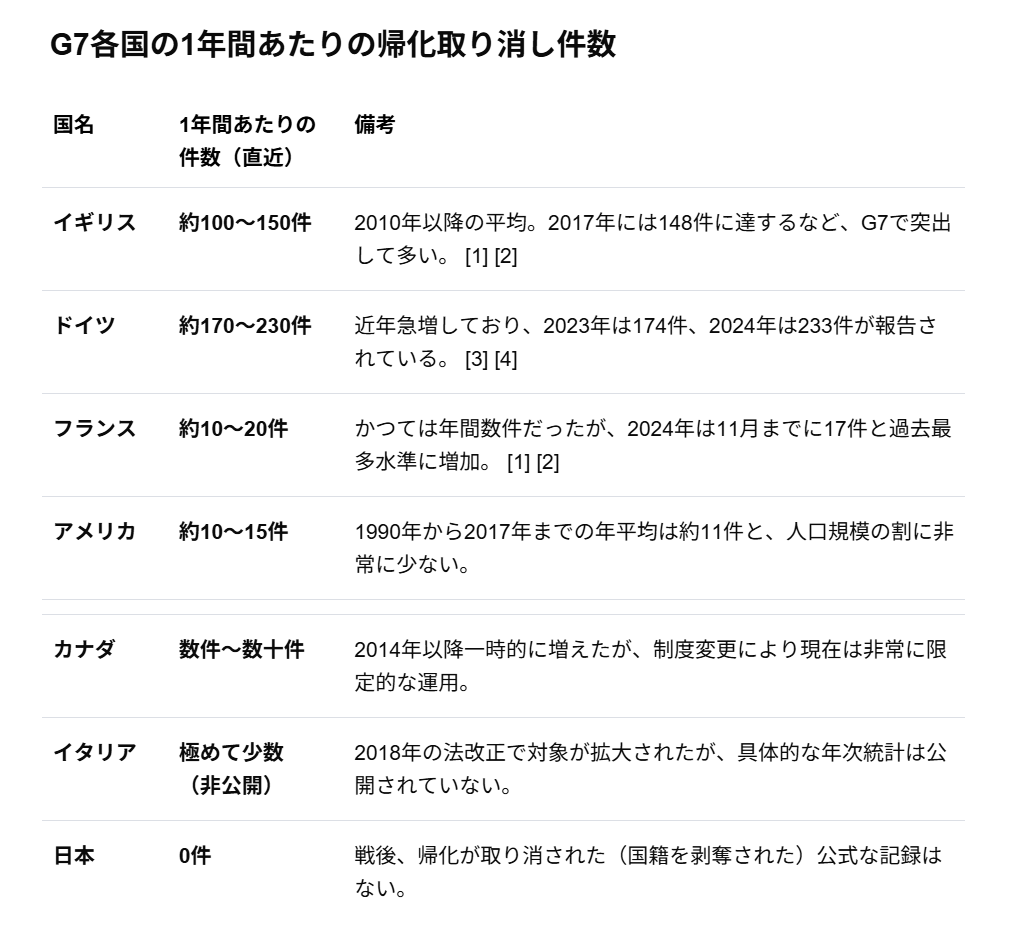
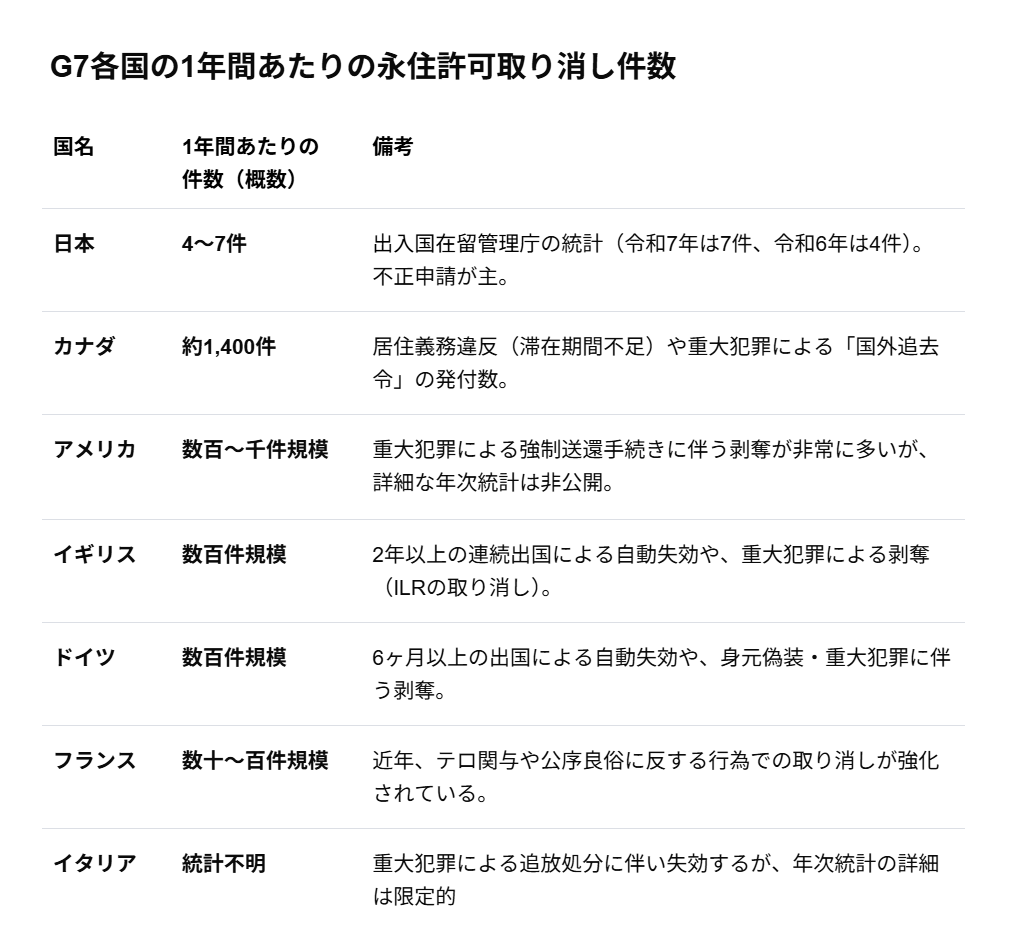
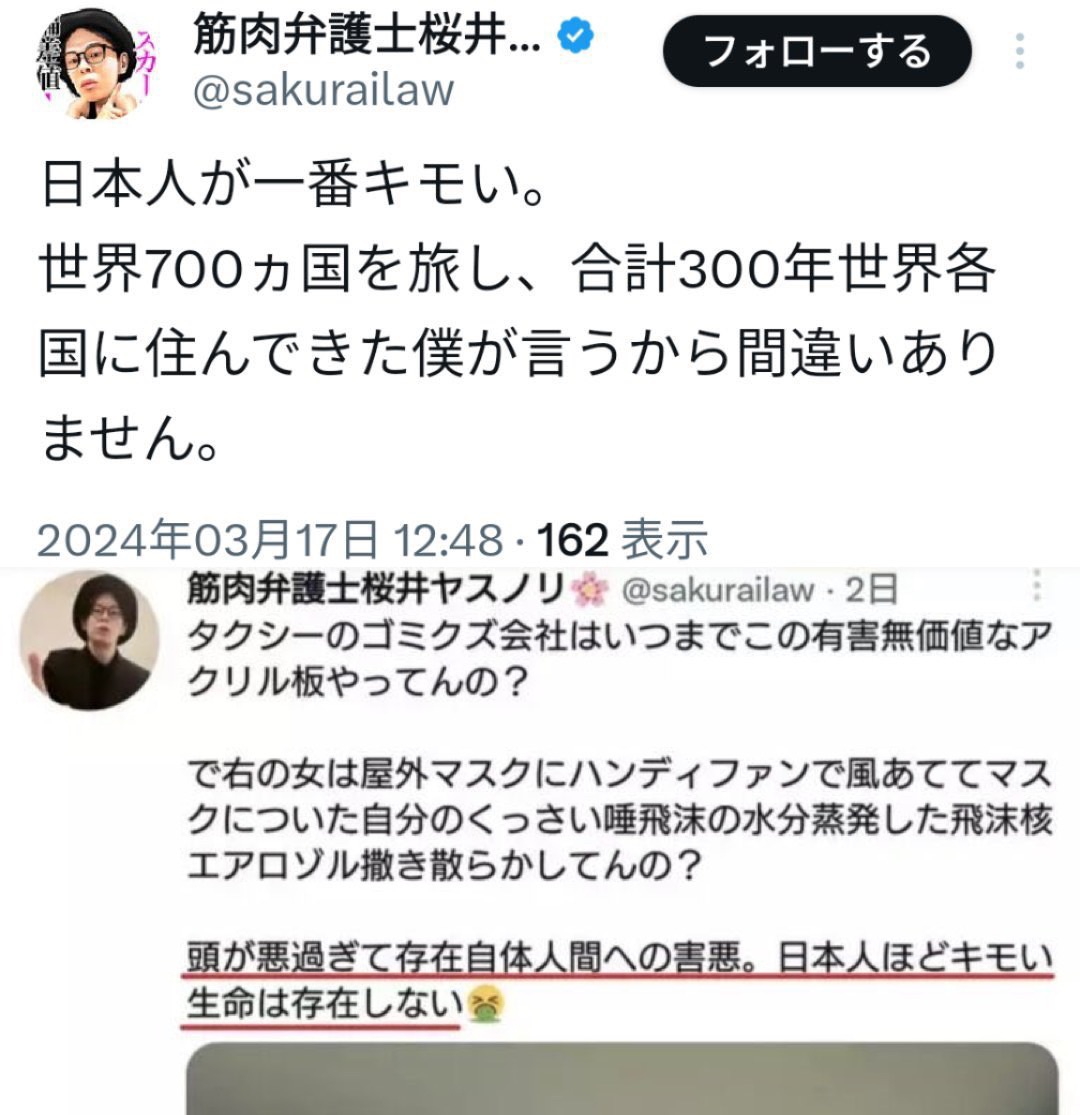
日本の現行法では帰化を認めた後でその人物が反日的思想を持ち、帰化にふさわしくない人物であると判明しても帰化を取り消すための明文化された法律が存在しない。世界中のほとんどの国では帰化の取り消しは明文化された法律があり、実際に帰化の取り消しは当たり前のこととして行われている。それは人権派弁護士の福島瑞穂や辻元清美のルーツの韓国でも同じである。最初の画像を見てわかるとおり、英独は日本より人口がはるかに少ないにも関わらず毎年の帰化取消は百人以上となっている。特に英国は帰化取消によって無国籍になる移民に対しても帰化の取り消しを断行している。韓国も英国と同じくたとえその者が無国籍になろうとも帰化の取り消しを断行している。対する日本は1950年に現行の帰化制度の導入されてから76年間でただの一人も帰化の取り消しをしていない。これはあまりに異常と言わざるを得ない。次の画像では年間の永住許可の取り消し状況を表しているが、カナダは日本の3分の1の人口で1400人、日本の人口に換算すると5200人もの永住許可を取り消している。対する日本は年間4から7件と、これも異常に少ない。日本では一度帰化や永住が認められれば何をしようが帰化の取り消しや国外追放になる心配がない。移民にとって日本は天国と言っていい。だからフィフィや筋肉弁護士のような反日意識むき出しの帰化人がでかい顔をしていられるのだ。このことを踏まえ、帰化取消について考察する。
① 二重国籍の容認
日本の現行法では二重国籍を認めていないが、法務省は二重国籍については自己申告させるのみで確認を怠っている。日本には十万人以上の二重国籍者がいると推定されている。実際問題、蓮舫や小野田紀美などは二重国籍だったにも関わらず国会議員にまでなっている。豪州では憲法第44条で「外国の国籍を持つ者は連邦議員になれない」と厳格に定めており、二重国籍が発覚した議員が辞職に追い込まれている。よって日本も二重国籍を認めたうえで外国籍を持つ者の政治参加を禁止するべきである。
② 帰化時に国家への忠誠を宣誓させる
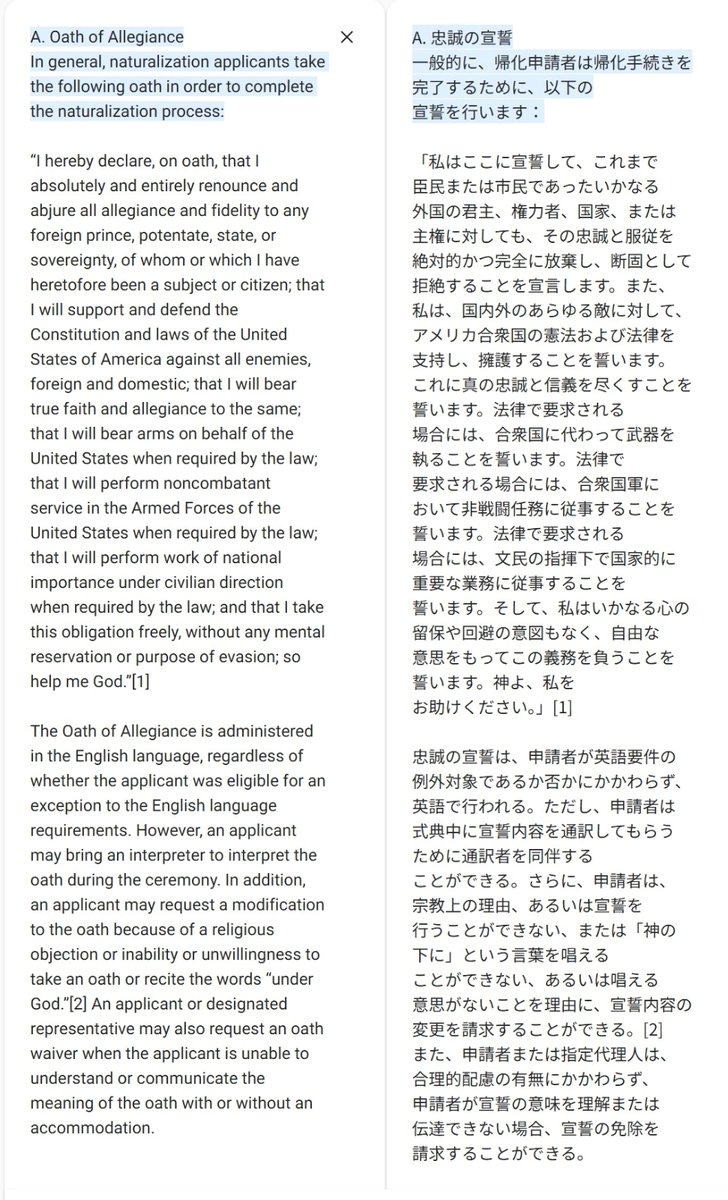
3番目の画像は米国の帰化宣誓書の文言であり、武器を取り戦闘任務に就くことまでも誓わせている。一方日本での帰化申請時の宣誓書は 「私は,日本国憲法及び法令を守り, 定められた義務を履行し, 善良な国民となることを誓います。」 とあまりにも素っ気ないもので、国家への忠誠を宣誓するものとなっていない。これを米国並みに国家への忠誠を誓わせるものと変更するべきである。
③ 帰化審査会の設置
検察審査会に倣い、くじで選ばれた11人の国民が、帰化者の「反日的発言及び行動等」が帰化者として容認できるか否かを審査する機関を設ける。一般国民の良識を帰化事務に反映させる。問題があるとの審査結果が出た場合は座学での日本国民としての在り方を学習させ、反省文を書かせる。そのうえで、オレンジのベストを着せて公園の清掃などの社会奉仕活動に従事させる。それに従わない者については帰化を取り消す。
このように帰化の取り消しを諸外国並みに行うことにより、帰化者の反日言動、反日活動を抑制する効果が生じるものである。
じゅんたまのすけ@Zq3nhl467327
この話の中で一番腹が立つのは→ ・外国人の力がないと出来ないの日本は ・バカな日本人が "日本に礼拝所を作った、わぁイスラムが"~と言い ・差別をあおってる。 私たち日本人は帰化人についても問題提起していかないとですね。
日本語
bundol retweetledi

bundol retweetledi


bundol retweetledi
bundol retweetledi

bundol retweetledi


bundol retweetledi

ケンカを売る相手を間違えた妨害ビジネス屋(しばき隊)のおっさん、完全撤退
※ 村田春樹氏:外国人参政権に反対する市民の会会長 他
日本語
bundol retweetledi
bundol retweetledi

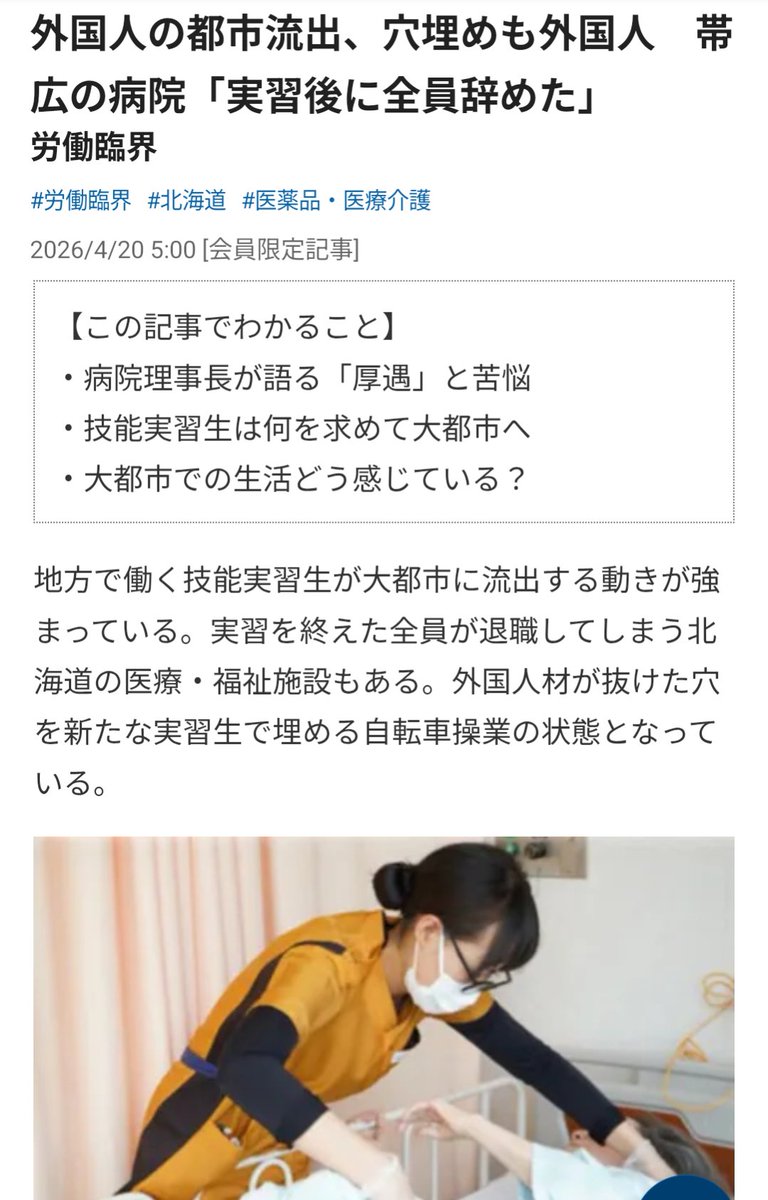
知ってた?🤔
北海道帯広の理事長が
外国人実習生にここまでやった結果…
全員、辞めました😢
━━━━━━━━━━━━━━━
理事長・細川吉博さんの3年間👇
✈️ ミャンマーとベトナムへ飛ぶ
👥 一人ずつ面接して採用
🏠 家電付き個室寮を用意
🗣️ スタッフ総出で日本語指導
🍖 季節ごとにバーベキュー企画
🎍 餅つき大会で交流の場づくり
🤝 他院の実習生との交流会も開催
📋 介護福祉士資格→正職員のキャリアプランまで提示
かけた費用、1人200万円×17人。
━━━━━━━━━━━━━━━
「みんなここに定住して働いてくれるものと思っていた。ショックだ」
肩を落とす、理事長。
日本語もろくに話せなかった17人が
利用者と会話できるレベルまで成長した。
その瞬間、彼らは言いました。
仲間のいる都会に行きたい
もっと給料が高い場所で働きたい
と。
3年間の恩義は、ゼロでした🫠
━━━━━━━━━━━━━━━
17人の行き先👇
🗼 東京の施設へ
🍜 都心の外食業へ
🏭 愛知の食品工場へ
北海道に、一人も残らなかった。
━━━━━━━━━━━━━━━
「どうしても外国人材に来てもらうしかない😢」
理事長は、また新たに12人の受け入れを決めました。
育て→逃げられ→また受け入れ
育て→逃げられ→また受け入れ
これ、自転車操業です🚲
日本人の善意が、
踏み台にされ続けている。
日本語
bundol retweetledi

中国人が日本には存在しない謎の伝統舞踊を勝手に作って『これが日本の伝統舞踊です』と、何も知らない中国人観光客に見せて金を取ってる。
チベットで今行われていることを、日本に置き換えてわかりやすく例えると、つまりはこういう事なんよ。
( ˘•ω• )
Archaeo - Histories@archeohistories
Tibetan Butter Churning Dance, a traditional folk performance that honors the daily, labor-intensive process of making yak butter, a crucial element of Tibetan life. Originating from daily household chores, the dance mimics rhythmic churning motions, symbolizing prosperity, unity, and communal joy, often performed during festivities like Losar... The dance stems from the traditional method of making yak butter using a long wooden churn, a task requiring thousands of strokes. Yak butter is not only food but also used for fuel and in butter lamps at monasteries to symbolize wisdom. Dancers in colorful attire, often in a circle, use choreographed, energetic movements to simulate the pushing and pulling of the plunger in a butter churn. It is widely performed during the Tibetan New Year (Losar) and other celebrations, representing gratitude and the preservation of culture. It represents the blending of daily survival with art, focusing on community spirit and harmony. Yak butter is essential for making traditional Tibetan Butter Tea, made from tea leaves, yak butter, water, tsampa (roasted barley flour) and salt. The history of tea in Tibet dates back to 7th Century CE, during Tang dynasty. However, butter tea did not become popular in Tibet until about 13th Century, time of the Phagmodrupa dynasty. According to legend, a Chinese princess married a king of Tibet which later helped establish trade routes between China and Tibet. These trade routes brought tea into Tibet from China. Later, butter was added to the tea that was brought from China as butter is and was a staple in Tibetan cuisine. By the 8th Century, it was common to drink tea in Tibet. In 13th Century, tea was then used in Tibetan religious ceremonies. Today, butter tea is still prevalent in Tibet, and Tibetans can drink up to 60 small cups of the tea every day. Today, this ceremonial dance based off of Tibetan tea culture. It also may speak to the lesser known Butter Tea Ceremony. While the ceremony is rarely practiced anymore it still takes place in a handful of monasteries, including one in Gomar Gompa in eastern Amdo (“Butter Tea Ceremony”). While the ceremony is not widely spread, it is still an important ritual for some Tibetans. During the ceremony, Tibetans gather in the courtyard while the tea is being prepared. Local boys often stand on the edge of roofs surrounding the courtyard and throw down bags of candy and treats, although this is not necessarily part of the ritual. Once the tea is ready, wooden buckets of butter tea are carried into the courtyard by back, each bucket holding nearly 30 liters of tea. Once the buckets are placed on the ground, individuals use ladles to distribute the butter tea to members of the community. This particular dance is so interesting because it seamlessly integrates these three practices in a modern context. The act of dancing is in itself a ritualized and sacred practice. Thus, creating a dance based on the preparation and uses of Butter Tea—a quintessential element of Tibetan culture—only further heightens the significance of tea customs by ritualizing the practice by means of dance. Drinking butter tea is a regular part of Tibetan life. Before work, a Tibetan will typically enjoy several bowlfuls of this beverage, and it is always served to guests.[citation needed] Since butter is the main ingredient, butter tea provides plenty of caloric energy and is particularly suited to high altitudes. The butter may also help prevent chapped lips. According to the Tibetan custom, butter tea is drunk in separate sips, and after each sip, the host refills the bowl to the brim. Thus, the guest never drains his bowl; it is constantly topped up. If the visitor does not wish to drink, the best thing to do is leave the tea untouched until the time comes to leave and then drain the bowl. In this way, etiquette is observed and the host will not be offended. © Discover Tibet #archaeohistories
日本語
bundol retweetledi


bundol retweetledi
bundol retweetledi

bundol retweetledi


bundol retweetledi
【警告】やっぱり出た。資材不足を理由に、しれっとやばい建材使い出す住宅会社が。
屋根の下葺材(ルーフィング)の不足を理由に、絶対採用NGの「ルーフィング940」を使う業者が増えている。
940は10年で機能を失う雨漏りリスク超高のルーフィング。絶対ダメ。劣化建材で焦って建てないように!!
日本語
bundol retweetledi