DThang ∞ KIN

20.8K posts

DThang ∞ KIN banner
DThang ∞ KIN

DThang ∞ KIN

@bvd_thang

Web3, NFT, Gamer Team, CM at @CakoinNFT Content Creator @Kindred_AI Content Creator Pandora DM For Collabs | Discord: bvdthang TG: bvdthang

Vietnamese Katılım Kasım 2009
1.4K Takip Edilen1K Takipçiler
Sabitlenmiş Tweet
DThang ∞ KIN
DThang ∞ KIN@bvd_thang·
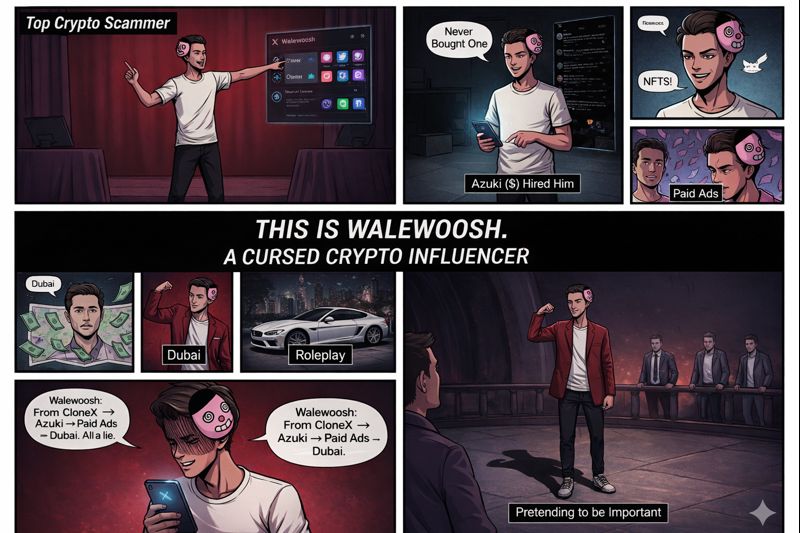
[@waleswoosh is a textbook case of crypto roleplay.] “CloneX”, “hired by Azuki”, NFT thought leader, yet never bought an NFT. Fame came from talking, Elon replies, and paid ads. A bit of money later: move to Dubai, luxury pics, power poses, “important guy” aura. No product. Just image, narrative, and marketing. Crypto doesn’t lack builders. It lacks people who can tell signal from cosplay
DThang ∞ KIN tweet media
ZachXBT@zachxbt

Want to explain to the community why your team bridged $45K from the Trove Angel Round raise on Jan 11 and deposited it directly into a casino deposit address? Source address 7nRNzRX2WQ3WxV3eV6gDeJeWTApqefuXNXQRZ1xEh1eh Destination address 0x48f2b1f3bb7d6034527642b5eec27d26dcc3e62d

English
32
0
32
277
Lina 🦅
Lina 🦅@XNXX_EN·
Do you prefer the current version of infofi or something a little more fresh? I’ve been thinking about this a lot lately. Back then, when you joined infofi, everything was based on the actual content you put out. Your threads, your insights, the consistency of your ideas. It felt like the playing field was more about information and perspective. If your takes were sharp and your timing was right, you had a real shot. Now it feels different. Infofi has evolved into a submission-based format. On paper, that sounds structured and fair. But in reality, if your post doesn’t hit at least 500 comments, 600 likes, and 50 retweets, you’re basically out of the race. And I’m not even being dramatic. Without that level of engagement, you simply cannot win. It’s less about how strong your insight is and more about how loud your reach can be. I’m not saying engagement is bad. Of course numbers matter. This is social media. But when the bar is set that high, it quietly filters out talented writers who might not have huge followings yet. You could spend hours crafting something thoughtful, only to realize the real requirement wasn’t quality, it was distribution. And that changes the game completely. So if you don’t already have strong engagement metrics, maybe it’s worth asking yourself whether submitting to these platforms makes sense right now. Because statistically, without those numbers, your chances are almost zero. What do you think though. Are we evolving in the right direction, or are we just rewarding whoever already has the biggest crowd?
Lina 🦅 tweet media
English
79
0
78
14.5K
DThang ∞ KIN retweetledi
Hyperliquid Daily
Hyperliquid Daily@HYPERDailyTK·
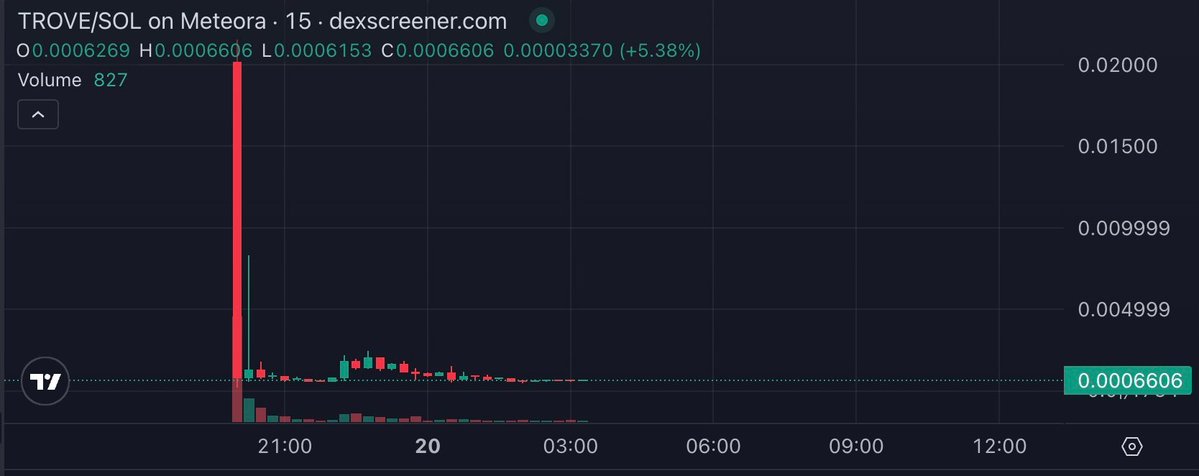
Massive rug pull in crypto — $TROVE just got exposed hard. Devs ran an ICO on Hyperliquid, smashed past their $2.5M target and raised over $11M. Then, without warning, they launched the token on Solana instead and kept all the funds — no refunds, nothing. Token went live and immediately dumped 95% in minutes. FDV crashed from $20M to under $1M. Classic exit liquidity scam. Worse: a bunch of big KOLs were paid to shill it without disclosure. @waleswoosh alone pocketed $8K for pumping it. ZachXBT dug up receipts showing ICO money funneled straight to casinos and Polymarket bets. This is why presales are dangerous as hell. Always demand transparency on paid promotions. Undisclosed shilling can cost the community millions. Stay safe out there, degens. Do your own research and never trust anonymous influencers blindly.
Hyperliquid Daily tweet media
Hyperliquid Daily@HYPERDailyTK

🤡 The Central Circus @TroveMarkets - Devs Showing Signs of SCAM 🔷 Built on Hyperliquid but Launching Token on Solana? - They started with a testnet on HyperEVM and successfully drew in the community for the ICO, but then the Trove devs made this super confusing move: constantly delaying refunds and deciding to launch the token on SOLANA instead. - If that's not hilarious enough, check out how the devs are using the money raised from the ICO. 🔷 ZachXBT Exposes Dev Team Using ICO Funds to Deposit into Casino Sites - And the KOL Booking Scheme Comes Out - After the announcement, ZachXBT asked the team why they were sending ICO money to casino platforms, and the team claimed it was probably @_TJRTrades - a KOL who's into gambling. - Notably, this account had previously posted a super obvious shill for buying $TROVE. => So there's proof the team booked KOLs with huge amounts of cash. - After checking the addresses, a bunch of KOLs got exposed, like @waleswoosh - a KOL who's often at the top on Kaito, who got $8k to blatantly shill the TROVE ICO. => What's really messed up is that this KOL didn't even add an ad tag or warn users. => They're treating their followers like products to sell for profit. - KOLs who put the TROVE logo in their names got up to $5k a month, plus the perk of buying $TROVE at just 50% of the community price. => Taking ads isn't wrong, but if you don't disclose it, it's easy to overhype and cause the community to lose money. Especially investing in projects like TROVE. 🔷 The Game's Over - $HYPE Getting Dumped - The TROVE team bought 500k $HYPE to build community trust and prove they'd use HIP-3 (which requires staking 500k $HYPE). - But right after the ICO sold out, the team started gradually selling off those $HYPE tokens, raising suspicions that the project is a slow rug. You can check it here: #spot" target="_blank" rel="nofollow noopener">hypurrscan.io/address/0xebe0… 🔷 Personal Experience - Lessons Learned - When I see KOLs blatantly shilling an ICO deal like this, I usually stay away. - Deals that are super easy to buy into and win often aren't worth it. - Don't trust KOLs on X, especially anonymous accounts. They don't care if you lose money; they only care about how much your follow is worth to them. Source: @5phutcrypto_

English
155
155
1.2K
288.9K
DThang ∞ KIN retweetledi
Ethos
Ethos@ethos_network·
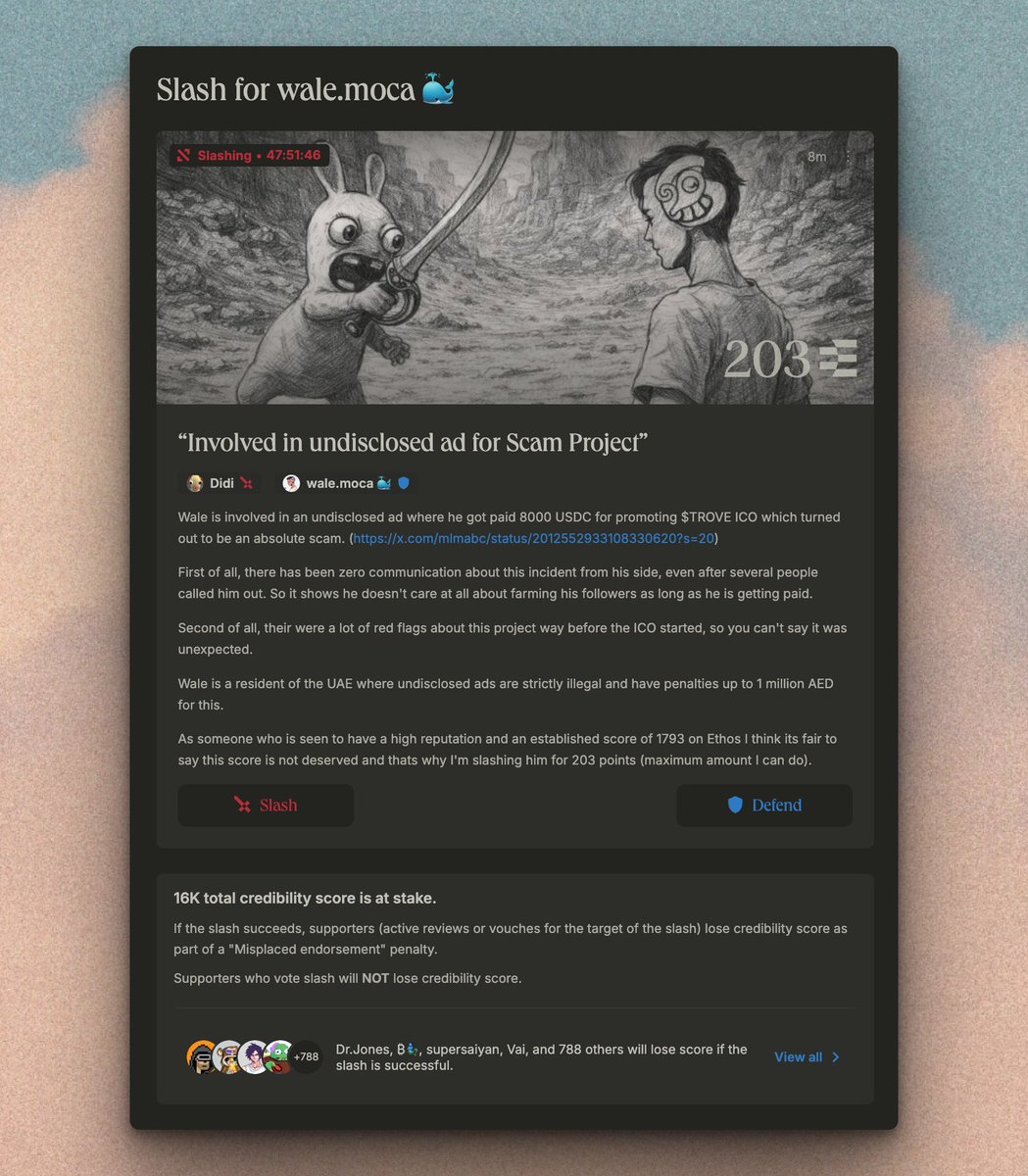
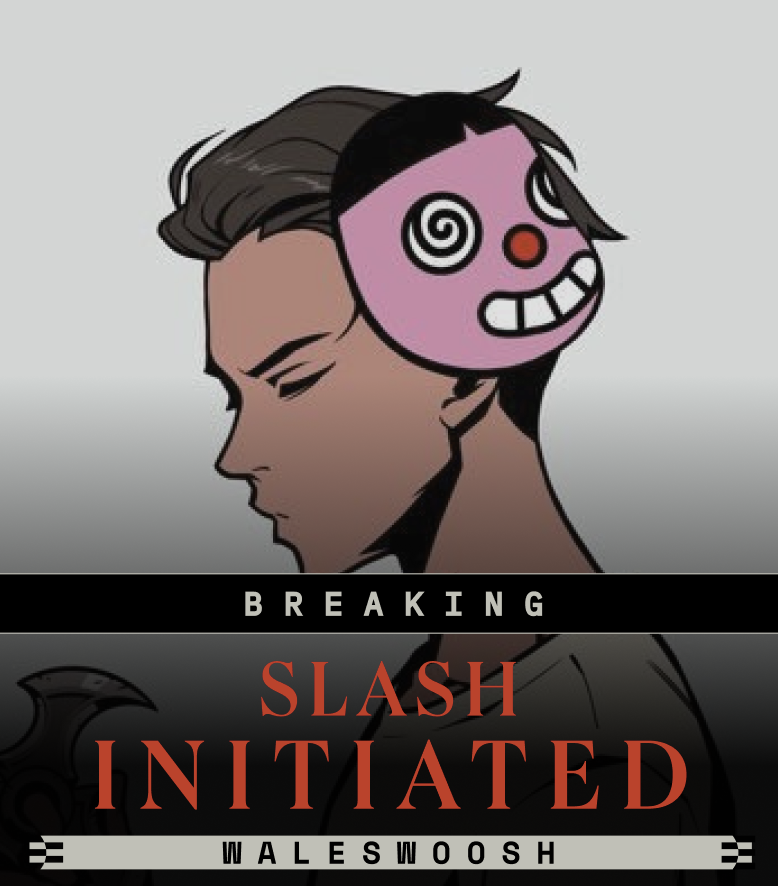
🚨🤺 Slash alert @DidiTrading is slashing @waleswoosh "involved in an undisclosed ad where he got paid $8000 USDC for promoting $TROVE ICO which turned out to be an absolute scam." Largest ever slash on Ethos, 792 users potentially impacted
Ethos tweet mediaEthos tweet media
English
424
84
1.6K
380K
DThang ∞ KIN
DThang ∞ KIN@bvd_thang·
[@waleswoosh is a textbook case of crypto roleplay.] “CloneX”, “hired by Azuki”, NFT thought leader, yet never bought an NFT. Fame came from talking, Elon replies, and paid ads. A bit of money later: move to Dubai, luxury pics, power poses, “important guy” aura. No product. Just image, narrative, and marketing. Crypto doesn’t lack builders. It lacks people who can tell signal from cosplay
DThang ∞ KIN tweet media
ZachXBT@zachxbt

Want to explain to the community why your team bridged $45K from the Trove Angel Round raise on Jan 11 and deposited it directly into a casino deposit address? Source address 7nRNzRX2WQ3WxV3eV6gDeJeWTApqefuXNXQRZ1xEh1eh Destination address 0x48f2b1f3bb7d6034527642b5eec27d26dcc3e62d

English
32
0
32
277
Lina 🦅
Lina 🦅@XNXX_EN·
“Low reach doesn’t mean low effort.” I post daily. 5–6 original posts, plus 500–800 replies. So this isn’t about being inactive. What’s strange is the balance the algo demands. Post too much and reach thins. Engage too deeply and it’s treated as noise. Original ideas feel too early, trends feel disposable. My insight now is simple The algo isn’t rewarding volume or originality alone. It’s testing signal clarity. Staying active matters, but staying recognizable matters more.
nic carter@nic_carter

Trying to guess at what algo knobs Nikita has twiddled this week: Post too much? Bad, using up your impressions quota. Post too little? Also bad. Shadowbanned for a week. Post unique content? Bad. Current thing only. Post currenthingslop? Also bad. Show your unique side シ

English
105
0
90
52.1K
DThang ∞ KIN
DThang ∞ KIN@bvd_thang·
Here’s the uncomfortable truth about comparing Web3 creators to Web2 creators. Most takes are mixing up *distribution*, *trust*, and *economic value* and that’s where the logic breaks. Web2 looks fragmented on the surface. TikTok, YouTube, Instagram, TV, retail. But economic power is brutally concentrated. A tiny group of creators and celebrities drive real demand, real sales, real ROI. Attention in Web2 usually equals trust, and trust converts to purchasing power. That’s hard to fake. Web3 looks concentrated around X, Discord, Telegram. But attention here doesn’t automatically mean trust. Engagement often leads to token mints, airdrops, wash volume, or narrative rotation, not real consumer behavior. Influence without spending is not demand. The “crypto pays creators better” argument also compares the wrong layer. Yes, crypto makes global payouts easier. But Web2 payments are hard because creators are real businesses. Taxes, compliance, liability, accountability. Web3 payouts are easy because risk is externalized and incentives are treated like emissions, not income. Easy payouts without sustainable revenue is not a business model. Tokens and gamification align people short term, then misalign them long term. In Web2, creators build reputation, brand, and audience trust over years. That social capital is illiquid and expensive to lose. In Web3, many creators build wallet history and narrative positioning. Those assets are liquid and extractable. When everything has a price, everything can be farmed. Onchain provenance sounds powerful, but volume alone doesn’t equal trust. Was that volume real demand or liquidity mining. In Web2, sales mean money actually left someone’s pocket, with opportunity cost and brand risk. Trust is built through real risk, real sacrifice, and time. Provenance doesn’t replace that. AI and zero marginal cost content don’t make Web3 automatically win either. They increase supply, which makes attention more scarce. In that environment, brands, long term reputation, and cultural capital matter more. Web2 has spent 20 years compounding those. Web3 hasn’t had the time or the right incentives yet. The core difference is reputation. Web2 KOLs build it in the real world. One mistake can cost real contracts and long term income. Web3 KOLs are often pseudonymous. When a narrative fails, identities can reset. That’s not the same trust tier. The conclusion is simple. Web2 creator economies run on real money, real demand, and real trust. Web3 today runs mostly on liquidity and incentives, which are easy to fake because friction is low. Tokens don’t replace reputation. Provenance doesn’t replace trust. Payment rails don’t create businesses. Web3 does have potential, but only if it accepts the hard lessons Web2 learned the painful way. Friction. Accountability. Non transferable reputation. Until then, comparing the two as equals is just wishful thinking.
yurii | quacks.app@kyparus

> globally, distribution is increasingly decentralized ironic that web2 distribution is actually more decentralized than web3. in web2, you can tap into many markets and platforms to reach $100M in annual revenue. in web3, distribution is largely concentrated on X, controlled by perhaps ~50 major personalities who command most of the attention. to reach meaningful traction, you need to partner with several of them. > pure web2 US UGC platforms power billion dollar+ volumes this is where crypto-native UGC platforms gain a real advantage: 1. payments. compare the cost, compliance burden, and fees required to pay 1m creators across 150 countries every week in web2. in crypto, it’s as simple, fast, and cheap as an airdrop claim. 2. stronger incentives and larger upside for creators. incentivization, gamification, and tokenization align everyone around a shared goal. imagine trying to motivate Web2 creators with small portions of liquid company stock - nearly impossible. in web3, this is already happening 3. greater trust and authenticity through provenance and verification. e.g. seeing a creator vouch for a product feels very different when you can verify they actually use it and generate meaningful volume onchain. > the rise of AI has reduced the marginal cost of content to basically 0 already accelerating the global creator base. the barrier to becoming a creator is essentially zero - creativity is now the only real constraint once AI tools get even slightly closer to professional production quality, the creator market is going to explode beyond our expectations


English
15
0
4
128
King Dav💪
King Dav💪@King_dav000·
Spaace is not here for another chapter — they’re here to rewrite the entire book. What’s happening on @spaace_io right now isn’t just another “update” or “wave.” It’s a moment. A shift. A turning point where early movers become legends and everyone else ends up saying: “I wish I was there when it happened.” The infrastructure is set. The momentum is real. The ecosystem is alive. Every trade, every quest, every achievement is pushing this narrative forward — and guess what? You’re not just a user. You’re a co-author of history. One day, people will look back at this exact phase and realize this was the moment @spaace_io transformed from a platform into a movement — where innovation didn’t just evolve, it exploded. So tighten your seatbelt, lock in your goals, and stay active. Because what they build now will be talked about for years. Let’s turn this phase into a story the NFT world will never forget. Let’s make it historical.
King Dav💪 tweet media
English
324
1
256
2.3K
PredatorX
PredatorX@Predatorweb3·
I'm addicted to using @spaace_io Spaace is the platform I rely on for all my daily NFT moves buys, sells, offers & farming everything I also engage Spaace related tweets on X $SPAACE is coming gSpaace forever Pass it on! 🫵
English
174
2
176
4.6K
CryptoStack
CryptoStack@CryptoStack_·
@idOS_network Community Sale Wrapped, My Quick Take from the Dust Settling Woke up this morning to idOS's post-sale recap, and honestly, after contributing my USDC slice on Nov 24, I'm still processing the fairness of it all. Allocations will hit wallets soon, no crashes. What happened: FADE engine capped everyone equally, price locked at $0.05 based on demand, and 12.5% of supply grabbed without whale dominance. Why it clicks: Ties your quests/points to bigger airdrop shares; my Tier 2 got me 15% extra, vesting smoothly over 6 months. The ripple: TGE now eyes Dec 16, with Economy Net staking live for node security right after. From Lagos, where sales often feel rigged, this was refreshingly even, my play is locked and loaded for stablecoin grants. Wish they'd teased the exact airdrop formula sooner, but hey, transparency wins. What's your thought on allocation? How's it sitting with you? Let's know your thoughts below. #idOS #CommunitySale
CryptoStack tweet media
English
63
0
52
122
Ahad.sol
Ahad.sol@asimsquad01·
GN fam 👋 @Alignerz_ is one of the few launchpads actually fixing the biggest problem in Web3 launches built for exit liquidity instead of a real supporters. Here the projects raise through a transparent weight-based system, where longer commitments get priority Not bots choosing winners your time does. And once you get your allocation, it turns into a Tokenized Vesting Schedule (TVS) an NFT you can trade, split, or use in DeFi without touching the token supply. Clean charts, zero dump pressure, real alignment. Even better: part of the platform’s profits go into buybacks + burns, so $A26Z gets more scarce over time. If you want a launchpad built for growth, not chaos keep your eyes on AlignerZ. #g26 KEEP QUACKING @wallchain
English
65
0
54
196
ngocphat.eth
ngocphat.eth@ngocphat0907·
@syndicateio v2.0 isn’t a governance upgrade it’s a capital revolution disguised as one. We’ve said “token holders have power” for years, but it was mostly feel good governance theater. Then the Oct 29 proposal dropped, and suddenly $SYND holders became infrastructure VCs with on chain allocation power. Locking veSYND from one week to four years doesn’t just boost voting weight — it rewires incentives. Short locks are liquidity. Long locks are conviction. And conviction is what directs the actual flow of infrastructure capital. The old model was simple: protocols set fees, operators collected them, users hoped things didn’t break. Syndicate scraps that and replaces it with Infrastructure Markets where every operator nodes, RPC, sequencers competes in a live marketplace governed by performance. Not vibes. Not brand. Just uptime, latency, throughput, inclusion quality, and execution guarantees. You perform, you eat. You don’t, you disappear. Governance went live on Nov 5 via Agora, and early turnout hovering near 30% already signals something big: people aren’t voting for memes they’re voting like allocators. Small holders can delegate upward, whales can set strategic direction, and everyone participates in a capital system that self corrects every epoch. The economic split says everything about the intent: 30% Base Pool → hardened security 30% Performance Pool → reward operational excellence 40% Appchain Pool → fuel ecosystem growth It’s the VC model turned inside out. No fund managers. No closed doors. No pitch decks. Just a decentralized capital engine where performance data replaces promises, and where returns flow directly to the people providing the capital the stakers themselves. This isn’t governance as a suggestion box. This is governance as an investment machine. And $SYND v2.0 is the blueprint.
English
144
1
127
484