Roberto Marsicano
150.6K posts
Roberto Marsicano
@cannedcat
ICT professional, now in MarCom. Writer of essays, novels, and screenplays. Inventor and innovator. Jacobin and skeptic. Applied visionary rationalist.
Italia Katılım Ekim 2008
3.2K Takip Edilen2.2K Takipçiler
Migliaia di persone hanno manifestato a Madrid chiedendo le dimissioni del Primo Ministro spagnolo a seguito di accuse di corruzione.
Pedro Sánchez - come fa tutti - sostiene che i procedimenti contro la sua famiglia e il suo entourage siano di natura politica.

Italiano
GALACTIC OBSERVATION REPORT linkedin.com/pulse/galactic… via @LinkedIn
English
Sentenza Cassazione
Ordinanza n. 11827 del 29 aprile 2026.
Il ristorante non è obbligato a servire acqua del rubinetto.
Potete pure chiedere di pagarla, se non la vuole dare, non potete fare niente
Solo acqua in bottiglia
Italiano
Modena (Italy)
Car mows down pedestrians
A woman loses her legs
The perpetrator tries to stab people
English
Modena
Auto falcia pedoni
Una donna ha perso le gambe
Il colpevole cerca di accoltellare la gente
Italiano
The Social Paradox: Why the More We Scroll, the Less Human We Become. linkedin.com/pulse/social-p… via @LinkedIn
English
AI dividend for all? linkedin.com/pulse/ai-divid… via @LinkedIn
English
@MomoToscani @marcosagusstinn and killing the Casmez, that has financed Italian industry for decades.
Large companies could build factories from Rome to Brindisi using public grants, with a free capital supplied by the State.
Companies with no sufficient internal capital and no acces to financial markets
English

@marcosagusstinn Since the 1980s, Italy’s productivity has stalled due to a shift from **industrial investment** to **rent-seeking**.
The dismantling of **IRI** removed the "critical mass" of R&D and strategic planning. Without state-led innovation, private capital didn't step up
English
Roberto Marsicano retweetledi

Italy economy was not destroyed by the euro.
Before the euro, Italy could hide weak competitiveness through repeated lira devaluations.
Since the 1980s, Italy has gradually fallen behind its main European peers in productivity growth. The IMF describes Italy as having suffered from sluggish productivity growth for nearly three decades.
After the euro, that currency-devaluation escape valve disappeared.
From that point, Italy had to compete through:
→ Higher productivity — stagnant for nearly three decades
→ Meritocratic and more competitive firms — Italy remains dominated by very small firms, many passed from parents to children or through insider networks, weakening professional management, meritocracy and scale.
→ Stronger R&D and innovation — Italy has a smaller VC market, weaker startup ecosystem and lower innovation intensity than Europe’s leading economies
→ Better technology adoption — one of Italy’s biggest weaknesses is the very slow adoption of new technologies by firms
→ Lower bureaucracy and stronger institutions — Italy remains held back by excessive administrative complexity, slow justice, powerful lobby networks and the persistent influence of organised crime in parts of the economy
→ A more sustainable state — high public debt, persistent fiscal deficits, demographic decline and rising pension pressures limit Italy’s ability to invest in growth
The euro did not sink Italy. It removed the ability to hide stagnation behind currency devaluation.

English
Il polverone su Bezos al MET Gala linkedin.com/pulse/il-polve… via @LinkedIn
Español
Non é mai troppo tardi...... per capire il mondo. linkedin.com/pulse/non-%25C… via @LinkedIn
Italiano
The Silent AI Bloatware: Your Device as a "Data Host" Without Consent linkedin.com/pulse/silent-a… via @LinkedIn
English
Gli italiani vivono tre volte al di sopra della loro livello di sostenibilità ambientale.
linkedin.com/pulse/gli-ital… via @LinkedIn
Italiano
When Even Renewable Champions Ask You to Turn Off Your Solar Panels linkedin.com/pulse/when-eve… via @LinkedIn
English
Primum vivere, deinde philosophari (sulle AI) linkedin.com/pulse/primum-v… via @LinkedIn
Română

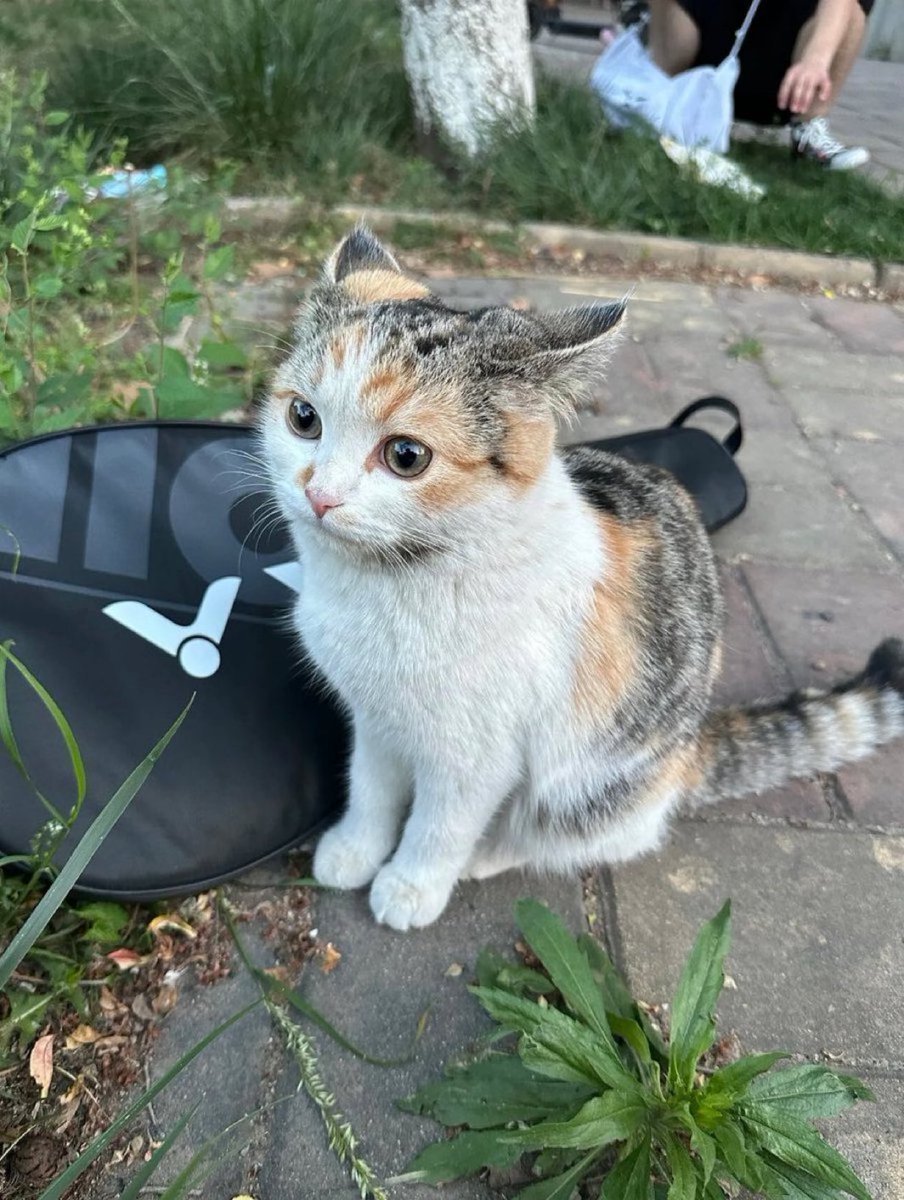
Please give him a name starting with the letter O, he is a male cat❤🙏

English
To a 13-Year-Old: The Fierce World in 2036 linkedin.com/pulse/13-year-… via @LinkedIn
English
Germany’s Relapse: The Military "Event Horizon" linkedin.com/pulse/germanys… via @LinkedIn
English