Caucasus Visuals

9.9K posts

Caucasus Visuals banner
Caucasus Visuals

Caucasus Visuals

@caucasusvisuals

#Caucasus history, art & visuals

Caucasia Katılım Ekim 2021
85 Takip Edilen25.9K Takipçiler
Sabitlenmiş Tweet
Caucasus Visuals
Caucasus Visuals@caucasusvisuals·
We’ve got a new name. Pan Caucasus is now Caucasus Visuals. Nothing is changing about the content you came here for. We’ll keep exploring the Caucasus through history, art, photography, architecture, and visual storytelling. Same page. Same focus. New identity. Thank you for following along.
English
2
3
65
2.4K
Caucasus Visuals
Caucasus Visuals@caucasusvisuals·
Georgian wrestlers. Mtskheta, Tiflis Governorate, 1887.
Caucasus Visuals tweet media
Indonesia
0
9
57
995
Caucasus Visuals
Caucasus Visuals@caucasusvisuals·
Residents of Baku welcoming the leader of the USSR, Leonid Brezhnev. Azerbaijani SSR, 1982. Photo: Behruz Huseynzade
Caucasus Visuals tweet media
English
0
1
44
815
Caucasus Visuals
Caucasus Visuals@caucasusvisuals·
Sunflower bloom, Stavropol Krai. artemmeletov / IG
Caucasus Visuals tweet media
Norsk
0
4
20
683
Caucasus Visuals
Caucasus Visuals@caucasusvisuals·
Portrait of a young Agul girl, Dagestan. The Aguls are one of the Dagestani peoples, closely related to the Lezgins. They live in the central part of southeastern Dagestan.
Caucasus Visuals tweet media
English
0
5
62
868
Caucasus Visuals
Caucasus Visuals@caucasusvisuals·
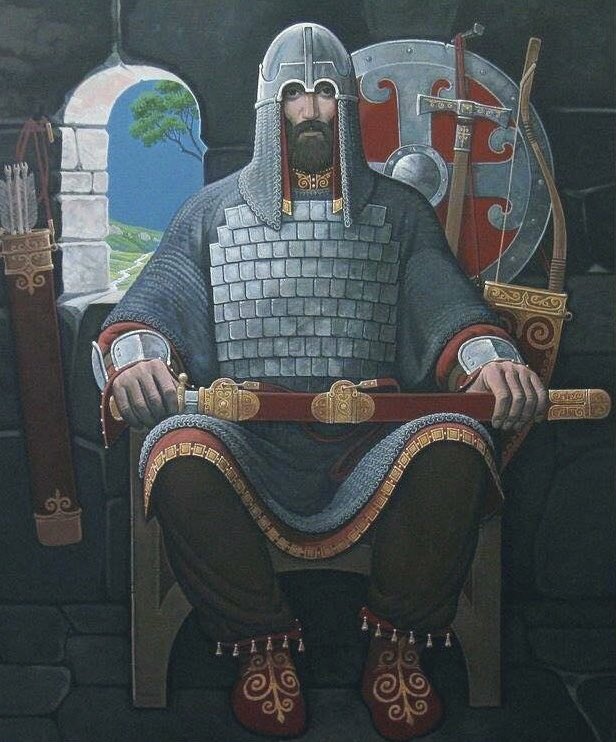
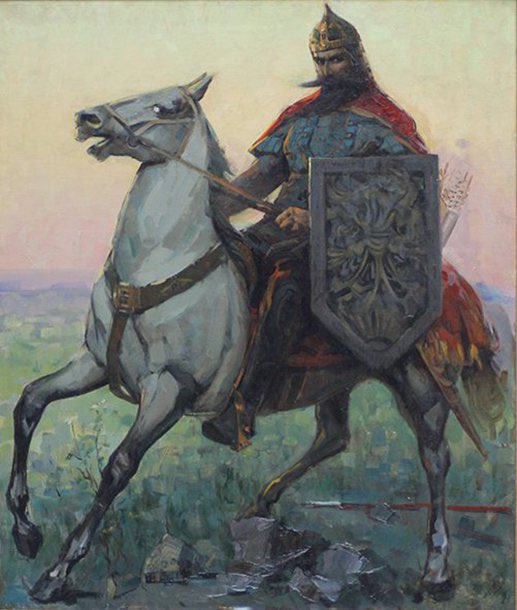
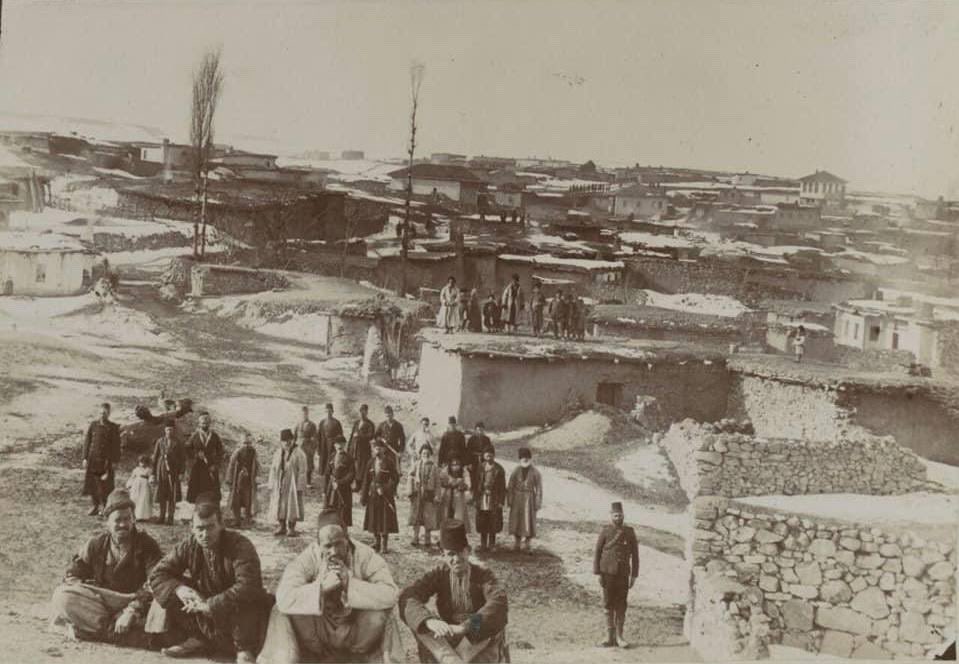
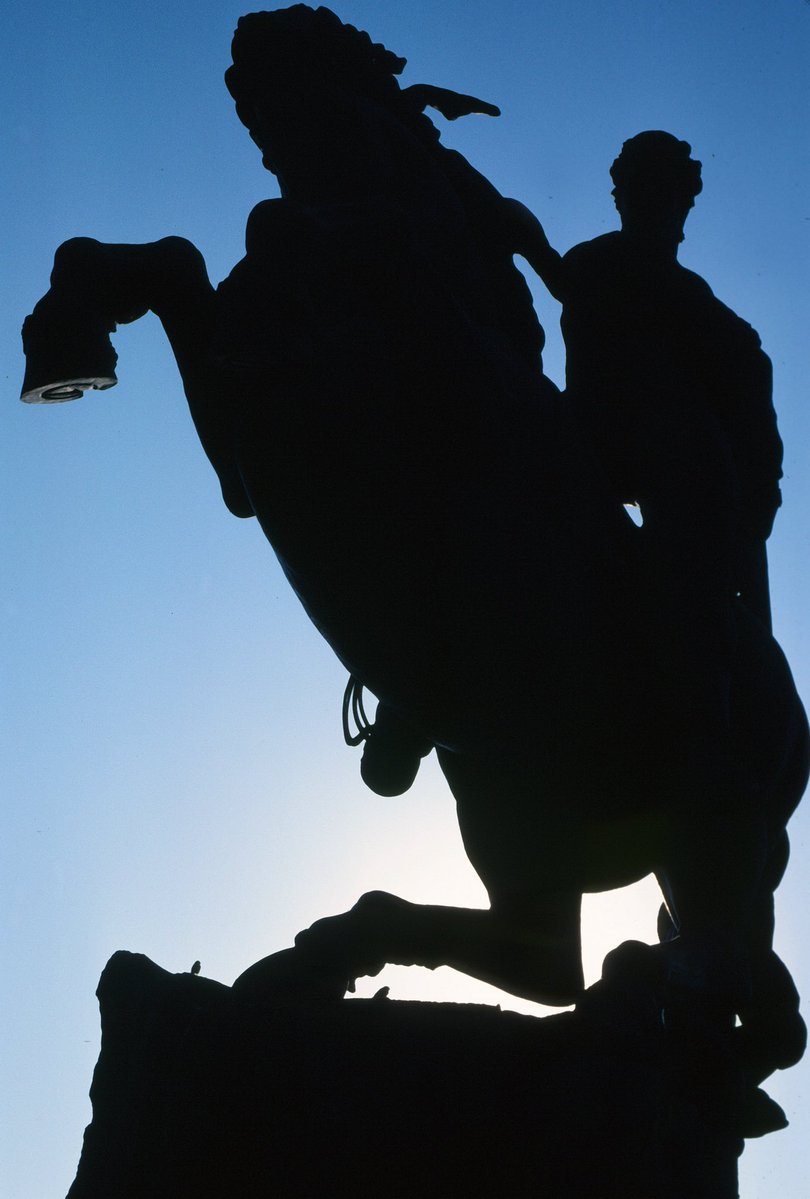
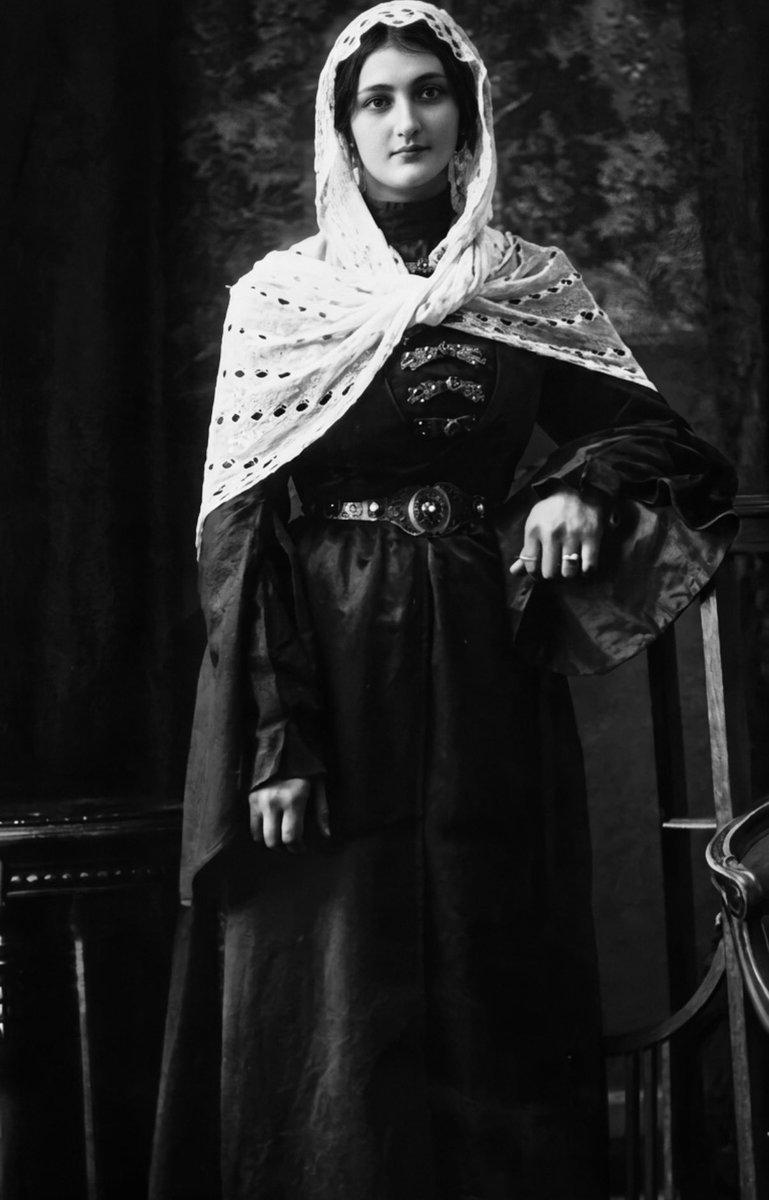
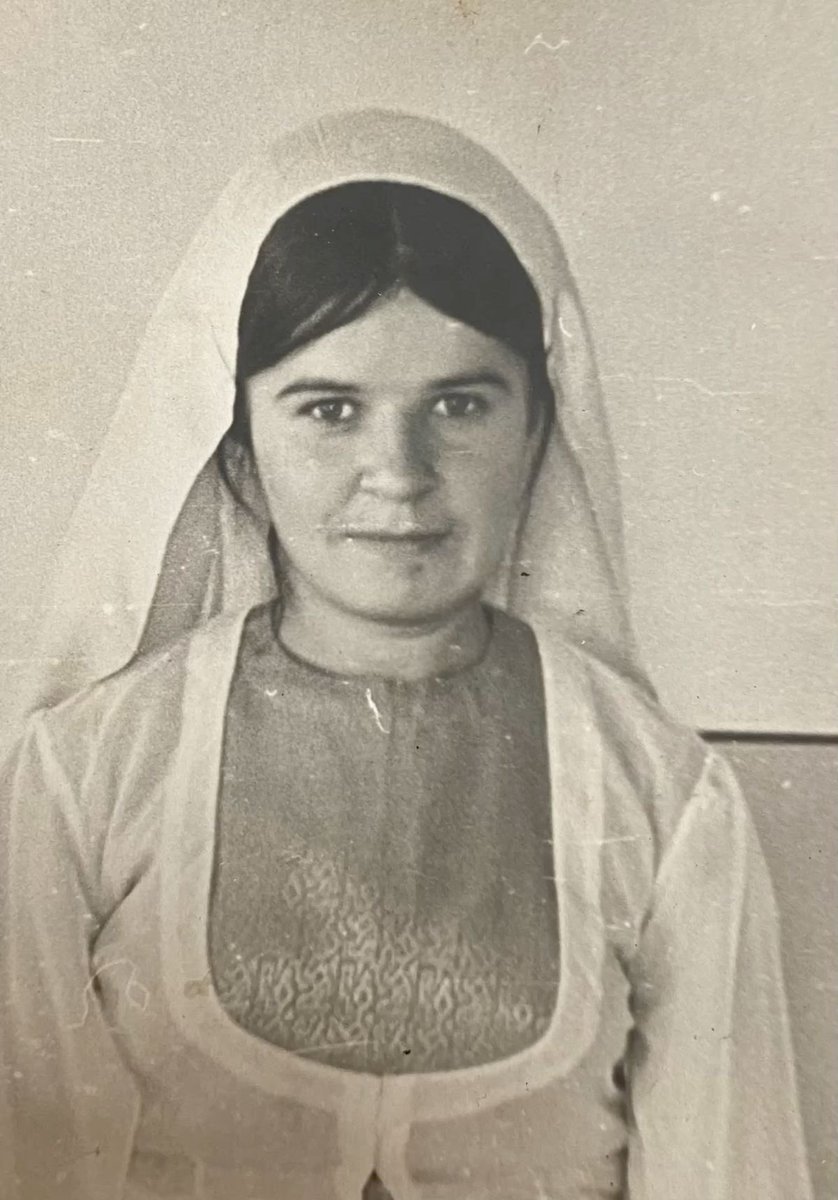
Os-Bagatar I, a medieval ruler of Alania and a 9th-century military commander whose figure lies at the intersection of real history and Caucasian epic. He lived and ruled during the birth of a unified Alanian Christian state. Os-Bagatar I is considered the founding ancestor of numerous Ossetian families. The name "Os-Bagatar" (Ossetian: Ос-Бæгъатыр) translates as "Ossetian warrior/hero." The word "Bagatar" originates from the Turkic baghatur ("brave warrior", "hero"), which the Alans adopted from the Huns in the 4th century. According to the Arabic geographer Ahmad ibn Rustah, this term was used as a title for the kings of Alania, highlighting their origin from the military-aristocratic elite, and later became established as a personal name. According to historical chronicles, Os-Bagatar I died in 888 in the Battle of Aspindza (the territory of modern Georgia).
Caucasus Visuals tweet mediaCaucasus Visuals tweet mediaCaucasus Visuals tweet mediaCaucasus Visuals tweet media
English
6
10
105
4.9K
Caucasus Visuals
Caucasus Visuals@caucasusvisuals·
"Don't abuse cosmetics!" A Soviet poster in Georgian and Russian. Georgian SSR, 1978.
Caucasus Visuals tweet media
English
0
7
93
2.5K
Caucasus Visuals
Caucasus Visuals@caucasusvisuals·
Abaza Muhajirs (settlers) in the village of Loukyt (now Osmaniye, Turkey). Ottoman Empire, 1890s. Photo: Hakob Khararyan
Caucasus Visuals tweet media
Suomi
0
5
50
1.7K
Caucasus Visuals
Caucasus Visuals@caucasusvisuals·
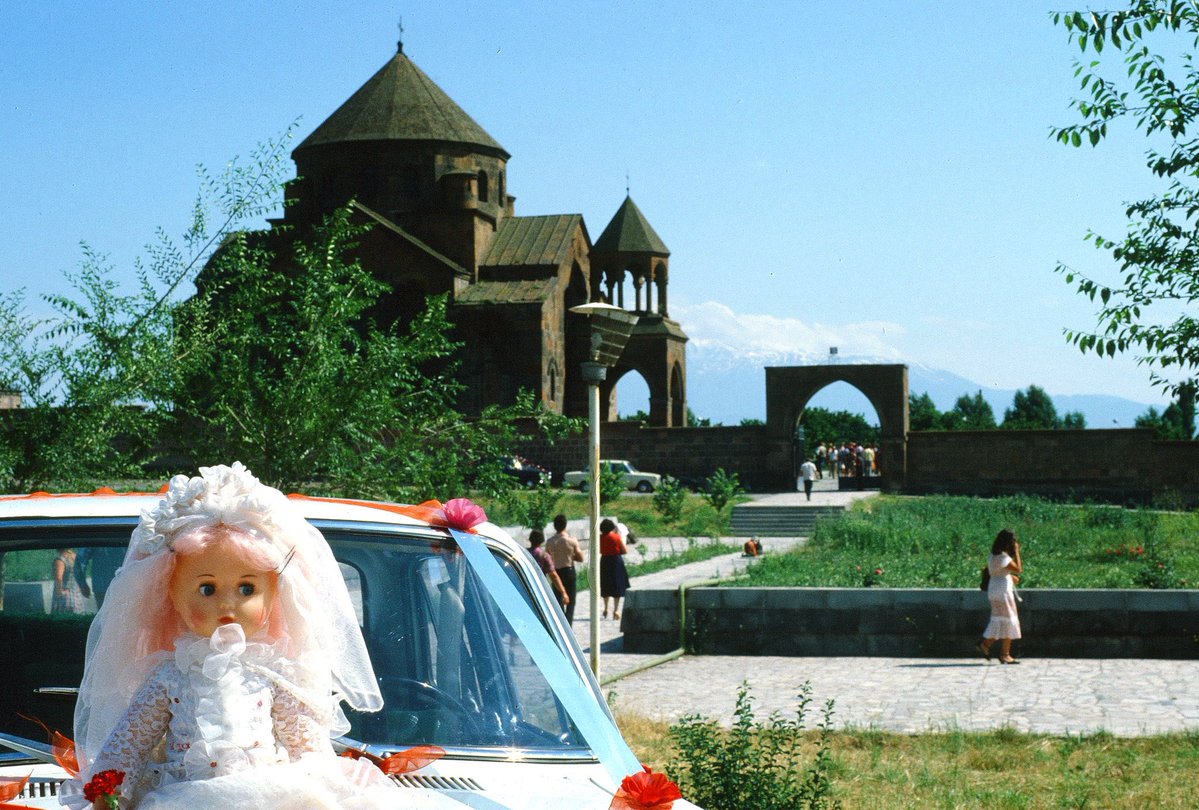
Armenia, USSR. Summer 1982.
Caucasus Visuals tweet mediaCaucasus Visuals tweet mediaCaucasus Visuals tweet mediaCaucasus Visuals tweet media
English
2
1
64
1.6K
Caucasus Visuals
Caucasus Visuals@caucasusvisuals·
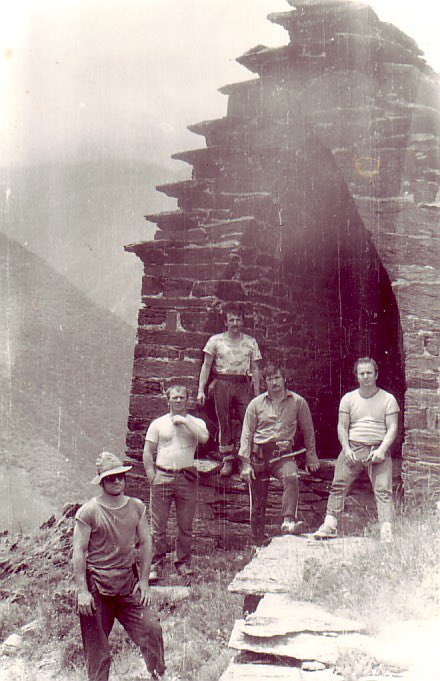
A medieval crypt in the historical region of Malkhista. Chechnya, 1980s.
Caucasus Visuals tweet media
English
0
12
128
4.5K
Caucasus Visuals
Caucasus Visuals@caucasusvisuals·
Portrait of the Ingush Aminat Tutaeva. Nasyr-Kort village, 1930s. Her father, Idris Tutaev, a former officer of the Russian Imperial Army, was executed during the Stalinist repressions in 1938. Her sister, Asiyat, a Major in the Medical Corps of the Red Army, died in German captivity in 1944.
Caucasus Visuals tweet media
English
0
6
45
1K
Caucasus Visuals
Caucasus Visuals@caucasusvisuals·
A Karachay men's tombstone. Arkhyz village. Karachay Autonomy, 1935. Photo: Erna Siebert (1908-1981)
Caucasus Visuals tweet media
Deutsch
1
2
44
833
Caucasus Visuals
Caucasus Visuals@caucasusvisuals·
Khalisat Magomedova, a performer of Lak folk dances. Vachi village. Dagestan ASSR, 1968.
Caucasus Visuals tweet media
Română
0
3
34
861
Caucasus Visuals
Caucasus Visuals@caucasusvisuals·
Circassians from Gelendzhik, 1845. Artist: Grigory Gagarin (1810-1893) / Scènes, paysages, moeurs et costumes du Caucase dessinés d'après nature par le prince G. Gagarine. Paris, 1845.
Caucasus Visuals tweet media
Français
0
8
58
1.4K
Caucasus Visuals
Caucasus Visuals@caucasusvisuals·
Portrait of the Ossetian Milena Dzboeva, Upper Zgid village, North Ossetia. Photo: Alan Tsagaraev
Caucasus Visuals tweet media
Eesti
0
8
70
1.5K
Caucasus Visuals
Caucasus Visuals@caucasusvisuals·
Makhmud Matsiev, a Chechen public and state figure, and a representative of the Matsiev merchant family from the village of Shali in Chechnya. During the revolutionary events in Russia, Matsiev became one of the founders and leaders of the Chechen Youth Union "Niyson Nakost" ("Comrade of Justice"). During the Civil War, he fought against the White Guards in the ranks of the Chechen Red Army. Following the establishment of Soviet power, Matsiev held various leadership positions in government. He was repressed in 1932 as part of the so-called "Chechen Nationalist Center" case. The "Chechen Nationalist Center" case was a large-scale, OGPU-fabricated case spanning 1932-1934, which served as a pretext for mass Stalinist repressions in the Chechen Autonomous Oblast. Around 3,000 people were arrested in connection with this case. The crackdown targeted members of the Chechen Intellectuals, clergy, and former participants in peasant uprisings.
Caucasus Visuals tweet media
English
0
3
20
869
Caucasus Visuals
Caucasus Visuals@caucasusvisuals·
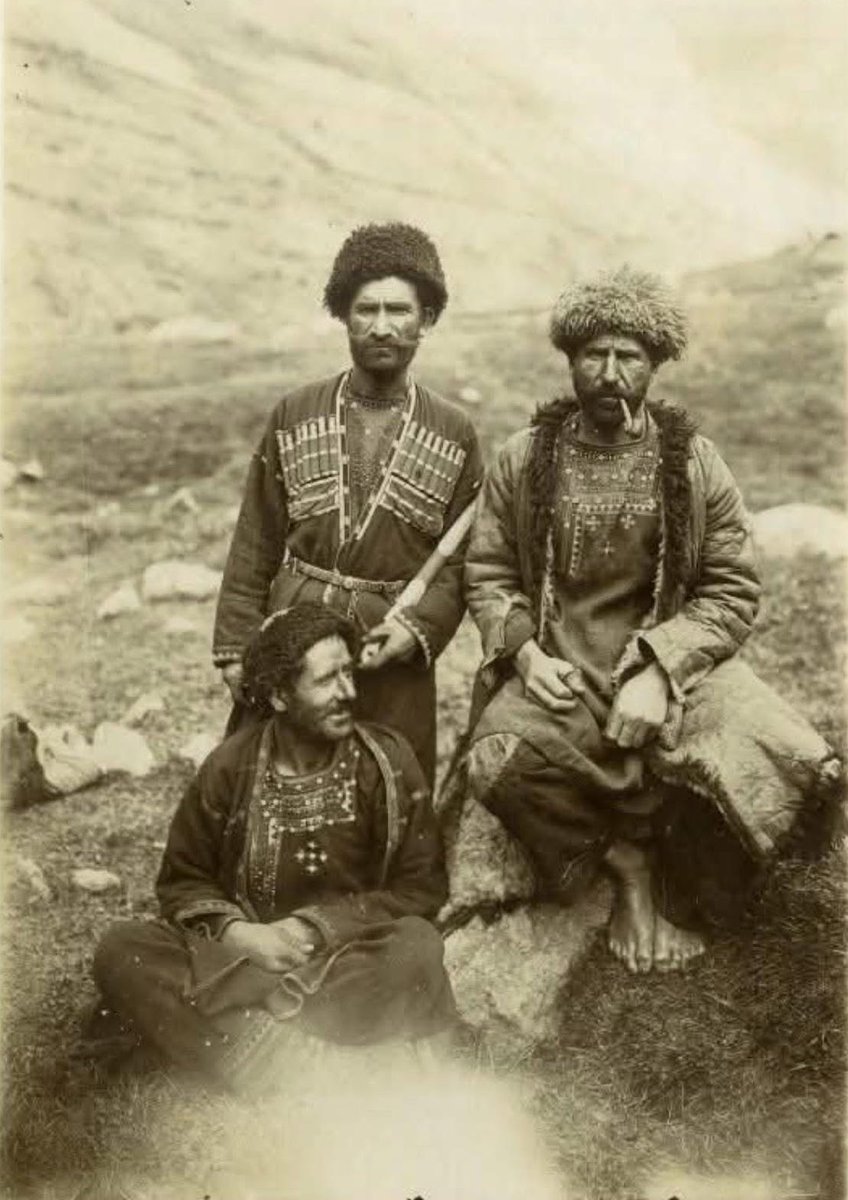
Khevsurs from the village of Juta. Georgia, early 20th century
Caucasus Visuals tweet media
English
1
7
70
1.2K
Caucasus Visuals
Caucasus Visuals@caucasusvisuals·
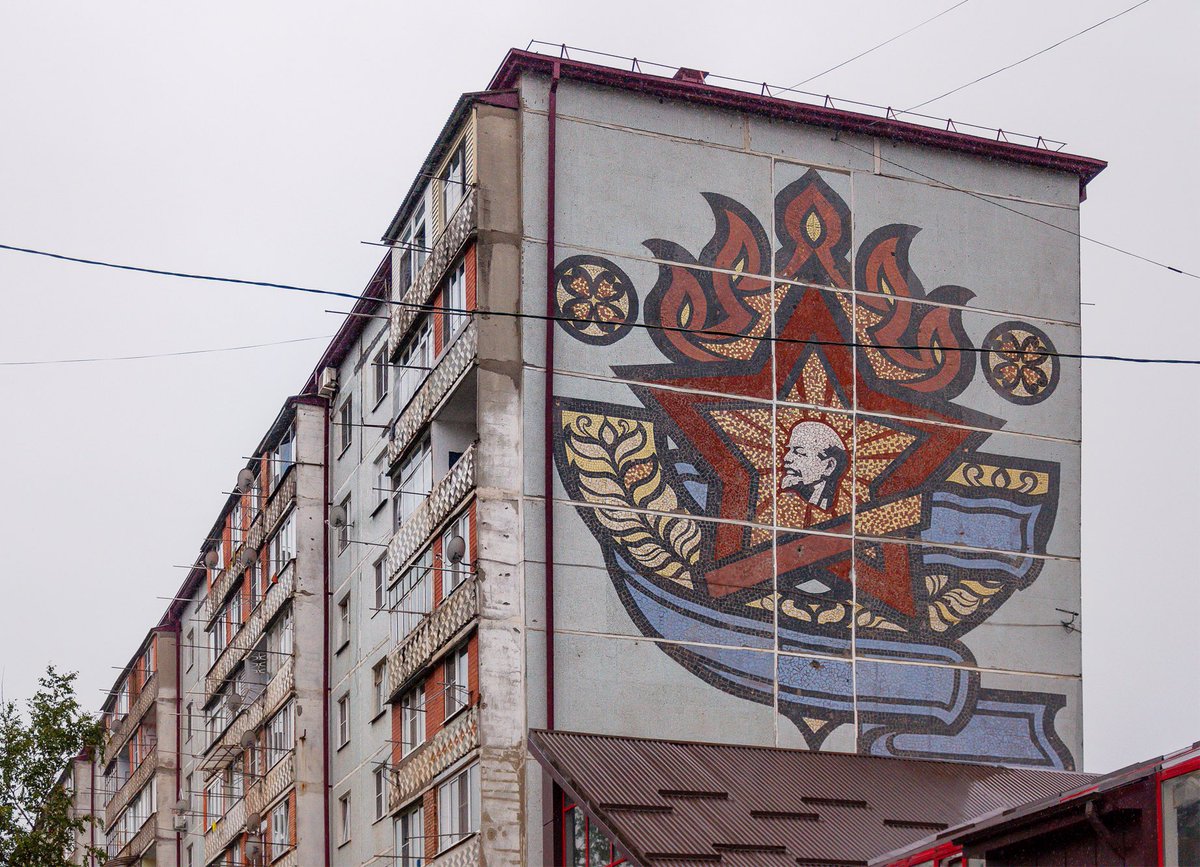
Soviet mosaics on apartment buildings in Vladikavkaz. North Ossetia, early 1980s. Photo: Roman Boyko
0
1
9
536