

Corey Cleary
266 posts


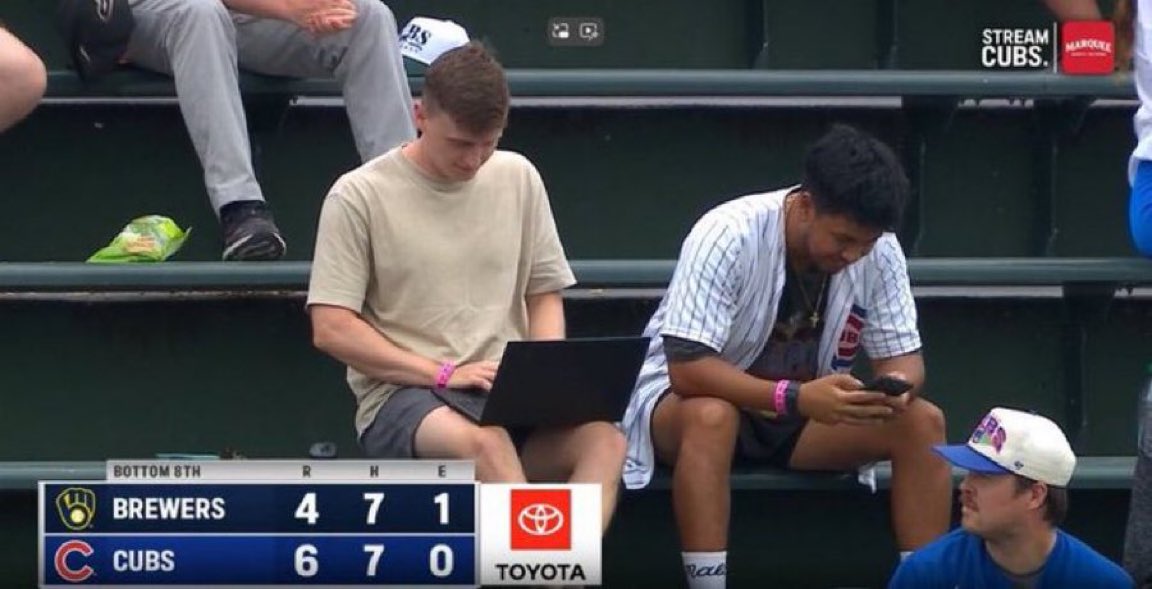
@heshie i don't have to imagine explaining this... i have actually explained this 😂
English

@RaulJuncoV great post, relevant to something i'm currently working on
English

Feature flags don’t belong in your core logic. Period.
Sprinkling them across your codebase looks flexible; until it isn’t.
Suddenly, you're testing flag combinations instead of features.
Your logic becomes harder to read, reason about, and extend.
You think you're moving fast. But you're just stacking complexity.
Here’s the smarter way:
1. Use feature flags to choose behavior once, not to drive logic inline.
2. Build strategies that encapsulate behavior tied to flags.
3. Inject them into your codebase so each handles logic in isolation.
This way, your business code stays focused. Your flags stay manageable.
You will have:
• Fewer test permutations (no more exponential growth)
• Cleaner rollback paths
• Focused, testable code
• Easier flag cleanup (no more “wait, where did we use this?”)
Flags are a decision-making tool, not a scattershot override system.
Have you seen this problem before?

English
@RaulJuncoV both ES & CDC both often use an event stream, especially if there are multiple consumers that need to process the same data so there is an overlap there too although still diff concepts. typically CDC will use a limited stream size/you will have a purge trigger to evict old data
English
Some questions separate Pros from Averages.
Can you explain the difference between Event Sourcing vs. Change Data Capture (CDC)?
Event Sourcing and CDC are related concepts that distributed systems use to propagate data changes to interested consumers and downstream services.
They both deal with events, but they serve different purposes.
Event Sourcing
With Event Sourcing, the event log is the source of truth. Instead of storing only the latest state, you persist every state change as an event.
This enables:
• Auditing
• Debugging
• State reconstruction
Change Data Capture (CDC)
CDC listens to database-level changes and propagates them to other services. It ensures data consistency across systems without requiring them to query the source database directly.
This works at the database level and tracks:
• Inserts
• Updates
• Deletes
While distinct, these concepts can be complementary:
• You can use Event Sourcing to manage internal domain events and preserve history.
• And use CDC to capture relevant changes and distribute them to external systems.
Example:
1. A fintech app records TransactionInitiated and TransactionCompleted events using Event Sourcing.
2. A CDC pipeline listens for updates in the transaction database and syncs data to reporting, fraud detection, and notifications.
I can't think of a better analogy than this. Could you?
Event Sourcing is like a ledger—every transaction is logged for future reference.
CDC is like a courier—it detects changes and notifies other systems but doesn’t store history.

English
Corey Cleary retweetledi

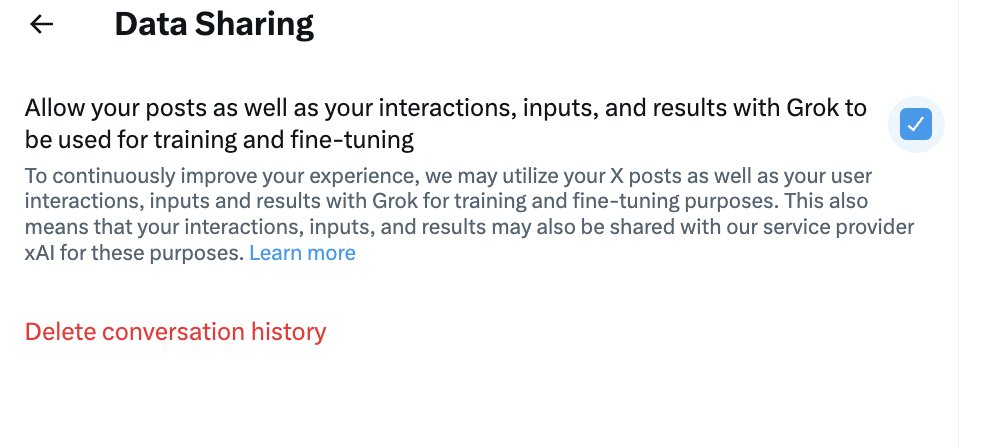
Without notice, X has opted all users into training its "Grok" AI Model. To turn off this setting and stop your "posts, interactions, inputs, and results" from being used for training and fine-tuning Grok, visit x.com/settings/grok_… and uncheck the checkbox.
English
English
Using supertest to avoid manually testing your endpoints #node.js #supertest coreycleary.me/using-supertes…

English
forgot how to return an object literal from an "inline" arrow function today: #Returning_object_literals" target="_blank" rel="nofollow noopener">developer.mozilla.org/en-US/docs/Web…
English
Corey Cleary retweetledi

When you’re starting up an Express project, it can be confusing to figure out all the modules you need…
I’ll talk about a few that I use in most of my Express REST API’s, and when you might need to use them in your project.
{ author: @ccleary00 } dev.to/ccleary00/expr…
English
Corey Cleary retweetledi


Setting up your Node package to be run from the command-line #Node #JavaScript coreycleary.me/setting-up-you…
English
English