
Central

30.8K posts

Central banner
Central

Central

@centralgewalt

anarchy, state, and utopia

Germany Katılım Ocak 2016
510 Takip Edilen1.8K Takipçiler
Central retweetledi
NB
NB@FernetBuehler·
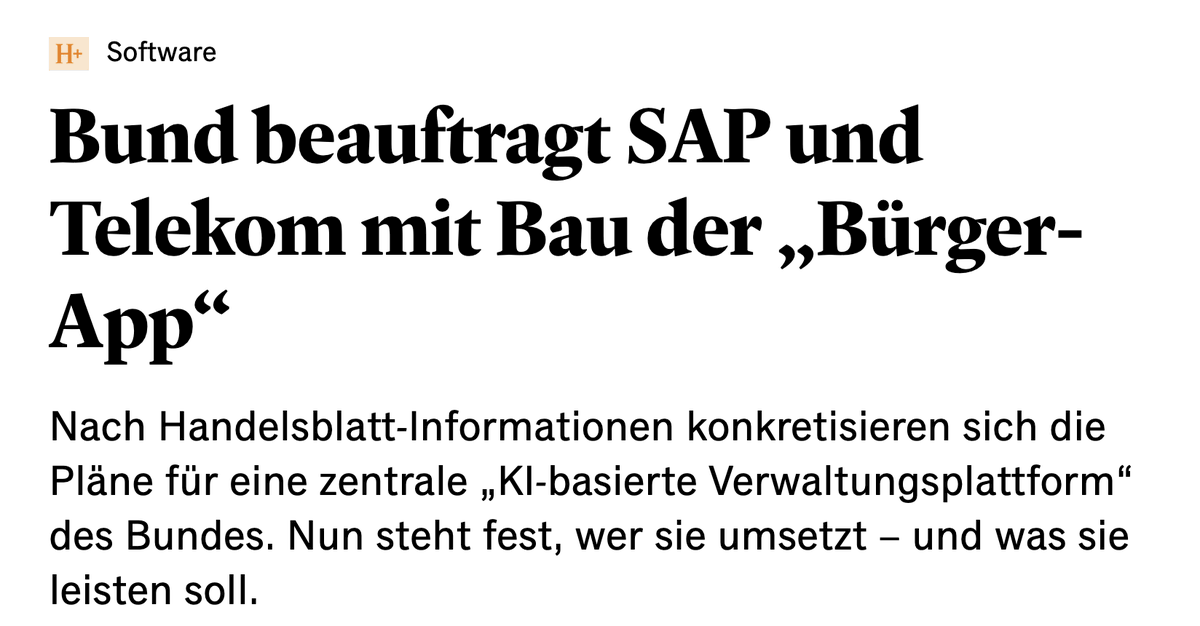
Wenn du 214 Millionen Euro in eine App investierst die am Ende in den "Ruhemodus" versetzt wird, was passiert dann? In der Privatwirtschaft bekommst du einen Karton für deinen Schreibtisch, im öffentlichen Sektor bekommst du den nächsten Großauftrag. SAP und Telekom bauen jetzt die "Bürger-App", dieselben Konzerne, dasselbe Team, ohne Ausschreibung. Ein Rahmenvertrag aus dem "Kaufhaus des Bundes" reicht, klingt wie ein Outlet-Center für gescheiterte IT-Projekte und ist es im Grunde auch. Ob sie das beste Angebot haben weiß niemand, weil niemand ein anderes gesehen hat. Die formale Ausschreibung soll "irgendwann folgen", aber zu dem Zeitpunkt sitzt SAP-Technologie so tief in der Plattform dass ein Wechsel teurer wäre als das gesamte Projekt. Und hier wird es richtig absurd: Dasselbe Ministerium predigt seit Monaten Open Source und digitale Souveränität, openDesk, ZenDiS, der ganze Apparat der dafür aufgebaut wurde dass Deutschland sich unabhängig macht von proprietären Großkonzernen. Und dann wird das Vorzeigeprojekt der Legislatur auf der proprietären SAP Business Technology Platform gebaut. Die Open-Source-Jünger durften die Pressemitteilungen schreiben, den Auftrag haben SAP und Telekom bekommen. Wir reden Open Source und kaufen proprietary, wir fordern digitale Souveränität und liefern uns an zwei DAX-Konzerne aus. Dieses Land will keinen Fortschritt, es will das Bestehende bewahren und neue Etiketten draufkleben. Das ist auch in Ordnung, dann muss man das aber mal sagen anstatt sich ständig in die eigene Tasche zu lügen. Die Kommunen erfahren davon übrigens aus dem Handelsblatt, weil der Minister die App in einem Nebensatz auf einer Konferenz angekündigt und damit sein eigenes Ministerium überrascht hat. Wenn dein Auftragnehmer besser informiert ist als deine eigene Abteilung, nennt man das in der Privatwirtschaft ein Problem und in der Bundesregierung Dienstag. Für alle, die es vergessen haben, hier nochmal die Timeline des Grauens: 2020: Bund beauftragt SAP und Telekom mit der Corona-Warn-App, 68 Millionen Euro für eine App die einen Bluetooth-Abstand misst. Drei Wochen später funktioniert sie auf iPhones nicht, SAP und Telekom schieben es auf Apple, bis sich rausstellt dass der Fehler bei ihnen lag. In der Softwareentwicklung nennt man das einen Bug, in der Kommunikationsabteilung eines DAX-Konzerns "betriebssystembedingte Einschränkungen." 2021: Am Ende stehen 214 Millionen Euro für eine App deren Wirksamkeit per Design nicht messbar ist, weil sie aus Datenschutzgründen nicht erfassen kann ob jemals eine Warnung angekommen ist. Das ist wie ein Fitnesstracker der keine Schritte zählt aber trotzdem ein Abo kostet. 2023: App wird in den "Ruhemodus" versetzt, wie ein Bildschirmschoner für 214 Millionen Steuergelder. Falls das Virus nochmal anruft. 2026: Dieselben Konzerne bekommen den Auftrag für die "Bürger-App." Prototyp im April, "lernende KI-Agenten", eID-Pflicht die 93 Prozent der Deutschen nicht aktiviert haben. Keine Ausschreibung weil Rahmenvertrag, keine Konkurrenz weil Zeitdruck. Nur dass es hier um Verwaltungsdigitalisierung geht und nicht um eine Pandemie. Wo genau war nochmal der Zeitdruck? Ich habe die Timeline ab 2027 fiktiv erweitert. Wetten werden noch angenommen. 2027: Erste Workshops, 47 Stakeholder, 12 Unterarbeitsgruppen, ein Lenkungskreis und ein Steuerungskreis der den Lenkungskreis steuert. Der Steuerungskreis hat einen eigenen Steuerungskreis, der heißt "Steuerkreis-Koordinierungsgremium." 2028: Pilotprojekt in sechs Kommunen, Schnittstelle zum Fachverfahren funktioniert in keiner davon. Eine weitere Kommune aus Bayern "steht noch aus", vermutlich bis die App im Ruhemodus ist. 2029: Budget verdoppelt. Der KI-Agent hat gelernt dass 90 Prozent aller Verwaltungsprozesse einen Stempel brauchen und leitet den Bürger automatisch ans Bürgeramt weiter. Mit Terminbuchung, der Termin ist in acht Wochen. 2030: Relaunch, neues Logo für 800.000 Euro, "2.0" im Titel. Die Ausschreibung die "noch folgen" sollte ist gegenstandslos, wie von Anfang an geplant. 2031: Evaluationsbericht, "wichtige Erkenntnisse gewonnen." Budget dreistellig in Millionen, aktive Nutzer vierstellig. Die App wird in den Ruhemodus versetzt. Dasselbe Team bekommt den nächsten Auftrag. Ich berate Behörden bei der Digitalisierung und ich sehe jeden Tag was funktioniert und was nicht. Das Problem ist nicht die Technik, nicht die KI und auch nicht die Komplexität. Das Problem ist die Überzeugung dass Größe gleich Qualität bedeutet. Zwei DAX-Konzerne, also muss es gut werden. Die Vergangenheit hat mehrfach das Gegenteil bewiesen, die Corona-Warn-App, das beA der Bundesrechtsanwaltskammer, die elektronische Gesundheitskarte, das De-Mail-Desaster, alles Großprojekte von Großkonzernen mit großen Budgets und großem Scheitern. Die besten digitalen Verwaltungslösungen die ich kenne kommen nicht von Konzernen mit 100.000 Mitarbeitern, sie kommen von kleinen Teams die ein Problem verstehen und es lösen, ohne Lenkungskreis, ohne Steuerungskreis und ohne Koordinierungsgremium. Aber die haben halt keinen Rahmenvertrag im "Kaufhaus des Bundes." Deutschland gibt lieber 214 Millionen Euro aus um zu beweisen dass Digitalisierung nicht funktioniert als 20 Millionen um zu beweisen dass sie es tut. Wir scheitern nicht an der Komplexität, wir scheitern am Willen. Und solange sich das nicht ändert, können SAP und Telekom bauen was sie wollen, am Ende steht der Bürger im Bürgeramt und zieht eine Nummer.
NB tweet media
Deutsch
75
299
1.2K
55K
Central retweetledi
Daniel Foubert 🇵🇱🇫🇷
Daniel Foubert 🇵🇱🇫🇷@Arrogance_0024·
Europe doesn't have "a problem". It has THREE problems: 3 European nations are suffering from a severe "post-imperial hangover". First, there is the United Kingdom, a nation that voted for Brexit to "take back control" only to realize it has completely forgotten how to drive. The British identity crisis is like watching a retired lion try to adopt a vegan diet. They traded imperial confidence for an HR department’s sensitivity training. The land of Churchill is now governed by a sprawling "nanny state" bureaucracy that is more terrified of offending someone on X than it is of actual decline. The British police, once the envy of the world, now seem to spend more resources investigating "non-crime hate incidents" and painting their patrol cars in rainbow colors than solving burglaries. It is a nation desperately clinging to the aesthetics of tradition—the Royals, the pomp, the tea—while its institutions have been hollowed out by a progressive rot that makes a California university campus look conservative. They want the swagger of the 19th century but are paralyzed by the emotional fragility of the 21st. Then there is France, the angry, chain-smoking aunt of Europe who refuses to admit she’s been unemployed for decades. France’s hangover manifests as a permanent state of insurrection masquerading as "civic engagement." Their identity is split between a delusional elite who still think Paris is the capital of the universe and a populace that expresses its "joie de vivre" by burning down bus stops every Thursday. The French suffer from a Napoleonic complex without a Napoleon; they demand the living standards of a conquering empire while working a 35-hour week and retiring at an age when most Americans are just hitting their stride. They preach "Republican values" and aggressive secularism, yet the state has lost control over vast swathes of its own suburbs. France is essentially a beautiful, open-air museum where the curators are on strike, the guards are afraid of the visitors, and the management is busy lecturing the rest of the world on "grandeur" while the electricity bill goes unpaid. Finally, we have Germany, the neurotic giant that has decided the only way to atone for its history is to commit slow-motion industrial suicide. Germany’s post-imperial hangover is a moral autoimmune disease: the country is so terrified of its own shadow that it has replaced national pride with aggressive self-flagellation and recycling regulations. Their identity is built on being the "Moral Superpower," which practically translates to shutting down their perfectly functional nuclear power plants to burn dirty coal, all while lecturing their neighbors on carbon footprints. It is a nation of engineers who have engineered a society that doesn't work. The German spirit, once defined by efficiency and discipline, has mutated into a paralyzed bureaucracy where filling out the correct form is more important than the outcome. They are so desperate to avoid being "threatening" that they’ve become essentially a large NGO with an army that has broomsticks for rifles, terrified that showing any backbone might be interpreted as a relapse.
Daniel Foubert 🇵🇱🇫🇷 tweet media
English
1.8K
7.5K
29.9K
5.3M
Central
Central@centralgewalt·
@DrJStrategy Don’t agree, but it’s an interesting perspective.
English
0
0
0
42
James E. Thorne
James E. Thorne@DrJStrategy·
Food for thought. Trump, Hormuz and the End of the Free Ride For half a century, Western strategists have known that the Strait of Hormuz is the acute point where energy, sea power and political will intersect. That knowledge is not in dispute. What is new in this war with Iran is that the United States, under Donald Trump, has chosen not to rush to “solve” the problem. In Hegelian terms, he is refusing an easy synthesis in order to force the underlying contradiction to the surface. The old thesis was simple: the US guarantees open sea lanes in the Gulf, and everyone else structures their economies and politics around that free insurance. Europe and the UK embraced ambitious green policies, ran down hard‑power capabilities and lectured Washington on multilateral virtue, secure in the assumption that American carriers would always appear off Hormuz. The political class behaved as if the American security guarantee were a law of nature, not a contingent choice. Their conduct today is closer to Chamberlain than Churchill: temporising, issuing statements, hoping the storm will pass without a fundamental reordering of their responsibilities. Trump’s antithesis is to withhold the automatic guarantee at the moment of maximum stress. Militarily, the US can break Iran’s residual ability to contest the Strait; that is not the binding constraint. The point is to delay that act. By allowing a closure or semi‑closure to bite, Trump ensures that the immediate pain is concentrated in exactly the jurisdictions that have most conspicuously free‑ridden on US power: the EU and the UK. Their industries, consumers and energy‑transition assumptions are exposed. In that context, his reported blunt message to European and British leaders, you need the oil out of the Strait more than we do; why don’t you go and take it? Is not a throwaway line. It is the verbalisation of the antithesis. It openly reverses the traditional presumption that America will carry the burden while its allies emote from the sidelines. In this dialectic, the prize is not simply the reopening of a chokepoint. The prize is a reordered system in which the United States effectively arbitrages and controls the global flow of oil. A world in which US‑aligned production in the Americas plus a discretionary capability to secure,or not secure, Hormuz places Washington at the centre of the hydrocarbon chessboard. For that strategic end, a rapid restoration of the old status quo would be counterproductive. A quick, surgical “fix” of Hormuz would short‑circuit the dialectic. If Trump rapidly crushed Iran’s remaining coastal capabilities, swept the mines and escorted tankers back through the Strait, Europe and the UK would heave a sigh of relief and return to business as usual: underfunded militaries, maximalist green posturing and performative disdain for US power, all underwritten by that same power. The contradiction between their dependence and their posture would remain latent. By declining to supply the synthesis on demand, and by explicitly telling London and Brussels to “go and take it” themselves, Trump forces a reckoning. European and British leaders must confront the fact that their energy systems, their industrial bases and their geopolitical sermons all rest on an American hard‑power foundation they neither finance nor politically respect. The longer the contradiction is allowed to unfold, the stronger the eventual synthesis can be: a new order in which access to secure flows, Hormuz, Venezuela and beyond, is explicitly conditional on real contributions, not assumed as a right. In that sense, the delay in “taking” the Strait, and the challenge issued to US allies to do it themselves, is not indecision. It is the negative moment Hegel insisted was necessary for history to move. Only by withholding the old guarantee, and by saying so out loud to those who depended on it, can Trump hope to end the free ride.
James E. Thorne tweet media
English
2.2K
7.2K
24.6K
4M
Central
Central@centralgewalt·
@recouso A wealthy German has far better options. 😂
English
0
0
0
563
Alex Recouso
Alex Recouso@recouso·
If you’re a wealthy German, they might eventually stop renewing your passport for not registering in the military. Eventually might be soon. So get a Plan B passport while you can: - El Salvador - São Tomé - Vanuatu Go into debt if you have to.
English
33
54
957
41K
Central
Central@centralgewalt·
@jreichelt Nur ein Heuchler mit gutem Mikrofon.
Deutsch
0
0
1
39
Central retweetledi
Artur🗽
Artur🗽@artursorin·
Links sind Tweets von @TiloJung über die Lieferung von Streumunition an die Ukraine vor drei Jahren. Rechts sind Tweets von Tilo Jung über den täglichen Beschuss israelischer Städte mit Streumunition durch den Iran.
Artur🗽 tweet media
Deutsch
9
242
1.7K
60.5K
Don Alphonso
Don Alphonso@_donalphonso·
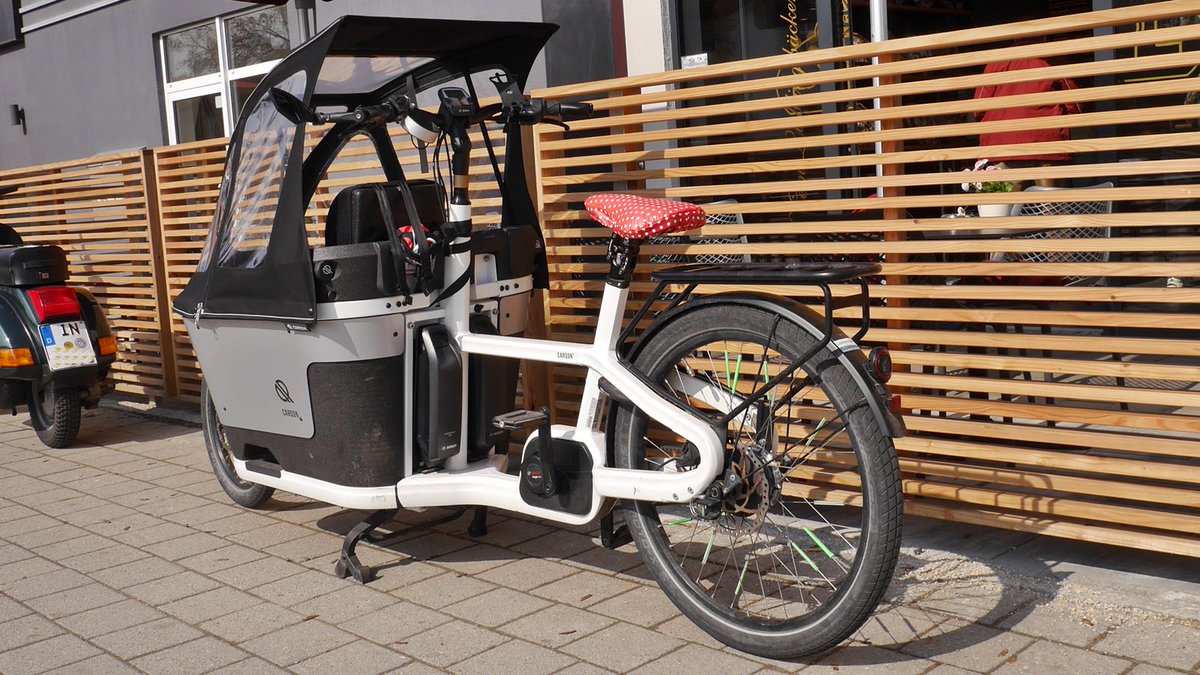
Mein Vorschlag statt Tempolimit: Lebenslang Zwangslastenrad für Grünenwähler. 1. läuft ihre Wunschpolitik darauf hinaus und 2. bleibt dann mehr Benzin für alle anderen und 3. ist das Verantwortungsdemokratie.
Don Alphonso tweet media
Deutsch
147
592
3.8K
31.1K
Central retweetledi
Marcel Luthe - Good Governance
Es sind die selben Gestalten, die Intensivbetten abgebaut haben, um dann ihren zerstörerischen, diktatorischen Neosozialismus mit "Überlastung der Intensivstationen" zu begründen, die nun AKW abreißen, Kohleminen fluten und Gaspipelines zerstören lassen, um dann von "Energiekrise" zu faseln. Es ist eine gezielte Sabotage der Lebensgrundlagen. Zum zweiten Mal.
Marcel Luthe - Good Governance tweet media
Deutsch
80
1.1K
2.9K
30.3K
Julian Reichelt
Julian Reichelt@jreichelt·
Die SPD versteht unter "Reformen", jetzt auch noch die Ernährung zu regulieren. Merkt niemand, wie absurd es ist, wenn der übergewichtige, kurzatmige Dauerschwitzer Lars Klingbeil und die vollkommen aus dem Leim gegangene Bärbel Bas vorschreiben, was für 83 Millionen Menschen als "gesund" gilt? Wieviel Fett darf ein Steak haben, um als "gesund" zu gelten? Wieviel Salz duldet die Lauterbach-Kommission? Ist Currywurst "gesund", wenn man gerade hart gearbeitet hat? Oder ist das ohnehin ausgenommen, weil es ein kombiniertes Lebensmittel ist? Das Ungesündeste im Land ist der Regulierungswahn.
Seeheimer Kreis@seeheimer

Eine gesunde Ernährung darf nicht vom Kontostand abhängig sein. 🔴 Darum fordert @EsraLimbacher , Sprecher des Seeheimer Kreises, die Mehrwertsteuer auf gesunde Lebensmittel auf null zu setzen, um Familien und die arbeitende Bevölkerung beim Einkauf spürbar zu entlasten. 🛒 Vor allem Grundnahrungsmittel wie Obst und Gemüse, Brot, Nudeln, Reis, Eier und Wasser sollen günstiger werden. Mehr dazu im BILD-Artikel: bild.de/politik/inland… #SPD #SeeheimerKreis #Mehrwertsteuer #Entlastung #GesundeLebensmittel

Deutsch
143
413
2.7K
65.8K
Central retweetledi
Tina 🚜🚜🎗️🟧
Tina 🚜🚜🎗️🟧@Schneeridara·
Sobald der Staat weniger Mineralölsteuer einnimmt, kommt die Steuer für E-Autos siehe Norwegen
Tina 🚜🚜🎗️🟧@Schneeridara

@Uwe_Lutz_ @matzesmeinung Norwegen (Vorreiter bei E-Autos) - Seit 2023/2026: MwSt. (25 %) gilt ab einem bestimmten Preis (z. B. über ca. 44.000 €), Gewichtssteuer (pro kg über einem Freibetrag) und andere Abgaben kommen hinzu. Hohe Basissteuern auf Autos allgemein (bis 150 % effektiv möglich)

Deutsch
1
2
3
76
Central
Central@centralgewalt·
@welt Die Spritpreise sind ihm noch nicht hoch genug?
Deutsch
0
0
2
24
Central retweetledi
Drew Pavlou 🇦🇺🇺🇸🇺🇦🇹🇼
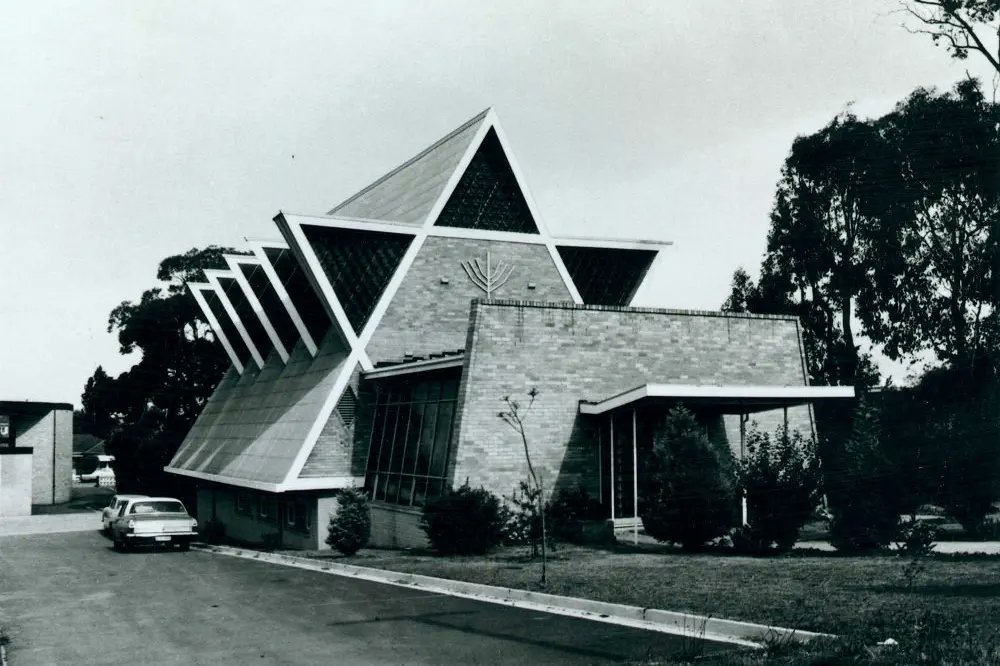
I think we should seriously start referring to the demographic transformation of South-West Sydney over the past 50 years as a form of ethnic cleansing. The story of the Bankstown Synagogue is a case in point. Built in 1913, the Bankstown Synagogue was the first Jewish synagogue in suburban Sydney. It was firebombed and destroyed in 1991 as the suburb of Bankstown rapidly filled up with Islamist migrants escaping the Lebanese Civil War. I was only dimly aware of the story before I decided to try look up the location of the Bankstown Synagogue today on Google Streetview. I was just curious to see what the street looked like today. And then it hit me. My jaw literally dropped to the floor. The destroyed Bankstown Synagogue stood just a few doors down from the site of the Al Madinah Dawah Center today - the extremist ISIS linked mosque in Bankstown that radicalised the Bondi shooter Naveed Akram. So Naveed Akram was radicalised on a street where Australian Jews once prayed before being driven out essentially by ethnic cleansing. Within living memory, Bankstown moved from being a majority Anglo-Christian suburb with a functioning Jewish congregation to a plurality-Muslim suburb dominated by harsh and extreme forms of Islam. It really is Australia's Molenbeek. If you compare known ISIS foreign fighter recruitment rates from South-West Sydney with census data from the mid-2010s you quickly come to the shocking conclusion that roughly 1 in every 100 young Muslim men in this part of Sydney fought for ISIS in the mid-2010s - or were stopped by Australian authorities right as they were leaving the country to do so. Naveed Akram was radicalised to mass murder Jewish Australians at a mosque located just a few doors down from a destroyed synagogue. Yes, this is ethnic cleansing.
Drew Pavlou 🇦🇺🇺🇸🇺🇦🇹🇼 tweet media
English
176
666
3.5K
93.8K
Central retweetledi
NEXTA
NEXTA@nexta_tv·
“I’m always at your service”: leaked calls between Lavrov and Hungary’s FM Recordings of conversations between Sergey Lavrov and Péter Szijjártó suggest the Hungarian minister was willing to advance Moscow’s interests within the EU. In one call, Lavrov asks for sanctions on oligarch Alisher Usmanov’s sister to be lifted — Szijjártó responds that Hungary, together with Slovakia, is already preparing a proposal. She was later removed from the EU sanctions list. Before ending the call, Szijjártó also mentioned visiting Gazprom’s new headquarters and added: “I’m always at your service.” According to European intelligence officials, the tone of the exchanges resembles that of a “handler and source” rather than two equal officials. There have also been previous reports that Hungary shared details of closed EU discussions with Moscow.
English
438
3.9K
14.3K
1.2M
Central
Central@centralgewalt·
@niusde_ Findet sich bestimmt ein Streichelzoo für den gestressten Waldhund.
Deutsch
0
0
3
103
NIUS
NIUS@niusde_·
Ein Wolf beißt zu, weil er in Panik gerät, nachdem er in einer Metropole hinter Glasscheiben gefangen war. Dabei ist er Teil der Natur, wurde aber systematisch ausgerottet. Seine Tötung würde Nutztierrisse mitnichten verhindern. Der Wolf? Er soll leben. nius.de/kommentar/wolf…
NIUS tweet media
Deutsch
197
97
715
44.6K
Central retweetledi
Tichys Einblick
Tichys Einblick@TichysEinblick·
Ein erschütternder Text: Ein Völklinger Polizist zerlegt das Urteil zum Mord an Simon Bohr mit Präzision und Genauigkeit. Sein Befund trifft die Justiz frontal: Widersprüche wurden übergangen, Zeugenaussagen entwertet, eine Hinrichtung umgedeutet. tichyseinblick.de/daili-es-senti…
Deutsch
59
964
3.3K
29.8K
Central retweetledi
Hayek-Club Weimar
Hayek-Club Weimar@WeimarClub·
Es ist betrüblich, das Frau Grimm, die mit der Hayek-Medaille ausgezeichnet wird, in zentralen Fragen der Wirtschaftspolitik den Pfad verlässt, den Friedrich August von Hayek und die Österreichische Schule so klar vorgezeichnet haben. Hayek hat uns gelehrt, dass der Interventionismus kein vorübergehendes Werkzeug ist, das man bei „Krisen“ mal eben aus dem Schrank holt und danach wieder wegräumt. Er ist ein Prozess, der sich selbst verstärkt: Jeder Eingriff erzeugt neue Ungleichgewichte, die dann wiederum weitere Eingriffe „notwendig“ machen. Genau diese Dynamik beobachten wir seit Jahrzehnten. Die Energiekrise ist kein Schicksalsschlag der Natur, sondern weitgehend das Ergebnis jahrelanger politischer Interventionen – von der Energiewende über Preisdeckel und Subventionen bis hin zur Missachtung von Marktpreisen als knappheitsanzeigenden Signalen. Ein temporäres Tempolimit als „kluges Signal“, damit die Bürger die Lage „ernster nehmen“, ist genau die Art von symbolischer Planwirtschaft, die Hayek in „Der Weg zur Knechtschaft“ als gefährlich entlarvt hat. Statt die Preise wirken zu lassen – die einzige dezentrale, informationsverarbeitende Instanz, die wir kennen –, greift man zu Geboten und Verboten. Das mag kurzfristig populistisch wirken, langfristig aber untergräbt es die Anpassungsfähigkeit der Wirtschaft und die Freiheit des Einzelnen. Noch paradoxer wird es, wenn dieselbe Stimme sich für die Frauenquote und Interventionen ausspricht. Hier zeigt sich die Inkonsistenz: In manchen Bereichen erkennt man die Grenzen des Staates, in anderen – besonders dort, wo es um sichtbare, medienwirksame „Solidarität“ geht – fällt man zurück in interventionistisches Denken. Die wahre Tragik liegt darin, dass selbst Institutionen, die sich dem Erbe Hayeks verpflichtet fühlen, offenbar zunehmend bereit sind, den Namen des großen Denkers mit Positionen zu verbinden, die seiner Erkenntnis widersprechen: dass spontane Ordnung der zentralen Lenkung überlegen ist und dass jede zusätzliche staatliche Intervention die Probleme, die sie lösen soll, meist nur verschärft. Wer wirklich im Geiste Hayeks denkt, der fordert in Zeiten der Krise nicht mehr Staat, sondern weniger – mehr Preisfreiheit, mehr Verantwortung, mehr Vertrauen in die kreativen Kräfte freier Individuen. Alles andere ist nicht „pragmatisch“, sondern der bekannte Irrweg, der schon so oft in Stagnation und Unfreiheit gemündet ist.
Deutsch
22
122
546
13.2K