Círculo Escéptico

138.2K posts

Círculo Escéptico banner
Círculo Escéptico

Círculo Escéptico

@cescept

Asociación sin ánimo de lucro para la promoción del pensamiento racional y crítico.

Katılım Mayıs 2008
686 Takip Edilen27.4K Takipçiler
Círculo Escéptico
Círculo Escéptico@cescept·
La mezcla de tecnología invasiva para el control poblacional, ideología supremacista blanca y religión cristiana (evangélica y católica) que diseñan este grupo de Silicon Valley es muy, muy peligroso. x.com/vbaosv/status/…
Vicente Baos 🇪🇺🇪🇸@vbaosv

El Procristo Peter Thiel en Roma dando un seminario sobre el Anticristo. Si no fuera tan peligroso sería un chiste. Roma y el Vaticano hacen el vacío a los sermones de Peter Thiel sobre la llegada del anticristo elpais.com/internacional/… a través de @el_pais

Español
0
2
2
310
Círculo Escéptico
Círculo Escéptico@cescept·
La muerte no es como en las películas, pocos filmes han reflejado la realidad. Es bueno saber como es el proceso de morir de forma no traumática ni súbita. Muy recomendable x.com/mlalanda/statu…
Español
0
2
9
1.9K
Círculo Escéptico
Círculo Escéptico@cescept·
TheLiverDoc™@theliverdoc

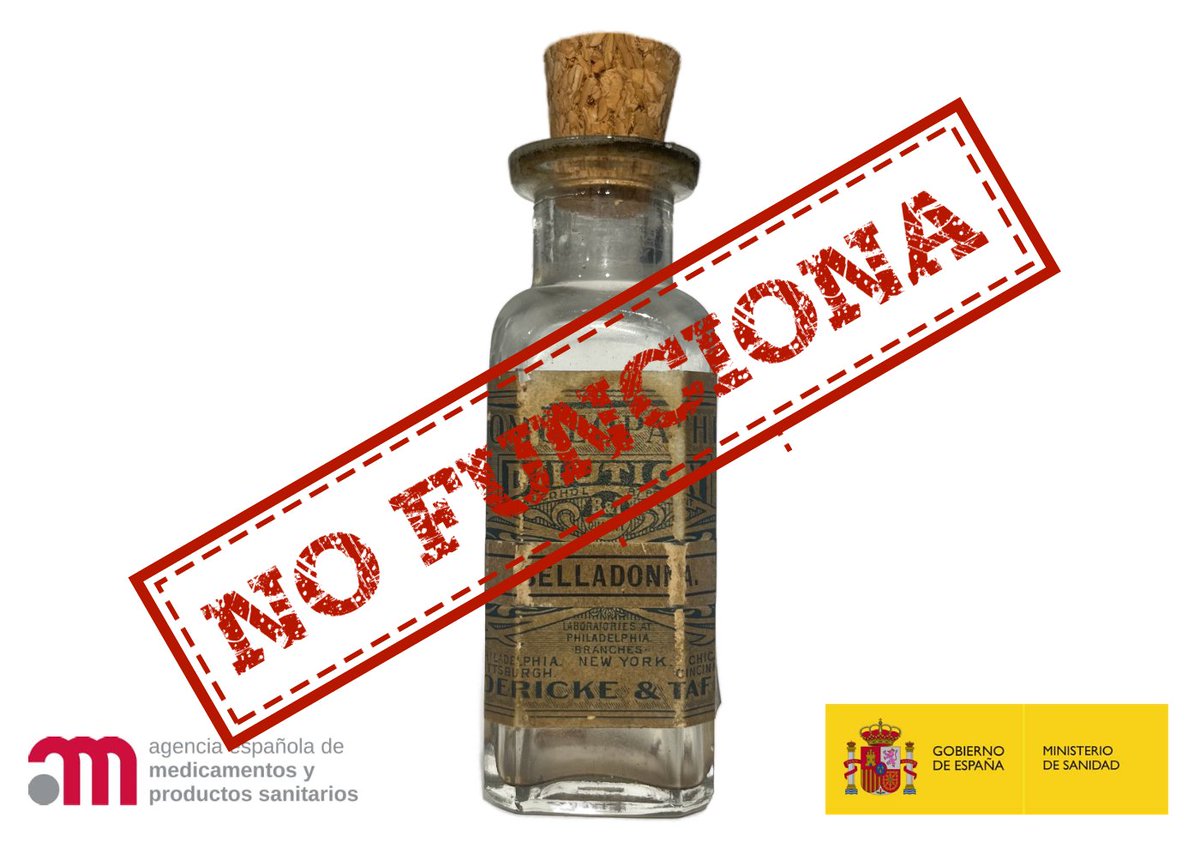
VERY IMPORTANT ANNOUNCEMENT. Dear friends, we have published the largest analytical study of Ayurveda, Homeopathy, Siddha, Unani and Folk-Traditional Medicinal products that have harmed patients - presenting with liver damage - to our department. This is the most exhaustive analytical study that correlated clinical outcomes in such patients. Interestingly, one of the Reviewers who peer-reviewed our paper (notification after paper publication) and cleared it for publication is a senior professor of Ayurveda (Rasashastra and Bhaishajya Kalpana) at All India Institute of Ayurveda. This makes our paper even more impactful. Here is a plain language summary of the study's major findings, highlighting what patients and the public need to know about the safety of alternative medicines: Severe Liver Damage is a Major Risk: The study looked at 386 alternative and complementary medicines taken by patients who experienced liver damage. It found that these products frequently triggered a severe, life-threatening form of liver failure, called Acute-on-chronic liver failure (or ACLF) which resulted in death for nearly 40% of the patients who developed it. Unlabeled Products Can Be Deadly: Taking "unlabeled" products—those sold without proper ingredient lists, manufacturer details, or batch numbers—was a strong predictor of death. The risk of dying increased the more unlabeled products a patient consumed, showing how dangerous an unregulated supply chain can be. Data revealed a dose-response relationship where death rates escalated progressively, reaching 42.9% among patients who consumed three or more unlabeled products. Dangerous Levels of Heavy Metals: A shocking number of the tested products were heavily contaminated with toxic metals like mercury, lead, arsenic, and cadmium, often at levels far above safety limits. Exposure to cadmium, in particular, was strongly linked to patients developing the most severe form of liver failure. Exposure to cadmium was strongly and significantly associated with the development of ACLF (75.9% in exposed versus 22.6% in unexposed patients). Hidden Prescription Drugs: Almost one-third of the products secretly contained modern pharmaceutical drugs, meaning patients were taking them without knowing. These hidden drugs included steroids, antibiotics, and painkillers, and some were even banned or well-known to cause liver damage. "Natural" Doesn't Always Mean Safe: Over 40% of the products contained plant ingredients that are medically documented to be toxic to the liver. Well-known herbs like Giloy (Tinospora cordifolia) and Ashwagandha were among the most common potentially harmful plants found in the products. Secret Animal Ingredients: Testing revealed that nearly a third of the products contained undisclosed animal ingredients (such as dairy, marine products, or animal extracts). This is a major concern for vegans, vegetarians, and people with religious dietary restrictions who believe they are taking plant-based medicines. Risks from Concentrated Plant Extracts: The study discovered that high concentrations of certain common plant fats and compounds (called phytosterols) were tied to higher rates of severe liver failure. This shows that highly concentrated "natural" extracts can act differently in the body and become harmful, even if they come from everyday plants. Lead Reseacher: @arifhussaintm FULL PAPER (free to read): frontiersin.org/journals/gastr…

ZXX
0
4
5
712