Sabitlenmiş Tweet

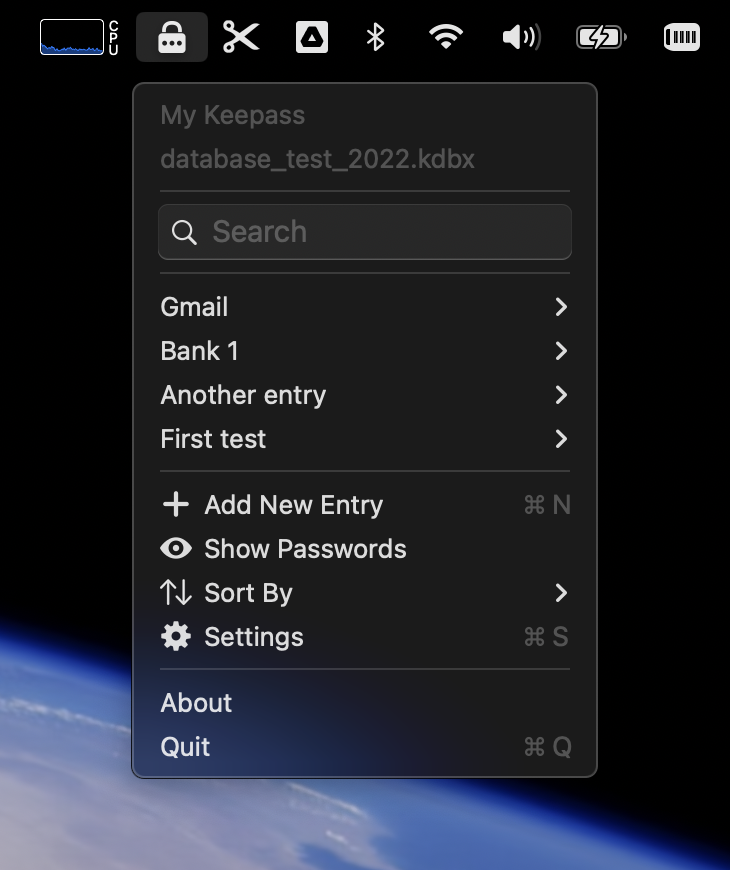
My Keepass - Menubar Passwords for macOS
New version 1.3 released!
- NEW: Search field for faster lookups directly on the menu.
- Bug fixes and improvements.
Check it out!
Apple Store: apps.apple.com/us/app/my-keep…
English
Carlos E. Torres
3.5K posts

@cetorres
💼 Principal Member of Technical Staff at @Oracle (health, mobile, AI assistants) | 🎓 M.S. in Computer Science from @UCCS, AI/ML/NLP/LLMs


Introducing SubQ - a major breakthrough in LLM intelligence. It is the first model built on a fully sub-quadratic sparse-attention architecture (SSA), And the first frontier model with a 12 million token context window which is: - 52x faster than FlashAttention at 1MM tokens - Less than 5% the cost of Opus Transformer-based LLMs waste compute by processing every possible relationship between words (standard attention). Only a small fraction actually matter. @subquadratic finds and focuses only on the ones that do. That's nearly 1,000x less compute and a new way for LLMs to scale.
❗️🚨 Microsoft Edge keeps every saved password in process memory as cleartext from the moment it launches. Microsoft's responsed when reported: "by design." All of them. Including credentials for sites you won't open this session. Researcher @L1v1ng0ffTh3L4N tested every major Chromium browser. Edge is the only one that behaves this way. Chrome decrypts credentials on demand, and App-Bound Encryption locks the keys to an authenticated Chrome process so other processes can't reuse them. In Chrome, plaintext surfaces only during autofill or when a password is viewed, making memory scraping far less useful. What makes this extra weird is that Edge still demands re-authentication before revealing those passwords in its Password Manager UI, while the same browser process already holds every one of them in plaintext. In shared environments, this turns into a credential harvest. On a terminal server, an attacker with admin rights can read the memory of every logged-on user process. In the published PoC video, a compromised admin account lifts stored credentials from two other logged-on (and even disconnected) users with Edge running. Microsoft's official response when notified: "by design." The finding was disclosed April 29 at BigBiteOfTech by PaloAltoNtwks Norway, alongside a small educational tool that lets anyone verify the cleartext storage for themselves.