
Chris Joyce

299 posts

Chris Joyce banner
Chris Joyce

Chris Joyce

@chrisjoycept

Physical Therapist; Assistant Professor at Massachusetts College of Pharmacy and Health Sciences; Love to learn, move, teach and research

Katılım Ekim 2013
317 Takip Edilen323 Takipçiler
Chris Joyce
Chris Joyce@chrisjoycept·
We're hiring an Open Rank Faculty! We have a great student body and a cohesive, progressive faculty within a strongly established healthcare University. Reach out to me with any questions. Applicant review begins soon with a flexible start date. recruiting.adp.com/srccar/public/…
English
1
0
1
99
The Sp⚽️rts Physio
The Sp⚽️rts Physio@AdamMeakins·
It blows my mind that some so called evidence based physios try to say strengthening exercise doesn’t help things like hypermobility by using research that didn’t actually get any of its subjects stronger! 🤦‍♂️ Before you can claim strength doesn’t help you first have to get them stronger and then reassess! 🤫 ncbi.nlm.nih.gov/pmc/articles/P…
English
9
6
71
17.3K
Chris Joyce
Chris Joyce@chrisjoycept·
@AdamMeakins Okay yea thanks. I assumed you meant “help” as in help their hypermobility but understand you’re talking about outcomes secondary to the hypermobility. And yea, largely agree with your second point. Sounds like a good mediation study.
English
0
0
1
128
The Sp⚽️rts Physio
The Sp⚽️rts Physio@AdamMeakins·
Its up to you… hypermobility causes a range of symptoms from joint pain to instability to POTS to fatigue, you could pick any of these! You cant change hypermobility directly as its a genetic disorder! But to say strengthening doesn’t help in this population you need to first get a sample stronger!
English
1
0
1
1.2K
Chris Joyce retweetledi
Michaela Schenkelberg, PhD, MPH
Michaela Schenkelberg, PhD, MPH@m_schenkelberg·
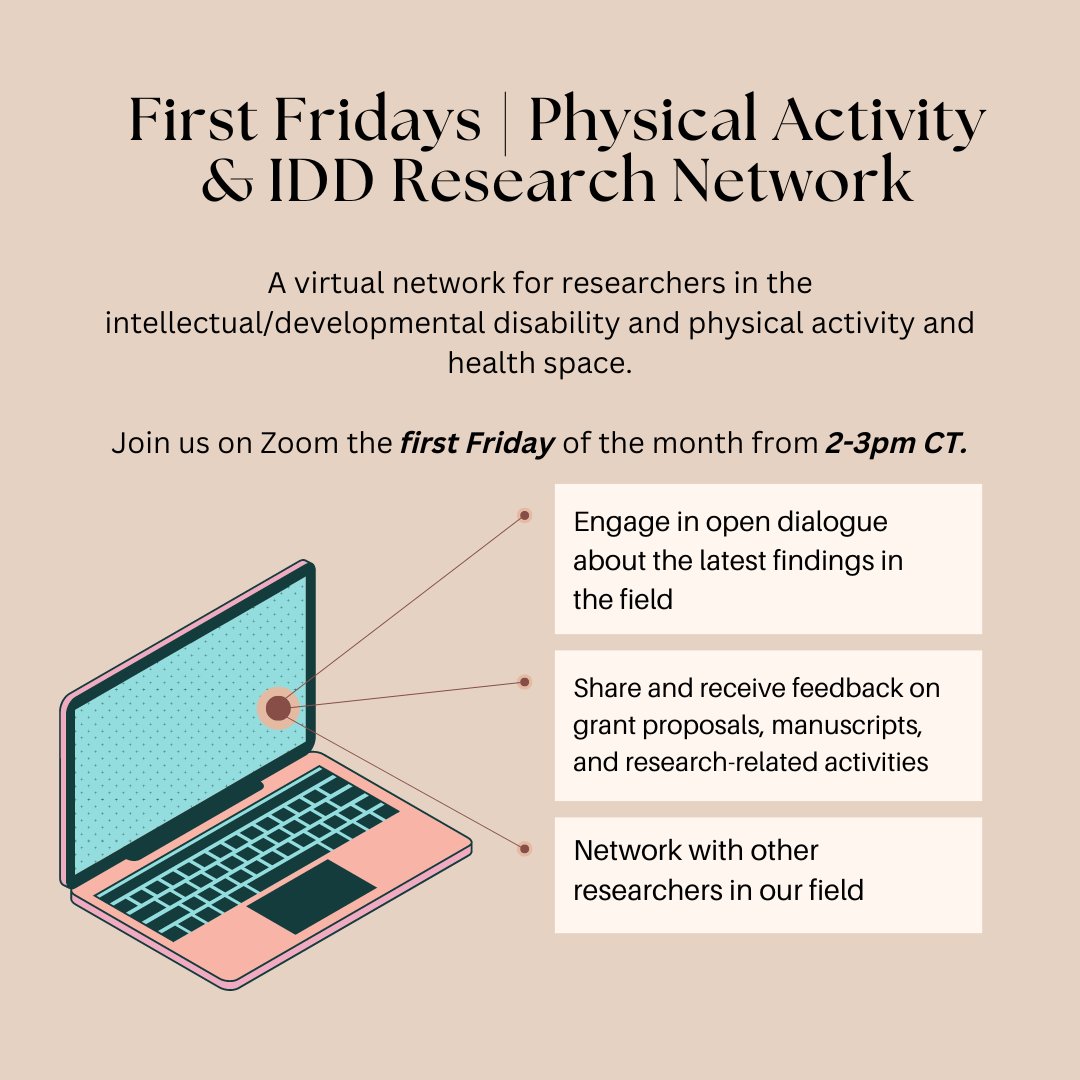
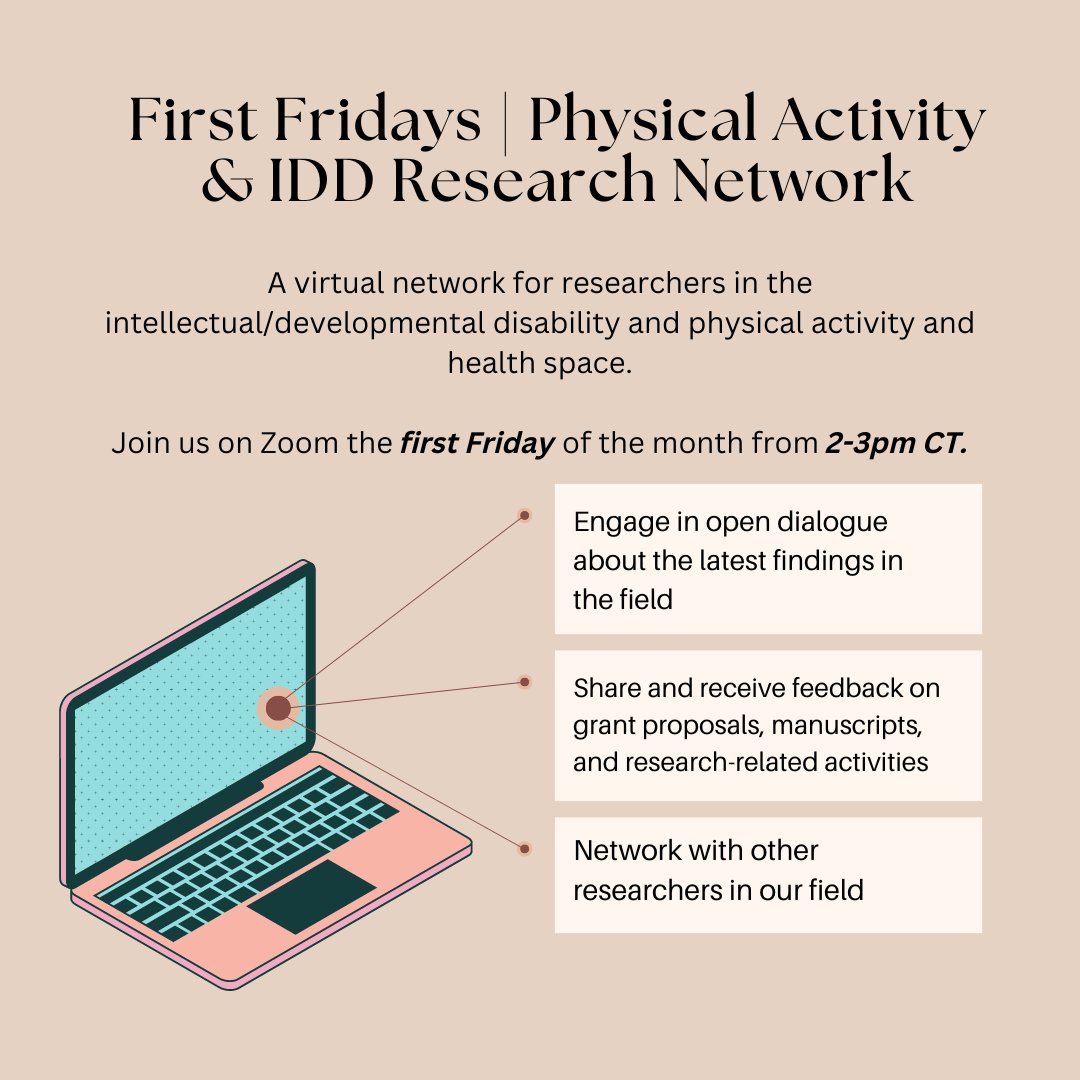
📢 Our 3rd year of the First Fridays | Physical Activity & IDD Virtual Research Network begins next Friday, Sept. 6 from 2-3pm CT! Open to students, researchers, and practicioners who want to stay in the loop about research in IDD/PA. Sign-Up Here: docs.google.com/forms/d/e/1FAI…
Michaela Schenkelberg, PhD, MPH@m_schenkelberg

📢 Connect with us (&RT)! I've formed a virtual network alongside @bchelsel & @Lauren_Ptomey to create a space for researchers in physical activity & intellectual/developmental disabilities to network & engage in discussion. Get added to the email list ➡️forms.gle/Lts7Y3wcyRa5Kj…

English
0
4
2
997
Chris Joyce
Chris Joyce@chrisjoycept·
@GregLehman @DrSethPT @zadro_josh @PTJournal The Eugene Michels forum at CSM this year will be a discussion/debate of where we are with the movement system, diagnostic labels, and where we might head towards to create a practical and valid system for movement analysis and intervention.
English
0
0
1
59
Greg Lehman
Greg Lehman@GregLehman·
@DrSethPT @zadro_josh @PTJournal I just wish there was a better way to have these public discussions. LTEs are great but they are behind a paywall and take too much time to be dynamic. I still think Twitter is the best but I think the user uptake is too low
English
2
0
2
176
Chris Joyce
Chris Joyce@chrisjoycept·
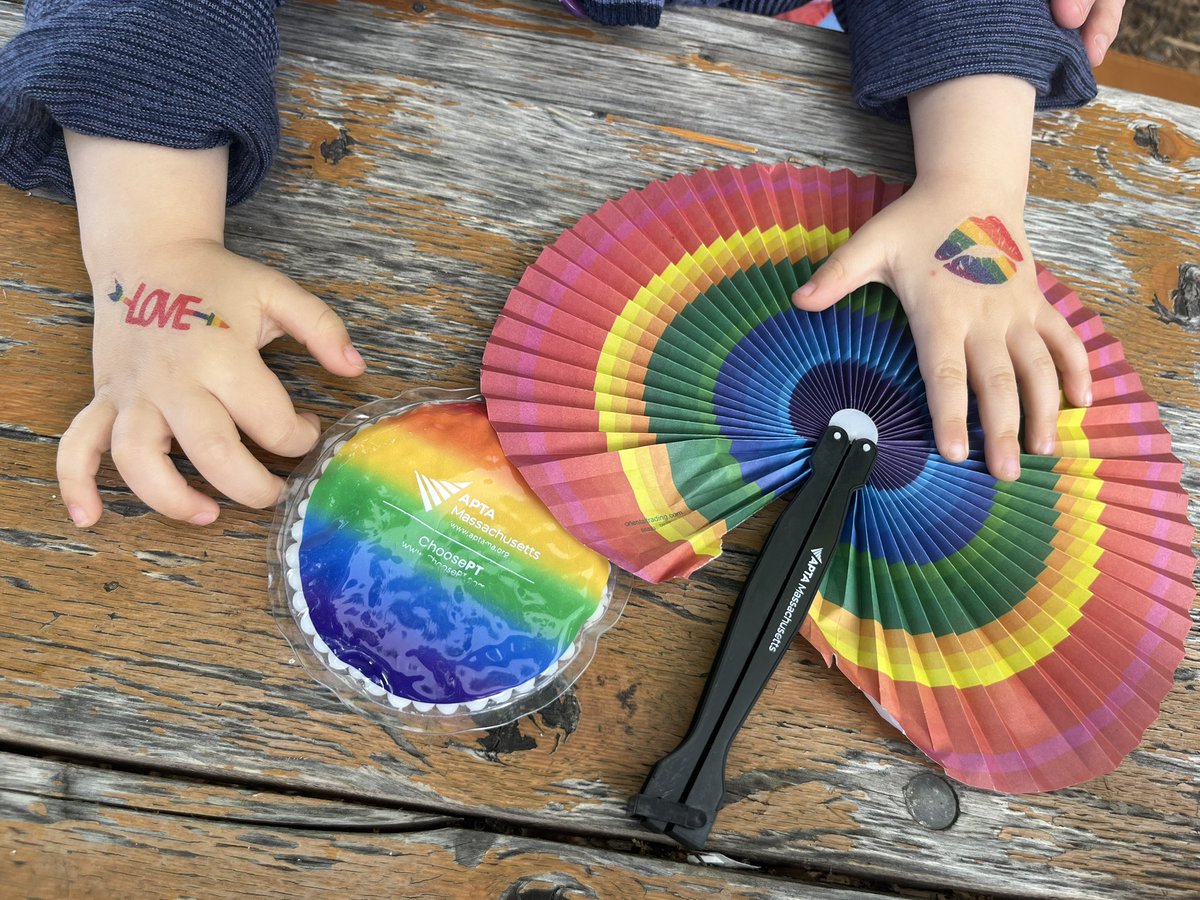
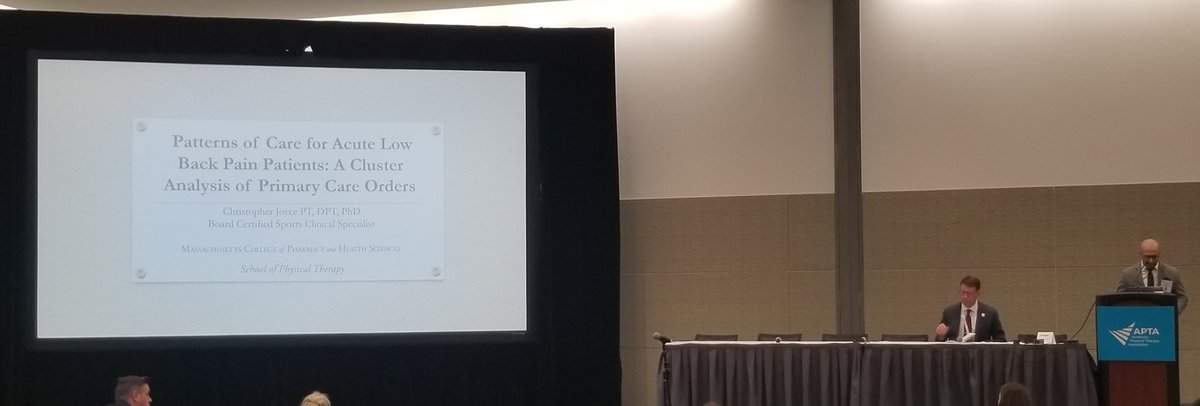
#proud of my @Aptaofma to show up and represent our profession in Boston today and of my alum @NUPTMRS who had some of their faculty stationed at the booth
Chris Joyce tweet media
English
0
1
2
155
Chris Joyce
Chris Joyce@chrisjoycept·
@GregLehman @jacksonfyfe Yea no doubt, these tests are common functions in life and as far as properties go they do well correlating with things like overall health, QOL, and self-reported function. What caught my eye was that the exercises were the tests (if I understand the intervention correctly).
English
0
0
1
121
Greg Lehman
Greg Lehman@GregLehman·
@chrisjoycept @jacksonfyfe Don't you think that these "functional tests" are the "function" we want to improve? They are the "function" they aren't just associated with it.
English
1
0
1
177
Jackson Fyfe, PhD
Jackson Fyfe, PhD@jacksonfyfe·
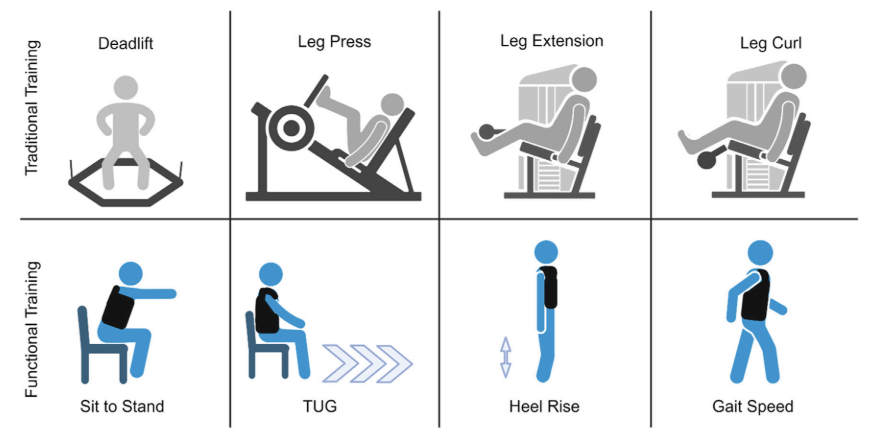
Can traditional resistance training improve functional task performance in older adults? Or is more “task-specific” training required? Here, 6 weeks of traditional resistance training improved dynamic (5-RM) strength, but had limited carryover to functional task performance (like gait speed or chair stands). Performing the functional tasks with a weighted vest further improved task performance, but had less impact on dynamic strength. Improvements in a non-specific (isometric) strength task and muscle size were similar with both traditional and task-specific training. An interesting lesson in specificity and the benefits of varied (both traditional and task-specific) resistance training. Nice work from @MattStockPhD and team! frontiersin.org/articles/10.33…
Jackson Fyfe, PhD tweet media
English
12
70
280
54.5K
Chris Joyce
Chris Joyce@chrisjoycept·
@jacksonfyfe @GregLehman Does this functional training improve function or does it improve scores on the tests that are associated with function? Nonetheless, specificity reigns. You get better at what you practice.
English
1
0
10
581
Jackson Fyfe, PhD
Jackson Fyfe, PhD@jacksonfyfe·
I think the evidence for "traditional" resistance training improving aspects of physical function is fairly mixed. No doubt there are benefits to improving general strength and muscle mass. But for many the goal is to improve the ability to perform activities of daily living. So a mix of both general and specific training is probably "best", but either is beneficial (depending on what the target outcome is).
English
4
0
19
2.7K
Chris Joyce
Chris Joyce@chrisjoycept·
The @bostonmarathon is a historic event that celebrates the grit and perseverance of the athletes every year. @WCVB and @cbsboston not highlighting the start of the Duo runners was really disappointing. Hopefully next year they are included and celebrated equally.
English
0
0
0
123
Chris Joyce
Chris Joyce@chrisjoycept·
@JohnWarePT @AdamMeakins @CGMMaher Lost me a little there. I think @CGMMaher suggestion to use the actual terms (I.e. Hawthorne, NH, TA) instead of specific, non specific, contextual…would be helpful. I’m not even sure what is meant by “specific tx effect”. Shouldn’t that be confirmed via mediation analysis 🤷‍♂️
English
1
0
1
71
John Ware PT, DHSc
John Ware PT, DHSc@JohnWarePT·
@chrisjoycept @AdamMeakins @CGMMaher To the extent therapeutic alliance influences confidence and trust, it’s certainly a factor in treatment effect. “Non-specific effects” should be in a separate row but also a separate column. “Tx outcome” implies a causal relationship, which isn’t the case per this definition.
English
1
0
1
219
The Sp⚽️rts Physio
The Sp⚽️rts Physio@AdamMeakins·
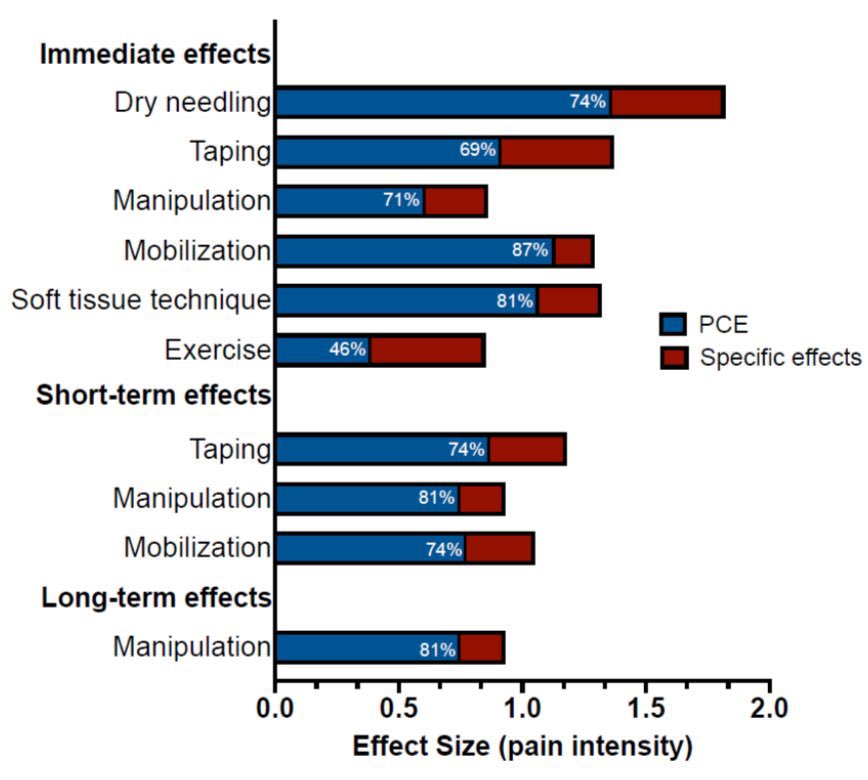
What an interesting paper this is! pubmed.ncbi.nlm.nih.gov/38602164/ It shows that 70-80% all manual therapy’s effects on pain are due to contextual effects (PCE) and not the actual treatment itself! Contextual effects are things like the therapist explanations, narratives, and positive patient priming, as well as the patients beliefs, expectations, previous experiences etc It also shows that exercise rehab treatments rely on nearly 50% of these contextual effects as well! Key point is a lot of treatment effects are not due to WHAT is used, but HOW it is explained! Great work @YasEzzatvar @GiacomoRoss86 et al 👏
The Sp⚽️rts Physio tweet media
English
15
69
382
49K
Chris Joyce
Chris Joyce@chrisjoycept·
@JohnWarePT @AdamMeakins @CGMMaher Sure yea, as would some contextual effects (eg a therapeutic alliance). Maybe better to call it tx outcome than tx effect. I think the definitions are challenging and used inconsistently. I used to consider contextual effects as “non specific” but have tried to align with this
English
1
0
0
266
Chris Joyce
Chris Joyce@chrisjoycept·
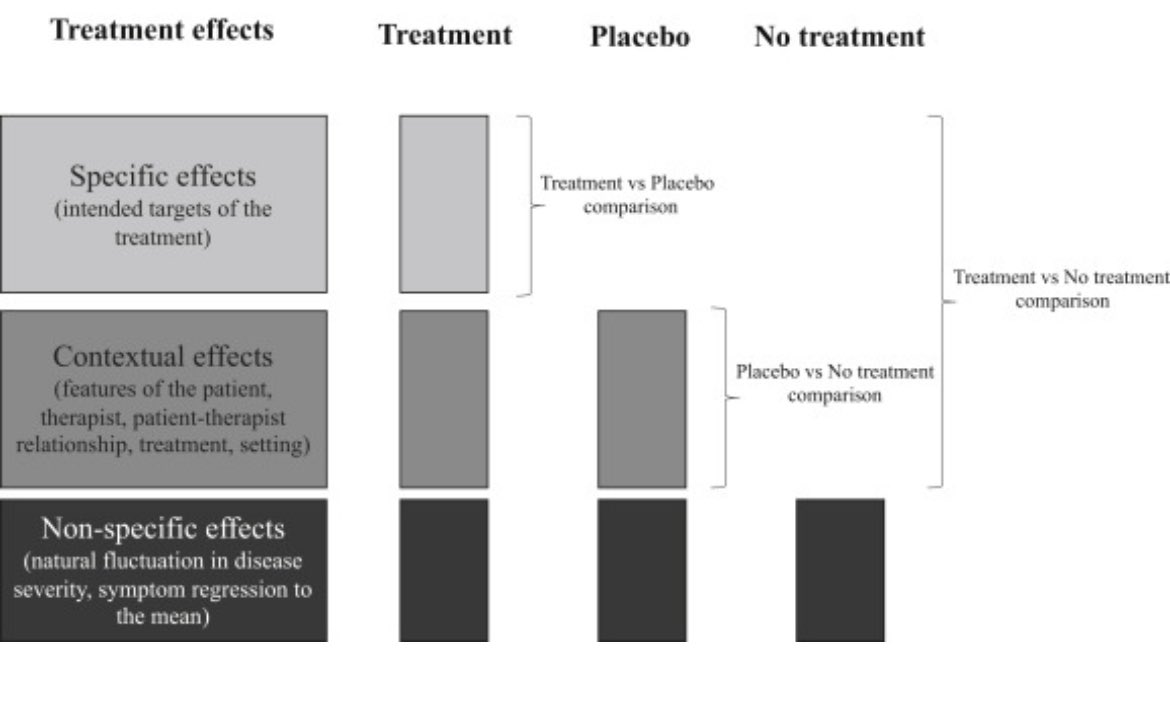
@AdamMeakins @CGMMaher If you have three groups. I love this image that explains the different components of a treatment effect. Perhaps a better interpretation of the JOSPT article is that the contextual + non specific effects are large. Still an important finding oarsijournal.com/article/S1063-…
Chris Joyce tweet media
English
3
5
41
3.8K
The Sp⚽️rts Physio
The Sp⚽️rts Physio@AdamMeakins·
@CGMMaher Thanks Chris!! So can we tease out a more realistic percentages of the placebo, natural history, contextual effects from this data?
English
5
0
5
5.1K
Chris Joyce retweetledi
Michaela Schenkelberg, PhD, MPH
Michaela Schenkelberg, PhD, MPH@m_schenkelberg·
We're back! 🙌🏼 Join us tomorrow for First Fridays - a virtual network of researchers in physical activity and health among individuals with IDD. @brendan_aylward will be presenting about AdaptX, an online adapted fitness program, & potential research collaborations. Join us!
Michaela Schenkelberg, PhD, MPH tweet media
English
1
2
7
279
Chris Joyce
Chris Joyce@chrisjoycept·
@axelphysio Look forward to reading. Staying within the ICF makes total sense for any type of taxonomy. @ajette1 had a podcast with Pr. Sarhmann and asked her about this. I didn’t find the answer clear or compelling.
English
0
0
2
18
Chris Joyce
Chris Joyce@chrisjoycept·
Have people outside the US heard about the Movement System that is being developed and promoted in the American Physical Therapy Association? An aim of it is to create a classification of "Movement Diagnoses" that will be used by physical therapists. academic.oup.com/ptj/advance-ar…
English
22
24
95
70.9K
Chris Joyce retweetledi
Michaela Schenkelberg, PhD, MPH
Michaela Schenkelberg, PhD, MPH@m_schenkelberg·
Happening this Friday! This week @chrisjoycept will be leading a discussion on high intensity training for adolescents with Down syndrome. 🏋🏼‍♀️ If you'd like to join our virtual research network, please get in touch with @bchelsel who is coordinating the group while I'm on leave!
Michaela Schenkelberg, PhD, MPH tweet media
Nebraska, USA 🇺🇸 English
0
4
9
999