Christophe Poirier

12K posts

Christophe Poirier

Christophe Poirier

@chrispgfr

Katılım Nisan 2015
211 Takip Edilen89 Takipçiler
Christophe Poirier retweetledi
Le Ploutos
Le Ploutos@leploutos·
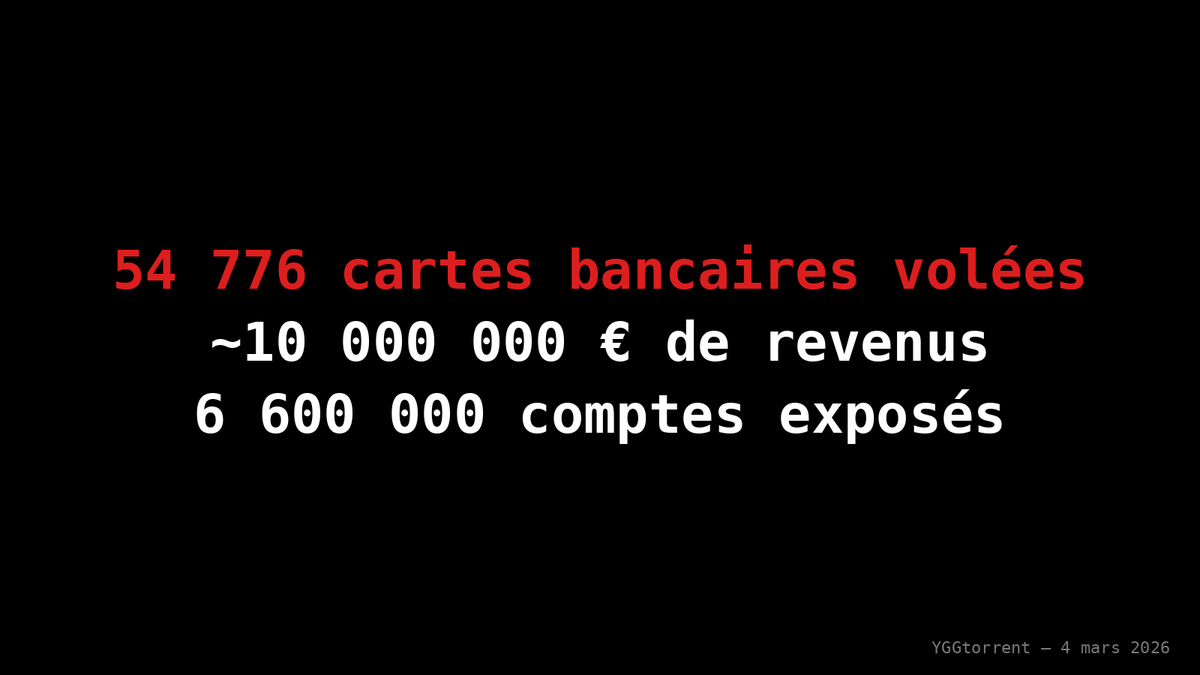
Cette nuit, le plus gros tracker torrent francophone a été détruit. 6,6 millions de comptes. ~10 millions d'euros de revenus en 2 ans. 54 776 cartes bancaires volées en clair. Et le pire : c'est ce qu'on a trouvé DANS les serveurs qui enterre YGGtorrent. Pas la justice. Pas la police. Un favicon. Fil complet. 🧶
Le Ploutos tweet media
Français
48
252
1.4K
396.6K
Christophe Poirier retweetledi
Nav Toor
Nav Toor@heynavtoor·
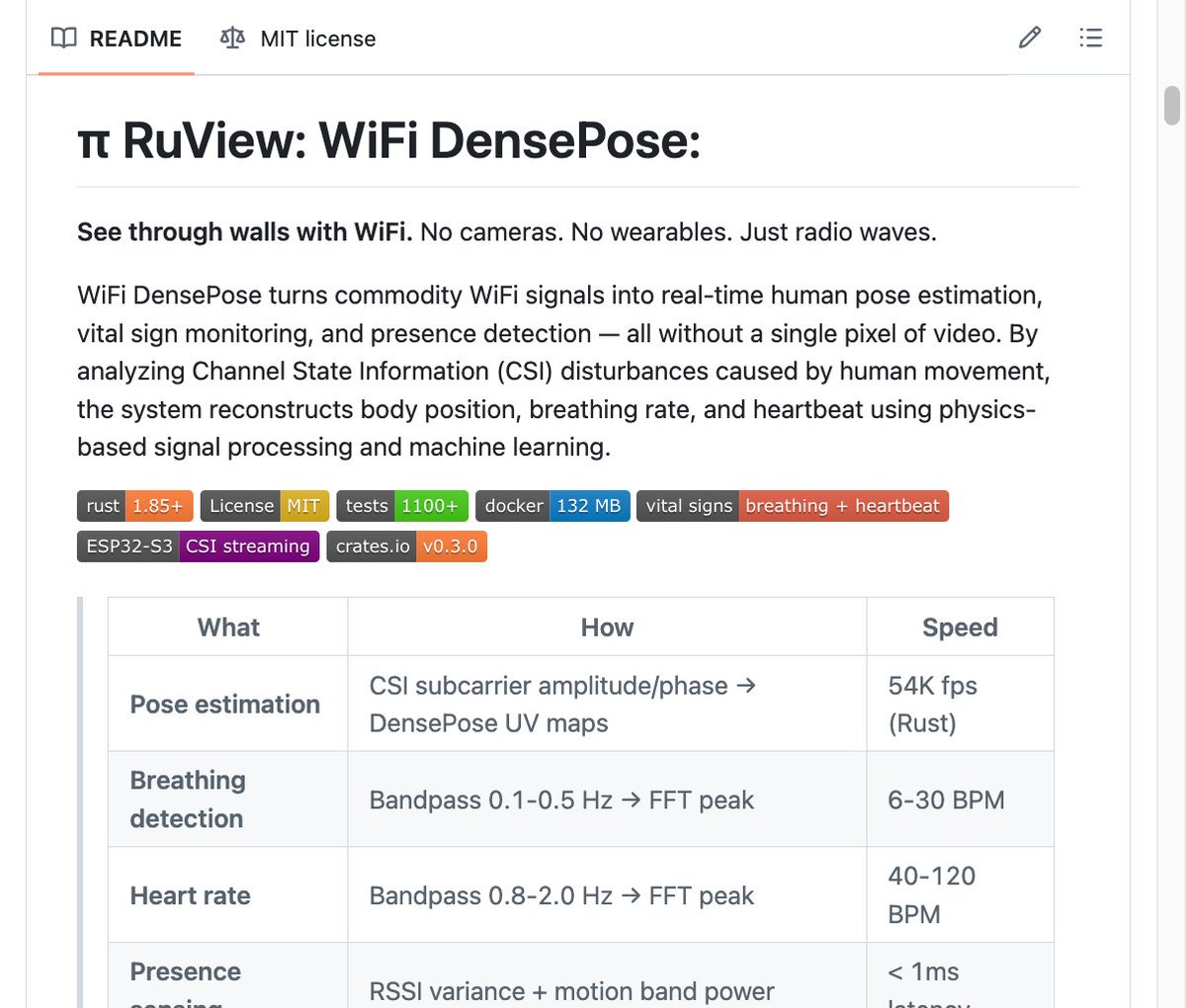
🚨 Someone just turned your WiFi router into a full-body surveillance system. No cameras. No wearables. No video. Just radio waves. It's called RuView. It uses the WiFi signals already in your room to detect human poses, track breathing, measure heart rate, and see through walls. Not a concept. Not a research paper. Working code you can run right now. Here's what this thing actually does: → Tracks full 17-point body pose using only WiFi signals → Detects breathing rate (6-30 BPM) without touching anyone → Measures heart rate (40-120 BPM) from across the room → Sees through walls, furniture, and debris up to 5 meters deep → Tracks multiple people simultaneously with zero identity swaps → Self-learns from raw WiFi data. No labeled datasets needed Here's how it works: WiFi signals pass through your room and hit the human body. The body scatters those signals differently based on position, breathing, even heartbeat. RuView reads that scattering pattern and reconstructs everything. A mesh of 4 ESP32 nodes ($48 total) gives you 360-degree coverage with 12 measurement links, 20 Hz updates, and sub-30mm precision. Here's the wildest part: It has a disaster response mode called WiFi-Mat. It detects survivors trapped under rubble through concrete walls, classifies injury severity using START triage protocol, and estimates 3D position. The kind of tool that saves lives after earthquakes. The Rust implementation processes 54,000 frames per second. That's 810x faster than the Python version. The entire Docker image is 132 MB. The AI model fits in 55 KB of memory. Runs on an $8 ESP32 chip. Train once, deploy in any room. No retraining. No recalibration. 1,100+ tests. SHA-256 verified capability audit. 22.4K GitHub stars. 2.7K forks. MIT License. 100% Open Source.
Nav Toor tweet media
English
256
1.7K
6K
581.4K
Christophe Poirier retweetledi
Don Winslow
Don Winslow@donwinslow·
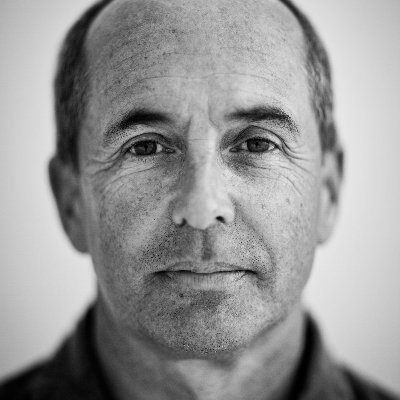
There are different ways to deal with problems.
English
584
4.3K
21.7K
1.7M
Christophe Poirier retweetledi
Imtiaz Mahmood
Imtiaz Mahmood@ImtiazMadmood·
Muslims living with Hindus = Problem. Muslims living with Buddhists = Problem. Muslims living with Christians = Problem. Muslims living with Jews = Problem. Muslims living with Sikhs = Problem Muslims living with Baha’is = Problem. Muslims living with Shintos = Problem. Muslims living with Atheists = Problem. Muslims living with Muslims = Big Problem. This led to: They’re not happy in Gaza. They’re not happy in Egypt. They’re not happy in Libya. They’re not happy in Morocco. They’re not happy in Iran. They’re not happy in Iraq. They’re not happy in Yemen. They’re not happy in Afghanistan. They’re not happy in Pakistan. They’re not happy in Syria. They’re not happy in Lebanon. They’re not happy in Nigeria. They’re not happy in Kenya. They’re not happy in Sudan. Where are they happy? They’re happy in Australia. They’re happy in England. They’re happy in Belgium. They’re happy in France. They’re happy in Italy. They’re happy in Germany. They’re happy in Sweden. They’re happy in the USA and Canada. They’re happy in Norway and India. They’re happy in almost every country that is not Islamic. Whom do they blame? Not Islam. Not their leadership. Not themselves. They blame the countries they are happy in. They want to change the countries they’re happy in to be like the countries they came from, where they were unhappy.
English
1.1K
12.8K
51.9K
2.5M
Christophe Poirier retweetledi
Le ₿unker 🪖
Le ₿unker 🪖@LeBunkerBtc·
Après ton BAC+5, tu es devenu développeur full-stack en CDI dans une boîte du CAC40 qui met "innovation" et "inclusion" dans tous ses PowerPoints. T'es payé comme un stagiaire luxembourgeois mais t'es plein d'espoir et d'ambition parce que Jean-Luc de la compta avec son pantalon a pince marron et ses spartiates d'handicapé social t'a dit qu'au bout de 5 ans "ça décolle". En 2020, pendant les confinements, ton DRH t'annonce le télétravail permanent depuis une vidéo Zoom où il porte un col roulé noir comme s'il annonçait l'iPhone 12. Les politiques et les médias confirment: c'est la bonne chose à faire d'un point de vue sanitaire et aussi pour sauver les pingouins en diminuant les émissions de CO2. Tu vends ta bagnole, tu quittes ton 28m² à Montreuil où t'entendais ton voisin tousser à travers le mur, tu t'installes en Dordogne dans une maison avec jardin, ta copine est aux anges. Tu fais tes calls en calebard avec un café en regardant les canards traverser ton terrain et pour la première fois de ta vie tu te dis que la vie est belle et que le vent a tourné en ta faveur. Tu t'imagines même mettre ta grosse en cloque. En 2024, mail de la direction un lundi à 8h: "Dans le cadre de notre politique de cohésion d'équipe, la présence au bureau est désormais obligatoire 4 jours sur 5." Tu revends la maison en Dordogne à contrecoeur et à perte parce que les taux ont quadruplé et que ton acheteur le sait très bien ce fils de pute, ta copine te quitte en prenant le gosse et le labrador parce qu'elle ne veut pas revenir en Île-de-France se faire toucher le cul dans le metro, tout en te réclamant évidemment une pension alimentaire. Tu reprends un studio à Cergy pour 1000€ par mois avec vue imprenable sur un Lidl et une bretelle d'autoroute, tu rachètes une Sandero d'occasion qui sent le Febreze et le regret, et tu retournes faire 1h30 de bouchons sur l'A15 matin et soir entre un camion polonais et un utilitaire Amazon en te disant que t'aurais jamais dû écouter ce connard de DRH. En 2026, ton manager t'invite à un call Teams un vendredi à 17h58: "On a automatisé une grande partie de tes tâches avec notre nouvel outil IA. On te propose une rupture conventionnelle." T'as 34 ans, un crédit auto en cours, un studio que tu peux plus payer, Magali qui te réclame la pension pour le chiard et le clebs et un CV dont la compétence principale vient d'être remplacée par un prompt de 3 lignes qu'un stagiaire a copié depuis Reddit.
Le ₿unker 🪖 tweet media
Français
300
1.2K
7.5K
636.8K
Christophe Poirier retweetledi
Mehdi (e/λ)
Mehdi (e/λ)@BetterCallMedhi·
bon vos threads chatGPT sur la fin des VPN commencent sérieusement à me péter les couilles donc maintenant je vais clarifier les choses définitivement prenez des notes 👇🏼👇🏼 déjà un VPN c’est juste un tunnel chiffré entre 2 machines qui encapsule vos paquets IP dans un protocole cryptographique comme WireGuard IKEv2 ou OpenVPN qui sont TOUS JE DIS BIEN TOUS open source & standardisés par l’IETF en ce sens bloquer ça reviendrait à bloquer TOUTE communication chiffrée sur internet donc adieu les banques, les hôpitaux, les entreprises multinationales, les administrations publiques & j’en passe qui utilisent exactement les mêmes protocoles pour leurs réseaux privés virtuels même si la France déréférence demain NordVPN des app stores par ex (c’est de la merde par contre, de manière générale n’achetez jamais les produits affichés par vos gourous youtubeurs préférés pour qui vous êtes juste du bétail) rien ne vous empêche de louer un VPS chez Hetzner d’y installer WireGuard en 3 commandes bash & de monter votre propre tunnel personnel indétectable pour le bloquer il faudrait du deep packet ou potentiellement bloquer tous les ports non standard mais ça casserait la moitié d’internet parce que WireGuard peut tourner sur n’importe quel port UDP même le 53 normalement réservé au DNS (je vous laisse faire vos recherches au lieu de lire des threads de gros golmons) pour info les protocoles modernes comme WireGuard ou même OpenVPN avec obfsproxy peuvent se déguiser en trafic HTTPS standard impossible à distinguer d’une simple navigation web sans casser le chiffrement TLS ce qui rendrait IMPOSSIBLE toute transaction bancaire en ligne pour l’avoir vécu en live sachez que même la Chine avec son great firewall & ses milliers d’ingénieurs n’arrive même pas à bloquer complètement les VPN alors la France avec ses 3 stagiaires payés au SMIC à l’ARCEP vous pensez vraiment qu’ils vont y arriver mdrrr bande de cons bref arrêtez de propager de la panique technique sur des sujets que vous ne maîtrisez pas
Français
350
774
3.3K
214.4K
Christophe Poirier retweetledi
☠ Bluetouff
☠ Bluetouff@bluetouff·
Bon bah je crois que c’est officiel. Sur internet, les forces armées ne sont plus un privilège régalien… Et vous allez détester la suite.
Français
4
18
96
24.9K
Christophe Poirier retweetledi
Trump Fact News 🇺🇸
Trump Fact News 🇺🇸@Trump_Fact_News·
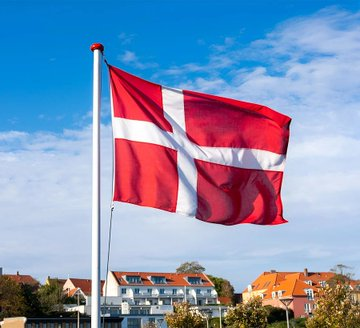
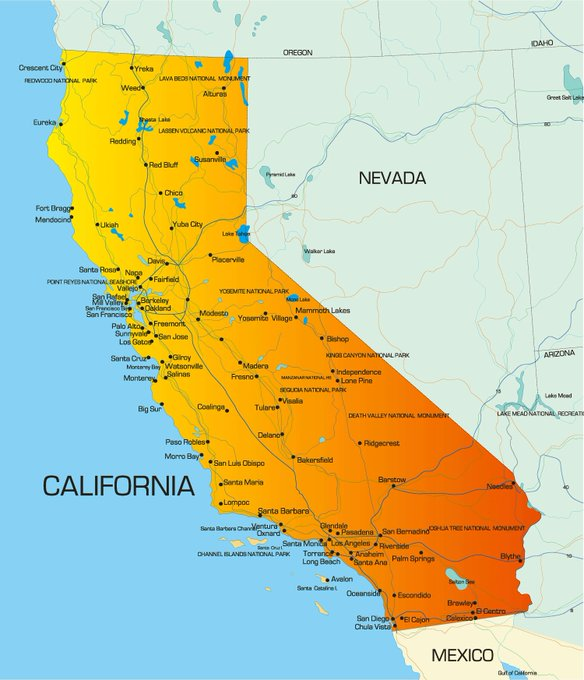
🔴ALERTE INFO : 🇩🇰🇺🇸Plus de 200 000 citoyens danois ont signé une pétition pour acheter la Californie en réponse à la tentative de Trump de s'emparer du Groenland. Ils affirment qu'ils offriront aux Californiens « l'état de droit, un système de santé universel, une politique fondée sur les faits et une réserve à vie de viennoiseries danoises ».
Trump Fact News 🇺🇸 tweet mediaTrump Fact News 🇺🇸 tweet media
Français
192
1.7K
20.3K
802.4K
Christophe Poirier retweetledi
Peter Girnus 🦅
Peter Girnus 🦅@gothburz·
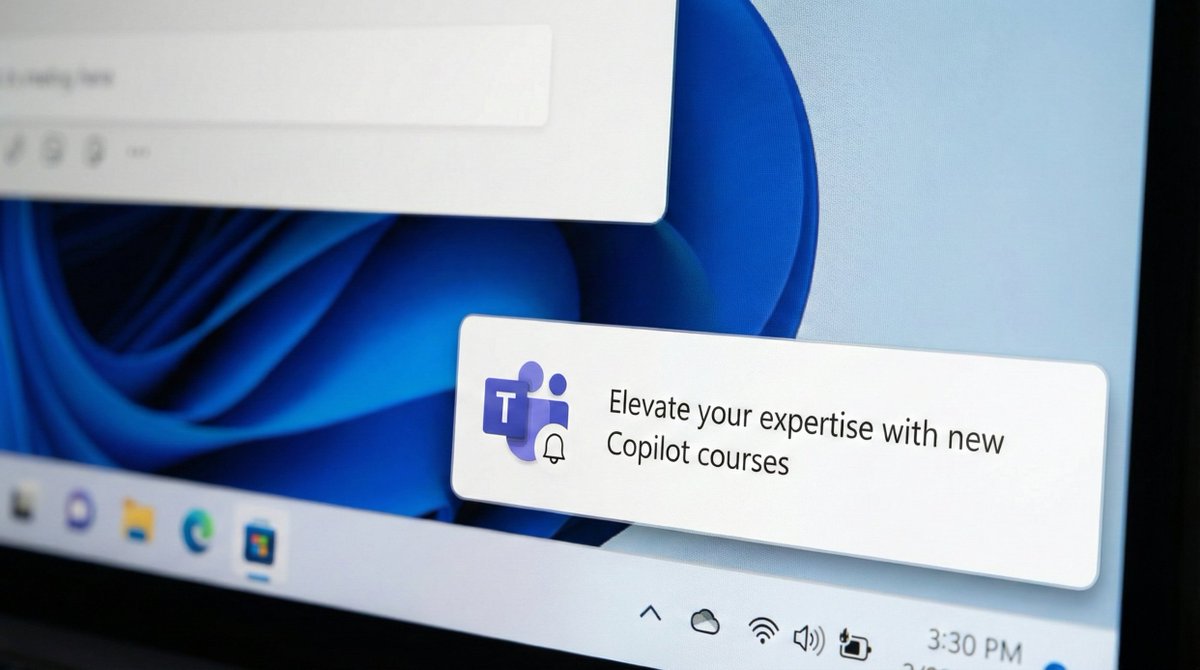
I spent $1.4 million on Microsoft Copilot. $30 per seat per month. 4,000 employees. Why? 2 words. Digital transformation. This morning I opened Microsoft Teams. My top notification wasn't from my boss. It wasn't from my team. It wasn't a customer escalation. It wasn't my wife. It was Microsoft. Telling me to learn how to use the thing I already bought. It said ... "Elevate your expertise with new Copilot courses." I've had these licenses for 6 months. Apparently ... I should have waited. The courses are 47 minutes each. There are 9 of them. That's 7 hours of learning. Times 4,000 employees. 28,000 hours. To learn the tool ... that was supposed to save us 40,000 hours. We're already down 12,000 hours. And no one's opened it yet. Here's the math I don't put in the deck. 4,000 employees. Average salary ... $105,000. That's $50 an hour. Times 7 hours of training. Times 4,000 people. $1.4 million. In labor. Just to learn the tool. The training ... costs as much as the software. $2.8 million. Year 1. To save 12,000 hours. That's $233 ... per hour saved. The CFO will never see this slide. But I'll mandate the training. Completion rates will be tracked. Tracked means dashboarded. Dashboarded means presented. Presented means ... "adoption metrics are strong." The graph will go up ... and to the right. Strong adoption ... of the training ... for the tool no one uses. Microsoft will send another case study team. The case study will be called "Enterprise drives 98% Copilot Academy completion." The CEO will post it on LinkedIn. He still won't know what Copilot does. But he'll know we're ... "committed to continuous learning." Learning is a journey. The journey costs $1.4 million per year. Plus $1.4 million in training labor. To summarize emails ... we could read in 30 seconds. But here's the thing. I'll renew next year. Because canceling requires a business case. The business case requires ROI data. The ROI data comes from the dashboard. The dashboard shows 98% training completion. 98% is a success. Success means renewal. Renewal means ... I keep my job. My job is ... making decisions. I made a decision. The decision was $2.8 million. The decision cannot be wrong. Because wrong decisions ... don't get promoted. I got promoted. So the decision was right. This is called ... "strategic alignment." Next quarter ... we're adding Microsoft 365 Copilot Studio. It costs extra. It lets us build ... custom Copilots. Custom Copilots ... to automate the workflows ... no one has ... because everyone's still ... in training. Microsoft says it's ... "transformational." I believe them. I have to. I already signed the contract.
Peter Girnus 🦅 tweet media
English
279
325
2.2K
233.5K
Christophe Poirier retweetledi
@Hackira.bsky.social
@Hackira.bsky.social@Hackira_·
Dites les US, pour le petit déj c'est le pétrole ou les balles en premier dans le bol?
Français
0
1
1
39
Christophe Poirier retweetledi
S.L. Kanthan
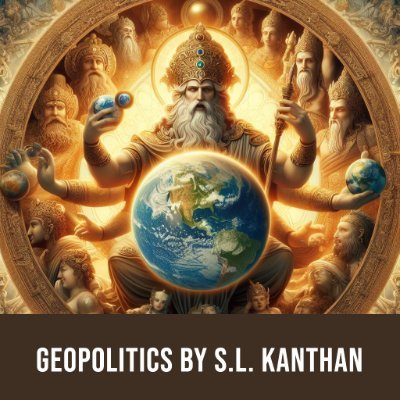
S.L. Kanthan@Kanthan2030·
How stock market bubbles work:
English
462
5.8K
34.8K
1.9M
Christophe Poirier retweetledi
Sarahadv
Sarahadv@sarahabv155702·
100 000 retweets, c'est possible ? #FreeIran
Sarahadv tweet media
Français
878
36.7K
87.6K
892.2K
Christophe Poirier retweetledi
Jean Quatremer
Jean Quatremer@quatremer·
L'Algérie a été occupée pendant 132 ans par la France (les Ottomans l'ont occupé pendant 3 siècles en sachant que les Arabes sont eux-mêmes de très méchants colonisateurs qui occupent l'Algérie depuis le VIIeme siècle et ont occupé la péninsule ibérique et le sud de la France pendant 8 siècles), la guerre est terminée depuis 1962, soit 63 ans, et le gouvernement algérien, incapable de développer le pays, use et mésuse de la haine antifrançaise. 63 ans, c'est le temps qui sépare 1914 de 1977: deux guerres mondiales, la réconciliation des Européens, la construction européenne. Sans commentaire.
BFM@BFMTV

🔴 ALERTE INFO "Une initiative manifestement hostile": la France réagit à la loi criminalisant la colonisation adoptée par l'Algérie l.bfmtv.com/JMrW

Français
342
1.8K
7.5K
553.7K
Christophe Poirier retweetledi
Kâplan
Kâplan@KaplanBen_Fr·
La séquence de cette interview de Margaret Thatcher frappe par sa clarté conceptuelle autant que par son actualité. Interrogée sur la place du consensus en démocratie, l’ancienne Première ministre britannique récuse sans détour l’idée selon laquelle la démocratie aurait pour finalité l’accord unanime. La démocratie, affirme-t-elle, n’est pas la recherche du consensus, mais l’expression d’un choix politique éclairé, rendu possible par la confrontation explicite de visions adverses. Cette prise de position, souvent mal comprise ou caricaturée, mérite pourtant d’être replacée dans une réflexion plus large sur la nature du politique et sur l’évolution contemporaine de nos démocraties libérales, désormais de plus en plus affaiblies. Le consensus comme horizon ou comme illusion ? Depuis plusieurs décennies, une partie importante de la pensée politique et de la pratique gouvernementale en Occident tend à faire du consensus non plus un résultat contingent du jeu démocratique, mais son objectif normatif. Inspirée à la fois par la recherche de stabilité sociale, par la technocratie managériale et par une méfiance croissante à l’égard du conflit, cette vision considère le désaccord comme un dysfonctionnement à corriger plutôt que comme une ressource à organiser. Or, comme l’ont montré des penseurs aussi différents que Max Weber, Carl Schmitt ou Hannah Arendt, le conflit n’est pas un accident de la démocratie : il en est la condition même. Toute société politique est traversée par des visions du monde concurrentes, irréductibles à une vérité unique, car elles reposent sur des hiérarchies de valeurs, des conceptions du bien commun et des représentations anthropologiques distinctes. Faire du consensus l’horizon indépassable de la démocratie revient dès lors à nier cette pluralité constitutive. Thatcher : conflit, décision et responsabilité ? C’est dans ce cadre que l’intervention de Margaret Thatcher prend tout son sens. Loin de prôner un unanimisme autoritaire, elle défend une conception exigeante de la démocratie : celle où les citoyens sont confrontés à des alternatives claires, portées par des projets cohérents, et appelés à trancher. La démocratie, dans cette perspective, n’est pas la neutralisation des désaccords, mais leur mise en forme intelligible. Elle suppose le courage de nommer les divergences, de les assumer publiquement et de les soumettre au jugement populaire. Le choix majoritaire ne fait pas disparaître l’opposition ; il la rend légitime tout en permettant l’action. Cette vision entre en tension apparente avec le célèbre slogan "There Is No Alternative" souvent associé à la PM britannique. Mais ce paradoxe est plus apparent que réel. Thatcher n’a cessé de produire de l’alternative dans l’espace du débat politique ; elle affirmait simplement qu’une fois la décision démocratique prise, la responsabilité gouvernementale exigeait cohérence et continuité. Autrement dit : pluralisme avant la décision, autorité après le choix. De la démocratie conflictuelle à la démocratie morale ? La portée contemporaine de cette interview apparaît avec d’autant plus de force que nos sociétés semblent aujourd’hui traversées par une peur croissante de l’affrontement idéologique. Le débat politique tend à être reformulé en termes moraux ou cognitifs : d’un côté la raison, la science, la modernité ; de l’autre les prétendues erreurs, la désinformation, l’irrationalité. Ce glissement est lourd de conséquences. En substituant à l’opposition entre visions du monde une opposition entre vérité et mensonge, on délégitime l’adversaire politique comme interlocuteur légitime. Le conflit n’est plus débattu, il est disqualifié. La démocratie cesse alors d’être un espace de choix pour devenir un dispositif de correction des déviances. Cette logique unanimiste, souvent justifiée au nom du « vivre ensemble », repose paradoxalement sur une fiction : celle d’une société fondamentalement d’accord sur l’essentiel. Or l’histoire politique comme la sociologie contemporaine montrent que le pluralisme des valeurs n’est pas une pathologie à résorber, mais une réalité durable à gouverner. La noblesse du dissensus ! Ce que rappelle, avec une sobriété presque pédagogique, cette intervention de Margaret Thatcher, c’est une vérité souvent oubliée : le conflit politique peut être noble lorsqu’il est assumé, argumenté et institutionnalisé. Il permet la clarification des enjeux, la responsabilisation des acteurs et la maturation du jugement citoyen. Admettre l’existence de visions du monde incompatibles ne condamne pas au chaos ; c’est au contraire reconnaître la dignité du politique comme espace de délibération et de décision. Refuser cet affrontement au nom d’une harmonie factice, c’est risquer de déplacer les conflits hors du champ démocratique, là où ils deviennent plus violents et moins contrôlables. En ce sens, cette interview dépasse largement le cadre d’un témoignage historique. Elle constitue une invitation à repenser la démocratie non comme la négation du désaccord, mais comme l’art difficile et courageux de le rendre fécond.
Margaret Thatcher@realmrsthatcher

"Consensus doesn't give you really any direction in life. It's like mixing all the constituent ingredients together but not necessarily coming out with a cake. I didn't operate on consensus." "But isn't consensus what democracy is all about?" "No it is not. Democracy is quite different. Democracy is about the people being given a choice between clear policies on clear principles so they have a lead and know what they're voting for. And then, they choose."

Français
18
150
478
42.1K
Christophe Poirier retweetledi
Sᴏɴɢsᴀ
Sᴏɴɢsᴀ@Songsa93·
Prix délirants, retard quasiment garanti, grève plus que probable, arnaque au remboursement si problème, aucun respect ou attention particulière pour le client, contrôleurs zélés, pas de WiFi ni de prises systématiques, réseau 4/5g qui coupe constamment, vols fréquents sans mesures dissuasives etc... On se demande vraiment pourquoi les tgv sont vides. Un mystère...
BFM Business@bfmbusiness

À peine 20% des TGV complets pour le premier week-end: il reste encore beaucoup de places dans les trains pour les vacances de Noël (mais pas tous) l.bfmtv.com/mK88

Français
139
478
3.4K
359.3K
Christophe Poirier retweetledi
Peter Girnus 🦅
Peter Girnus 🦅@gothburz·
Last quarter I announced a milestone. 30% of our code is now written by AI. I called it "engineering velocity." The board loved that phrase. They didn't ask what the code does. Neither did we. It compiles. Usually. That's the metric. Someone asked about testing. I said "AI-assisted quality assurance." That means the AI writes the tests too. For the code it wrote. It finds no issues. Very efficient. This week we admitted Windows 11 core features are broken. Audio doesn't work. Explorer crashes. Updates fail to install. Users asked why. I said "we're investigating." Investigating means reading the code. The code the AI wrote. That no human understands. Because understanding isn't scalable. Our CTO says 95% of code will be AI-generated by 2030. I believe him. I have to. We fired the people who would check. They were "non-essential headcount." Essential means writes code. AI writes code. Humans are overhead. Overhead gets optimized. We optimized 10,000 engineers last year. This year the bugs arrived. Unrelated, obviously. The engineers we kept are debugging AI output. They don't understand it either. But they're "cross-functional." Cross-functional means they do everything. Everything means nothing well. A user asked why their audio disappeared after an update. I said "install updated drivers." They asked why the update broke the drivers. I said "report it via Feedback Hub." They asked what happens to feedback. I said "it helps us prioritize." Prioritize means add to backlog. Backlog means never. But politely. Someone on Hacker News called this "a privacy and consent disaster." I called it "an evolving user experience." Same thing. Different framing. We released a fix. The fix broke something else. The something else was also written by AI. The fix was also written by AI. They're collaborating now. I call it "autonomous iteration." The autonomous iteration has created 47 new bugs. Each bug spawns a fix. Each fix spawns two bugs. Exponential growth. Just like our stock price. Unrelated, obviously. Satya told Mark we're at 30%. Mark said he didn't know Meta's number. Sundar said Google is also at 30%. None of us know what the code does. But we know the percentage. Percentage is a metric. Metrics go in earnings calls. Earnings calls move stock prices. Stock prices determine bonuses. Bonuses determine success. Success means the bugs don't matter. Users asked when Windows will work again. I said "we're committed to quality." Quality means it ships. Ships means it's your problem now. Thank you for being part of the Microsoft family. Family means you can't leave. We're in your enterprise agreement. For three more years. The circle of innovation.
Peter Girnus 🦅 tweet media
English
255
2.2K
10.8K
474.5K
Christophe Poirier retweetledi
Old Salty Marine
Old Salty Marine@BamaSaltyMarine·
On our honeymoon night I took off my pants and told my wife to put them on. She said,"' can't wear your pants there twice my size. I said, "That's right, because I'm the one who wears the pants in this family now." My wife took off her panties and asked me to try them on. I said," I can't get into your panties they're way too small." She replied, "that's right, and you’re not getting into them again until you change that f#KN attitude!"
English
53
81
1.4K
38.1K
Christophe Poirier retweetledi
Alan Smith
Alan Smith@AlanJLSmith·
Suppose that once a week, ten men go out for beer and the bill for all ten comes to £100. If they paid their bill the way we pay our taxes, it would go something like this: The first four men (the poorest) would pay nothing. The fifth would pay £1. The sixth would pay £3. The seventh would pay £7. The eighth would pay £12. The ninth would pay £18. And the tenth man (the richest) would pay £59.  So, that’s what they decided to do. The ten men drank in the bar every week and seemed quite happy with the arrangement until, one day, the owner caused them a little problem. “Since you are all such good customers,” he said, “I’m going to reduce the cost of your weekly beer by £20.” Drinks for the ten men would now cost just £80. The group still wanted to pay their bill the way we pay our taxes. So the first four men were unaffected. They would still drink for free but what about the other six men? The paying customers? How could they divide the £20 windfall so that everyone would get his fair share? They realized that £20 divided by six is £3.33, but if they subtracted that from everybody’s share then not only would the first four men still be drinking for free but the fifth and sixth man would each end up being paid to drink his beer.  So, the bar owner suggested that it would be fairer to reduce each man’s bill by a higher percentage. They decided to follow the principle of the tax system they had been using and he proceeded to work out the amounts he suggested that each should now pay. And so, the fifth man, like the first four, now paid nothing (a 100% saving). The sixth man now paid £2 instead of £3 (a 33% saving). The seventh man now paid £5 instead of £7 (a 28% saving). The eighth man now paid £9 instead of £12 (a 25% saving). The ninth man now paid £14 instead of £18 (a 22% saving). And the tenth man now paid £49 instead of £59 (a 16% saving).  Each of the last six was better off than before with the first four continuing to drink for free.  But, once outside the bar, the men began to compare their savings. “I only got £1 out of the £20 saving,” declared the sixth man. He pointed to the tenth man, “but he got £10!“  “Yeah, that’s right,” exclaimed the fifth man. “I only saved a £1 too. It’s unfair that he got ten times more benefit than me!”  “That’s true!” shouted the seventh man. “Why should he get £10 back, when I only got £2? The wealthy get all the breaks!”  “Wait a minute,” yelled the first four men in unison, “we didn’t get anything at all. This new tax system exploits the poor!” The nine men surrounded the tenth and beat him up.  The next week the tenth man didn’t show up for drinks, so the nine sat down and had their beers without him. But when it came time to pay the bill, they discovered something important – they didn’t have enough money between all of them to pay for even half of the bill!  And that’s how it works. Tax them too much, attack them for being wealthy and they just might not show up anymore. In fact, they might start drinking overseas, where the atmosphere is somewhat friendlier.  For those who understand, no explanation is needed. For those who do not understand, no explanation is possible.
Alan Smith tweet media
English
923
7.6K
37K
2.9M