
Sabitlenmiş Tweet
Ka Benz
919 posts


Ka Benz
@claudio_marchis
"the more you buy the more you save"
Katılım Kasım 2016
186 Takip Edilen307 Takipçiler

Ka Benz retweetledi

Ka Benz retweetledi
المضحك في الأمر أن ما تفعله قناةdf في هذا الفيديو هو عملية إعادة صياغة لمفاهيم الأداء لتتماشى مع استراتيجية إنفيديا هم لا يروجون للسوفتوير كحل فحسب بل يحاولون إقناعك بأن معايير الأداء الخام لم تعد صالحة ويروجون لفكرة أن السوفتوير هو الحل الوحيد المتبقي وأن شاشاتpulsarهي العلاج...

Ka Benz@claudio_marchis
موضوع في غاية الخطورة وأتمنى من الجميع قراءته بتمعن صراحة وضع قناةdigital foundryأصبح يثير الكثير من التساؤلات خصوصاً مع هذا التطبيل المبالغ فيه لهراء توليد لإطاراتfg والتركيز المفرط على تتبع الأشعة لا تتعاملوا مع كلامهم كأنه قانون منزل فمن الواضح أنnvidia تحاول الترويج لقمامة...
العربية

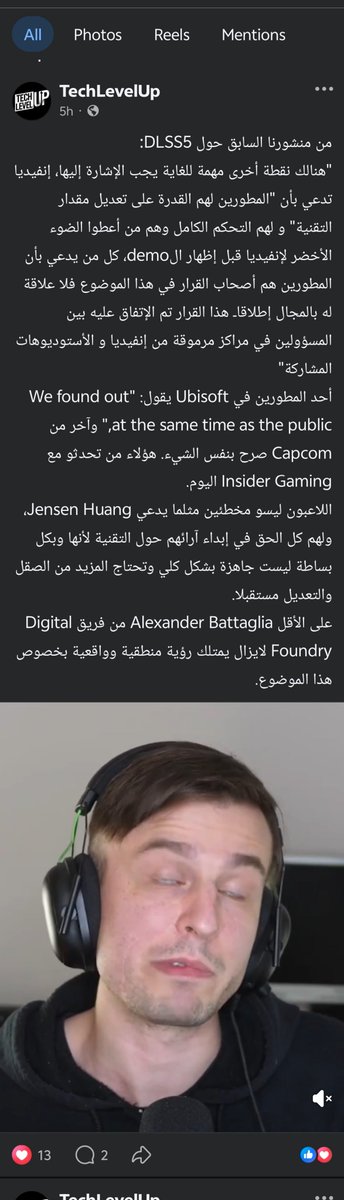

كان لازم ننتظر رأي الناس !!!!!!
مضحكم وضعهم والله يعني انتو ما عندكم عيون ولا كيف بضبط ؟ ولا ما تبي تزعل انفيديا ؟
Digital Foundry@digitalfoundry
The big DLSS 5 machine learning debate and why we should have waited before posting our first round of coverage - today's video: youtu.be/5dTTfjBAFzc
العربية
Ka Benz retweetledi

قبل فترة اثبت لشخص تورط هذي الشركة بدماء اهلنا في غزة (هو طلب اثبات) وبعد ان انتهيت من سرد الادلة واقامة الحجة عليه تهرب بقول "اصلًا كل الشركات تدعم وانا مو مسؤول عنهم ومالي دخل فيهم" واستمر في التطبيل والدعم لهذه الشركة الى اليوم 🤡
Ka Benz@claudio_marchis
يبدو أن ستيف من قناة GNقد ارتقى إلى مستوى مغاير تماما وخاصة في مقطعي الفيديو الأخيرين حيث خاض في ملفات شديدة الحساسية وبدأ يلعب بالنار بالمعنى الحرفي للكلمة مما قد تتبعه تداعيات وخيمة في المستقبل بالنظر إلى طبيعة ملاك ومؤسسي تلك شركات ومن لا يعرف شركة Palantirومؤسسها وما قامت...
العربية
أنت تسيء الفهم تماما إذا كنت تعتقد أنني مطبل لamd الحقيقة أنني لست مطبلا لأي أحد بل العكس تماما أنا كنت لسنوات طويلة من عشاق nvidia ومعظم كروتي سابقة كانت منهم ولم أمتلك كروت للمنافسين سوى مرتين طوال حياتي لكن الحق يجب أن يقال ونحن نحاول إنقاذ ما يمكن إنقاذه حتى لو كان تأثيرا بسيطا فقط وما حدث مع intel هو المثال الأكبر على أن التغيير ممكن وان شاء الله سيتكرر الامر x.com/claudio_marchi…
العربية

@claudio_marchis طيب انت قايلها ( المنصات تموت وتتجمد عندما ينفرد بها محتكر واحد)
وهذا الي حاصل مافي غير انفيديا فالسوق وهي تسوي الي تبيه وانت مابيدك شيء للاسف لان شركتك غير رايده زيها زي شركات الاندرويد ف مجال الهواتف
العربية
تغطية df لـdlss 5 أثبتت بما لا يدع مجالا للشك أنهم تحولوا لمجرد منصة إعلانية غير معلنة لشركة nvidia وما يقدمونه ليس صحافة تقنية بل مجرد ترديد لنقاط بيع الشركة دون أي نقد أو تساؤل حقيقي وضع هذه القناة أصبح مقززا أكثر فأكثر وسبق أن تحدثت عنهم وعن تطبيلهم السابق لتقنيات frame gen وادعائهم بأن شاشات g sync pulsar هي الحل الوحيد لعيوبها والان من الواضح أنهم تحولوا لـpr يبرر كل عجز الهاردوير بالسوفتوير فكيف تدعي nvidia أن المطورين يملكون السيطرة الكاملة على الرؤية الفنية بينما النموذج الذي يحرك dlss 5 هو unified model واحد لكل الألعاب ولم يتم تدريبه على أصول كل استوديو أو وجه بشكل منفصل هذا التناقض يعني ببساطة أن مخرجات dlss 5 ستؤدي حتما إلى تقارب بصري يقتل اللمسة الفنية الخاصة بكل لعبة تماما كما نرى في أدوات ai الحالية التي تجعل كل شيء يبدو متشابهاً ومصطنعا السيطرة الفنية الحقيقية تتطلب نماذج مخصصة مدربة على أصول اللعبة نفسها وليس unified model يحاول bypass محرك الإضاءة والنتيجة النهائية لهذه لقمامة البرمجية أو ai slop تبدو مريعة بصريا وكأنك وضعت فلاتر ai رخيصة فوق إضاءة استوديو باهظة الثمن النتيجة تبدو smeared وملطخة وفاقدة للهوية التقنية الحقيقية والتركيز المفرط على هذه الفلاتر هو اعتراف ضمني بالعجز عن تقديم قفزات حقيقية في raw performance للعتاد ومحاولة لبيعنا أوهاما بصرية تفتقر لمعايير الجودة والاستجابة فهم الأن يبيعون لك التقنيات والاشتراكات لا الكروت الحقيقية وحلمهم الانقال لسحابة (you will own nothing and be happy) ومع توجههم الكامل لسوق ai قد نرى إطلاق الكروت يتأخر ليصبح كل 4 سنوات او اكثر بينما يحاولون إسكاتنا بتقنيات وهمية وللأسف نجد بعض الحسابات عندنا تردد كلامهم كالببغاوات دون ادراك للتضليل التسويقي الذي يقتل مفهوم الأداء الحقيقي هم الان يحاولون بيعنا فلاتر ai قمامة بصريا، ولا يزال البعض يطبل لها ويبدو أن عقولهم قد فسلت بسبب قنوات مثل df
M_7_D_7@M_7_D_7
المهرجين Digital Foundry يبون يقنعوني ان DLSS 5 احسن 🤡
العربية
أنت تخلط بين التطور التقني وبين الابتزاز التجاري المنصات تموت وتتجمد عندما ينفرد بها محتكر واحد يبيعك سوفتوير ليرقع عجز الهاردوير التاريخ يخبرنا أن intel جمدت العالم بـ4 أنوية لسنوات بسبب احتكارها ولم نتحرك إلا عندما صفعوا بالمنافسة ما تراه تطورا في nvidia هو مجرد جدران أعلى لسجنك الرقمي وإذا كنت سعيدا بكونك رهينة لشركة تبيعك الوهم لتمويل مشاريعها الأمنية فهذا شأنك لكن لا تسم التبعية العمياء تطورا
العربية
@claudio_marchis عندك شيء غير انفيديا؟ هي الشركه الوحيده الموجوده فمجال البي سي ولو سحبت يدها منصتك ستبقى ثابته بلا تطور للابد انت بين صاعين ي انك تشوف تطور انفيديا ي تبقى على وضعك الحالي للابد
العربية
Ka Benz retweetledi

من التقنيات التي تمنيت لو تم الاستثمار فيها بدل نحرها
ان طٌبقت بشكل ممتاز فالنتائج مبهرة جداً وانا شخصياً أراها بأهمية Ray Tracing في الالعاب
من المضحك ان 32-bit لم تكن مدعومة مع جيل 5000 ثم نزل تحديث يدعمها، كرت 4090 كان اقوى من 5090 اذا استخدمت Physx !!

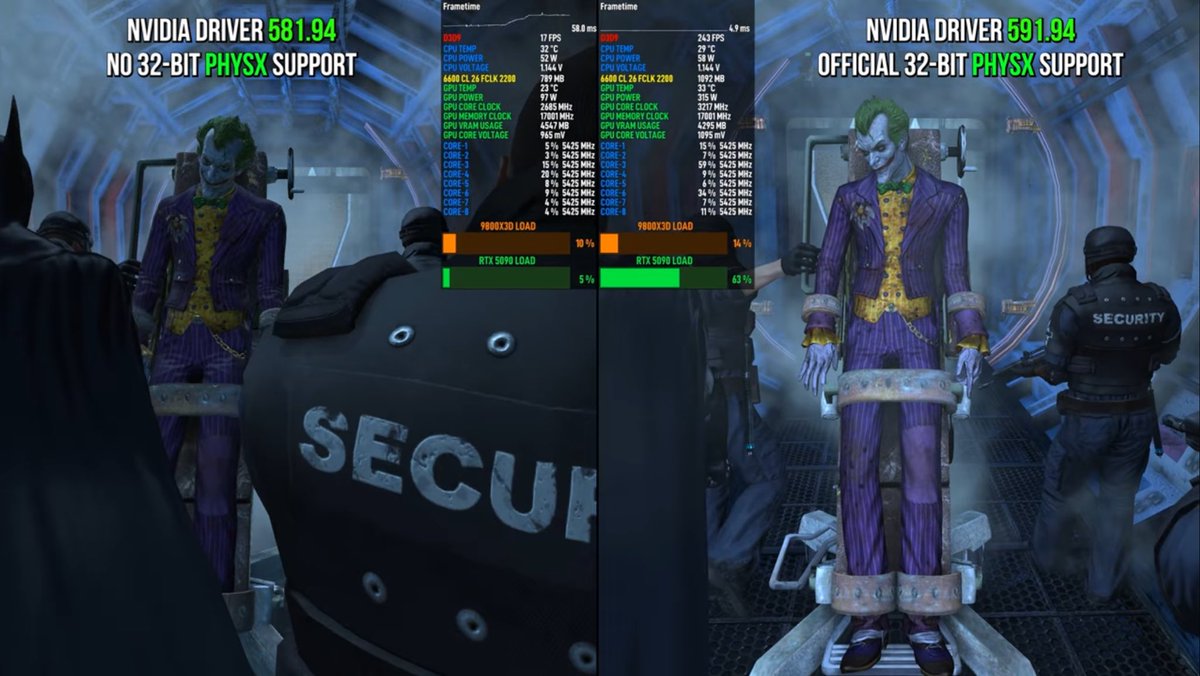

Stormslayer -HD Remasters/Gamedev@StormslayerDev
Hell yeah, physX was cool as fuck! Please go back. I haven't seen destruction this flashy and complex in an entire decade.
العربية
Ka Benz retweetledi
يبدو أن ستيف من قناة GNقد ارتقى إلى مستوى مغاير تماما وخاصة في مقطعي الفيديو الأخيرين حيث خاض في ملفات شديدة الحساسية وبدأ يلعب بالنار بالمعنى الحرفي للكلمة مما قد تتبعه تداعيات وخيمة في المستقبل بالنظر إلى طبيعة ملاك ومؤسسي تلك شركات ومن لا يعرف شركة Palantirومؤسسها وما قامت...
العربية
نعم كلامك صحيح هم يفتقرون للاحترافية لكن منذ أن فتحت عيني وحرب الكونسول قائمة بجيوشها وإعلامييها وهذا أمر اعتدنا عليه هذا النوع من التطبيل ليس شديد الضرر بنا كلاعبي pc بل على العكس الكونسول نعمة لا يدرك قيمتها البعض لأنها تضع حدا لجنون المطورين وتجبرهم على وضع معايير دنيا للتحسين و الكارثة الحقيقية هنا هي أفاعي التقنية الذين يضروننا فعلا فخلافا لمطبلي سوني الذين تظهر أجندتهم بوضوح هؤلاء يمارسون تضليلا احترافيا يسعى لقتل الحرية المطلقة التي هي أساس الـpc هم يساهمون في تقوية احتكار (monopoly) nvidia أكثر فأكثر ويمهدون الطريق لـتحويل العتاد إلى مجرد مفتاح لتقنياتهم و إذا استمر هذا التواطؤ فينتظرنا مستقبل موحش حقا نطبق فيه مقولة: you will own nothing and be happy
العربية

@claudio_marchis @BlueGamingSA هم سووا شي زبال نفيديا ويستاهلون الانتقاد
بس ذولا شبكه ما عندهم شي اسمه احتراف
العربية
الهجوم الذي يتعرض له حساب @BlueGamingSA مبالغ فيه فهو على الأقل مكشوف التوجه كمطبل لشركة sony وجمهوره غالبا من اللاعبين البسطاء casuals وفي أسوأ حالاته يرمي طُعما rage bait للتفاعل لكن الكارثة الحقيقية تكمن في أفاعي التقنية الذين يطبلون لـجوبلن nvidia وجشعها المطلق هؤلاء سواء فعلوا ذلك جهلا أو لمصالح شخصية يمارسون تضليلا احترافيا تحت الطاولة تماما كما تفعل قنوات مثل df و ltt أو بعض القنوات والحسابات عندنا الذين تحولوا لأبواق إعلانية تبيع الوهم الحقيقة ان nvidia حاليا هي شيطان عالم التقنية بالمعنى الحرفي فمن يشاهد تحقيقات gn يدرك عمق علاقتهم القذرة بشركة palantir وتورطهم في تقنيات المراقبة الجماعية والتنبؤ بالجرائم (pre-crime) هذه الشركة لا تتاجر بالوهم وتبيع تقنيات منفوخة عبر أبواقها الإعلامية فحسب بل هي حرفيا تتاجر بالدماء وتساهم في تدمير حقوق الأفراد أي هجوم على هذه الشركة هو قليل في حقها ومطبل لسوني يعتبر ملاكا مقارنة بهؤلاء الحقراء الذين يضللون الناس بعلم وتخطيط .
بلو جيمنج@BlueGamingSA
يبدو أن الشي الوحيد الحصري على منصة الـPC هو "الوهم"❗️ DLSS4 مع الإطارات الوهمية DLSS2 مع البكسلات الوهمية و الآن DLSS5 مع جرافكس وهمي هل هذا هو مستقبل الـPC كمنصة الأوهام ؟
العربية
كيف لا أغضب وأنا أرى منصة الـpc التي كانت وستظل انشاء الله رمزا للحرية المطلقة تتحول إلى monopoly خاص بـnvidia وبمباركة أبواقها الإعلامية؟ المستقبل الموحش الذي تسعى إليه الشركة ليس بعيدا عنا وهو يجر هويتنا وشغفنا إلى نعشه هدفهم النهائي هو أن لا تملك شيئا وأن تصبح كروتهم مجرد مفتاح لفتح تقنياتهم البرمجية لا أكثر
العربية
انفيديا تسيطر على أكثر من 80 بالمئة من السوق وهي تفرض هذه التقنيات فرضا على الجميع المستخدم يريد هذه الميزات لأنه لم يعد يجد خيارا أخر متاحا أمامه في الساحة و الأداء الخام يتم إضعافه عمدا في الكروت الجديدة ليظهر السوفتوير والـdlss كأنه المنقذ الوحيد للأداء هذا الوضع يمثل ارتهانا تقنيا تاما وليس رغبة حقيقية نابعة من جودة المنتج الأصلية بدلا من منحك قوة خام حقيقية في جيل 5000 أو 6000 القادم هم يمنحونك خوارزمية تصنع إطارات مزيفة وأنت ستدفع ثمن هاردوير باهظ جدا لتحصل على die بحجم صغير جدا ونفس سيلكون الأجيال السابقة تقريبا nvidia اعتادت على الأرباح المضاعفة في قطاع الـai وهي تريد تطبيق نفس نموذج الربح الجشع مع المستهلك العادي عبر بيع عتاد محدود بسعر فلكي أنت تدفع ثمن هاردوير باهظ جدا لتحصل في النهاية على سوفتوير يغطي عيوب العتاد وهذا قمة الاستغفال للمستهلك و الواقعية الحقيقية تنبع من قوة الهاردوير التي تمنح المطور حرية الإبداع الكاملة ولخوارزمية الموحدة تقتل الفن وتفرض ذوق الشركة البلاستيكي على جميع الألعاب دون استثناء والمخطط النهائي هو تحويلك من مالك للعتاد إلى مستأجر يدفع اشتراكات دائمة لخدمات الشركة مع التوجه نحو السحابة والتركيز على السوفتوير سيصبح الكرت مجرد مفتاح لتشغيل خدمات nvidia وليس عتادا تملكه وnvidia الان شركة ai أمنية واستخباراتية وسوق الألعاب بالنسبة لها ليس إلا مختبر تجارب لجمع البيانات وأرباح اللاعبين تستخدم لتمويل مشاريع كبرى مع الحكومات بالتعاون مع شركات مثل palantir أنت لا تصف تطورا تقنيا بل تصف متلازمة ستوكهولم تقنية حيث يقع المستخدم في حب الجلاد الذي يسلب ماله ويتحكم في مستقبله .
Nasser@SolidNSnake1985
عندما انفيديا عرفت بتتبع الأشعة و الذكاء الأصطناعي حصلت انتقادات, و لتصح اليوم الكل يريدها - ايضا عرفت بخاصيات تتبع المسارات و توليد الأطارات (الجيل القادم سيتبع) - عرفت اليوم بتقريب الرسوم الى الواقعية ايضا سيقود الى الأتباع و لسه RTX60 قادم للمزيد wccftech.com/nvidia-ceo-bel…
العربية
الفيديوهات لمن يريد المشاهدة :
youtube.com/watch?v=qG4ekt…
youtube.com/watch?v=5lYsO4…

YouTube

YouTube
العربية
افتضح امرهم تماما منذ بدأوا تطبيلهم لـframe gen ومحاولتهم فرضها كقدر محتوم ومستقبل لا مفر منه وكأن الأداء الوهمي بديل شرعي للقوة الحقيقية والأدهى هو ترويجهم بأن شاشات g sync pulsar هي العلاج للتشوه البصري الناتج عن تلك الإطارات المزيفة ، انهم ببساطة يمارسون أدوارا تسويقية لـnvidia حيث يبيعونك المشكلة البرمجية ثم يسوقون لك الحل العتادي المكلف لإخفاء قبحها
x.com/claudio_marchi…
العربية

بموت ديجيتال فاوندري يمدحون الاعاقة ذي ههههههههههههههههههههههههههههههههههههههههههههههههههههههههههههههههههههههههههههههههههههههههههههههههههههههههههههههههههههههههههههههههههههههههههههههههههههههههههههههههههههههههههههههههههههههههههههههههههههههههههههههههههههههههههههههههههههه
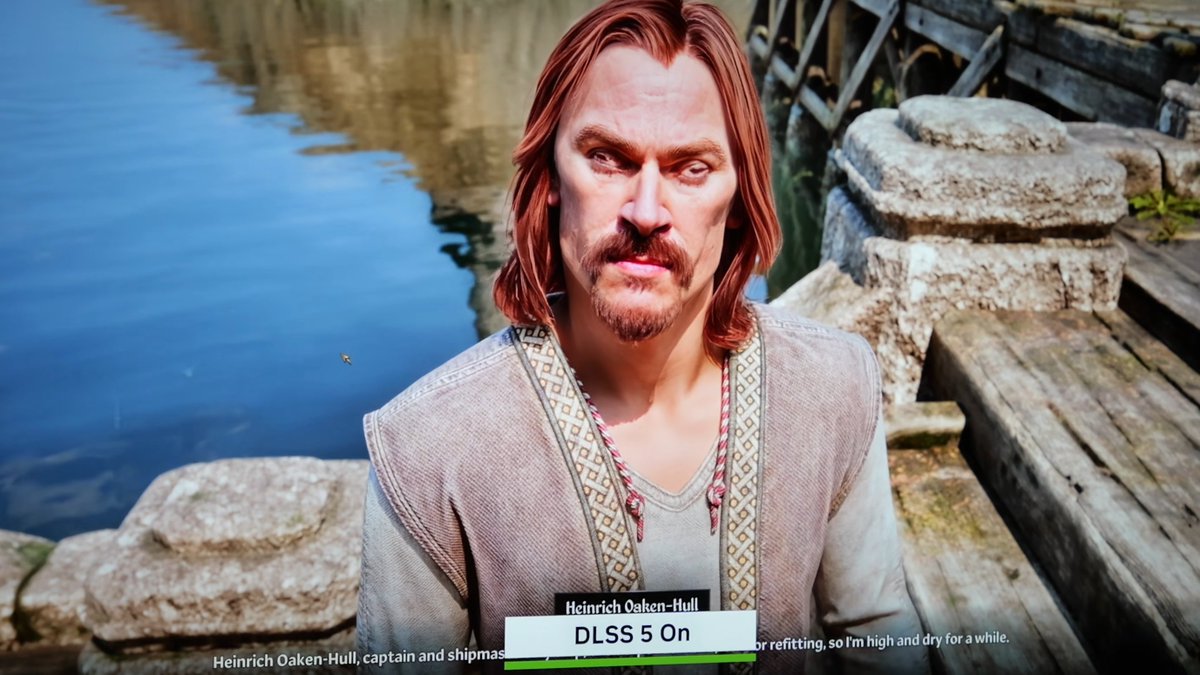
العربية
@YatoSubs1 DF = NVIDIA PR Branch
x.com/claudio_marchi…
Ka Benz@claudio_marchis
تغطية df لـdlss 5 أثبتت بما لا يدع مجالا للشك أنهم تحولوا لمجرد منصة إعلانية غير معلنة لشركة nvidia وما يقدمونه ليس صحافة تقنية بل مجرد ترديد لنقاط بيع الشركة دون أي نقد أو تساؤل حقيقي وضع هذه القناة أصبح مقززا أكثر فأكثر وسبق أن تحدثت عنهم وعن تطبيلهم السابق لتقنيات frame gen وادعائهم بأن شاشات g sync pulsar هي الحل الوحيد لعيوبها والان من الواضح أنهم تحولوا لـpr يبرر كل عجز الهاردوير بالسوفتوير فكيف تدعي nvidia أن المطورين يملكون السيطرة الكاملة على الرؤية الفنية بينما النموذج الذي يحرك dlss 5 هو unified model واحد لكل الألعاب ولم يتم تدريبه على أصول كل استوديو أو وجه بشكل منفصل هذا التناقض يعني ببساطة أن مخرجات dlss 5 ستؤدي حتما إلى تقارب بصري يقتل اللمسة الفنية الخاصة بكل لعبة تماما كما نرى في أدوات ai الحالية التي تجعل كل شيء يبدو متشابهاً ومصطنعا السيطرة الفنية الحقيقية تتطلب نماذج مخصصة مدربة على أصول اللعبة نفسها وليس unified model يحاول bypass محرك الإضاءة والنتيجة النهائية لهذه لقمامة البرمجية أو ai slop تبدو مريعة بصريا وكأنك وضعت فلاتر ai رخيصة فوق إضاءة استوديو باهظة الثمن النتيجة تبدو smeared وملطخة وفاقدة للهوية التقنية الحقيقية والتركيز المفرط على هذه الفلاتر هو اعتراف ضمني بالعجز عن تقديم قفزات حقيقية في raw performance للعتاد ومحاولة لبيعنا أوهاما بصرية تفتقر لمعايير الجودة والاستجابة فهم الأن يبيعون لك التقنيات والاشتراكات لا الكروت الحقيقية وحلمهم الانقال لسحابة (you will own nothing and be happy) ومع توجههم الكامل لسوق ai قد نرى إطلاق الكروت يتأخر ليصبح كل 4 سنوات او اكثر بينما يحاولون إسكاتنا بتقنيات وهمية وللأسف نجد بعض الحسابات عندنا تردد كلامهم كالببغاوات دون ادراك للتضليل التسويقي الذي يقتل مفهوم الأداء الحقيقي هم الان يحاولون بيعنا فلاتر ai قمامة بصريا، ولا يزال البعض يطبل لها ويبدو أن عقولهم قد فسلت بسبب قنوات مثل df

صحيت من النوم وأنا أشوف الشعب مكنسل نفيديا ومكنسل ديجيتال فاوندري 😹
العربية