
にわか知識 retweetledi
にわか知識
986 posts


にわか知識 retweetledi


にわか知識 retweetledi

にわか知識 retweetledi
にわか知識 retweetledi


イラン人をたいして褒めてないのに、イラン人に親しみが持てた。タイトルのせいで、ハードボイルド系の内容を想像するけど、著者とイランの人たちとの日常の小話で、イランの社会や歴史を小難しくなく楽しく知れる本だった。
角川新書と教養書籍@kadokawashinsho
🗓️5月新刊 #若宮總 『イランの地下世界』 「本当に目から鱗が落ちまくり。このイラン観は唯一無二だ」高野秀行氏、熱烈推薦・解説。イランでは、実はイスラムへの無関心、棄教・転向が進んでいる?既存のイメージを崩壊させる「現実の実態」を明かす。 試し読みはコチラ viewer-trial.bookwalker.jp/03/19/viewer.h…
日本語
にわか知識 retweetledi
FASHIONSNAP
【2025年ベストバイ】料理研究家 土井善晴が今年買って良かったモノ fashionsnap.com/article/2025be…
日本語
だからトランプは第三国からの移民拒否とか言ってるのかな。
” Russia has been highly effective in its online recruitment of third-country nationals to circumvent European counter-intelligence measures.“
Yoko Iwama 岩間陽子@2000grips
ロシアのサボタージュ工作に関するIISSのレポート
日本語
にわか知識 retweetledi
最近、どこへ行っても日中関係が話題になるが、日本の中国依存度は大きく下がっており、それは以前から自律性を高める=中国への依存度を下げる努力をしてきた結果だ、ということを訴えるようにしている。この記事もまさにそういう言論を支えるものになっている。
asia.nikkei.com/politics/inter…
日本語
にわか知識 retweetledi


にわか知識 retweetledi

it could act militarily in a Taiwan war なんて言ってないし。
Arnaud Bertrand@RnaudBertrand
It looks like Trump didn't understand the immensely consequential importance of his call with Xi. Or if he did, he's hiding it very well. This was the first call EVER requested by Xi to a U.S. president. It never happened before, all previous calls had been made at the Americans' request. In fact the only other instance in recent decades when a Chinese leader initiated contact with an American president was on Sept. 11, 2001, when then-President Jiang Zemin sent a telegram of condolence to then-President Bush (wsj.com/world/china/ch…). So already this, in and of itself, is extraordinarily unusual. Secondly, according to the official Chinese readout (mfa.gov.cn/zyxw/202511/t2…), the main topics of the call were Taiwan and Japan. Chinese official expressions - those used in readouts - are extremely codified. In this specific transcript they used an expression which had never been used before in the US-China context, writing that both countries should "jointly maintain the WWII victory fruits" ("共同维护好二战胜利成果") in the fight "against fascism and militarism", which is an obvious reference to Japan (especially given the current context). "Jointly maintain the WWII victory fruits" or versions of it (like with "defend" - "捍卫" - instead of "maintain"), has been used before in Chinese official transcripts, but almost exclusively in the China-Russia context. For instance in the famous China-Russia joint statement on international relations (gov.cn/xinwen/2022-02…) made when Putin visited China in early February 2022, both sides said they 'firmly defend WWII victory outcomes' ("坚定捍卫二战胜利成果"). It's rather extraordinary that China now uses this expression in a US-China context, which indicates that from China's standpoint the relation with the U.S. is entering a new phase where the U.S. can be part of the same "defenders of the post-WW2 order" framework that China has built with Russia. On Taiwan, the framing used is also completely different from anything used in previous US-China leader communications, and also more similar to the China-Russia language on the matter. It says that Xi emphasized to Trump that "Taiwan's return to China is an important component of the post-war international order" ("台湾回归中国是战后国际秩序重要组成部分"), which looks like a Japan-centric reorientation. This framing puts China and America on the same side when it comes to Taiwan, as co-victors of WW2, with Japan as the defeated aggressor whose seizure of Taiwan was reversed, and that reversal needs to be upheld. Usually, Chinese language on Taiwan in US-China discussions is all about the Three Joint Communiqués as the moment when the US finally acknowledged the PRC's position after backing the losing ROC side in the Chinese Civil War. They're essentially framing the US as a former adversary who came to accept reality. Which means this is a very significant shift in China-US diplomatic language: China is proposing to reposition the foundational narrative of US-China relations from post-Nixon to post-WWII, which would changes the very nature of the relationship, from pragmatic accommodation between adversaries to historical allies with shared responsibility. Why do this? The instinctive interpretation would be to understand it as immediate Japan crisis management, in reaction to Japan PM's declaration that it could act militarily in a Taiwan war, as a way to delegitimize any Japanese role in Taiwan affairs as inherently revisionist. But I think that would be the wrong read. First of all, it seems hard to believe that China would reframe the foundational narrative of China-US relations opportunistically, just for crisis management purposes. It's far too consequential to be merely tactical. Secondly, the fact that Xi initiated the call - again the first China-initiated call to a US president in decades - is also a tell. They wouldn't do this to deliver mere tactical crisis management language. This signals something more fundamental Thirdly, and perhaps most importantly, there are clear signs that this reframing has been prepared long before the recent Japan crisis. Back in October, the Standing Committee of the National People's Congress approved the designation of October 25th as "Taiwan Retrocession Day", a national holiday to celebrate the retrocession of Taiwan from Japan at the end of WW2. There was a big media push around this in China, which I'm familiar with because I was interviewed about it in the Global Times (globaltimes.cn/page/202510/13…). So this is clearly part of a long-planned strategic narrative shift as opposed to something they improvised in response to recent Japan tensions. The question remains: why? I think the most likely explanation is because China is repositioning for the post-hegemonic order, a multipolar world where China and the U.S. have a relationship as peers instead of rivals. And to anchor a peer relationship, you need a moment when the two countries actually WERE allies - which points directly to 1945, not 1972. The Nixon framework memorializes American hegemony - Washington acknowledging Beijing's position as a tactical Cold War concession; the WWII framework memorializes joint victory and shared responsibility. When you understand this context, Trump's post about the call is genuinely hilarious. While China was attempting the most significant reframing of US-China foundational narrative in fifty years, Trump came away thinking the highlight was agricultural trade 🤣 I also wrote about this in article form on my Substack arnaudbertrand.substack.com/p/xi-made-his-…
日本語
にわか知識 retweetledi
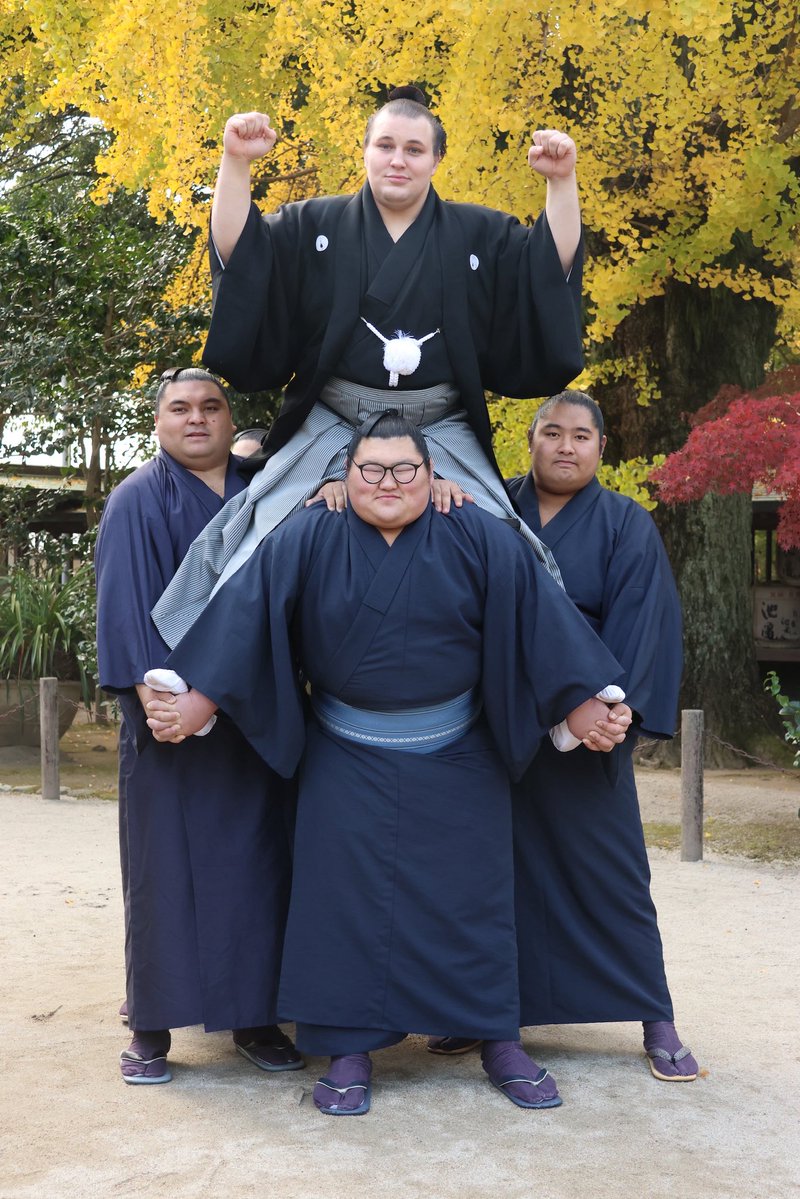
どなたか、この真っ黒になった引き出しの整理の仕方を教えてほしい。黒いユニクロのなかから、どうやって8部袖のヒートテックをいっぱつで取り出せるようにできるのか。
桐谷とうしろう@kiritanitoshiro
ヒートテックの捨てどき(2/2)
日本語
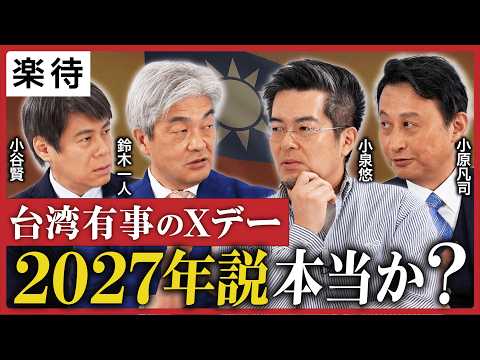
2027年なんだ。メモリアルを大切にしすぎ。この時までに畑耕して自給自足しとくか…面倒くさい…
youtu.be/85OA0oMS7fM
YouTube
Emin Yurumazu (エミンユルマズ)@yurumazu
時間かけてソ連みたいに孤立させれば良い。そのためにも設備投資減税は重要。サプライチェーンを日本に回帰させないといけない。
日本語