

Coelo
5K posts

Coelo
@coelosaurus
Prenez votre santé en main, personne ne le fera pour vous. ♀️
Katılım Şubat 2022
334 Takip Edilen162 Takipçiler

@arilovemj Plus sérieusement, j'espère qu'il n'est plus si loin le temps ou cet homme incroyable sera réhabilité et lavé de toutes les diffamations et accusations qu'il a pu subir de la part des vrais criminels.
Français

Nah la película de Michael Jackson es malísima, es aburrida, es plana e intentan "limpiar su imagen" y ya todos sabemos que es un pedófilo, no? No me emocionó, no hablaron de las acusaciones, solo del nacimiento del artista y cierta parte de su carrera, lo ponen como víctima (SI LO FUE, de su papá y de los medios) así que me aburrió. No la recomiendo. ¿A quién le importa la verdadera historia de vida del mayor artista de todos los tiempos? Solo queremos contenido !!!! Así de ridículo suenan las críticas a #MichaelMovie SON UNOS IDIOTAS.
Español
@franceinfo ah vous avez eu une note de vos handlers vous. Ceux là meme qui accusent les autres de leurs propres crimes.
Français

Les accusations de pédophilie grandes oubliées du biopic sur Michael Jackson l.franceinfo.fr/FmY
Français
@Frederic_Molas Dans le recueil de courts métrages animés de Predator sorti y'a quelques temps ( oublié le nom)., une mère vicking avec son fils. la mère meurt au combat mais elle a transmit son héritage j'imagine
Français
c'est amusant comme on trouve la dynamique Père - Fille dans plein de jeu mais quasi jamais la dynamique Mère - fils
Français
@BetterCallMedhi bah techniquement il a pas tord : c'est que c'est grave: la preuve avec votre histoire ( idem avec la mienne),
Français

un jour vous vous réveillerez le matin avec une masse que vous n’aviez jamais sentie de votre vie ou vous irez faire une IRM pour un simple mal de tête puis vous ouvrirez un compte rendu où quelques mots suffiront à faire basculer toute une vie comme lésions démyélinisantes et rehaussement
à partir de là tout change… la performance, les classements, le mépris facile, les leçons données aux autres depuis un téléphone…tout cela rétrécit d’un coup
la vie vous rendra humble d’une manière que rien ne remplace car sur ce réseau j’ai l’impression que beaucoup parlent encore avec l’assurance tranquille de ceux que les épreuves du monde réel n’ont pas encore traversés
….Wav 🪂@wallass876
Ne pas courir 10km en moins d’une heure à - de 35 ans c’est vraiment grave.
Français

@OSTERElizabeth1 Contraint ???non, il choisi de ne pas se battre. J'ai moi même une EM depuis 10 ans dont 3 ans en stand sévère, impossible de sortir du lit ! J'ai choisi la vie et l'espoir!
Propagande macabre !
Français
Le comédien Arnaud Denis, victime d'effets incurables suite à l'implantation d'une prothèse est contraint à l'euthanasie. Il dénonce l'incurie judiciaire et médicale, qui sévit en France où les victimes sont méprisées. Comme pour les Vaccins.Courage à lui. ledauphine.com/faits-divers-j…
Français

Star Wars actor John Boyega explained why he doesn’t watch Lord of the Rings or Game of Thrones in 2017:
“There are no Black people in Game of Thrones,” he said. “You don’t see one Black person in Lord of the Rings. I ain’t paying money to always see one type of person on-screen.
Thoughts?

English

au collège qd tu rentrais pas dans les standards de beauté les garçons te traitent comme si t’avais tué leur mère
kinshi*@Kinshirao2
Être moche c’est pire que de mourir
Français
@SuperSisi Emotional females and liberals : stop trying to cancel people you don't agree with .
English

News 💫
Eduard Badaluta, a Romanian model who serves as the face model for Leon Kennedy in Resident Evil is being accused of supporting fascism, transphobia and racism based on Instagram Reels he has liked or reposted.
Would you still be happy for him to continue in the role?

English

Went to a client’s home today wearing my rosary. 📿
Client: "What’s that on your neck?"
Me: "It’s a rosary."
Client: "We don't allow such in our house."
Me: "Say no more, let me just put it in the car..." 🏃🏾♂️
Fast forward: I’m currently at HOME on my sofa and she’s blowing up my phone. Since when did a cross become a security threat?
Listen, even if I love money, this one has refused.
English
@Destiny51620 @silvano_trotta "Vous" apparaît comme étant la seule solution .
Français
@coelosaurus @silvano_trotta Malheureusement, il n'y a a pas de remède universel pour traiter la douleur, chaque personne étant différente. Et pour gérer le quotidien, quand on souffre, la prise de médicament apparaît comme la seule option. M. Trotta joue sur la peur de personnes malades, c'est honteux.
Français
UNE SEULE DOSE d'ibuprofène a augmenté la perméabilité intestinale chez des personnes en bonne santé EN MOINS DE 24 HEURES.
Pas des semaines. Pas des mois. Des heures.
L'Advil que tu as pris pour ton mal de tête. L'ibuprofène avant ton entraînement. Le naproxène pour ton dos.
Chacune d'elles élargissait les espaces dans la muqueuse intestinale — ces mêmes jonctions serrées qui empêchent les bactéries, les endotoxines et les aliments non digérés de passer dans le sang.
Une étude menée auprès de 286 patients sous traitement prolongé par AINS a révélé une inflammation intestinale mesurable chez jusqu'à 72 % d'entre eux. 👇
Gunnar | The LPS Loop@FarvingCo
A SINGLE DOSE of ibuprofen increased gut permeability in healthy humans WITHIN 24 HOURS. Not weeks. Not months. Hours. That Advil you took for your headache. The ibuprofen before your workout. The naproxen for your back. PMID: 19148789 Each one widened the gaps in your intestinal lining — the same tight junctions that keep bacteria, endotoxins, and undigested food out of your bloodstream. A study of 286 patients on long-term NSAIDs found measurable intestinal inflammation in up to 72% of them. PMID: 9824604 This isn’t rare. This is the norm for regular users. Once the barrier opens, bacterial endotoxins (LPS) leak into circulation. Your immune system mounts a low-grade inflammatory response. Insulin signaling breaks. Your body starts storing visceral fat — the deep fat around your liver and intestines that no amount of cardio burns off. The gut damage came first. The belly fat followed. Most people treat the inflammation with more NSAIDs. Which causes more permeability. Which causes more inflammation. The loop doesn’t break on its own. The barrier has to be rebuilt. A 2020 review in Current Pharmaceutical Design (PMID: 32445447) found BPC-157 resealed gut barrier integrity across multiple models of intestinal damage — including damage from NSAIDs specifically. When I first tried BPC-157, the urgency and bloating that followed every meal improved noticeably within 2 days. Not a full fix overnight — but enough to know the tissue was responding. I use Barrier — oral BPC-157 designed to dissolve across the full GI tract, where the damage actually lives. Stop feeding the loop. Fix the wall. Barrier — code GUNNAR saves 15%.
Français
@maozedingue des camarades de classe de cm1 et moi avons été victimes d'1 instit pédophile il a + de 20ans. on a pas eu besoin de cours pour comprendre que ce qu'il faisait était anormal. En revanche les adultes auraient eu besoin de cours eux, car aucun ne nous a cru....
Français

j’en peux plus de ce débat de merde j’en peux plus vous comprenez rien !!!!! c’est toujours pareil
si j’avais eu des explications en primaire peut-être que j’aurais pu dénoncer ce qu’il m’avait fait
Citoyen initié@CitoyenInitie
Quelle honte ! Un cours filmé montre une intervenante du Planning Familial expliquant sperme et éjaculation à des enfants de 8 ans. S’appuyant sur les recommandations de l’OMS qui préconise une éducation à la sexualité dès 5 ans, incluant puberté et éjaculation pour les 6-9 ans.
Français
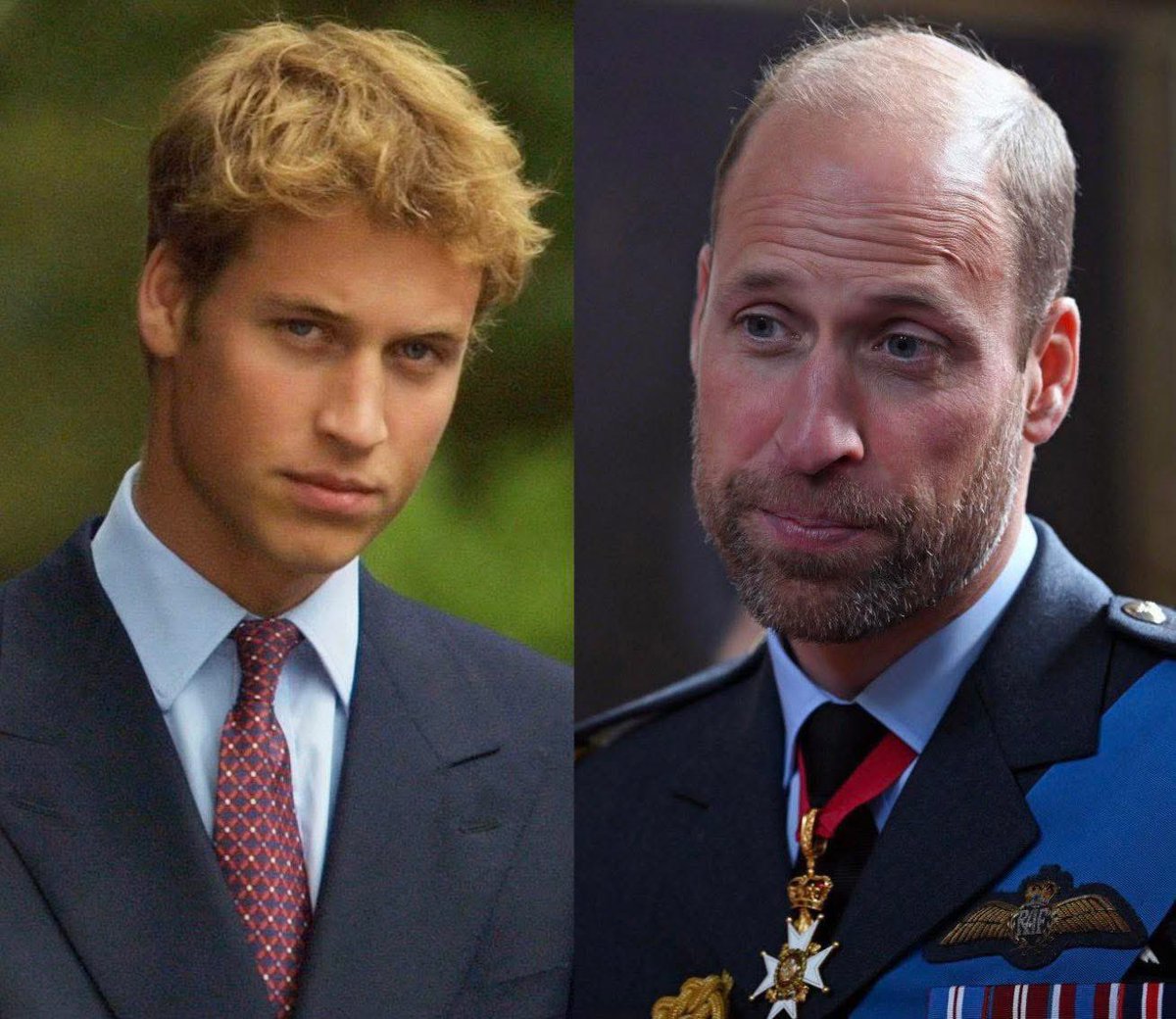
@LeContempIateur les gens qui disent " il a vieillit " ( déjà il est pas vieux) et enfin vous savez que vieillir c'est pas forcément synonyme de tourner au vinaigre ?
Français

Comment c'est possible ? On dirait deux personnes différentes...
Français
@Destiny51620 @silvano_trotta je vis avec endo, EM et terribles douleurs. Je suis devenue intolérante à tous ces médocs et ne prends plus rien depuis des années. Je fais appel aux aides naturelles , mon corps est devenu + résilient à la douleur et en parallèle mon état s'améliore . Sachez que c'est possible
Français
@silvano_trotta C'est bien gentil de vouloir effrayer les gens mais le jour où vous devrez vivre avec une maladie chronique qui vous causent de terribles douleurs, on en reparlera !
Français
@AlexSofamous ♀️ celib d'avant le covid , J'ai laissé tomber l'idée d'un jour rencontrer un homme spike free. Je renforce mon corps et mon esprit à la place .
Français

Pour la Gente féminine , êtes vous vacciné ( Empoisonné )💉#Covid ?! ‼️
Difficile de trouver une personne clean pour une relation …
Messieurs ne répondez pas , le résultat vous donnera une idée sur le pourcentage de femme rare que l on peut encore avoir une relation saine et sans danger .. 😉
Français
Coelo retweetledi
Like my healthy 34 year old son that died 16 days after his first Pfizer vaccine. Autopsy showed aortic dissection but histology was not done at time and I had to send his tissues to Germany for histological analysis. Analysis showed myocarditis, pericarditis and spike protein in aorta which decimated endothelium in aorta. Without autopsy and histology the lie of RARE is easily perpetuated. Vaccine injuries and deaths are Real, Not Rare!
English
Coelo retweetledi

I met an 84-year-old woman who was offered euthanasia at a Canadian hospital practically upon arrival.
Miriam didn’t want to die. She recovered well and travelled to Cuba, Mexico, and Guatemala.
Stop offering death to people who have adventures to lead!
English
@le_Parisien Le père il est ou ? Il a piscine depuis la naissance du gosse ?
Français

🔴 L'adolescent de 13 ans en garde à vue à Nice avoue avoir tué sa mère.
Une dispute serait à l’origine du meurtre.
➡️ l.leparisien.fr/1o3J

Français

RDC : psychose autour de la disparition mystérieuse des organes génitaux chez des hommes après un simple contact physique ; trois morts brûlés vifs et une femme enceinte lapidée fdesouche.com/2026/03/15/rdc…
Français