
Sabitlenmiş Tweet
Colossus
258 posts


Colossus
@colossuspay
A permissionless credit card network built on stablecoins. 𝐁𝐞𝐜𝐨𝐦𝐞 𝐮𝐧𝐝𝐞𝐧𝐢𝐚𝐛𝐥𝐞.
Ethereum Katılım Temmuz 2025
16 Takip Edilen6K Takipçiler
Colossus retweetledi


Colossus retweetledi

@josephdelong But but but
What about the banks
You can’t have the cards without the banks
GIF
English
Colossus retweetledi

Colossus retweetledi
Colossus retweetledi

Colossus retweetledi

this will literally never work unless you crush the visa/mastercard duopoly.
you will get some options:
1. prepaid card, strict limits, probably the most “no kyc” card you can get today, but not a debit card
2. business card sold to retail users, illegal and usually gets shut down after ~6 months, then you lose access to the account
and then there’s @colossuspay which might actually be able to give the world its first real non-kyc debit card by breaking free from the duopoly
calle@callebtc
Non-KYC debit card with tap to pay. Build this and I will give you so much money. You can ask for an insane fee and people will still use it.
English

@callebtc @colossuspay coded
English

Colossus retweetledi

Colossus retweetledi
Colossus retweetledi
Colossus retweetledi

Colossus retweetledi

Colossus retweetledi
COLOSSUS IS THE FUTURE DESTROYING VERY LOW ENERGY VISA AND BRINGING NONCUSTODIAL PRINCIPLES TO CREDIT CARDS
THANK YOU FOR YOU ATTENTION ON THIS MATTER
English
Colossus retweetledi

Colossus retweetledi




Colossus retweetledi
Colossus retweetledi

After my last stint operating a DAO in crypto I left cynical on the whole DAO experiment. Coordination problems, management by consensus, governance theater, quorum issues, herding cats in a group chat, etc etc - I left a centralization maxi
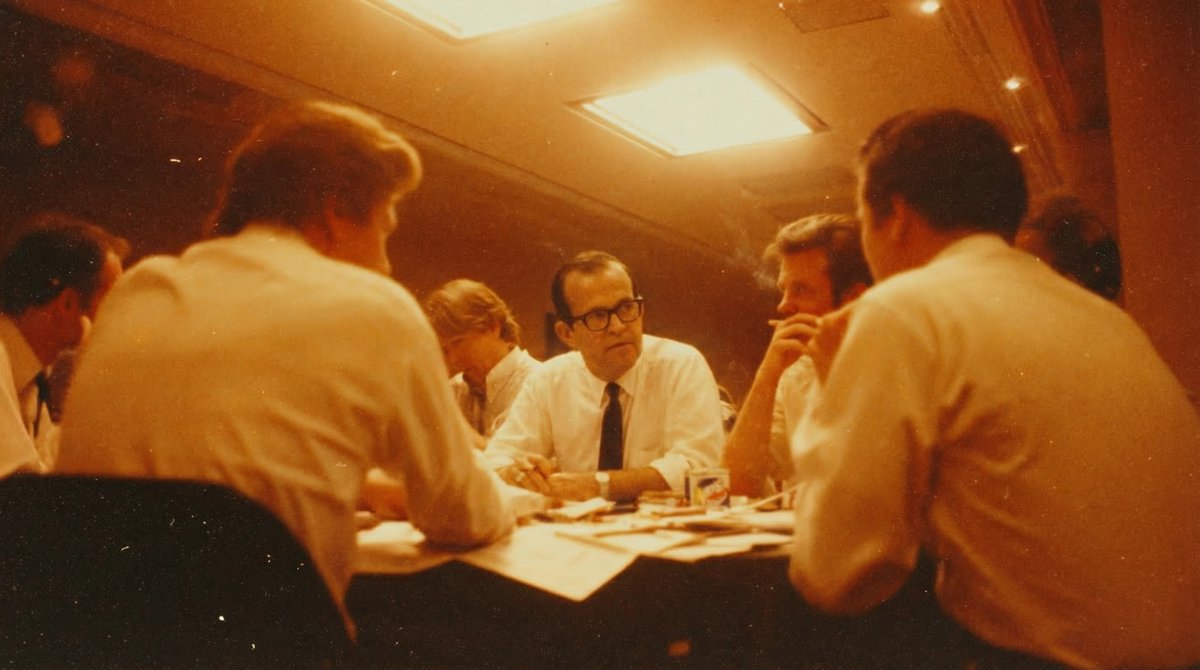
Since joining @josephdelong and co. I have been reading about the history of credit networks and was surprised to find out Visa was basically like a DAO - in 1970 Dee Hock convinced Bank of America to give up control of BankAmericard (VISA) and hand it to the issuing banks. they formed a member-owned cooperative. thousands of banks that competed with each other every day, collectively owning and governing shared infrastructure. Mastercard was the same structure.
Member banks didn't buy governance tokens. they got ownership proportional to their actual participation and transaction volume on the network. the more you used it and grew it, the more of it you owned. (first airdrop ever?)
When that equity finally paid out, the timing was almost poetic. Visa IPO'd on March 18, 2008. the same week Bear Stearns collapsed. largest IPO in US history at $17.9 billion, right in the middle of the financial crisis. Over $10 billion went directly back to member banks. for a lot of those banks, 38 years of contribution-weighted equity in a cooperative network they helped build became a lifeline when everything else was falling apart.
The two most successful financial networks in history were decentralized-esque cooperatives that worked for decades before they centralized. and the equity model rewarded builders and users, not speculators
Studying..
Every network starts somewhere @colossuspay
English


Unironically my bank decided to prematurely expire my debit card 3 years early while on vacation so I am busy exploring new neobank and local bank alternatives.
I truly wish I could just handle all my money onchain and use it everywhere. @colossuspay needs to come out ASAP!
Kraken@krakenfx
Can I withdraw my money? Banks:
English
Colossus retweetledi