ConservationPhysiology

1.4K posts

ConservationPhysiology banner
ConservationPhysiology

ConservationPhysiology

@conphysjournal

Open Access journal publishing research, reviews, methods and perspectives in the field of Conservation Physiology. @SEBiology @OUPAcademic

Katılım Nisan 2016
322 Takip Edilen1.5K Takipçiler
ConservationPhysiology
ConservationPhysiology@conphysjournal·
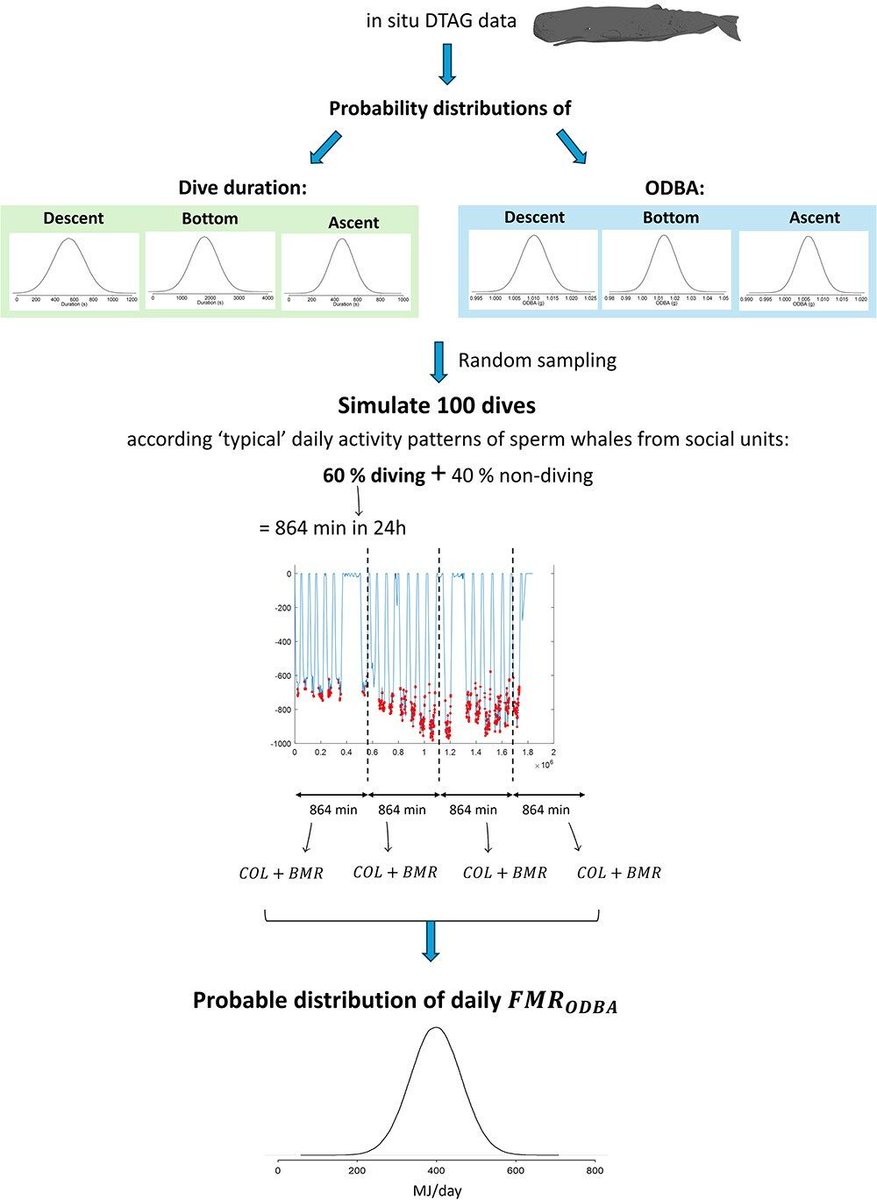
How can we measure energy use in large animals where direct measurements may be impractical? This study provides the first estimates of daily field metabolic rates in sperm whales by combining in-situ data with proxies for energy expenditure 🐋 ➡️ doi.org/10.1093/conphy…
ConservationPhysiology tweet media
English
1
5
3
316
ConservationPhysiology
ConservationPhysiology@conphysjournal·
Transcriptome sequencing of blubber samples is a useful method for studying the effects of stress on cetaceans. This #Toolbox article presents optimised methods for obtaining high-quality RNA from blubber 🐋 🧪. Read it here ➡️ doi.org/10.1093/conphy…
ConservationPhysiology tweet media
English
0
1
2
102
ConservationPhysiology
ConservationPhysiology@conphysjournal·
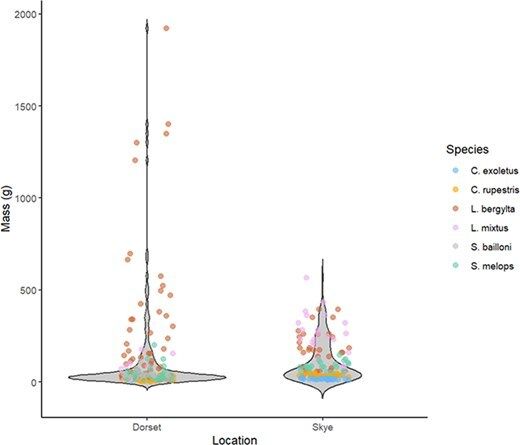
Wrasse are used as cleaner fish in salmon aquaculture, yet their performance may be affected by thermal & ontogenetic changes. This study analysed chemical markers in wrasse at different sites to understand their productivity in different conditions ➡️ doi.org/10.1093/conphy…
ConservationPhysiology tweet media
English
0
0
3
59
ConservationPhysiology
ConservationPhysiology@conphysjournal·
How do you grow a tough oyster 🦪💪? In this #ConPhysinAction piece, Emma Guerrini Romano explores how exposing farmed oysters to stress as larvae affects their performance as adults, drawing on research from Fuqua and Brooke. Links in 🧵 ⬇️
ConservationPhysiology tweet media
English
1
1
2
145
ConservationPhysiology
ConservationPhysiology@conphysjournal·
Declining northern pike 🐟 populations have raised concerns about possible reproductive issues, with one theory that sperm quality is reducing due to altered salinity. This study tests the theory, comparing sperm performance in fresh & brackish water ➡️ doi.org/10.1093/conphy…
ConservationPhysiology tweet media
English
0
2
3
134
ConservationPhysiology
ConservationPhysiology@conphysjournal·
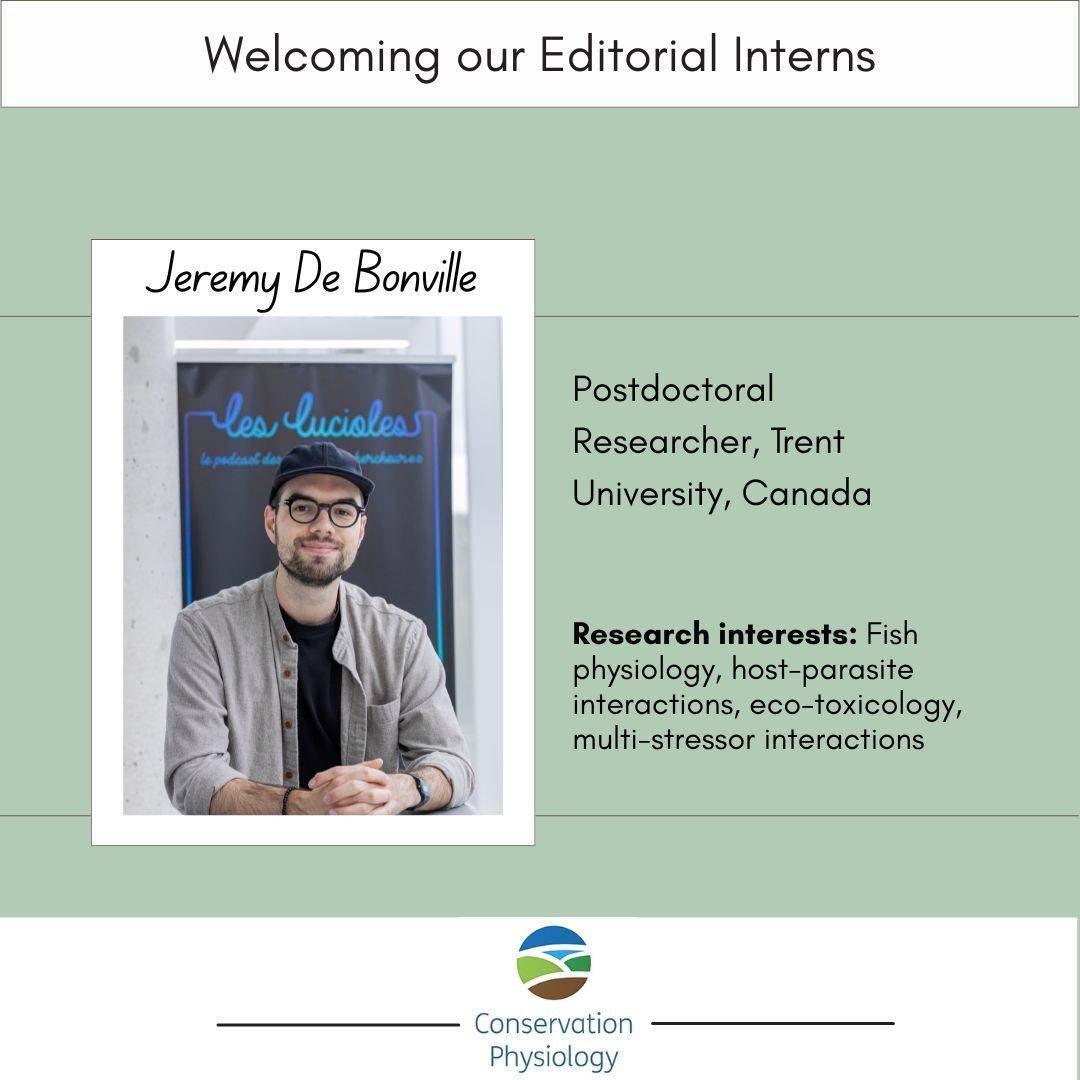
Welcome to our new editorial intern Jeremy De Bonville @ichthyolojay ! Jeremy is a postdoctoral researcher at Trent University, Canda, working on the thermal vulnerability of fish across life stages and seasons.
ConservationPhysiology tweet media
English
0
2
5
258
ConservationPhysiology
ConservationPhysiology@conphysjournal·
Welcome to our new editorial intern Léa Lorrain-Solignon! Léa’s work focuses on how environmental stressors affect organismal physiology and biodiversity. Her current research investigates the effects of salinity and temperature on amphibians.
ConservationPhysiology tweet media
English
0
2
3
180
ConservationPhysiology
ConservationPhysiology@conphysjournal·
Steroid hormones are useful indicators of health in marine mammals, but measurements are often limited by sample size. This new #Toolbox article presents a new method for analysing steroid hormones in small blubber samples in four whale species. 🐋 ➡️ doi.org/10.1093/conphy…
ConservationPhysiology tweet media
English
0
3
5
337
ConservationPhysiology
ConservationPhysiology@conphysjournal·
Rodolfo is one of three editorial interns who will join the journal for a year to receive training and mentorship in the editorial process.
English
0
0
1
95
ConservationPhysiology
ConservationPhysiology@conphysjournal·
Welcome to our new editorial intern Rodolfo Anderson! Rodolfo researches organismal responses to climate and habitat change with the aim of informing conservation and management decisions.
ConservationPhysiology tweet media
English
1
2
4
304